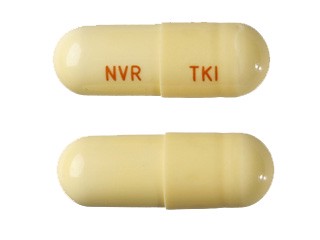

Tasigna (Nilotinib) — Patient Information (Australia)
Tasigna is a brand of nilotinib, a medicine used to treat certain types of blood cancers—most commonly Philadelphia chromosome–positive (Ph+) chronic myeloid leukaemia (CML). This page explains how Tasigna works, how it is taken, key safety considerations, and practical tips for everyday use in Australia.
Always follow the dosing plan provided by your healthcare professional. Information below is general and may not cover every situation.
Basic product information
| Item | Details |
|---|---|
| Generic name | Nilotinib |
| Brand name | Tasigna |
| Medicine type | Tyrosine kinase inhibitor (TKI) |
| Common formulation strengths | Capsules (strengths may vary by product availability) |
| How it is taken | By mouth, on a fixed schedule, with specific food restrictions |
What Tasigna is used for (typical use)
Tasigna is used to treat adult patients with:
- Chronic phase Ph+ CML (including patients who are resistant or intolerant to prior therapy in some settings)
- Accelerated phase Ph+ CML
- Imatinib-resistant or -intolerant disease profiles may be relevant depending on the treatment line and current clinical criteria
Your treating team may also monitor specific blood and genetic markers to confirm response and guide ongoing treatment. If you are unsure which CML phase or situation applies to you, ask your healthcare provider.
How Tasigna works: mechanism of action
Nilotinib is a protein-kinase inhibitor that targets the abnormal signalling produced by the BCR-ABL tyrosine kinase found in Ph+ CML.
In simpler terms, Tasigna helps to:
- Block abnormal BCR-ABL signalling that drives cancer cell growth
- Reduce cancer cell survival and proliferation
- Support clinical and molecular response when taken consistently
As with many cancer medicines, response is assessed over time using blood tests and specialised genetic monitoring.
Pharmacokinetics (how the body handles Tasigna)
Understanding timing and food effects is important because nilotinib exposure can change significantly with meals. Key points include:
- Absorption: Tasigna is absorbed after oral intake. Food can increase drug exposure unpredictably, which may raise the risk of side effects.
- Metabolism: Nilotinib is mainly metabolised by liver enzymes (particularly CYP3A4).
- Elimination: The medicine is cleared primarily through metabolism and subsequent excretion of metabolites.
- Half-life: The pharmacologic effects persist long enough to support a twice-daily schedule in many regimens.
Because metabolism involves CYP3A4, medicines that strongly affect this pathway can change Tasigna levels. This is why medication review (including over-the-counter products and herbal supplements) is essential.
Timing and how to take Tasigna
Tasigna must be taken with strict attention to meals and timing. For many patients, Tasigna is taken twice daily (BID). Your exact schedule and dose should match your treatment plan.
Food restriction (very important)
- Do not take with food. Meals can increase nilotinib absorption and exposure.
- Take Tasigna at least 2 hours after eating and at least 1 hour before the next meal or snack.
- If you miss a meal, do not “compensate” by changing timing in a way that breaks the restriction—follow your dosing plan.
Dose schedule example
One common approach (adjust for your routine and clinician instructions):
- Morning dose: Take at least 1 hour before breakfast and at least 2 hours after your previous evening meal
- Evening dose: Take at least 1 hour before dinner
If you struggle with shift work or late evenings, ask your healthcare team about a schedule that maintains the same spacing from meals.
Food interactions
The most important dietary interaction is with food itself. Eating may increase nilotinib exposure. This can potentially increase the risk of adverse effects, including heart rhythm changes.
To help reduce variability, many patients are advised to:
- Keep a consistent routine for meals
- Use alarms or phone reminders for dose timing
- Avoid taking Tasigna with snacks unless your schedule clearly preserves the “no food” windows
If you have difficulty maintaining meal timing due to appetite changes, nausea, or other health conditions, speak with your care team.
Alcohol interactions
There is no single universal “alcohol rule” for every patient, but alcohol can contribute to:
- Liver stress and altered tolerance of medicines, particularly when nilotinib monitoring shows liver enzyme changes
- Dehydration or worsening nausea and fatigue
- Increased bleeding risk in certain circumstances if you take medicines that affect blood clotting (this depends on your broader treatment plan)
As a practical approach, many patients choose to limit alcohol and discuss safe amounts with their clinician, especially if they have liver issues, low blood counts, or are taking additional medicines.
Medicine interactions (including herbal and OTC products)
Nilotinib levels can change when medicines affect CYP3A4. Some interactions can also affect heart rhythm (QT prolongation). Always review your medication list with your healthcare professional or pharmacist.
Common interaction categories to discuss
- CYP3A4 inhibitors: may increase nilotinib exposure (for example, some antifungals and certain antibiotics).
- CYP3A4 inducers: may reduce nilotinib exposure (for example, some seizure medicines and certain rifamycins).
- Medicines that can affect heart rhythm: drugs known to prolong the QT interval or change electrolyte balance.
- Medicines affecting potassium or magnesium: imbalances can increase arrhythmia risk.
- Herbal supplements: some supplements can act like enzyme inducers or inhibitors (e.g., St John’s wort can be problematic).
Practical advice for medication review
- Bring a list of all medicines (including vitamins, supplements, and “natural” products)
- Check before starting anything new, even short courses
- Tell your healthcare team about any recent changes to prescription or OTC products
Indications and treatment phases
Tasigna is used for specific Ph+ CML indications. The choice of therapy and dosing depends on factors such as:
- Whether CML is in chronic or accelerated phase
- Prior treatment history and response
- Risk profile and treatment goals
- Other medical conditions, including heart and liver health
Your monitoring schedule may include:
- Full blood counts
- Biochemistry (including liver tests and electrolytes)
- Electrocardiograms (ECGs) to assess heart rhythm
- BCR-ABL molecular testing to track response
Dosing: what is typical?
Dosing depends on the treatment indication and your clinical context. Your healthcare team will set the exact dose and schedule. The following information is provided for general understanding only.
Typical regimen (general overview)
- Often twice daily dosing (BID), with strict spacing from meals
- Dose strength may differ between patients depending on the phase and prior therapy
If you miss a dose
If you miss a dose, do not take extra doses to make up for it. Contact your healthcare professional or follow the advice provided by your care team or product instructions.
Do not change dose
Do not adjust or stop Tasigna without medical guidance. Sudden changes can affect disease control and increase the risk of complications.
Safety profile: important risks and monitoring
Like all cancer medicines, Tasigna can cause side effects. Many are manageable with supportive care, dose adjustments, or temporary interruptions based on clinical judgment.
The most important safety areas to discuss include heart rhythm, blood counts, liver function, and metabolic effects.
Common or notable side effects
- Fatigue, weakness
- Nausea, constipation, or abdominal discomfort
- Headache
- Rash or dry skin
- Muscle or joint pains
- Low blood counts (e.g., decreased white cells or platelets), which may increase infection or bleeding risk
- Elevated liver enzymes on blood tests
- Swelling (oedema) in some patients
Serious warnings to know
- QT prolongation / arrhythmia risk: Tasigna can affect heart electrical activity. Your clinician may monitor with ECGs and check electrolytes.
- Pancreatitis: severe abdominal pain with or without vomiting may require urgent assessment.
- Hepatotoxicity: liver injury may occur; monitoring blood tests helps detect problems early.
- Myelosuppression: significant decreases in blood cells can occur and require monitoring.
Seek urgent medical attention if
- You experience fainting, severe dizziness, or symptoms of an abnormal heartbeat (palpitations)
- You have severe or persistent chest pain or shortness of breath
- You develop signs of infection (fever, chills) or unusual bruising/bleeding
- You have severe abdominal pain (especially with vomiting)
Practical use tips (daily-life guidance)
- Set reminders: Tasigna schedules depend on meal-free windows—timers can help prevent mistakes.
- Stay consistent: keep meal timing steady where possible to reduce fluctuations in drug exposure.
- Monitor health changes: track symptoms such as fatigue, palpitations, diarrhoea/constipation, swelling, and bruising.
- Hydration and electrolyte balance: if you have vomiting/diarrhoea, discuss management early. Electrolyte changes may affect heart rhythm risk.
- Keep a medicine list: include supplements and “as needed” products to reduce interaction risk.
- Don’t skip monitoring: ECGs and blood tests are part of safe long-term use.
- Report new medicines promptly: antibiotics, antifungals, anti-nausea drugs, and cold medicines can interact.
If swallowing capsules is difficult, ask your healthcare team about strategies. Do not alter the capsule unless your clinician or pharmacist advises it.
Alternative options (if Tasigna isn’t suitable)
Treatment for Ph+ CML is individualised. If Tasigna is not tolerated, not effective, or interacts with other required medicines, clinicians may consider alternative tyrosine kinase inhibitors (TKIs) or other approaches.
Common TKI alternatives (examples)
- Imatinib
- Dasatinib
- Bosutinib
- Ponatinib (in specific circumstances)
The “best” option depends on prior responses, risk factors (including heart history), side-effect profile, and drug interaction considerations. Only your treating team can recommend a change.
Australia: market, legal and guidance context
In Australia, cancer medicines are regulated through the Therapeutic Goods Administration (TGA). Access may be influenced by:
- Registered product indications and label information
- Prescribing and clinical criteria used in haematology/oncology practice
- Funding arrangements through the Australian healthcare system (for example, the Pharmaceutical Benefits Scheme (PBS) or other pathways)
- Local hospital protocols for monitoring and switching therapies
Safety guidance evolves with emerging clinical evidence and post-market safety updates. Clinicians typically use up-to-date references and local protocols to guide monitoring (including ECG monitoring where relevant).
Recent safety and monitoring considerations
While specific recommendations can vary by patient and local guidance, healthcare providers commonly emphasise:
- ECG monitoring and attention to QT prolongation risk factors (including electrolyte abnormalities)
- Regular blood tests for liver function and blood counts
- Medication interaction screening for CYP3A4 and QT-related interactions
- Adherence to food restrictions to avoid excess exposure
If you want the most current local guidance, ask your specialist or pharmacist, who can provide advice aligned with Australian regulatory and clinical resources.
Delivery and availability in Australia
Availability can vary by strength, supply chain, and whether the item is held locally or sourced through wholesalers. Many online pharmacies offer:
- Home delivery across Australia (coverage can vary by provider)
- Careful packaging to protect capsules during transit
- Tracking and dispatch updates where available
Delivery timelines depend on stock status and your location. When placing an order, check:
- Estimated dispatch time
- Delivery window and tracking details
- Any requirements for account verification
- Whether substitutions are permitted (where applicable)
For continuity of treatment, consider planning ahead so you do not run out unexpectedly. If you anticipate a delay (e.g., travel), speak to your pharmacy early.
FAQs about Tasigna (Nilotinib)
1) Why does Tasigna need strict meal timing?
Food can change nilotinib absorption, leading to higher or more variable drug exposure. The prescribed “no food” windows help maintain safer and more consistent levels of the medicine.
2) Can I drink fruit juice or have tea/coffee with Tasigna?
Small amounts of plain beverages are often taken without major issues, but the key requirement is maintaining the meal-free window. If a beverage counts as “food” in your routine or affects timing, try to keep the same spacing from doses. Ask your pharmacist if you have specific concerns.
3) What should I do if I accidentally take Tasigna with food?
Contact your healthcare professional or pharmacist for advice. Do not try to “correct” by changing multiple doses. They may advise whether any monitoring or schedule adjustment is needed.
4) What monitoring will I need while taking Tasigna?
Monitoring commonly includes blood tests (blood counts and liver function), assessment of disease response, and heart monitoring (such as ECGs) depending on your risk factors and clinical protocol.
5) Are there foods or supplements I should avoid?
The most critical interaction is food timing. Additionally, some supplements can interact with how nilotinib is processed in the body. It’s safest to discuss all supplements with your pharmacist before starting them.
6) Can Tasigna be taken with other medicines for colds, reflux, or pain?
Some medicines can interact with nilotinib or influence heart rhythm or electrolyte levels. Check with your pharmacist before combining therapies—especially if a medicine is new or you are taking multiple products.
7) What are the signs of a serious reaction?
Seek urgent help for fainting, severe dizziness, chest pain, symptoms of heart rhythm problems, severe abdominal pain, signs of infection (fever/chills), or unusual bruising/bleeding.
8) Is it safe to take Tasigna with alcohol?
Many people choose to limit alcohol during treatment. Because Tasigna can affect the liver and overall tolerance varies, discuss safe intake with your clinician, particularly if you have liver enzyme changes or other complications.
9) If I switch to another TKI, will my monitoring change?
Often, monitoring continues, but the side-effect profile and interaction risks may differ by medicine. Your treating team will tailor follow-up to the specific therapy you use.
10) How long does it take to see results?
Response is typically evaluated over time using clinical assessments and molecular tests. Your healthcare team can explain what markers they monitor and what “milestones” they expect for your situation.
Summary
Tasigna (nilotinib) is a tyrosine kinase inhibitor used for Philadelphia chromosome–positive CML, including chronic and accelerated phases in selected situations. It works by blocking the abnormal BCR-ABL signalling that drives disease. Because drug absorption and safety depend strongly on meal timing and on interactions with other medicines, Tasigna is taken with strict food spacing (generally at least 2 hours after food and at least 1 hour before the next meal).
Safe use involves regular blood tests, heart monitoring as advised, and careful review of all medicines and supplements. If you have questions about dosing, timing, or interactions, speak with your pharmacist or treating team.