Aldara (Imiquimod) Cream — Patient-Friendly Guide (Australia)
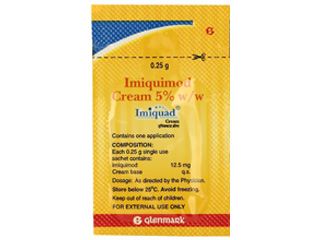
Aldara is a medicine containing imiquimod, a topical treatment used for certain skin conditions. It works by helping your immune system respond in the skin area where the cream is applied. This guide explains how Aldara works, how it is typically used, what to expect, and important safety and interaction information.
Note: Product availability, wording on the pack, and specific schedules may vary by formulation and the condition being treated. Always follow the directions provided with your medicine and any advice from a healthcare professional.
Basic product information
| Item | Details |
|---|---|
| Brand name | Aldara |
| Active ingredient | Imiquimod |
| Dosage form | Cream for skin use |
| Strength | Commonly available as 5% cream (check your pack) |
| Route | Topical use only (apply to skin as directed) |
| Typical dosing frequency | Condition-dependent (often several times per week) |
How Aldara works (mechanism of action)
Imiquimod is an immune response modifier. When applied to the skin, it stimulates local cells to release signalling proteins (known as cytokines), which are part of the body’s natural immune defence.
In simplified terms, Aldara helps:
- Activate immune pathways in the treated area
- Target abnormal or virus-infected skin cells (depending on the condition)
- Support clearance and healing where treatment is effective
Pharmacokinetics (what happens in the body)
Because Aldara is applied to the skin, most of the medicine acts locally. Only a small amount of imiquimod is absorbed into the body. Systemic absorption can vary depending on factors such as:
- The size of the treated area
- Whether the skin is broken or inflamed
- How long the cream stays on the skin before washing
- Use on mucosal areas (if applicable to the prescribed condition)
After absorption, imiquimod is metabolised primarily in the liver and eliminated mainly through the kidneys. In general, blood concentrations are low compared with medicines taken by mouth.
Typical uses in Australia
Aldara may be used to treat selected skin conditions. The specific use depends on your diagnosis and the product schedule provided. Common indications include:
- Superficial basal cell carcinoma (sBCC) in certain cases where topical therapy is appropriate
- External genital and perianal warts caused by human papillomavirus (HPV)
- Actinic keratosis (sun-damaged skin patches) in selected patients and treatment regimens
If you’re not sure which condition you’re being treated for, check the directions supplied with your medicine or speak with a healthcare professional.
Indications explained (patient-friendly)
1) Actinic keratosis (AK)
Actinic keratosis are rough, scaly patches caused by long-term sun exposure. Some AK lesions can progress to skin cancer over time. Aldara aims to help treat these lesions by engaging local immune responses.
2) Superficial basal cell carcinoma (sBCC)
Superficial basal cell carcinoma is a type of skin cancer that is usually localised to the upper layers of the skin. Aldara may be used in selected cases based on lesion characteristics and clinical assessment.
3) External genital/perianal warts
Genital and perianal warts are associated with HPV. Imiquimod may help your immune system respond against wart-associated abnormal tissue.
Dosing and timing (how to use Aldara correctly)
Important: Aldara schedules differ by condition. Below are typical regimens. Use the exact schedule provided for your diagnosis. If your directions differ, follow your prescribed instructions.
Common timing guidance
- Apply at night and let it remain on the skin for a period specified in your instructions.
- In many regimens, the cream is applied and left on the skin for about 6–10 hours, then washed off.
- Use a thin layer on the area being treated (and as directed, the surrounding skin).
- Wash your hands after applying, unless your hands are the treatment area.
- Avoid getting the cream into eyes, lips, or inside the genital/anal openings unless specifically instructed.
Typical dosing schedules (condition-dependent)
| Condition | Typical application frequency | Common course length (varies) | Key “wash off” timing |
|---|---|---|---|
| Actinic keratosis | Often 3 times weekly (e.g., Mon/Wed/Fri) | Commonly several weeks (e.g., up to 16) | Wash off after about 6–10 hours |
| Superficial basal cell carcinoma | Often 5 times weekly (e.g., nightly on most days) | Commonly several weeks (commonly up to 6) | Wash off after about 6–10 hours |
| External genital/perianal warts | Often 3 times weekly | Commonly up to a few months depending on response | Wash off after about 6–10 hours |
Your clinician may adjust the schedule based on response, skin reactions, and the size of the treated area. Do not increase frequency or amount beyond instructions, as this may increase side effects without improving outcomes.
Practical step-by-step use
- Prepare the skin: Use clean, dry skin unless your instructions say otherwise.
- Apply a thin layer to the affected area and possibly surrounding skin (as directed).
- Let it remain for the prescribed number of hours.
- Wash off gently with water (and mild cleanser if recommended).
- Wash hands thoroughly after application.
- Follow skin care guidance (avoid irritating products; see safety and practical tips below).
Food interactions
Aldara is applied to the skin. It is not taken with food, and significant food interactions are not expected. However, general health practices—such as staying hydrated, maintaining nutrition for healing, and following other medication instructions—still matter.
Alcohol and medicine interactions
Alcohol
There is no well-established direct interaction between alcohol and imiquimod applied to the skin. That said, alcohol can worsen general skin dehydration or irritation in some people, and it may affect immune responses indirectly. If you notice increased irritation or slowed healing after alcohol, consider reducing alcohol during treatment.
Other medicines
Because systemic absorption is generally low, clinically significant systemic drug interactions are not typically expected. Still, interactions can occur in practical ways when you use other topical products on the same skin area.
Tell your healthcare professional if you are using:
- Other topical medicines on the same area (e.g., corticosteroids, retinoids, strong antiseptics)
- Phototherapy or treatments that affect skin immune responses
- Medicines that affect the immune system (e.g., immunosuppressants), if relevant to your case
In general, avoid applying additional creams or harsh products to the treated area unless your clinician has said it is okay. If you’re using other skin treatments, ask your pharmacist about scheduling so the products do not conflict.
What to expect during treatment (common effects)
Aldara commonly causes local skin reactions because it stimulates immune activity in the treated area. Mild to moderate reactions are often expected and can correlate with treatment effectiveness—however, severe reactions require medical advice.
Common local reactions
- Redness, swelling, or irritation
- Itching or burning sensation
- Dryness, flaking, or scabbing
- Small sores or erosions
- Skin discoloration after healing
Reactions usually develop over days to weeks after starting and may intensify during the treatment course. After stopping, the skin typically heals gradually, though it can take time—especially on sensitive genital skin.
Safety profile and when to seek help
Like all medicines, Aldara can cause side effects. Most are local to the application site. Your risk can increase if you apply too much, use it more often than directed, or cover the area in a way that traps moisture.
Seek medical advice urgently if you experience:
- Severe swelling, blistering, or rapidly worsening redness
- Signs of infection (worsening pain, pus, fever, spreading warmth)
- Severe allergic reaction (e.g., widespread rash, facial swelling, breathing difficulty)
- Inability to tolerate treatment due to intense irritation
Consider contacting a healthcare professional if:
- Your skin becomes so sore that daily activities are difficult
- Symptoms do not improve after stopping treatment
- You have extensive treated areas or significant underlying skin disease
General precautions
- Do not use on broken skin unless your clinician specifically instructs you to.
- Avoid sun exposure and use protective clothing for sun-damaged skin conditions.
- Don’t cover the area with airtight dressings unless advised.
- Be cautious in areas that rub (e.g., groin or under clothing).
Practical use tips (to improve comfort and reduce irritation)
- Use a gentle cleanser when washing off the cream.
- Keep the area dry after washing; pat gently rather than rubbing.
- Avoid irritants: avoid fragranced soaps, alcohol-based toners, scrubs, and harsh antiseptics on treated skin.
- Clothing matters: choose breathable, loose clothing to reduce friction—especially for genital/perianal use.
- Don’t share towels and avoid tight contact with others on the treated skin until healed. For genital warts, safer sex practices are still important.
- Be prepared for gradual skin changes: crusting, scaling, and soreness can be part of the response. Don’t stop early without advice unless the reaction is severe.
Alternative options for the conditions Aldara is used for
Alternatives depend on the diagnosis, lesion size/location, and your skin type. Below are common alternative approaches you may discuss with a healthcare professional:
- Actinic keratosis: cryotherapy (freezing), topical fluorouracil, photodynamic therapy, or other lesion-directed treatments.
- Superficial basal cell carcinoma: surgical options, cryotherapy in selected cases, radiotherapy, or other topical therapies depending on availability and suitability.
- Genital warts: other topical agents, procedural removal (e.g., cryotherapy), or other clinician-administered therapies.
Your clinician can help compare benefits, expected side effects, convenience, and the likelihood of complete clearance.
Market and legal context in Australia (overview)
In Australia, topical medicines like Aldara are regulated under the national medicines framework. Medicines may be supplied through pharmacies in accordance with scheduling rules and product labeling.
Availability and ordering may vary by:
- Your state/territory regulations and the medicine’s listed scheduling category
- Whether stock is held locally or via pharmacy distribution channels
- Packaging formats and strength availability
Always rely on information on the medicine carton/leaflet for the most accurate guidance. If you have questions about eligibility or supply, contact the pharmacy before ordering.
Recent guidance and practical updates (general)
Clinical guidance for imiquimod use may evolve as new evidence emerges. In practice, clinicians consider:
- The correct indication and lesion selection criteria
- Adherence to the scheduled application frequency
- Managing local skin reactions to improve tolerability
- Follow-up timing to confirm response and decide whether further treatment is required
If you are treating a cancerous or potentially cancerous condition, ensure you attend planned follow-up appointments. Response is assessed clinically, and sometimes additional testing or biopsy may be considered depending on the condition.
Delivery and availability (Australia)
Aldara may be available through approved online pharmacy services. Delivery options typically depend on:
- Stock status (local stock vs. supplier fulfilment)
- Your delivery address (metro vs. regional)
- Standard shipping times and cut-off times for dispatch
After ordering, you should receive confirmation of dispatch and tracking (where offered). Store the cream as directed on the packaging (commonly at room temperature, away from direct heat and sunlight).
Storage and handling
- Store in the original package to protect from light if instructed.
- Keep out of reach of children.
- Check expiry date on the carton/tube.
- Replace the cap securely after use.
Frequently Asked Questions (FAQ)
1) How long does it take for Aldara to work?
Skin reactions often begin within days to weeks. Clearance or visible improvement depends on the condition and regimen. Follow your planned course length and attend follow-up if your clinician scheduled one. Do not judge effectiveness too early if your treatment course is still ongoing.
2) What if my skin becomes very sore?
Mild to moderate irritation can be expected. However, severe pain, blistering, or rapidly spreading inflammation warrants medical advice. Your clinician may adjust the schedule, pause treatment, or provide supportive care.
3) Should I stop if I see crusting or peeling?
Crusting and peeling can be part of the intended local response. Unless instructed otherwise, continue as scheduled. If symptoms are extreme or you develop open, painful sores, contact a healthcare professional for advice.
4) Can I shower or wash after applying Aldara?
You should wash off Aldara after the recommended “leave on” period (often 6–10 hours). Avoid showering immediately before the leave-on time ends, as it may reduce effectiveness.
5) Can I use moisturiser during treatment?
Sometimes moisturisers may help comfort, but avoid applying additional products on top of Aldara unless your clinician or pharmacist says it is safe. A common approach is applying moisturiser at times that do not conflict with Aldara application and washing-off instructions.
6) Can I use Aldara with other creams on the same area?
It’s best to avoid combining multiple topical medicines on the same site unless advised. If you need another treatment (e.g., for irritation), ask a pharmacist about spacing and compatibility.
7) Does Aldara affect fertility or pregnancy?
If you are pregnant, trying to conceive, or breastfeeding, discuss treatment suitability with a healthcare professional. While systemic absorption is generally low, your situation and treated area matter.
8) Is Aldara safe for children?
Use in children depends on the condition and local prescribing information. Always check the product directions provided and ask a clinician for age-appropriate advice.
9) Can I have sex while treating genital warts?
Sexual activity may be uncomfortable during treatment due to local irritation. Barrier methods (like condoms) may reduce transmission risk, but they may not fully prevent it because warts can be present on skin not covered by a condom. Ask your healthcare professional for tailored guidance.
10) What should I do if I miss an application?
Apply it as soon as you remember if it’s within the same day, then continue your schedule. If it’s close to the time of the next dose, skip the missed dose. Do not apply double amounts to catch up. Follow the routine set by your directions.
11) Can I drink alcohol while using Aldara?
There is no clear direct interaction, but alcohol may worsen dehydration or irritation in some people. Use moderation and stop if you notice increased skin problems or discomfort.
12) When should I follow up?
Follow-up timing depends on the condition (especially for cancer-related indications). If your clinician planned review after treatment, keep that appointment. Seek earlier medical advice if lesions worsen, bleed, ulcerate, or do not improve as expected.
Summary
Aldara (imiquimod) is a topical medicine used for selected skin conditions by stimulating the local immune response in the treated area. It is typically applied at night and washed off after a set number of hours. Local skin reactions are common and may indicate the medicine is working, but severe irritation should be assessed by a healthcare professional. Following the correct schedule, using gentle skin care, and attending follow-up where recommended are key to safe and effective treatment.
If you’d like, tell us which condition you’re treating and the exact schedule on your product directions, and we can help you understand what changes are commonly expected at each stage of therapy.