
Tamoxifen (Australia) – Patient-Friendly Guide
Tamoxifen is a medicine commonly used in the treatment and prevention of certain hormone-receptor–positive breast cancers. It works by blocking the effects of oestrogen in breast tissue, helping slow or stop the growth of hormone-sensitive tumours.
This page explains how tamoxifen works, how it behaves in the body, typical uses, dosing considerations, food and alcohol interactions, safety information, and practical tips for taking it. It also covers alternatives and important Australia-specific considerations for availability and supply.
1. Basic product information
- Active ingredient: Tamoxifen (often provided as tamoxifen citrate in tablet form)
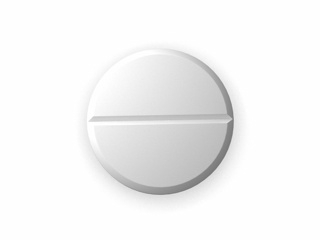
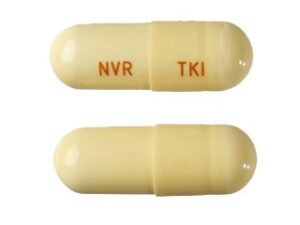
- Common form: Oral tablets
- Therapeutic class: Selective oestrogen receptor modulator (SERM)
- Typical strength (varies by brand): Commonly 10 mg, 20 mg tablets
- How it’s taken: By mouth, usually once or twice daily depending on the regimen
Note: Brand names and tablet strengths vary. Always follow the product pack and instructions provided with your specific medicine.
2. How tamoxifen works (mechanism of action)
Tamoxifen is a Selective Oestrogen Receptor Modulator (SERM). It binds to oestrogen receptors and can either block or stimulate oestrogen effects depending on the tissue.
- In breast tissue: Tamoxifen primarily acts as an oestrogen antagonist, blocking oestrogen from stimulating tumour growth.
- In other tissues: It can behave differently (for example, it may have partial oestrogen-like effects on some cells, while blocking it in others).
Once taken, tamoxifen is metabolised in the liver to more active forms (notably endoxifen), which contribute significantly to its anti-cancer activity.
3. Pharmacokinetics (how the body processes it)
Understanding pharmacokinetics can help explain timing, side effects, and why some drug interactions matter.
| Topic | What typically happens |
|---|---|
| Absorption | Tamoxifen is absorbed after oral administration. Food may slightly affect absorption, but the main consideration is tolerability and consistent timing. |
| Distribution | It distributes throughout the body, including tissues relevant to cancer therapy. |
| Metabolism | Primarily metabolised in the liver. Conversion to active metabolites (including endoxifen) depends on liver enzymes, particularly CYP2D6. |
| Elimination | Elimination occurs mainly via metabolism and excretion pathways. Tamoxifen has a relatively long half-life, meaning it stays in the body for an extended period. |
| Clinical implication | Interactions that affect CYP2D6 can reduce effectiveness, while side effects may persist for some time due to long-term exposure. |
4. Typical uses (indications)
Tamoxifen is used for oestrogen receptor–positive (and/or hormone-sensitive) breast cancer. Depending on the individual’s situation, it may be used for:
- Early breast cancer (adjuvant therapy): To reduce the risk of recurrence after primary treatment (such as surgery ± radiotherapy/chemotherapy).
- Prevention (risk reduction): In certain high-risk situations, as determined by clinicians.
- Metastatic (advanced) breast cancer: In cases where the cancer is hormone-receptor positive.
- Ductal carcinoma in situ (DCIS): In appropriate patients to reduce the risk of developing invasive disease (based on clinical assessment).
Important: Tamoxifen is not usually effective for hormone-receptor–negative cancers. The specific indication should be based on receptor testing and clinical factors.
5. Dosing – how it’s typically taken
Dosing varies by indication and individual patient factors. Your exact dose and schedule should match the plan from your treating team.
Common dosing patterns include:
- Once daily: Frequently used in many settings (often 20 mg once daily).
- Twice daily: Sometimes used in specific protocols, depending on tablet strength and clinical guidance.
If you miss a dose:
- Take it as soon as you remember if it is close to the next dose.
- If the next dose is near, skip the missed dose.
- Do not double up to make up for a missed tablet.
Consistency matters: Try to take tamoxifen at the same time each day. If you find mornings difficult due to nausea or fatigue, consider taking it at a time that better suits you (while keeping the schedule consistent).
6. Timing – best time of day to take tamoxifen
Tamoxifen can generally be taken at any time of day. The best time is the one you can stick to reliably.
- With food: Many people find it easier to tolerate when taken with or after a meal.
- Morning vs evening: Choose based on your side effects. If you experience nausea or appetite changes, taking with food may help. If you notice night-time symptoms, consider shifting to earlier in the day.
- Same time daily: Helps maintain steadier levels and supports adherence.
7. Food interactions and what to watch for
General food effects: Food does not usually create a major interaction with tamoxifen. However, taking it with food may improve tolerance and reduce stomach upset for some people.
Practical considerations:
- If you experience nausea, taking tamoxifen after a meal can help.
- Maintain a balanced diet, particularly if you experience taste changes, appetite changes, hot flushes, or fatigue.
Herbal supplements: Some herbal products may affect liver enzymes or increase side effect risk. If you use supplements such as St John’s wort or other “hormone” products, discuss them with a healthcare professional before starting or continuing them.
8. Alcohol interactions
Moderate alcohol use is not always strictly contraindicated for tamoxifen, but it can affect:
- Liver function (tamoxifen is metabolised in the liver)
- Side effects such as nausea, dizziness, fatigue, and mood changes
- Risk management if you develop symptoms that require prompt medical review
Safety tip: If you drink alcohol, consider keeping it moderate and avoid binge drinking. Tell your clinician if you have liver disease or elevated liver enzymes.
9. Medicine interactions (including important enzyme interactions)
Tamoxifen effectiveness and safety can be influenced by other medicines, especially those that affect liver enzymes involved in its activation.
9.1 Medicines that may reduce tamoxifen effectiveness
Tamoxifen requires liver enzymes to convert it to active metabolites (including endoxifen). Some medicines can reduce this conversion.
- Certain antidepressants: Some are known to inhibit CYP2D6, which may lower endoxifen levels.
- Other CYP2D6 inhibitors: Additional medicines that inhibit CYP2D6 may have similar effects.
What to do: If you take an antidepressant (or any long-term medicine), check with your pharmacist or prescriber about interaction risk before making changes.
9.2 Medicines that increase bleeding risk
Tamoxifen may increase risk of clotting and, in some contexts, may influence bleeding tendencies when combined with other medicines that affect clotting.
- Anticoagulants and antiplatelet agents (e.g., warfarin, apixaban, rivaroxaban, clopidogrel) may require careful monitoring depending on your situation.
- NSAIDs and other medicines that affect bleeding may also be relevant depending on dose and duration.
What to do: Don’t start, stop, or change dose of blood-thinning medications without medical advice.
9.3 Hormone and reproductive medicines
- Contraceptives: Hormonal contraception may not always be appropriate. Barrier methods may be recommended depending on your plan.
- Other hormone therapies: Discuss any other hormonal treatments with your clinician.
9.4 Cancer treatment combinations
Tamoxifen may be used alongside other cancer therapies, but the specific combination should be tailored to your cancer type, stage, and overall health.
10. Safety profile – common and serious side effects
Like all medicines, tamoxifen can cause side effects. Many are manageable, while a few require urgent medical attention.
10.1 Common side effects
- Hot flushes (one of the most common)
- Nausea
- Fatigue
- Vaginal dryness or discharge changes
- Irregular menstrual periods (in premenopausal patients)
- Headache
- Muscle or joint aches
- Skin rash in some people
10.2 Serious side effects – seek urgent medical help
Contact a doctor promptly or seek urgent care if you experience symptoms suggestive of serious complications:
- Signs of blood clots such as:
- Sudden shortness of breath
- Coughing blood
- Pain, swelling, warmth in one leg
- Chest pain
- Stroke symptoms such as facial drooping, weakness, confusion, trouble speaking, or sudden severe headache
- Unusual vaginal bleeding or bleeding after menopause
- Severe allergic-type reactions such as swelling of the face/lips, severe rash, wheezing, or difficulty breathing
Why this matters: Tamoxifen can increase the risk of certain clotting events and can affect the uterus in some patients.
10.3 Uterus and endometrium considerations
Because tamoxifen has partial oestrogen-like effects on the uterine lining, it can increase the risk of endometrial changes in some patients. Report any of the following:
- New or persistent abnormal vaginal bleeding
- Any bleeding after menopause
- Pelvic pain or pressure
11. Practical use tips (patient-friendly)
- Set a routine: Choose a time you can remember and use reminders if helpful.
- Take with food if needed: Helps reduce nausea for many people.
- Manage hot flushes: Keep cool, dress in layers, use fans/ventilation, and limit triggers such as spicy foods and excessive heat.
- Look after vaginal comfort: Vaginal moisturisers/lubricants may help dryness. Ask your pharmacist for options compatible with your situation.
- Keep a side-effect diary: Tracking symptoms can help your clinician adjust supportive care.
- Review your medicines regularly: Tell your pharmacist about any new prescriptions, over-the-counter products, or supplements.
- Don’t stop suddenly: If you feel unwell or side effects are difficult, contact your healthcare team before stopping.
12. Alternative options (what else might be used)
Depending on the clinical situation—especially menopausal status, cancer stage, receptor status, and tolerance—other options may be considered.
- Other SERMs: Such as raloxifene in certain contexts (not always for breast cancer treatment).
- Oestrogen receptor downregulators/other hormonal agents: Depending on indication and individual factors.
- Switching to aromatase inhibitors: Frequently used in postmenopausal patients (under clinician guidance). These differ from tamoxifen and have different side effect profiles.
- Supportive care and symptom management: Even when continuing tamoxifen, doctors may add supportive treatments for hot flushes, mood changes, or pain.
Your clinician can explain which options are most suitable for your diagnosis and overall risk profile.
13. Market and legal context for Australia
In Australia, tamoxifen is supplied under the Australian medicines regulatory framework. Availability and supply are managed to ensure safe use and appropriate monitoring for eligible patients.
Key practical points for patients in Australia:
- Quality and regulation: Tamoxifen products sold through Australian pharmacies must meet regulatory requirements.
- Safety checks: Pharmacists may ask about your current medicines, medical history, and other factors that could affect safety.
- Ongoing review: Ongoing clinical monitoring may include checking for side effects and addressing concerns.
- Supply pathways: Pharmacies may source medicines through approved channels based on availability and brand/strength requirements.
Recent guidance may vary over time and can include updates about safe prescribing, monitoring, and interaction management. If you’d like, you can ask your pharmacist to check for the most current advice relevant to your therapy.
14. Recent guidance and monitoring (what patients should know)
Guidance around tamoxifen often emphasises:
- Drug–drug interaction review, particularly with medicines that can affect tamoxifen activation
- Monitoring for clotting symptoms and educating patients about warning signs
- Uterine/endometrial awareness (reporting abnormal bleeding promptly)
- Symptom support for common issues like hot flushes, mood changes, and vaginal dryness
If you have questions about interactions with antidepressants or other long-term treatments, it’s helpful to provide an updated list of your medicines to your pharmacist.
15. Delivery and availability (online pharmacy considerations)
Online pharmacies in Australia typically aim to make ordering straightforward while maintaining safe supply. Availability can depend on:
- Tablet strength and brand (e.g., 10 mg vs 20 mg)
- Local pharmacy stock and distribution schedules
- Supply continuity and any temporary shortages affecting certain brands
Delivery expectations:
- Delivery times can vary by location and courier schedules.
- Some medicines may require identity or verification steps before dispatch.
- Track your order using the provided tracking information when available.
Storage at home: Keep tablets in a cool, dry place, away from direct sunlight. Store in the original packaging and out of reach of children.
16. Storage, handling, and when to seek help
- Store as indicated on the product label.
- Keep tablets in their original container to protect from moisture.
- If you miss doses or your side effects worsen, speak to a healthcare professional promptly.
- Emergency warning: If symptoms suggest a clot or stroke, seek emergency care immediately.
17. FAQ – Frequently asked questions
Is tamoxifen the same for everyone?
No. The dose and schedule vary depending on the reason you’re taking it (for example, early-stage treatment, prevention, or advanced disease), your menopausal status, and your individual health factors.
How long does tamoxifen take to start working?
Tamoxifen’s metabolites begin to form after dosing, but the full benefit is usually assessed over weeks to months, depending on the indication. Your clinician will discuss expected timelines for your situation.
Can I take tamoxifen with food?
Yes. Taking it with or after a meal may reduce nausea and improve tolerability. Try to keep your routine consistent.
What about hot flushes—are there practical ways to manage them?
Common strategies include dressing in layers, using fans, avoiding overheating, and identifying personal triggers (spicy foods, caffeine, alcohol, or warm environments). Ask your pharmacist about symptom-support options compatible with your treatment plan.
Are there interactions with antidepressants?
Some antidepressants can interfere with tamoxifen activation by affecting liver enzymes (notably CYP2D6). It’s important to review your full list of medicines with a pharmacist or clinician before starting any antidepressant or changing your current one.
Can I drink alcohol while taking tamoxifen?
Moderate alcohol use may be possible for some people, but alcohol can worsen fatigue, nausea, and may affect the liver. Keep alcohol moderate and speak with your clinician if you have liver-related concerns or experience side effects.
What should I do if I notice abnormal bleeding?
Report any unusual vaginal bleeding promptly, especially if you are postmenopausal. Seek medical attention urgently if bleeding is heavy or associated with dizziness, fainting, or severe pain.
What are the warning signs of a blood clot?
Seek urgent medical care if you develop sudden shortness of breath, chest pain, coughing blood, or leg swelling/pain (often in one leg). These symptoms require immediate assessment.
Are there alternative medicines if I can’t tolerate tamoxifen?
Possibly. Depending on your cancer type, stage, receptor status, and menopausal status, clinicians may consider different hormonal therapies or supportive treatments to manage side effects.
How should tamoxifen be stored?
Store tablets at room temperature in a cool, dry place, away from moisture and direct sunlight. Keep out of reach of children and in the original packaging.
Summary
Tamoxifen is a widely used oral SERM that helps treat and reduce the risk of hormone-receptor–positive breast cancer by blocking oestrogen’s effects in breast tissue. Its safety and effectiveness depend on appropriate dosing, careful attention to drug interactions (especially with medicines affecting CYP2D6), and awareness of important warning signs such as blood clot symptoms and abnormal uterine bleeding.
If you have questions about how to take tamoxifen, managing side effects, or checking interactions with your current medicines, your pharmacist is a great resource for individual guidance.