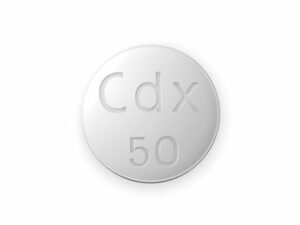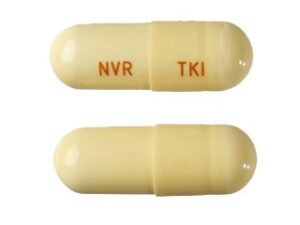


Alkacel (Melphalan) – Patient-Friendly Medicine Information (Australia)
Alkacel is a brand of the chemotherapy medicine melphalan. It is used to treat certain cancers, including diseases of the blood and bone marrow. This page provides clear, practical information about what Alkacel is, how it works, how it’s used, and what to expect.
If you’re unsure about any part of your treatment plan, talk to your treating oncology team. Medicine decisions and monitoring are tailored to the individual.
Basic product information
- Medicine name: Alkacel (melphalan)
- Class: Cytotoxic chemotherapy (alkylating agent)
- Common forms: Alkacel may be provided as tablets and/or injections depending on local supply and treatment regimen.
- Where it’s used: Specialist oncology settings across Australia
- Who it’s for: Adults with specific cancer types and treatment schedules
Note: Always confirm the exact form (tablet vs injection), strength, and schedule that applies to you by checking your product packaging and your treatment instructions.
How Alkacel works (mechanism of action)
Melphalan belongs to a group of medicines called alkylating agents. These drugs damage the DNA inside cancer cells. By interfering with DNA replication and cell division, Alkacel helps slow or stop the growth of rapidly dividing cancer cells.
Cancer cells are generally more sensitive to chemotherapy than most normal cells, which is why these treatments can be effective. However, because some healthy cells also divide quickly (for example, in the bone marrow and digestive tract), side effects can occur.
Pharmacokinetics (how the body handles it)
“Pharmacokinetics” describes what the body does to a medicine—absorption, distribution, metabolism, and elimination. Exact values can vary based on the dose, formulation, and the patient’s condition.
General points
- Absorption (tablets): Melphalan is absorbed after oral administration, but absorption can be reduced by food (see “Food interactions”).
- Distribution: It distributes into tissues and can reach areas affected by malignancy.
- Metabolism: Melphalan is metabolised primarily in the liver (and other tissues), forming active and inactive metabolites.
- Elimination: It is cleared from the body mainly through hepatic metabolism and subsequent excretion of metabolites.
Because Alkacel can affect the bone marrow, blood counts are monitored closely during treatment.
Typical uses and indications
Alkacel (melphalan) is used in oncology to treat certain cancers, often as part of combination therapy or conditioning regimens. Common indications include:
- Multiple myeloma: Often in combination with other agents or as part of transplant-related treatment plans.
- Some haematological (blood) malignancies: Depending on the regimen and clinical guidelines.
- Conditioning regimens prior to stem cell transplantation: In selected patients (usually under specialised protocols).
Your oncology team will choose Alkacel based on the cancer type, stage, overall health, prior treatments, and planned treatment schedule.
Dosing and timing
Dosing depends on the specific treatment plan, cancer type, regimen, body surface area (for some protocols), kidney/liver function, and blood counts. Different schedules exist, including cycles spaced over weeks.
Important: Do not change your dose or schedule without guidance from your treating team.
Timing considerations
- Follow your regimen schedule closely (cycle day instructions can be critical).
- Consistency matters: If you are taking tablets, take them exactly as directed regarding timing with meals and water.
- Blood tests: You may need frequent blood tests to assess blood counts before and during each cycle.
Missed dose guidance
If you miss a dose, contact your treating team or the pharmacist for advice. With chemotherapy medicines, missed dosing can require schedule adjustments. Guidance may differ depending on the regimen and timing.
Food interactions (tablets)
Food can affect how much melphalan is absorbed. For many oral chemotherapy regimens, taking melphalan with food may reduce absorption.
Practical advice:
- Take Alkacel as directed regarding meals (for example, some instructions may specify taking on an empty stomach or with a specific interval from food).
- Avoid sudden dietary changes that could affect your schedule around doses.
- If you vomit soon after a dose, contact your healthcare team for advice—do not automatically repeat the dose unless instructed.
If you’re using Alkacel tablets, check your product label and the medication instructions provided to you. Always confirm the meal-related instructions for your specific regimen.
Alcohol interactions
Alcohol may increase the risk of side effects such as nausea, dizziness, dehydration, and liver stress—issues that can already be present with chemotherapy.
General recommendations:
- Limit alcohol or avoid it during treatment unless your doctor says it’s safe for you.
- If you drink alcohol, discuss with your oncology team—your suitability may depend on liver function, blood counts, and the rest of your regimen.
Chemotherapy can also affect your immune system. Alcohol-containing mouthwashes and products should be used cautiously, especially if you develop mouth sores.
Medicine interactions (what to tell your clinician)
Alkacel can interact with other medicines. Some interactions may change blood levels, effectiveness, or the risk of side effects. Not all interactions are predictable, so provide a complete list of medicines to your treating team.
Be sure to mention
- Other chemotherapy or cancer treatments
- Medicines that affect the bone marrow (or increase infection risk)
- Vaccines (some vaccines may not be recommended during periods of low immunity)
- Antibiotics, antivirals, or antifungals you are taking
- Herbal products (for example, St John’s Wort may affect metabolism of some medicines)
- Over-the-counter medicines and supplements
If you take medicines for nausea, pain, infections, reflux, or allergies, tell your pharmacist/oncology team so they can check for compatibility with your Alkacel regimen.
Safety profile: common and serious side effects
Alkacel can cause a range of side effects. Many are related to its effect on rapidly dividing cells in the bone marrow and lining of the gut. The severity varies from person to person and depends on dose and combination treatments.
Common side effects
- Low blood counts (bone marrow suppression): increased risk of infection, anaemia, and bleeding/bruising
- Nausea and vomiting
- Diarrhoea or constipation
- Mouth sores (mucositis)
- Hair thinning (may occur with certain regimens)
- Fatigue
- Loss of appetite
Serious but less common risks
- Severe infections if white blood cells drop
- Bleeding if platelet counts are low
- Severe allergic reactions (uncommon)
- Organ toxicity (risk depends on regimen and patient factors)
- Secondary malignancies: like many chemotherapy agents, melphalan can rarely contribute to later cancers
When to seek urgent help
Contact your medical team urgently or seek emergency care if you experience:
- Fever (especially during periods of low white blood cells)
- Chills, severe flu-like symptoms
- Uncontrolled bleeding or unusual bruising
- Severe shortness of breath or chest pain
- Severe persistent vomiting or inability to keep fluids down
- Signs of dehydration (very low urine, dizziness, fainting)
Practical use tips (patient checklist)
The goal is to help you take Alkacel safely and manage side effects as effectively as possible.
Before each cycle
- Have your blood tests done as scheduled.
- Review your medication list with your pharmacist/oncology team.
- Plan anti-nausea medicines if prescribed—taking them early often helps.
- Ask about infection prevention steps (hand hygiene, avoiding sick contacts, wound care).
During treatment
- Hydration: drink fluids as advised; dehydration can worsen fatigue and constipation.
- Mouth care: use a gentle oral care routine; report mouth pain early.
- Nutrition: small, frequent meals may help if appetite is reduced.
- Sun protection: if you experience skin sensitivity, protect exposed skin.
- Avoid exposure to infections: maintain good hygiene and follow any protective isolation advice.
Handling and storage
Chemotherapy medicines require careful handling. Follow instructions on the packaging. If you have tablets at home, store them exactly as directed and keep them out of reach of children.
If you are handling medication for yourself or another person, ask your pharmacist about safe preparation and disposal.
Administration forms: tablets vs injection (general notes)
Alkacel may be used in different forms depending on the regimen.
- Oral tablets: commonly taken on schedule and often with specific instructions regarding meals.
- Injection/infusion: usually administered in a healthcare setting by trained staff using sterile preparation procedures.
Always confirm which form you are using. If your plan changes (for example, switching to a transplant conditioning regimen), the schedule and supportive care may also change.
Alternative treatment options
“Alternative options” depend on your exact cancer diagnosis, stage, previous treatments, and overall health. In Australia, oncology decisions are guided by specialist protocols and evidence-based clinical guidelines.
Examples of alternatives (not a complete list)
- For multiple myeloma: other chemotherapy and targeted therapies may be used (for example, combinations that include agents such as immunomodulators and proteasome inhibitors—your doctor will determine suitability).
- For transplant conditioning (selected cases): other conditioning regimens may be considered depending on patient risk factors and centre protocols.
Your oncology team can explain why melphalan is recommended for your particular situation, and what other options exist if circumstances change (for example, side effects, disease response, or transplant considerations).
Market and legal context for Australia
Alkacel (melphalan) is used in specialist cancer care in Australia. Chemotherapy medicines are regulated to ensure safe supply, proper labelling, and appropriate prescribing and monitoring pathways. Availability may vary by formulation and supplier.
Treatment also depends on established Australian clinical practice, local hospital protocols, and governing bodies that oversee medicines and therapy guidance.
If you are comparing pharmacies or websites, choose reputable suppliers and ensure the product you receive matches your intended regimen (correct strength and form). For cancer medicines, verifying supply details is essential.
Recent guidance and monitoring themes
While individual protocols differ, common current themes in chemotherapy guidance include:
- Stricter infection risk management with proactive monitoring during periods of low immunity.
- Individualised supportive care for nausea, mouth care, constipation/diarrhoea, and fatigue.
- Frequent blood count monitoring to guide dosing and reduce complications.
- Review of drug–drug interactions to minimise unexpected toxicity.
Your oncology team may also update your regimen based on response to treatment and any side effects you experience.
Delivery and availability
Availability of chemotherapy medicines can vary due to manufacturing batches, distribution schedules, and hospital dispensing arrangements. Online pharmacies in Australia typically may:
- Confirm stock and expected timelines prior to dispatch
- Coordinate delivery with your treatment schedule
- Provide product information and storage instructions
Delivery tips:
- Place orders early enough to accommodate processing time.
- Ensure someone is available to receive the delivery (where required).
- Follow storage instructions immediately on receipt.
If you need Alkacel for a specific cycle day, ask the pharmacy about lead times and whether delivery can be scheduled to match your oncology appointments.
Alkacel FAQ
1) What is Alkacel used for?
Alkacel (melphalan) is used to treat certain cancers, including some blood and bone marrow cancers such as multiple myeloma, and may be used as part of transplant-related treatment protocols in selected patients.
2) How does Alkacel make cancer cells less able to grow?
It damages DNA in cancer cells, disrupting their ability to divide and multiply. It also affects normal rapidly dividing cells, which can lead to side effects such as low blood counts.
3) When should I take Alkacel tablets relative to food?
Food can reduce absorption for many oral chemotherapy regimens. Follow the specific meal instructions provided for your prescription and label. If you are unsure, ask your pharmacist or oncology team before your next dose.
4) Can I drink alcohol while taking Alkacel?
It’s generally advised to limit alcohol or avoid it during chemotherapy because alcohol can worsen nausea, dehydration, and potential liver stress. Check with your oncology team for advice tailored to your health and treatment regimen.
5) What side effects are most common?
Common effects include nausea/vomiting, fatigue, diarrhoea or constipation, mouth sores, and low blood counts (which can raise infection and bleeding risks).
6) How will my safety be monitored?
Blood tests are typically monitored frequently to assess white blood cells, red blood cells, and platelets. Your team may adjust timing or supportive medicines depending on results and symptoms.
7) What should I do if I develop a fever?
Fever during chemotherapy can indicate infection and can become serious quickly. Contact your medical team immediately or seek urgent care, especially if you are near or within periods of low white blood cells.
8) Are there alternatives to Alkacel?
Often, yes—alternatives depend on your diagnosis and overall plan. Your oncology specialist can explain options such as other chemotherapy combinations, targeted therapies, or different conditioning regimens where relevant.
9) Can other medicines interact with Alkacel?
Yes. Always provide your complete medicine list (including over-the-counter medicines and herbal products) to your pharmacist/oncology team. Interactions can affect toxicity risk or treatment effectiveness.
10) How do I prepare for delivery?
Confirm your expected arrival date and storage instructions. Place orders early and ensure you can receive the delivery. Ask the pharmacy about lead times if your cycle depends on specific dates.
Summary table: key practical information
| Topic | What to know |
|---|---|
| Medicine | Alkacel (melphalan), a chemotherapy alkylating agent |
| How it works | Damages DNA in cancer cells, disrupting cell division |
| Common use | Cancers such as multiple myeloma and selected transplant-related protocols |
| Food interaction | Food can reduce oral absorption—follow your exact meal instructions |
| Alcohol | Generally avoid or limit to reduce nausea, dehydration, and liver stress |
| Monitoring | Frequent blood tests to monitor infection and bleeding risk |
| Common side effects | Low blood counts, nausea/vomiting, diarrhoea/constipation, mouth sores, fatigue |
| Urgent signs | Fever, severe infection symptoms, uncontrolled bleeding, persistent vomiting |
Disclaimer: This information is intended to help you understand Alkacel (melphalan) in general terms. It does not replace medical advice from your oncology team. Always follow your personalised treatment plan and medication instructions.