
Nolvadex (Tamoxifen) — Patient Guide (Australia)
Nolvadex is the brand name for tamoxifen, a medicine widely used in Australia for certain hormone-related breast conditions. This guide explains how Nolvadex works, what it’s used for, how it’s typically taken, important safety information, and practical tips to help you use it more confidently.
Please note: information below is general. Your prescriber and pharmacist may tailor advice to your individual situation, including dose and duration.
Quick product overview
| Category | Details |
|---|---|
| Medicine | Nolvadex (tamoxifen) |
| Medicinal ingredient | Tamoxifen (a Selective Estrogen Receptor Modulator, SERM) |
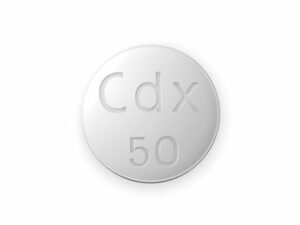
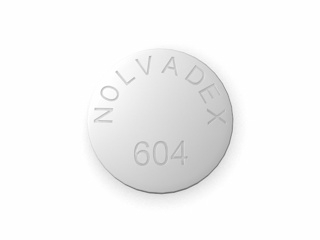
| Common forms | Tablets (strengths commonly include 10 mg and 20 mg in many markets) |
| How it’s taken | By mouth, usually once daily or divided as directed |
| Typical timeframe | Often used for months to years depending on the indication |
| Key safety themes | Blood clot risk, endometrial (uterine) effects, vision changes, interactions with some medicines |
How Nolvadex works (mechanism of action)
Tamoxifen belongs to a group called Selective Estrogen Receptor Modulators (SERMs). It acts on estrogen receptors, but its effects can differ between tissues.
- Breast tissue: Tamoxifen generally blocks estrogen’s effects on estrogen receptors, helping reduce stimulation of certain hormone-sensitive breast cancers.
- Some other tissues: Tamoxifen can act more like a partial estrogen in certain settings (for example, effects on bone or cholesterol), while still blocking estrogen in others.
- Overall effect: It helps prevent or slow the growth of estrogen-receptor positive (ER+) breast cancer and may be used in other hormone-related scenarios as determined by your clinician.
Pharmacokinetics (how the body processes tamoxifen)
Understanding pharmacokinetics can help explain why consistent dosing and medicine-interaction checks matter.
- Absorption: Tamoxifen is absorbed after oral dosing. Absorption may vary among individuals.
- Metabolism: Tamoxifen is processed in the liver by enzyme systems (notably CYP2D6) into active metabolites, including endoxifen.
- Active metabolites: Endoxifen contributes to tamoxifen’s therapeutic effects. Medicines that strongly affect CYP2D6 can reduce active metabolite formation.
- Half-life: Tamoxifen and its metabolites persist for a long time. Even after stopping, effects may continue due to prolonged presence in the body.
- Steady state: With regular dosing, tamoxifen levels reach a stable pattern over time.
What this means for you: taking Nolvadex consistently and reviewing drug interactions is important for effectiveness and safety.
Typical uses of Nolvadex
Nolvadex is used for several breast-related indications where hormone receptors are involved or where estrogen blockade is beneficial. Specific eligibility depends on tumour features, your overall health, and your treatment plan.
- Early breast cancer (ER+): To reduce recurrence risk and improve long-term outcomes as part of a comprehensive treatment plan.
- DCIS (ductal carcinoma in situ) in selected situations: In some cases, to reduce the risk of developing invasive breast cancer, based on clinical assessment.
- Metastatic or advanced breast cancer: Particularly for ER+ disease, to help control progression and symptoms.
- Hormone-related risk reduction: Tamoxifen has been used in appropriate patients for prevention of certain types of breast disease, based on risk factors and clinical criteria.
Your doctor may confirm ER/PR status (estrogen receptor/progesterone receptor) and consider other factors such as menopausal status, prior therapies, and overall risk–benefit.
Indications and eligibility (what determines whether it’s appropriate)
Nolvadex is most often considered when the condition is estrogen receptor positive or otherwise likely to respond to estrogen-receptor modulation. Your treating team may also consider:
- Receptor status: ER (and sometimes PR) results from pathology tests.
- Disease stage: early vs advanced/metastatic.
- Prior treatments: surgery, chemotherapy, radiotherapy, and other hormonal therapies.
- Menopausal status: premenopausal, postmenopausal, or perimenopausal.
- Overall risk factors: such as history of blood clots or uterine issues.
How to take Nolvadex: timing and dosing approach
Nolvadex is taken by mouth in tablet form. Timing can influence how convenient dosing feels, but the key is to take it consistently at the same time each day when possible.
Typical dosing (general information)
The exact dose and schedule depend on the indication and your clinical situation. Common approaches include:
- Once-daily dosing in many regimens.
- Sometimes dosing may be split or adjusted in specific clinical contexts.
Because individual regimens vary, always follow your clinician’s instructions and the medicine packaging directions.
What time of day?
- Choose a time that you can keep reliably (e.g., morning with breakfast or evening with dinner).
- If you experience nausea or other side effects, taking it with food or at a time you feel better may help (see food section below).
If you miss a dose
- Take the missed dose as soon as you remember if it’s close to the time your next dose is due.
- If it’s almost time for the next dose, skip the missed dose—do not take a double dose.
- If you’re unsure, ask your pharmacist for advice tailored to your schedule.
Food interactions: can you take Nolvadex with meals?
Nolvadex can generally be taken with or without food. However, food may affect comfort (for example, nausea or stomach upset) rather than the overall action of the medicine.
- If you feel nauseated, try taking Nolvadex with a meal or shortly after food.
- Avoid sudden changes to your diet and supplements without checking with your pharmacist if you have complex medication regimens.
There are no universally required fasting rules for tamoxifen, but your individual response may guide whether you prefer morning or evening dosing with food.
Alcohol and medicine interactions
Alcohol
Alcohol is not usually a direct contraindication for tamoxifen. However, alcohol can increase the risk of certain side effects such as dizziness, nausea, and fatigue, and may affect liver health in higher or frequent consumption. If you drink alcohol, consider:
- Keep intake moderate and consistent.
- Avoid binge drinking, especially if you notice worsened side effects.
- Discuss with your clinician if you have liver disease or abnormal liver tests.
Medicine interactions (important)
Tamoxifen effectiveness can be affected by medicines that strongly influence liver enzymes—especially CYP2D6.
- Some antidepressants (SSRIs and others) may interfere with CYP2D6 activity. Examples include medicines sometimes used for depression or anxiety. Don’t start, stop, or switch antidepressants without professional advice.
- Other liver enzyme–affecting drugs may alter tamoxifen metabolism or increase side effects.
- Blood thinners (anticoagulants) may increase bleeding risk depending on the medication and your health profile.
- Medicines that affect clotting risk (or hormonal therapies) may require extra caution.
Before you start Nolvadex, tell your healthcare team about all medicines you take, including:
- over-the-counter products
- vitamins and herbal supplements (including St John’s wort)
- pain relief medications
- new or recently changed prescriptions
Your pharmacist can help check for interactions and may recommend alternatives where needed.
Safety profile: common and serious side effects
Like all medicines, Nolvadex can cause side effects. Some are common and manageable, while others are uncommon but important to recognise early.
Common side effects
- Hot flushes and sweating
- Vaginal dryness or discharge changes
- Nausea (sometimes improved by taking with food)
- Fatigue
- Headache
- Muscle or joint aches
Important serious risks (seek urgent help if symptoms occur)
The following risks require prompt attention. Go to emergency care or seek urgent medical advice if symptoms suggest these conditions.
- Blood clots (venous thromboembolism): watch for swelling or pain in one leg, shortness of breath, chest pain, coughing blood, or sudden worsening breathing.
- Stroke or transient ischemic attack: sudden facial droop, weakness, numbness on one side, speech difficulties, or sudden severe headache.
- Endometrial (uterine) changes: report unusual vaginal bleeding, spotting, heavier or prolonged bleeding, pelvic pain, or changes in discharge—particularly after menopause.
- Eye/vision changes: seek medical advice for new blurred vision, vision loss, or persistent eye symptoms.
- Liver problems (rare): yellowing of skin/eyes (jaundice), dark urine, severe abdominal pain, or persistent vomiting.
Fertility and sexual health considerations
- Nolvadex can affect reproductive hormones. If you are premenopausal, discuss contraception and family planning with your healthcare team.
- Vaginal dryness and comfort changes are relatively common; moisturisers and clinician-guided options may help.
When side effects feel difficult
Don’t stop the medicine on your own. Speak to your pharmacist or prescriber about treatments for hot flushes, nausea, or vaginal symptoms. Many side effects can be managed with supportive measures or medication adjustments.
Practical use tips (how to stay on track)
- Set a routine: link dosing to a daily habit (breakfast, brushing teeth, evening meal).
- Use reminders: phone alarms, pill boxes, or pharmacy refill notifications.
- Keep a side-effect diary: note hot flush frequency, mood changes, and any bleeding or vision symptoms. This helps clinicians tailor support.
- Review medicines regularly: whenever you start a new medicine, check interactions with your pharmacist.
- Attend monitoring: follow-up appointments are important for ongoing assessment of benefits and risks.
- Know red flags: familiarise yourself with clot and uterine bleeding symptoms so you can act quickly.
Alternative options to Nolvadex
Depending on the indication, receptor status, and personal risk profile, clinicians may consider other hormonal therapies. Alternatives may include:
- Other SERMs (depending on availability and indication)
- Aromatase inhibitors (more commonly used in postmenopausal settings or as part of combination regimens)
- Ovarian suppression strategies for selected premenopausal patients (to reduce estrogen production)
- Targeted therapies or chemotherapy (for certain advanced cases, depending on tumour characteristics)
Your best option depends on multiple factors including menopausal status, ER/PR status, previous treatments, side effect tolerability, and clot/uterine risk.
Market and legal context in Australia (what to expect)
In Australia, tamoxifen-containing brands such as Nolvadex are regulated medicines. Their supply and use are managed under Australian healthcare standards, including responsibilities for pharmacists and prescribing clinicians within the wider care pathway.
- Quality and regulation: medicines available to Australians must meet regulatory requirements for quality, safety, and manufacturing.
- Pharmacy dispensing: medications may be supplied through community pharmacies or other approved supply channels, with appropriate patient counselling.
- Ongoing monitoring: clinicians may arrange follow-ups to evaluate side effects, effectiveness, and risk management.
Your local pharmacist can explain how Nolvadex is supplied and what documentation is required when you order through an Australian pharmacy.
Recent guidance and evolving best practice (high-level)
Treatment approaches for hormone receptor–positive breast disease may evolve as research updates clinical guidelines. Key themes in contemporary practice commonly include:
- Individualised choice of endocrine therapy based on ER status, menopausal status, and recurrence risk.
- Careful review of drug interactions (especially CYP2D6-related interactions) to maintain effectiveness.
- Risk management for clots and uterine effects, with prompt investigation of abnormal bleeding.
- Support for quality of life, such as hot flush and vaginal symptom management.
If you have questions about your particular situation, ask your pharmacist or treating team what “current guidance” means for your treatment plan.
Delivery and availability in Australia
Nolvadex (tamoxifen) may be available through established Australian pharmacy networks and online pharmacy services that deliver to eligible areas within Australia. Availability can vary depending on supply chains and tablet strength.
- Check stock status: Most online pharmacies show current availability for specific strengths.
- Delivery times: Delivery speed depends on your location and the pharmacy’s courier arrangements.
- Packaging: Medicines are typically supplied in tamper-evident packaging.
- Pharmacist support: A qualified pharmacist can often answer questions about how to take your medicine and interaction concerns.
When ordering, confirm the strength and quantity match your dosing plan and keep an eye on expiry dates on the packaging you receive.
FAQ (frequently asked questions)
1) Is Nolvadex the same as tamoxifen?
Yes. Nolvadex is a brand name that contains tamoxifen as the active ingredient.
2) How long does it take to work?
Some effects can occur relatively early, but treatment benefit—especially for risk reduction—often depends on long-term use. Your clinician will explain expected timelines for your specific indication.
3) Can I take Nolvadex with food?
Generally, yes. Taking it with food may help reduce nausea for some people.
4) What should I do if I get hot flushes?
Hot flushes are common. Strategies include dressing in layers, managing triggers (spicy foods, heat), hydration, and discussing options with your healthcare team. Do not stop Nolvadex without advice.
5) Does Nolvadex affect driving or alertness?
Many people can drive normally. However, fatigue, dizziness, or visual changes can occur. If you feel unwell or notice vision changes, avoid driving and seek advice.
6) Can I drink alcohol while taking Nolvadex?
Moderate alcohol is not always prohibited, but it may worsen side effects and can affect liver health. If you drink, keep it moderate and discuss your situation with a pharmacist or clinician.
7) Are there medicines I must avoid?
Some medicines—particularly certain antidepressants—may interfere with tamoxifen metabolism. Always provide your full medicine list to your pharmacist for interaction checks.
8) What bleeding changes should concern me?
Any unusual vaginal bleeding, spotting, or heavier/prolonged bleeding should be reported promptly, especially if you are postmenopausal. Seek medical advice rather than waiting.
9) What are the signs of a blood clot?
Look out for swelling or pain in one leg, sudden shortness of breath, chest pain, coughing blood, or sudden neurological symptoms (such as weakness on one side or difficulty speaking). If these occur, seek urgent medical help.
10) What if I miss a dose?
Take it when you remember if it’s close to the original time, unless it’s near your next dose. Don’t take a double dose. If unsure, contact a pharmacist.
Important reminder
Nolvadex (tamoxifen) is a well-established medicine used for hormone receptor–related breast conditions. By taking it consistently, keeping up with monitoring, and checking interactions with any new medicines or supplements, you can help maximise benefit and reduce risk.
If you’re experiencing side effects or you’re unsure about your regimen, speak with your pharmacist or healthcare team for personalised advice.