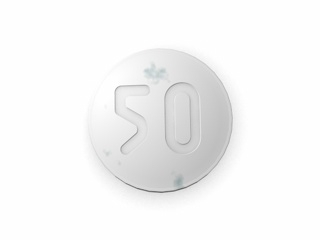


Cytoxan (Cyclophosphamide) – Patient Information (Australia)
Cytoxan is a brand name for cyclophosphamide, a chemotherapy medicine used to treat several serious conditions, including certain cancers and autoimmune diseases. This page explains how cyclophosphamide works, what to expect during treatment, important safety considerations, and practical tips for people in Australia.
Because cyclophosphamide affects rapidly dividing cells and can also influence immune function and blood counts, care is usually coordinated by specialist oncology or haematology teams.
Basic product information
| Item | Details |
|---|---|
| Generic name | Cyclophosphamide |
| Brand name | Cytoxan |
| Medicine type | Cytotoxic chemotherapy (alkylating agent) |
| How it may be used | Oral tablets or capsules, and in some settings intravenous administration |
| Common clinical settings | Cancer care, haematology, and selected autoimmune conditions |
| Key monitoring | Blood counts, kidney function, liver function, urine tests (for bladder irritation/hematuria) |
How Cytoxan works (mechanism of action)
Cyclophosphamide is a prodrug. In the body, it is metabolised mainly by the liver into active compounds that damage DNA.
- DNA alkylation: The active metabolites form chemical groups that bind to DNA strands.
- Cell death: This prevents cancer cells from dividing and triggers cell death.
- Immune effects: By affecting rapidly dividing immune cells, cyclophosphamide can reduce disease activity in certain autoimmune disorders.
The exact balance between anti-cancer and anti-immune effects depends on the dosing schedule and the condition being treated.
Pharmacokinetics (how the body handles cyclophosphamide)
Pharmacokinetics describes what the body does to the medicine—absorption, distribution, metabolism, and excretion.
- Absorption: Oral cyclophosphamide is absorbed from the gastrointestinal tract. Food can affect timing of absorption and blood levels for some people.
- Metabolism: Cyclophosphamide is metabolised in the liver (including enzymes such as CYP pathways) to active and inactive metabolites.
- Activation and toxicity: Active metabolites are responsible for both therapeutic effects and some side effects. Inactive metabolites are less damaging.
- Distribution: The medicine and metabolites distribute throughout the body, including into tissues where active drug effects are needed.
- Elimination: Cyclophosphamide metabolites are mainly eliminated via the kidneys and appear in urine.
Because the drug is eliminated through the urinary tract and can irritate the bladder, clinicians often use hydration and, in many regimens, bladder-protecting measures (for example, additional medications such as mesna) to lower the risk of bleeding cystitis.
Typical uses in Australia
Cyclophosphamide is used in specialist treatment programs for various conditions. Typical uses may include:
- Cancers, such as lymphomas and some solid tumours (often as part of combination chemotherapy)
- Leukaemias in selected regimens
- Haematological disorders including certain types of aggressive immune-related disease where chemotherapy is appropriate
- Autoimmune conditions in carefully selected patients (for example, some severe vasculitides or other immune-mediated diseases), where immunosuppressive treatment is needed
Your specialist team will tailor the regimen (drug combinations, schedule, and monitoring) to the specific diagnosis and your overall health.
How and when Cytoxan is taken or given (timing considerations)
Timing depends on whether cyclophosphamide is given as an oral dose or via injection/infusion. Oral regimens may be used in cycles, while intravenous regimens are often administered on specific days in a treatment cycle.
- Follow your treatment cycle schedule: Cyclophosphamide is commonly given in repeated cycles, with rest periods to allow recovery of blood counts.
- Bladder protection timing: If your regimen includes bladder-protecting medication (commonly used with higher doses), it is usually timed around cyclophosphamide administration.
- Hydration: Adequate fluid intake before and after dosing is often recommended to help reduce urinary tract irritation.
- Nausea prevention: Anti-sickness medicines are often provided to take before or with treatment.
If you are unsure about timing—especially around hydration, anti-sickness medicine, or bladder-protection doses—ask your treating team or pharmacist.
Food interactions
Food can influence how quickly cyclophosphamide is absorbed. In practice, many patients are advised to take cyclophosphamide either:
- with or after food to reduce stomach upset, or
- on an empty stomach if that is how their specific formulation and regimen requires.
The safest approach is to follow the instructions on your specific product label and the advice of your prescriber and pharmacist.
If you have digestion problems, vomiting, or diarrhoea, contact your healthcare team—absorption may be affected.
Alcohol interactions
Alcohol is not usually recommended during chemotherapy because it can worsen side effects and increase stress on the liver and body systems involved in drug metabolism and recovery.
- Increased risk of nausea and fatigue: Alcohol can compound common chemotherapy side effects.
- Liver strain: Cyclophosphamide is metabolised largely in the liver; alcohol may add extra burden.
- Blood count concerns: Alcohol can affect overall immunity and healing.
Discuss alcohol with your healthcare team. If you choose to drink, do so only if your specialist agrees it is appropriate for your situation.
Medicine interactions (important)
Cyclophosphamide can interact with other medicines, potentially changing its effects or increasing side effects. Always review your full list of medicines and supplements with your pharmacist—especially before starting any new product.
Common interaction categories
- Other chemotherapy or radiation: May intensify bone marrow suppression (low blood counts).
- Immunosuppressants: Can increase infection risk when combined.
- Blood thinners (anticoagulants): Treatment-related bleeding risk may be increased depending on platelet counts and the specific anticoagulant.
- Medicines affecting liver enzymes: Some medicines can increase or decrease cyclophosphamide metabolism.
- Medicines that irritate the bladder or affect urine output: May worsen urinary side effects.
- Vaccines: Live vaccines are generally avoided during periods of immune suppression; inactivated vaccines may be considered but timing matters.
Herbal products and supplements can also be involved in interactions. Tell your pharmacist about all non-prescription items you use.
Indications (when Cytoxan may be used)
Cyclophosphamide is indicated in a range of conditions. The most appropriate use depends on the diagnosis, stage/severity, and whether cyclophosphamide is part of a combination therapy plan.
- Cancers: Certain lymphomas and other malignancies, often in multi-drug regimens.
- Some immune-mediated diseases: Severe autoimmune conditions where immunosuppression is needed.
Your treating clinician will explain why cyclophosphamide has been selected and what outcomes they aim for, including how long treatment may take and how response will be measured.
Dose and administration (overview)
Cyclophosphamide dosing is individualised. Doses depend on factors such as:
- the specific diagnosis and treatment protocol
- body size (often calculated using body surface area)
- kidney and liver function
- age and general health
- baseline blood counts and previous treatment
- treatment intent (induction vs maintenance; curative vs palliative)
Regimens may be delivered as:
- Oral dosing on certain days of the cycle, or
- Intravenous dosing on specified schedule dates.
Your healthcare team sets the exact schedule, dose, and any supportive medications (such as anti-sickness drugs and bladder protection). Do not change the dose or timing without medical advice.
Safety profile and side effects
Cyclophosphamide can cause a range of side effects. Some are predictable and manageable with supportive care; others require urgent attention.
Most important risks
- Bone marrow suppression: Low white blood cells can lead to infections; low platelets can increase bleeding risk; low red blood cells can cause anaemia.
- Bladder/urinary tract irritation: Cyclophosphamide metabolites can irritate the bladder, sometimes causing blood in the urine or pain during urination.
- Nausea and vomiting: Often preventable with anti-sickness medicines.
- Hair thinning/hair loss: May occur depending on regimen and dose.
- Temporary or permanent fertility effects: Cyclophosphamide can affect reproductive function.
- Secondary cancers (rare): Very long-term risk may increase with certain exposures.
- Allergic reactions: Can occur, particularly with intravenous administration.
Less common but serious warning signs
Seek urgent medical care or contact your healthcare team immediately if you experience:
- Fever (for example, a temperature ≥ 38°C) or signs of infection
- Blood in urine, severe burning when urinating, or inability to pass urine
- Shortness of breath, chest pain, or fainting
- Unusual bruising or bleeding (nosebleeds that won’t stop, black/tarry stools, vomiting blood)
- Severe or persistent vomiting leading to dehydration
- Severe rash, swelling of face/lips, or difficulty breathing
Fertility and pregnancy/breastfeeding considerations
- Fertility: Cyclophosphamide may cause temporary or permanent infertility. Discuss fertility preservation options early.
- Pregnancy: Cyclophosphamide can harm an unborn baby. Reliable contraception is typically required, and pregnancy should be discussed urgently with the specialist team.
- Breastfeeding: Breastfeeding is generally not recommended during cyclophosphamide treatment due to potential risk to the infant. Ask your clinician for personalised advice.
Long-term considerations
- Blood count recovery: Monitoring continues between cycles to ensure safety.
- Kidney/liver monitoring: Regular tests may be performed based on your regimen.
- Heart considerations: In certain contexts and regimens, cardiotoxicity risk may be considered; your doctor will assess your overall risk profile.
Practical use tips (what can make treatment easier)
Before each dose
- Attend blood tests: Many regimens rely on blood results before continuing.
- Check hydration plan: Follow your team’s instructions on fluid intake and bladder protection.
- Plan anti-sickness medicine: Take nausea-prevention medicines as directed.
While taking cyclophosphamide (oral forms)
- Take exactly as directed: Do not double missed doses; ask your pharmacist what to do if you miss one.
- Swallow whole if instructed: Only handle tablets/capsules as directed by your product information.
- Wash hands: Good hygiene helps reduce contamination risks.
- Monitor urine symptoms: Report any burning, urgency, or blood promptly.
During treatment: infection prevention
- Hand hygiene: Wash hands regularly and encourage household contacts to do the same.
- Food safety: Follow advice about avoiding undercooked foods and unsafe leftovers.
- Avoid close contact with sick people: Ask your team about what to do when exposure occurs.
- Vaccinations: Ask the healthcare team which vaccines are safe and when.
Support for wellbeing
- Manage fatigue: Pace activities, use rest periods, and prioritise what matters most.
- Oral care: If mouth ulcers occur, ask about mouth rinses and oral hygiene strategies.
- Skin care: Use gentle moisturisers; ask about products safe during chemotherapy.
Alternative treatment options
Alternatives depend heavily on the diagnosis. Cyclophosphamide is often chosen because it works well in certain combinations or disease pathways.
For some conditions, doctors may consider alternatives such as:
- Other chemotherapy agents used in combination protocols
- Monoclonal antibodies or targeted therapies for specific cancers or immune diseases
- Different immunosuppressive medicines for certain autoimmune conditions
- Supportive care strategies to reduce symptoms and complications during treatment
Your specialist can explain what alternatives exist for your particular condition, including expected outcomes and side-effect differences.
Market and legal context for Australia
In Australia, cyclophosphamide-containing products are regulated medicines used in hospital and specialist settings. Availability may vary by formulation (for example, oral tablets/capsules or intravenous products) and by the specific brand listed.
- Regulatory oversight: Medicines in Australia are subject to assessment, scheduling, and quality standards.
- Specialist prescribing and monitoring: Because cyclophosphamide can significantly affect blood counts and urinary tract health, treatment is typically supervised with monitoring.
- Supply considerations: In some circumstances, medicine supply can be impacted by distribution and manufacturing availability. Your pharmacy can provide updates on stock and alternatives if required.
If you’re ordering through an online pharmacy, availability depends on local supply chains and medicine listing status at the time of dispatch.
Recent guidance and monitoring approach (general)
Guidance for chemotherapy safety is updated over time through clinical practice standards, cancer network recommendations, and evolving evidence. While specific recommendations vary by regimen, common current monitoring themes include:
- Close blood count monitoring to reduce infection and bleeding risk
- Urinary symptom vigilance and bladder protection in appropriate regimens
- Individualised supportive medicines (for example, anti-nausea medicines, infection prevention strategies if appropriate)
- Medication reconciliation to identify interactions
- Fertility and pregnancy counselling early before treatment begins
Your healthcare team may also adjust treatment based on your blood results, kidney/liver function, and overall tolerance.
Delivery and availability (online pharmacy)
Online medicine supply in Australia typically follows strict cold-chain requirements when needed and appropriate packaging and handling. Cyclophosphamide availability may vary by formulation and region.
- Dispatch times: Many pharmacies dispatch within standard business timeframes, depending on stock availability.
- Packaging: Medicines are usually packed securely to protect from damage and to maintain safe handling.
- Stock changes: If a specific brand or strength is temporarily unavailable, your pharmacy may discuss alternative supply options consistent with clinical use.
For the most accurate availability estimate, check the product listing and expected delivery window at the time of order.
FAQ about Cytoxan (Cyclophosphamide)
1) What is Cytoxan used for?
Cytoxan (cyclophosphamide) is used to treat certain cancers and, in selected cases, severe immune-mediated conditions. It works by damaging DNA in rapidly dividing cells and by suppressing abnormal immune activity.
2) How long does treatment with cyclophosphamide take?
The length of treatment varies widely depending on diagnosis, regimen, and how well your body tolerates therapy. Many regimens are given in cycles with rest periods, continuing for a set number of cycles.
3) Will cyclophosphamide make my hair fall out?
Hair thinning or hair loss can occur in some people. The likelihood depends on the specific regimen and dose intensity. Ask your treatment team what to expect for your particular protocol.
4) What should I do if I develop fever during treatment?
Fever during chemotherapy can indicate infection. Contact your healthcare team immediately or seek urgent medical care, particularly if your temperature reaches the threshold your team has given you.
5) How can I reduce the risk of bladder irritation?
Many regimens include hydration and, for certain doses, bladder-protecting medications (such as mesna). Report urinary symptoms promptly and follow the supportive care instructions you are given.
6) Can I drink alcohol?
Alcohol is generally discouraged during chemotherapy because it may worsen side effects and increase strain on the body, including the liver. Discuss with your clinician whether any alcohol is appropriate for you.
7) Are there dietary restrictions?
Specific dietary restrictions are usually related to infection prevention and nausea control rather than direct food chemistry. Follow food-safety guidance from your healthcare team and take cyclophosphamide exactly as instructed regarding food.
8) Are vaccines safe during treatment?
Live vaccines are usually avoided during immune suppression. Inactivated vaccines may still be considered, but timing is important. Ask your healthcare team for personalised advice.
9) What if I miss a dose?
Do not double up. Missed-dose instructions depend on your regimen and cycle schedule. Contact your pharmacist or treatment team for advice.
10) What monitoring will I need?
Monitoring commonly includes blood tests (white cell counts, platelets, haemoglobin), kidney and liver function tests, and urine symptom checks. The exact schedule depends on the regimen.
11) Can cyclophosphamide affect fertility?
Yes. It may reduce fertility temporarily or permanently. Fertility preservation discussions should occur before treatment begins whenever possible.
12) Where can I get help during side effects?
Your oncology/haematology team and pharmacist are your primary sources of support. If you have severe symptoms such as fever, bleeding, or trouble urinating, seek urgent medical attention.
Note: This information is intended to help you understand cyclophosphamide (Cytoxan) and prepare for conversations with your healthcare team. Your clinicians may adjust instructions to suit your condition, regimen, and personal health factors.