

Chlorambucil (for Australia) — Patient Information
Chlorambucil is a type of medicine known as an alkylating agent (a chemotherapy medicine). It is used to treat certain cancers and blood disorders. This page explains how chlorambucil works, how it behaves in the body, what it is used for, and important safety and practical considerations.
Please read this information alongside any advice from your treating team. Cancer medicines can affect the body in complex ways, so individual plans vary.
Quick product overview
| Feature | What to know |
|---|---|
| Medicine name | Chlorambucil |
| Medicine type | Alkylating chemotherapy agent |
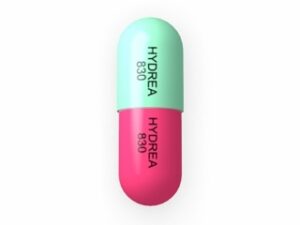
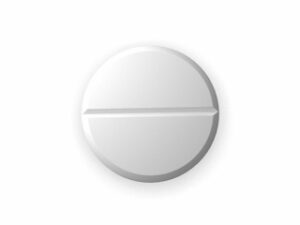
| Common forms | Oral tablets (strength varies by product) |
| How it works | Damages cancer cell DNA, helping stop cell growth and division |
| Typical use | Some blood cancers and related conditions (varies by diagnosis and regimen) |
| Key safety considerations | Low blood counts, infection risk, nausea, tiredness; fertility/pregnancy concerns |
What is chlorambucil?
Chlorambucil is an oral chemotherapy medicine used in selected treatment settings for certain cancers and disorders of the blood-forming system. It is a cytotoxic drug, meaning it can affect rapidly dividing cells. While it targets cancer cells, it can also affect normal blood cells, which is why blood monitoring is essential.
How chlorambucil works (mechanism of action)
Chlorambucil belongs to the alkylating class of chemotherapy medicines. After absorption, it is converted in the body to active forms that can “alkylate” (chemically modify) DNA.
This DNA damage can:
- Prevent cancer cells from copying their DNA
- Interrupt cell division and growth
- Trigger cell death (apoptosis) in susceptible cancer cells
Because it interferes with DNA function, chlorambucil mainly targets cells that are actively dividing.
Pharmacokinetics (how the body processes it)
Pharmacokinetics describes what the body does to a medicine—absorption, distribution, metabolism, and excretion. Understanding these steps can help explain monitoring and side effects.
- Absorption: Chlorambucil is absorbed after oral administration, but the exact extent can vary between individuals.
- Metabolism: It is metabolised in the body (including liver metabolism) to active and inactive compounds.
- Distribution: The active effects relate to drug levels and metabolites reaching target tissues.
- Elimination: The drug and its metabolites are cleared largely through metabolism and excretion processes.
Clinicians often use regular blood tests to monitor response and detect complications such as low white blood cells or anaemia. These are strongly influenced by individual metabolism and sensitivity.
What chlorambucil is used for (indications)
Chlorambucil has been used for certain cancers, particularly some haematological (blood-related) conditions. The exact role of chlorambucil depends on diagnosis, prior treatments, overall health, and available alternatives.
Typical areas where it may be considered include:
- Chronic lymphocytic leukaemia (CLL) in selected patients and settings
- Low-grade lymphomas and some related lymphoproliferative disorders
- Other specialist-defined haematologic indications where the treatment team considers benefits outweigh risks
Treatment plans are individual. Your care team will confirm the intended use for your specific diagnosis.
Timing and how dosing is usually scheduled
Chlorambucil is taken orally. The timing can vary depending on the treatment regimen and your blood counts. Common scheduling approaches include:
- Regular daily dosing over a short course, followed by a rest period
- Intermittent courses (for example, taking it on certain days within a cycle)
Your schedule may be adjusted based on:
- Full blood count results
- Side effects (especially infection, fatigue, or nausea)
- Response of the condition being treated
- Other medicines you are taking
Keep to the timetable your prescriber has arranged so that chemotherapy effects and recovery periods align.
Dose information (important note)
Dosing of chlorambucil depends on your diagnosis, body size, blood counts, and overall treatment plan. A typical dose is not appropriate for everyone, and dose changes may be required.
In general practice, clinicians may use:
- Weight- or body-surface-area–based dosing in some settings
- Adjusted dosing if blood counts drop or side effects occur
- Careful adjustments in older adults or those with reduced liver function
If you miss a dose, do not “double up.” Contact your treatment team or pharmacist for guidance.
Food interactions (can you take chlorambucil with meals?)
Food may influence how much chlorambucil is absorbed in the gastrointestinal tract. Many chemotherapy medicines can be taken with or without food, but the most consistent advice depends on the specific product and your regimen.
Practical approach:
- Try to take it consistently the same way each day (either always with food or always on an empty stomach), unless your clinician advises otherwise.
- If you experience nausea, taking the dose with a light meal may help some people—ask your pharmacist if this is appropriate for your plan.
- Avoid large, high-fat meals right before dosing if they make you feel unwell; this is a comfort measure rather than a strict rule.
Alcohol and medicine interactions
Alcohol is not recommended when you are undergoing chemotherapy unless your doctor says it is safe for you. Alcohol can worsen:
- Nausea and vomiting
- Tiredness and dizziness
- Dehydration
- Liver stress (relevant because chemotherapy is processed through the body, including the liver)
In addition to alcohol, check interactions with other medicines:
- Other chemotherapy or immunosuppressive medicines: may increase bone marrow suppression and infection risk.
- Live vaccines: may be unsafe while your immune system is suppressed. Ask your healthcare team about vaccination timing.
- Medicines that affect liver enzymes: may alter drug metabolism and side effects.
- Blood thinners (anticoagulants): may require closer monitoring if blood counts or bleeding risk changes.
- Medicines that increase nausea: could worsen symptoms; ask for supportive options.
Provide your pharmacist with a full list of prescription medicines, over-the-counter products, vitamins, and herbal supplements.
Safety profile and possible side effects
Chlorambucil affects fast-growing cells, so it can cause side effects—especially due to lowered blood counts. The most important risks are discussed below.
Serious risks to know about
- Bone marrow suppression (low blood counts): This can lead to anaemia (low red blood cells), neutropenia (low neutrophils/white cells), and thrombocytopenia (low platelets). The result may be fatigue, breathlessness, bruising/bleeding, and infection risk.
- Infection risk: Even mild infections can become serious when white blood cells are low. Seek medical help urgently if you develop fever or signs of infection.
- Allergic-type reactions (rare): Stop the medicine and seek urgent medical advice if you develop swelling, trouble breathing, or severe rash.
- Long-term risk: With some cancer treatments, there may be a small long-term risk of secondary blood cancers. Your treating team will discuss the expected benefit and risk for your case.
Common or expected side effects
- Tiredness and weakness
- Nausea and reduced appetite
- Vomiting (may occur)
- Hair thinning or hair loss (varies)
- Reduced immunity due to low white blood cells
- Easy bruising or bleeding more easily if platelets are low
When to seek urgent help
Contact your healthcare provider urgently or seek emergency care if you experience:
- Fever (commonly any temperature that your team has told you to treat as urgent)
- Chills, flu-like symptoms, or signs of infection
- Shortness of breath, chest pain, or severe weakness
- Unusual bleeding (nosebleeds that won’t stop, blood in urine/stool, or heavy bruising)
- Severe allergic symptoms such as swelling of the face/lips or difficulty breathing
If your treatment team has provided specific “call now” thresholds, follow those instructions.
Practical use tips (safe handling and daily routines)
Chlorambucil is a chemotherapy medicine. Handling and storage should follow the instructions provided with your supply. If you have any uncertainty, ask your pharmacist.
- Take exactly as directed: Use the dose schedule provided.
- Do not crush or split tablets unless the product specifically allows it and your pharmacist confirms.
- Use careful hygiene: Wash hands after handling tablets.
- Keep away from children and pets: Store securely.
- Adhere to monitoring: Attend blood tests as scheduled.
- Plan for nausea: If you are prescribed supportive anti-nausea medicine, take it as instructed.
- Protect against infection: Practise good hand hygiene and avoid close contact with people who have contagious infections.
- Track symptoms: Note fever, bruising, mouth sores, or new/worsening symptoms and report them promptly.
Blood tests and monitoring
Because chlorambucil can reduce blood cell production, monitoring is a major part of safe use. Common monitoring includes:
- Full blood count (FBC): to measure white blood cells, red blood cells, and platelets
- Liver function tests in some situations
- Clinical assessment: checking infection signs, bleeding, fatigue, and overall wellbeing
Your doctor may delay the next dose or adjust dosing if your counts are low.
Fertility, pregnancy, and breastfeeding considerations
Chlorambucil can affect reproduction. Safety depends on your individual situation, so discuss your plans with your healthcare team.
- Pregnancy: Chemotherapy may harm an unborn baby. The benefits and risks need careful assessment.
- Breastfeeding: Breastfeeding may not be recommended during treatment.
- Contraception: Effective contraception is usually advised for people who could become pregnant and their partners during treatment and for a period after.
- Fertility preservation: If you are concerned about future fertility, ask early about options before treatment begins.
Alternative options for some diagnoses
Alternatives depend on your specific condition (e.g., type of leukaemia/lymphoma), stage, previous treatment, and your health. Your team may consider:
- Other chemotherapy agents or combination regimens
- Targeted therapies (depending on molecular markers and availability)
- Immunotherapy in selected cases
- Watchful waiting for certain slow-growing conditions when appropriate
A pharmacist can help you understand how chlorambucil compares with other options and what to discuss with your care team.
Australia: market and legal context
In Australia, chemotherapy medicines are regulated and supplied in line with national and state/territory requirements. Availability may vary by:
- Brand and pack size (including tablet strengths)
- Supply stability and manufacturer availability
- Clinical guidelines for specific conditions
Many cancer treatments require careful screening and monitoring, and supply may be tied to clinical processes within healthcare systems.
Recent guidance and evolving practice
Treatment approaches for blood cancers and lymphomas evolve as new therapies become available and as evidence updates. Clinicians in Australia may align care with guidance from major bodies and specialist haematology/oncology groups.
In practice, the role of chlorambucil may be:
- Limited to specific patient groups or situations
- Chosen when benefits are expected to outweigh risks
- Compared against newer regimens such as targeted or combination treatments
Your treating team will consider current evidence, your diagnosis, and your overall health when deciding whether chlorambucil is appropriate.
Delivery and availability (online pharmacy considerations)
Availability of chlorambucil tablets may vary due to supply schedules and packaging. When ordering online, you may be asked to confirm delivery details and ensure the medicine is appropriate for your needs.
- Stock checks: Many pharmacies check stock automatically and may contact you if a delay occurs.
- Secure packaging: Medicines are typically shipped in protective packaging suitable for tablets.
- Delivery times: These depend on location and courier services.
- Cold-chain: Usually not required for tablets, but always follow product instructions.
If you need treatment continuity, order as early as practical and keep track of your next blood test dates and treatment cycle timing.
Food and lifestyle tips during treatment
While there are no universal “must-follow” diets for chlorambucil, some lifestyle choices can make treatment easier:
- Hydration: Drink fluids regularly, especially if you experience nausea.
- Small meals: Eating smaller meals more frequently can reduce nausea.
- Gentle foods: Bland foods may be easier on the stomach during treatment.
- Mouth care: If mouth sores occur, use gentle oral care and seek advice for soothing treatments.
- Infection prevention: Avoid crowded places if your counts are low and you’ve been advised to take precautions.
Medicine interactions checklist
Always tell your pharmacist about all medicines and supplements you use. Particularly review:
- Other chemotherapy or anti-cancer therapies
- Immunosuppressants
- Medicines that affect the immune system
- Live vaccines
- Medicines used for gout (some can affect blood counts or metabolism)
- Medicines for nausea, reflux, or infections (some may interact or overlap in side effects)
- Herbal supplements (interaction risk can be uncertain)
If you start a new medicine or stop an existing one, let your pharmacist know.
FAQ about chlorambucil
1) How do I take chlorambucil tablets?
Take chlorambucil exactly as instructed by your healthcare team. Many regimens involve taking tablets on a set schedule over days, followed by a rest period. If you feel unsure about your schedule, confirm it with your pharmacist.
2) Can I take chlorambucil with food?
In many cases, chlorambucil can be taken with or without food, but consistency is helpful. If you experience nausea, taking it with a light meal may help for some people. Follow the guidance provided for your specific regimen and product.
3) What blood tests will I need?
You will commonly have a full blood count to monitor white blood cells, red blood cells, and platelets. This helps the team decide whether to continue, adjust, or pause treatment.
4) What should I do if I miss a dose?
Do not take an extra dose to make up for a missed tablet. Contact your treatment team or pharmacist for advice tailored to your cycle and timing.
5) What side effects are most important to watch for?
The most important issues are those related to low blood counts, including infection and bleeding risk. Seek urgent help for fever or signs of infection, unusual bruising/bleeding, or severe weakness.
6) Can I drink alcohol while taking chlorambucil?
Alcohol is generally discouraged during chemotherapy unless your clinician advises otherwise. Alcohol may worsen nausea, fatigue, dehydration, and may increase strain on the liver.
7) Are vaccinations safe during treatment?
Some vaccines (especially live vaccines) may be unsafe while your immune system is suppressed. Ask your healthcare provider for guidance on timing and which vaccines are suitable.
8) Does chlorambucil cause hair loss?
Hair thinning or hair loss can occur, but it varies between individuals. Your treatment team can tell you what is commonly expected for your regimen.
9) What are alternatives to chlorambucil?
Alternatives depend on your diagnosis and individual factors. Your doctor may consider other chemotherapy combinations, targeted therapies, immunotherapy, or different schedules. Discuss options early if you have concerns about side effects or effectiveness.
10) How can I reduce infection risk at home?
Practise good hand hygiene, avoid close contact with people who are sick, keep up with oral care, and monitor for fever or infection symptoms. Follow any specific precautions your care team gives you based on your blood counts.
Summary
Chlorambucil is an oral alkylating chemotherapy medicine used in selected cancers and blood disorders. It works by damaging DNA in dividing cells and stopping cancer growth. Because it can lower blood counts, safe use requires careful monitoring, infection awareness, and dose adjustments when necessary.
For the best outcomes, follow your treatment schedule closely, attend blood tests, and seek prompt medical advice if you develop fever, infection symptoms, or unusual bleeding.