
Hydroxyurea (Hydroxyurea) – Patient Information for Australia
Hydroxyurea is a medicine used to treat certain blood disorders and some cancers. It works by slowing down the growth of rapidly dividing cells and by helping the body make blood cells more effectively in specific conditions. This page explains how hydroxyurea works, how it is used, what to expect, and important safety information to help you use it more confidently.
If you have any questions about your condition or how your specific dose schedule is set up, speak with your healthcare team.
Basic product information
| Topic | Details |
|---|---|
| Generic name | Hydroxyurea |
| Medicine type | Antineoplastic / antimetabolite (also used for certain non-cancer blood disorders) |
| How it’s usually taken | By mouth (tablets/capsules depending on product availability) |
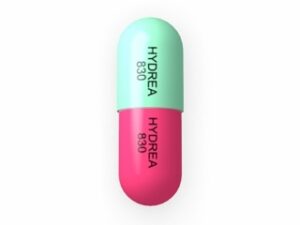
| Common brand examples | Hydrea® is an example brand name (availability may vary by pharmacy) |
| Common dosing style | Often once daily or as directed; dose may be adjusted based on blood tests |
Important: Hydroxyurea doses are often personalised using regular blood monitoring. Do not change your dose or stop treatment without medical advice.
What hydroxyurea does (mechanism of action)
Hydroxyurea is an antimetabolite. It interferes with the building blocks cells need to divide and multiply. One key mechanism is inhibition of ribonucleotide reductase, an enzyme required for DNA synthesis.
- Slows DNA production in rapidly dividing cells.
- Reduces abnormal cell growth in certain cancers and blood disorders.
- Helps control blood cell counts in conditions like myeloproliferative neoplasms.
- In sickle cell disease, it can increase fetal haemoglobin (HbF), which may reduce sickling of red blood cells.
Pharmacokinetics (how the body handles hydroxyurea)
“Pharmacokinetics” describes how hydroxyurea is absorbed, processed, and removed by the body. The details can vary among individuals, but these are general patterns:
- Absorption: Hydroxyurea is absorbed after oral dosing. Food may not be essential for absorption, but follow your specific instructions.
- Distribution: It spreads through body tissues, including bone marrow where blood cells are produced.
- Metabolism: It is metabolised in the body primarily through hepatic pathways (the liver plays a role).
- Elimination: The medicine and its metabolites are eliminated mainly via the kidneys.
- Half-life: Hydroxyurea has a half-life that allows daily dosing in many treatment plans; however, dosing frequency can vary.
Because hydroxyurea is processed and cleared by the body, people with kidney or liver problems may require closer monitoring or dose adjustments.
Typical use in Australia
Hydroxyurea is used for several conditions. Your exact purpose depends on your diagnosis and how your body responds on blood tests.
Common indications
- Myeloproliferative neoplasms (MPNs), such as:
- Essential thrombocythaemia
- Polycythaemia vera
- Other MPNs as determined by a specialist
- Chronic myeloid conditions in certain settings, including older or specific regimens depending on clinical context
- Sickle cell disease to help reduce complications in selected patients
- Some cancers where hydroxyurea is used as part of treatment strategies (decision depends on cancer type and plan)
In many settings, hydroxyurea works by controlling abnormal cell production and reducing the risk of complications linked to high or abnormal blood cell counts.
When and how to take hydroxyurea
Your prescriber may adjust your dose based on results of regular full blood counts (FBC). These tests help ensure your white blood cell count and platelets stay within a safe range.
Timing
- Take at the same time each day (if your schedule is daily).
- If your dosing is intermittent (e.g., certain days only), follow your written schedule carefully.
- Consistency matters: Try not to miss doses, but don’t double up if you miss one.
How to take
- Swallow tablets/capsules whole with water.
- Do not crush or open unless your specific product instructions allow it.
- If the tablet/capsule breaks or crumbles, avoid direct skin contact.
Missed dose guidance (general)
If you miss a dose, consult your healthcare provider or pharmacist for advice specific to your dosing schedule. In general terms, avoid taking two doses at once to “catch up” without guidance.
Food interactions (with meals)
Food interactions with hydroxyurea can vary depending on the formulation and individual factors. In most cases, hydroxyurea can be taken with or without food.
- For routine use, choose a consistent approach (e.g., always with food or always on an empty stomach) unless your clinician advises otherwise.
- If hydroxyurea upsets your stomach, taking it with food may improve comfort.
If you have ongoing nausea, appetite changes, or gastrointestinal side effects, ask your pharmacist about strategies.
Alcohol and medicine interactions
Alcohol
It’s best to keep alcohol intake low while taking hydroxyurea. Alcohol can increase strain on the liver and may worsen dehydration or irritation, which may increase side-effect risk.
- Ask your healthcare team what level of alcohol is acceptable for you.
- Avoid binge drinking.
Other medicines that may interact
Hydroxyurea can interact with other medicines and supplements, mainly by increasing side-effect risk (such as bone marrow suppression) or affecting how blood counts respond.
Please tell your pharmacist or doctor about all medicines you take, including:
- Other cancer medicines or treatments that affect the immune system
- Medicines that suppress bone marrow (or increase infection risk)
- Medicines that affect kidney function
- Immunosuppressants
- Some vaccines (timing may need discussion if your immune system is affected)
- Herbal products and supplements (for example, those that affect immunity or bleeding risk)
Always check for interactions when starting new medicines. If you are unsure whether something is safe to combine, ask before using it.
Dosing: what to expect
Hydroxyurea dosing differs by indication and is commonly adjusted according to blood test results. Your dose is usually chosen to achieve target blood counts while minimising side effects.
How dosing is commonly managed
- Initial dose: Often based on diagnosis, body size, kidney function, and overall health.
- Monitoring: Regular FBC and sometimes other blood tests.
- Titration: Dose may be increased gradually if blood counts remain too high, or decreased if counts drop.
- Temporary holds: If blood counts become too low, treatment may be paused until recovery.
Common dose forms
- Doses are typically taken as tablets in strength(s) available through Australian supply.
- Some regimens use daily dosing, while others use day-by-day schedules (especially for certain conditions and individual plans).
Do not rely on dosing information you find online. Use the schedule provided by your own healthcare team and follow monitoring instructions.
Safety profile and side effects
Like all medicines, hydroxyurea can cause side effects. Some are expected and manageable, while others require urgent medical attention. Your healthcare team monitors blood counts to reduce the risk of serious complications.
Common side effects
- Low blood cell counts (may lead to increased infection risk, bruising, or fatigue)
- Reduced appetite or nausea
- Mouth ulcers or soreness (stomatitis)
- Skin changes, including dryness or darkening in some people
- Hair thinning or changes (varies by individual)
- General fatigue
Important risks (seek advice promptly)
- Infection: fever, chills, or feeling unwell
- Unusual bleeding or bruising
- Severe mouth pain/ulcers that prevent eating or drinking
- Breathing problems or severe shortness of breath
- Allergic reaction symptoms (e.g., rash with swelling, difficulty breathing)
When to seek urgent help
Get urgent medical assistance if you have:
- High fever or signs of serious infection
- Signs of severe bleeding (e.g., black/tarry stools, vomiting blood, large unexplained bruises)
- Severe allergic symptoms (swelling of face/lips, difficulty breathing)
Long-term considerations
With prolonged use, some individuals may develop persistent skin changes or other long-term effects. Your clinician may recommend skin monitoring and regular checks. Use sun protection and report any new or changing skin lesions promptly.
Practical use tips (to help you get the most from treatment)
- Keep up with blood tests: Regular FBC monitoring is a key part of safe hydroxyurea use.
- Track your schedule: Use a medication diary or phone reminder—especially if you take it on a particular day pattern.
- Hydrate and care for your mouth: Mouth ulcers can occur; maintain oral hygiene and inform your healthcare team early if symptoms appear.
- Use sun protection: Apply sunscreen and wear protective clothing to reduce skin irritation and photosensitivity-like effects.
- Handle safely: Avoid touching crushed tablets. If a tablet breaks, wash the area with water and avoid skin contact.
- Pregnancy and breastfeeding considerations: Hydroxyurea can harm an unborn baby. Discuss contraception and family planning with your healthcare team before and during treatment. Breastfeeding recommendations should also be discussed, as it may not be suitable.
Alternative options
Alternatives depend strongly on the reason you are taking hydroxyurea. Below are examples of options that may be considered in certain conditions; your specialist will guide which is appropriate.
For myeloproliferative neoplasms (MPNs)
- Phlebotomy (particularly in polycythaemia vera, depending on risk)
- Low-dose aspirin (used for selected patients to reduce clot risk)
- Interferon-based therapies in some patients
- Other cytoreductive medicines (selected cases)
For sickle cell disease
- Other disease-modifying therapies may be considered depending on availability and your clinical situation
- Supportive care (hydration, vaccines, pain management plans, and treatment of complications)
For cancer-related uses
- Alternative chemotherapy or targeted treatments may be used depending on the cancer type and stage
- Some regimens combine multiple therapies; your oncology team selects the most suitable approach
If you’re looking for alternatives due to side effects or access issues, discuss options with your doctor or pharmacist—do not stop hydroxyurea abruptly unless advised.
Market and legal context for Australia
In Australia, hydroxyurea is an established prescription-only medicine used under medical supervision. Medicines are supplied through licensed pharmacies and must be used according to approved directions and safety requirements.
- Quality and regulatory oversight: Therapeutic Goods Administration (TGA) regulates medicines available in Australia.
- Supply processes: Availability can vary by strength and brand; your pharmacist can advise on current supply status.
- Safety monitoring: Because hydroxyurea can lower blood counts and affect safety, ongoing clinical monitoring is an important part of care.
If you have questions about how your supply is managed, ask your pharmacist about packaging, storage, and what to do if a particular strength is temporarily unavailable.
Recent guidance and monitoring expectations (general)
Guidance for hydroxyurea use can evolve with updated clinical evidence and safety recommendations. While specific recommendations depend on your condition, common monitoring expectations include:
- Regular full blood count monitoring to detect bone marrow suppression early
- Assessment of side effects such as mouth ulcers, skin changes, infection symptoms, and fatigue
- Adjusting dose based on blood test results and clinical response
Your healthcare team may also advise specific preventive measures (e.g., vaccinations or skin care) tailored to your diagnosis and immune status.
Delivery, availability, and what to expect
Hydroxyurea availability can depend on the specific strength and formulation. Many Australian pharmacies can source medicines through standard distribution networks, but there may be occasional supply delays.
- Order processing: Pharmacies typically verify patient details and the correct product before dispensing.
- Delivery: Delivery times depend on location and courier services.
- Substitutions: Pharmacies may dispense equivalent products where appropriate and approved. Your pharmacist will inform you if a substitute is used.
For the most reliable supply, consider placing orders early—especially before weekends or public holidays. Ask your pharmacy about how they handle stock shortages.
Storage
- Store at room temperature unless the label instructs otherwise.
- Keep in the original container to protect from moisture and to ensure correct identification.
- Keep out of reach of children.
- Check the product label for specific instructions (including whether to protect from light or moisture).
FAQ
1) What is hydroxyurea used for?
Hydroxyurea is used for specific blood disorders (such as certain myeloproliferative neoplasms) and for sickle cell disease in selected patients. It may also be used in certain cancer treatment strategies depending on the clinical plan.
2) How long does it take to work?
Response time varies by condition. Some effects on blood counts may be seen within weeks, while symptom improvement can take longer. Regular monitoring helps your clinician judge response and adjust dose.
3) Will I feel different immediately?
Some people feel changes quickly, but many do not notice immediate effects. You may experience fatigue or other side effects early on, while improvement in counts or symptoms may take time.
4) Can I take hydroxyurea with food?
In many cases it can be taken with or without food. If it upsets your stomach, taking it with food may help. Follow your pharmacist or doctor’s instructions for your specific product.
5) What should I do if I miss a dose?
If you miss a dose, contact your pharmacist or doctor for advice tailored to your dosing schedule. Avoid taking extra doses to make up for a missed one unless instructed.
6) Are there restrictions on alcohol?
Keep alcohol intake low and ask your healthcare team what’s safe for you. Alcohol may increase stress on the body, especially if you have liver-related risk factors or low blood counts.
7) What blood tests are needed?
Hydroxyurea commonly requires regular full blood counts (FBC) to monitor white blood cells, red blood cells, and platelets. Your doctor may also request other tests depending on your condition and medication plan.
8) What are signs my dose may be too high?
Signs can include excessive tiredness, frequent infections, fever, unusual bruising or bleeding, mouth ulcers that become severe, or lab results showing very low blood counts. Tell your clinician promptly if you develop concerning symptoms.
9) Can hydroxyurea affect fertility or pregnancy?
Hydroxyurea may harm an unborn baby. Discuss contraception, family planning, and pregnancy/breastfeeding considerations with your healthcare team before starting or continuing treatment.
10) Is it safe to drive or operate machinery?
Hydroxyurea can cause fatigue in some people. If you feel unwell or unusually tired, avoid driving or operating machinery until you feel safe to do so.
11) What should I do about mouth ulcers?
Report mouth ulcers early. Maintaining good oral hygiene, staying hydrated, and using any recommended mouth treatments can help. Severe ulcers or ulcers that prevent eating should be assessed promptly.
12) How do I stay sun safe while on hydroxyurea?
Use sunscreen, wear protective clothing, and limit direct sun exposure. Report new or changing skin lesions to your clinician.
Disclaimer: This information is provided for education and does not replace advice from your healthcare professional. Always follow the instructions given by your doctor and pharmacist for your specific condition and dose schedule.