

Hydrea (Hydroxyurea) — Patient Guide (Australia)
Hydrea is a medicine containing hydroxyurea. It is used to treat certain medical conditions, including some blood disorders and specific cancers. This guide explains what Hydrea is, how it works, how it behaves in the body, typical uses, practical ways to take it, and important safety information.
Important: Because hydroxyurea can affect blood cell production and may interact with other medicines, it must be used carefully with monitoring. Always follow the instructions your healthcare professional provides.
1) Basic Product Information
- Brand name: Hydrea
- Active ingredient: Hydroxyurea
- Medicine type: Antimetabolite / cytotoxic medicine
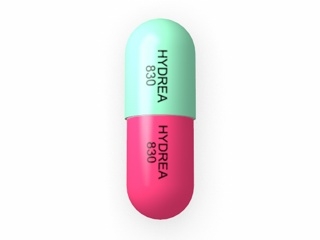
- Common form: Oral capsules/tablets (strengths may vary by product)
- How it’s used: Taken by mouth on a schedule
- Monitoring: Regular blood tests are typically required
- Who it’s for: Adults for many indications; paediatric use may be specialist-directed for certain conditions
2) How Hydrea Works (Mechanism of Action)
Hydroxyurea works mainly by interfering with how cells copy their DNA. It does this in two key ways:
- Inhibits ribonucleotide reductase, an enzyme involved in producing building blocks for DNA. This can slow or stop DNA synthesis in rapidly dividing cells.
- Supports “cell cycle” control: because many cancer cells and certain abnormal blood-forming cells divide quickly, hydroxyurea can reduce abnormal cell growth.
In disorders like sickle cell disease, hydroxyurea can increase levels of fetal haemoglobin (HbF), which may reduce the tendency of red blood cells to sickle. In other conditions, it helps reduce excessive or abnormal cell production.
3) Pharmacokinetics (How the Body Processes It)
Pharmacokinetics describes what the body does to the medicine. While exact values can vary, the key concepts include:
| Topic | What typically happens |
|---|---|
| Absorption | Hydroxyurea is absorbed after oral dosing. Food may affect timing of absorption but not always the overall amount absorbed. |
| Distribution | It distributes throughout the body and can reach sites of abnormal cell activity. |
| Metabolism | It is metabolised mainly in the liver. |
| Elimination | It is cleared via metabolic pathways and excretion, with renal function influencing how quickly it leaves the body. |
| Half-life | Hydroxyurea has an elimination half-life that can vary between individuals; dosing schedules account for this. |
Kidney and liver considerations: People with reduced kidney function may need dose adjustment and closer monitoring. Tell your healthcare professional about all medical conditions, including kidney or liver problems.
4) Typical Uses of Hydrea
Hydroxyurea is used for several conditions. The most common include:
- Chronic myeloproliferative disorders (MPNs) such as:
- Essential thrombocythaemia
- Polycythaemia vera
- Some cancers where hydroxyurea is used as part of treatment plans (often in specialist settings)
- Sickle cell disease to help increase fetal haemoglobin and reduce sickling complications (treatment is usually specialist-led)
Indications can differ by patient group and local prescribing practices. Your clinician will confirm whether Hydrea is appropriate for your specific condition.
5) When and How to Take Hydrea (Timing & Consistency)
Hydroxyurea is typically taken once daily or more often depending on the condition and prescribed dose. Follow your dosing plan exactly.
General timing guidance
- Take it at the same times each day to maintain steady exposure.
- Use a calendar or medication organiser to reduce missed doses.
- If you miss a dose, do not double up. Contact your healthcare team or pharmacist for advice on what to do next.
If vomiting occurs
If you vomit soon after taking a dose, ask your pharmacist or healthcare professional whether you should take another dose. Don’t automatically repeat doses without advice.
6) Food Interactions and What to Eat
Food may influence how fast hydroxyurea is absorbed. In many cases, it can be taken with or without food, but consistency is important.
- Follow your prescribing instructions about whether to take Hydrea with meals.
- If you notice stomach discomfort, taking it with food may help (unless your clinician advised otherwise).
- Avoid sudden changes in meal timing—aim for a stable routine.
Grapefruit and similar fruit: There’s no common, well-known grapefruit-specific interaction for hydroxyurea in routine patient guidance, but it’s still wise to discuss any supplements or major dietary changes with your healthcare professional.
7) Alcohol and Hydrea Interactions
Moderate alcohol use may not be strictly prohibited for every patient, but hydroxyurea can affect the liver and blood counts, and alcohol can worsen side effects such as fatigue, dehydration, nausea, or reduced ability to cope with treatment.
- Best approach: Ask your healthcare professional whether alcohol is safe for your situation.
- Avoid heavy drinking and binge patterns.
- If you develop significant nausea, dizziness, or worsening fatigue, avoid alcohol until you feel better and have discussed it with your clinician.
If you have a liver condition or abnormal liver tests, extra caution is recommended.
8) Medicine Interactions (Including Common Medicines)
Hydroxyurea can interact with medicines that affect the immune system, bone marrow, or cell division. Always tell your pharmacist and healthcare team about all medicines you take, including over-the-counter items and supplements.
Potential interaction categories
- Other medicines that suppress bone marrow or affect blood cell production
- Medicines that affect the immune system (immunosuppressants)
- Radiotherapy or other chemotherapy may increase risk of side effects
- Antiretrovirals and other complex regimens: discuss specifically if you’re on HIV treatment
- Live vaccines: treatment may reduce immune response, so vaccination timing should be discussed with a clinician
What to do
- Keep a list of all medicines and bring it to appointments.
- Before starting new medicines (including herbal products), ask a pharmacist whether they’re safe with hydroxyurea.
- If you use warfarin or another blood thinner, discuss monitoring needs, as treatment changes can influence bleeding risk indirectly through blood count effects.
Note: This is general information. Your prescriber can provide guidance tailored to your condition and medicine list.
9) Indications in More Detail (What Conditions It’s Used For)
Chronic myeloproliferative disorders (MPNs)
In conditions such as essential thrombocythaemia and polycythaemia vera, hydroxyurea may help reduce abnormal blood cell levels. It can lower the risk of complications related to high cell counts in many patients, especially those at higher risk.
Sickle cell disease
Hydroxyurea increases fetal haemoglobin, which can reduce sickling and the frequency of certain complications. Treatment decisions are usually made by specialist teams and require ongoing monitoring.
Some malignancies
In certain cancers, hydroxyurea may be used to control disease by slowing cell division. The role of hydroxyurea varies by cancer type and treatment plan.
Important: If you’re unsure why you were given Hydrea, ask your clinician or pharmacist.
10) Dosing (How Doses Are Typically Determined)
Dosing is individualised. Factors include the specific indication, blood test results, age, body size, kidney function, and treatment goals.
How doses are usually managed
- Your clinician may start you at a dose based on your condition and baseline blood counts.
- Dose adjustments are often guided by regular full blood counts (FBC).
- Treatment may be interrupted or reduced if blood counts become too low.
Typical schedule
Hydroxyurea is commonly taken once daily, but some regimens may be split dosing or adjusted for response and tolerability.
Do not change the dose unless your healthcare professional tells you to. If side effects occur, call your healthcare team promptly rather than stopping abruptly on your own.
Missed dose advice
- If you miss a dose, contact your pharmacist for guidance.
- In general, do not double unless specifically instructed.
11) Safety Profile (What to Watch For)
Hydroxyurea can cause side effects, largely related to its effects on rapidly dividing cells—including cells in bone marrow. The safest use depends on consistent monitoring and prompt attention to symptoms.
Common or expected effects
- Low blood counts (neutropenia, anaemia, thrombocytopenia)
- Fatigue or weakness
- Nausea, appetite changes
- Stomach discomfort
- Mouth sores (stomatitis)
- Hair thinning in some people
- Skin changes such as dryness or darkening
Serious side effects — seek urgent medical help if
- Fever, chills, or signs of infection
- Unusual bleeding, easy bruising, black stools, or blood in urine
- Severe shortness of breath or chest pain
- Severe mouth ulcers preventing eating or drinking
- Severe allergic reaction (swelling of face/lips, trouble breathing, rash)
Long-term risks
With prolonged use, some patients may develop additional skin or other effects. Regular check-ups and skin monitoring are recommended. Report any new or changing skin lesions to your clinician promptly.
12) Practical Use Tips (Daily Life & Monitoring)
1) Keep up with blood tests
Hydroxyurea commonly requires scheduled FBC monitoring to detect low blood counts early and adjust treatment to keep you safe.
2) Reduce infection risk
- Practice good hand hygiene.
- Avoid close contact with people who have contagious infections.
- Report fever immediately, especially if you have low neutrophils or are due for monitoring.
3) Oral care to prevent mouth sores
- Maintain gentle brushing with a soft toothbrush.
- Use alcohol-free mouth care products.
- Report early redness, soreness, or ulcers.
4) Skin protection
- Use sunscreen and protective clothing.
- Check skin regularly for changes.
5) Pregnancy and breastfeeding considerations
Hydroxyurea can affect rapidly dividing cells, so discuss pregnancy planning and breastfeeding with your clinician. Use appropriate contraception as advised. If you become pregnant or plan pregnancy, contact your healthcare team urgently.
6) Handling the medicine
If you or someone else handles Hydrea capsules/tablets, follow safe handling guidance from your pharmacist. Avoid crushing or opening capsules unless instructed by your healthcare professional. Keep out of reach of children.
13) Alternative Options (Depending on Your Condition)
Alternatives depend heavily on the indication (MPN vs sickle cell disease vs specific cancer regimens). Your clinician may consider other medicines or treatment strategies, such as:
- For myeloproliferative disorders: other cytoreductive agents may be considered depending on risk category and tolerance.
- For sickle cell disease: other disease-modifying treatments and supportive therapies may be discussed.
- For cancers: alternative chemotherapy or targeted therapies may be used based on cancer type and stage.
Because alternatives vary widely, the best option is the one best tailored to your diagnosis, overall health, and treatment goals. Discuss benefits and risks with your specialist team.
14) Hydrea in the Australian Market: Legal & Regulatory Context
In Australia, medicines are regulated by the TGA (Therapeutic Goods Administration). Access to prescription medicines is managed under Australian legislation and healthcare professional oversight.
Hydroxyurea products may be available through authorised suppliers and pharmacies in line with local rules. Availability can vary depending on stock levels, strength, and manufacturer distribution. Your pharmacist can advise on current supply options.
Pharmacy dispensing practices: Australian pharmacies typically require appropriate patient identification and adherence to safety procedures, especially for medicines needing close monitoring.
15) Recent Guidance & Monitoring Expectations (General Overview)
Clinical practice evolves as new evidence and safety updates emerge. In general, ongoing monitoring for hydroxyurea therapy commonly includes:
- Regular blood counts (to detect anaemia, neutropenia, and thrombocytopenia)
- Renal and liver assessment when appropriate
- Symptom review for infection signs, mouth ulcers, bleeding, and skin changes
- Medication reconciliation to avoid risky interactions
Your healthcare team may tailor the monitoring frequency based on your condition, dose, and past blood results.
16) Delivery and Availability (Online Pharmacy Australia)
Hydrea may be available for order through participating online pharmacies depending on local supply, strength, and prescription requirements. Delivery timeframes vary by location and courier partner.
- Packaging: medicines are usually dispatched in secure, tamper-evident packaging.
- Storage: store according to the label instructions (commonly at controlled room temperature). Keep away from heat and moisture.
- Cold-chain: hydroxyurea typically does not require cold-chain storage.
- Stock availability: if a product is temporarily unavailable, your pharmacy may suggest alternatives or next available delivery dates.
If you have urgent clinical needs, contact the pharmacy for real-time stock and delivery estimates.
17) Frequently Asked Questions (FAQ)
How long does Hydrea take to work?
It depends on the condition being treated. Some effects on blood counts may be seen within weeks, while other benefits (e.g., in sickle cell disease) may take longer as fetal haemoglobin levels adjust and complications reduce. Your clinician will monitor response through blood tests and symptom review.
Will Hydrea lower my immunity?
It can reduce white blood cell counts in some people, which may increase infection risk. That’s why regular blood tests and prompt attention to fever are important.
What should I do if I develop a fever?
Seek urgent medical advice immediately. Fever can be a sign of serious infection, particularly if your white blood cells are low.
Can I take Hydrea with food?
Many people can take it with or without food, but you should follow the specific instructions provided with your medicine. If stomach upset occurs, ask your pharmacist whether taking it with food is appropriate for your regimen.
Is alcohol safe with Hydrea?
Alcohol may increase risk of side effects and can be unsafe in some situations (such as liver problems or significant blood count suppression). Discuss your situation with your clinician or pharmacist before drinking.
Can I stop Hydrea if I feel better?
No—do not stop or change the dose without guidance. Stopping abruptly can affect disease control. If side effects become troublesome, contact your healthcare team to adjust dosing or manage symptoms.
What lab tests will I need?
In many cases, full blood counts (FBC) are monitored regularly. Your clinician may also monitor kidney and liver function based on your health status and treatment plan.
What if I miss a dose?
Contact your pharmacist or healthcare professional for advice. In general, don’t double doses unless instructed.
Are there skin precautions while taking Hydrea?
Yes. Use sunscreen and protect your skin from sun exposure, and report any new or changing skin lesions to your clinician.
What should I discuss before starting Hydrea?
Tell your healthcare team about:
- All current medicines (including vitamins, herbal products, and over-the-counter items)
- Kidney or liver problems
- Past reactions to hydroxyurea or similar medicines
- Planned pregnancy or breastfeeding
- Any history of frequent infections or bleeding
Summary
Hydrea (hydroxyurea) is an oral medicine used for several serious conditions, including certain blood disorders and specific cancers, and may help in sickle cell disease by increasing fetal haemoglobin. It works by disrupting DNA synthesis in fast-growing cells. Because it can affect bone marrow and blood counts, careful dosing and regular monitoring are essential.
If you have questions about your specific dose, side effects, or monitoring schedule, speak with your pharmacist or healthcare professional. For urgent concerns such as fever or unusual bleeding, seek immediate medical attention.