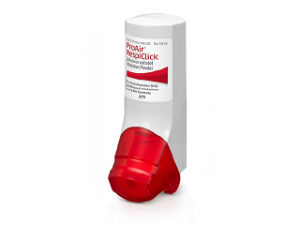
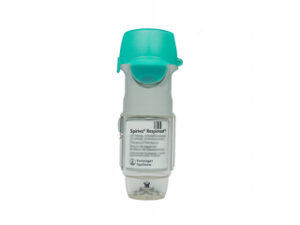
Salbutamol (Albuterol) — Patient Information (Australia)
Salbutamol (also known as albuterol) is a widely used medicine for rapidly relieving symptoms of asthma and some types of breathing difficulties, such as chronic obstructive pulmonary disease (COPD). It works quickly to open the airways, helping you breathe more comfortably during flare-ups.
This page explains how salbutamol works, how it’s typically used, what to watch for, and practical tips for safe and effective use in everyday life in Australia.
Quick overview
| Item | Details |
|---|---|
| Active ingredient | Salbutamol (albuterol) |
| Common forms | Metered-dose inhaler (puffer), nebuliser solution, and some oral forms depending on product brand |
| How it helps | Relaxes airway muscles to quickly improve airflow |
| Typical onset | Often within minutes (especially inhaled forms) |
| Typical duration | Often around 4–6 hours for symptom relief (may vary) |
| Common side effects | Shaking/tremor, palpitations, headache, throat irritation |
Basic product information
Salbutamol is a short-acting beta2-agonist (SABA). SABAs are designed for fast relief of breathlessness and wheeze.
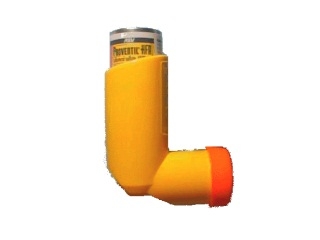
In Australia, salbutamol products may be supplied under different brand names and in different strengths depending on the device (e.g., puffer vs nebuliser). The specific dose can vary by product, so it’s important to follow the instructions provided with your medicine.
Who it’s for: People with asthma (including children and adults) and people with COPD who require quick symptom relief. Your clinician may also use salbutamol before exercise or exposure to triggers in some situations.
Mechanism of action (how it works)
Salbutamol targets beta2-adrenergic receptors on smooth muscle in the airways. When these receptors are activated, they cause:
- Relaxation of airway smooth muscle (bronchodilation), opening airways.
- Reduced airway resistance, making it easier to move air in and out.
- Inhaled salbutamol helps symptoms quickly without directly treating underlying airway inflammation.
Important: Salbutamol usually provides symptom relief. It does not replace controller medicines that reduce airway inflammation (such as inhaled corticosteroids).
Pharmacokinetics (how the body handles it)
Pharmacokinetics describes what happens to salbutamol after you take it. The details can vary by formulation.
Inhaled salbutamol
- Absorption: A portion deposits in the lungs and is absorbed through lung tissues; some is swallowed.
- Onset: Typically begins within minutes for inhaled use.
- Distribution: Salbutamol distributes into body tissues.
- Metabolism: Mainly metabolised in the liver.
- Excretion: Metabolites and a small amount of unchanged drug are eliminated via the kidneys (urine).
Oral/systems exposure (if applicable to your product)
- Absorption: Generally through the gastrointestinal tract.
- Onset and duration: Often slower than inhaled use and may differ by formulation.
Your product leaflet will provide specific information for that formulation.
Typical use in asthma and COPD
Salbutamol is commonly used as a reliever to relieve:
- Wheeze
- Shortness of breath
- Chest tightness
- Cough related to bronchospasm
It may also be used:
- Before exercise if exercise triggers symptoms (your plan may specify timing).
- For episodic symptoms when recommended as part of your asthma action plan.
- In some COPD patients for relief of breathlessness.
Note for asthma: If you find you need your reliever more often, this can be a sign that your asthma isn’t well controlled and you may need a review of controller therapy.
Timing: when and how to use salbutamol
Timing depends on the form and your personal action plan. As a guide:
- During symptoms: Use as directed at the time symptoms start or during a flare-up.
- Before exercise: Many action plans recommend using it shortly before starting physical activity to prevent symptoms (commonly 10–15 minutes, but follow your clinician’s advice and the product instructions).
Peak benefit: Inhaled salbutamol typically begins working quickly. If symptoms do not improve as expected, it’s important to follow your emergency plan or seek urgent medical care where necessary.
Indications (what it is used for)
Depending on the product, salbutamol may be indicated for:
- Asthma — relief of acute bronchospasm symptoms.
- Prevention of exercise-induced bronchospasm in some people (as advised in an action plan).
- COPD — relief of bronchospasm symptoms in appropriate patients.
Not all salbutamol products are identical. Indications and age suitability can vary by brand and formulation.
Dosing (general guidance)
Dosing is highly dependent on the formulation (inhaler vs nebuliser vs oral), the strength, and patient factors such as age and severity. Always follow the product label and your action plan.
Typical approach for inhaled reliever use:
- Most inhalers provide a dose measured per “puff” or actuation.
- Common regimens involve taking 1–2 actuations at a time, then reassessing symptoms.
- If symptoms persist, additional doses may be used according to the action plan or product instructions.
Children: Children may require dose adjustments and careful technique. Using a spacer (for puffer devices) can improve delivery to the lungs and reduce side effects in children.
Nebuliser solutions: Dosing depends on the concentration and volume in the nebuliser pack and whether it’s used as intermittent relief or part of an emergency regimen. Follow the product leaflet for the exact schedule.
Do not exceed the maximum frequency listed on your product instructions unless your clinician has specifically advised a different regimen.
Food interactions
Salbutamol is usually used by inhalation, meaning it largely acts locally in the airways. As a result, food interactions are generally not a major concern for inhaled salbutamol.
However:
- If you are using an oral formulation, food may influence absorption for some medicines. Check your product leaflet for any specific guidance.
- For best comfort, take your medicine at times that fit your routine—many people find inhaled dosing is convenient with or without meals.
If you’re unsure whether your product is inhaled or oral, check the label or ask your pharmacist.
Alcohol interactions
There is no common “direct” interaction between alcohol and inhaled salbutamol, but alcohol can affect breathing and can worsen asthma symptoms in some people.
- Asthma and COPD: Alcohol may trigger symptoms for certain individuals or worsen shortness of breath.
- Dizziness and palpitations: Salbutamol can sometimes cause tremor or a racing heartbeat; alcohol may compound these feelings.
Practical advice: If you notice symptoms after alcohol, consider limiting intake and discuss your experience with a healthcare professional.
Other medicine interactions (important)
Salbutamol can interact with other medicines, mainly by affecting heart rhythm or beta-receptor activity.
Common interaction themes
- Other bronchodilators (especially beta agonists): Using multiple beta agonist products together can increase side effects such as tremor and palpitations.
- Beta-blockers: Some beta-blocker medicines (e.g., used for certain heart conditions) may reduce the effect of salbutamol. This is particularly relevant with non-selective beta-blockers.
- Diuretics (water tablets) and some steroids: In certain circumstances, they may contribute to low potassium levels when combined with high-dose beta agonists.
- Medications that affect heart rhythm: Combining multiple medicines that influence cardiac conduction may increase the chance of palpitations or rhythm disturbances.
Always tell your pharmacist about all medicines you take, including over-the-counter products, herbal supplements, and any recent courses of antibiotics or steroids.
Safety profile
Salbutamol is generally well tolerated when used correctly for symptom relief. Like all medicines, it can cause side effects.
Common side effects
- Tremor/shaking
- Headache
- Palpitations or a fast heartbeat
- Nervousness or feeling “on edge”
- Throat irritation or cough after inhalation
- Muscle cramps (less common)
Less common but important
- Low potassium (hypokalaemia) especially with high doses or frequent use.
- Chest pain, fainting, or significant heartbeat irregularities (seek urgent advice).
- Worsening shortness of breath despite using reliever (this can occur in severe episodes).
When to seek urgent help
Call emergency services or seek urgent medical care if you or your child have:
- Severe breathing difficulty or you can’t speak in full sentences
- No relief after using your reliever as directed
- Blue/grey lips or face
- Signs of severe attack (e.g., exhaustion, confusion, worsening chest tightness)
Don’t delay getting help if symptoms are severe.
Practical use tips (especially for inhalers)
1) Use the right technique
- Shake the inhaler if your device instructions say to do so.
- Breathe out fully before you start the inhalation.
- Seal your lips around the mouthpiece.
- Press once to release the dose while starting a slow, deep breath in.
- Hold your breath for about 10 seconds (or as long as comfortable), then breathe out slowly.
If you’re unsure about your technique, ask a pharmacist or nurse to watch you. Correct technique improves medicine delivery and can reduce side effects.
2) Use a spacer if appropriate
- Spacers are especially helpful for children and for anyone who has difficulty coordinating inhaler actuation with inhalation.
- Using a spacer can also reduce how much medicine deposits in the mouth and throat.
3) Wait time between puffs
Follow the instructions for your specific product. Many action plans allow a short interval between doses, but always use your labeled guidance or action plan.
4) Check your device regularly
- Make sure the canister is correctly seated and functioning.
- Check the dose counter (if your inhaler has one).
- Keep devices clean and replace parts as instructed.
5) Rinse your mouth after inhalation (if irritation occurs)
Although salbutamol is a reliever and not an inhaled steroid, some people still find that gentle mouth rinsing reduces throat irritation—particularly if they use frequent doses.
Using salbutamol frequently: what it can mean
For many people with asthma, increasing reliance on a reliever can indicate worsening control. Consider discussing your symptoms if you:
- Need your reliever more often than usual
- Are waking at night due to symptoms
- Feel you need repeated doses for the same episode
- Have activity limitation from breathlessness
Better long-term control often involves appropriate controller therapy and trigger management—salbutamol alone typically doesn’t address underlying inflammation.
Alternative options (depending on your condition)
Alternative treatment options may include other bronchodilators or controller medicines. The best choice depends on your diagnosis, symptom pattern, and severity.
Other “reliever” options
- Other short-acting bronchodilators (e.g., anticholinergics in certain COPD plans)
- In some cases, different reliever devices or strengths may be considered
Controller options for asthma (not the same as salbutamol)
- Inhaled corticosteroids (often the foundation of asthma controller therapy)
- Combination inhalers (depending on guidelines and patient factors)
- Leukotriene receptor antagonists for selected patients
Because recommendations depend on your health history and local guidance, talk to a healthcare professional before switching medicines.
Market and legal context for Australia
In Australia, asthma medicines are supplied in accordance with the Therapeutic Goods Administration (TGA) regulations and relevant scheduling rules. Access to certain inhalers and strengths may require supply through appropriate channels, depending on the formulation and strength.
Online pharmacy availability can vary by product category, patient eligibility, and current regulatory requirements. Always ensure you receive the correct product (brand, strength, and device type) and that it matches the instructions you have for your condition.
Packaging and labelling: Look for the Australian product information (including consumer medicine information) and confirm the device type before use.
Recent guidance and best-practice considerations
Guidance for asthma and COPD management evolves as evidence updates and clinical recommendations are refined. Current best-practice themes include:
- Using reliever medicines correctly and not relying on them alone for ongoing symptom control.
- Reviewing asthma control when reliever use increases.
- Ensuring correct inhaler technique (including spacer use where appropriate).
- Personalised asthma action plans for managing flare-ups and knowing when to seek urgent care.
If you have been advised to follow a written asthma action plan, continue to follow it and bring it to appointments so treatment can be updated.
Delivery and availability (online pharmacy)
Salbutamol products are commonly available through pharmacies in Australia. Online availability may depend on stock levels, device types, and the product category (e.g., inhaler vs nebuliser).
Delivery options typically include:
- Standard shipping (estimated timeframes at checkout)
- Express options where offered
- Verification steps at checkout may be required depending on product regulations
How to check before ordering:
- Confirm the device type (puffer vs nebuliser) matches your needs.
- Check strength and dose per actuation or per nebuliser dose.
- Ensure the product is not expired and that packaging appears intact.
Store your medicine as directed on the label, typically at appropriate room temperature and protected from extreme heat and moisture.
FAQ — Salbutamol (Albuterol)
Is salbutamol the same as albuterol?
Yes. Salbutamol and albuterol refer to the same active medicine. Different countries use different names.
How quickly does salbutamol work?
Inhaled salbutamol usually starts working within minutes. Many people feel relief quickly during a flare-up. If symptoms are severe or not improving, seek urgent medical help according to your emergency plan.
How long does a dose last?
Relief often lasts around 4–6 hours for inhaled doses, though individual responses can vary.
What should I do if my inhaler isn’t working?
Common reasons include technique issues, an empty canister, a blocked mouthpiece, or incorrect device use. Check the dose counter (if present) and review inhaler technique. If symptoms are worsening or you need repeated dosing, follow your asthma plan and seek urgent medical care when appropriate.
Can children use salbutamol?
Children can use salbutamol when it’s appropriate for their condition and the dosing is correct for their age and product. Using a spacer is often recommended to improve delivery and reduce side effects. Always confirm dosing with the product instructions and your clinician’s guidance.
Are there any long-term risks from using salbutamol?
When used correctly for symptom relief, salbutamol is generally safe. However, frequent reliance can indicate poor asthma control. If you’re needing it often, it’s important to get your condition reviewed so controller therapy can be optimised.
Why do I get shaking or a racing heartbeat after using it?
These are common side effects of beta2-agonists. They typically ease as the medicine wears off. If side effects are severe or you experience chest pain, fainting, or unusual palpitations, seek urgent medical advice.
Can I drink alcohol while using salbutamol?
There isn’t a typical direct interaction, but alcohol can worsen breathing symptoms for some people. If you notice that alcohol triggers your asthma or makes your breathing worse, consider avoiding it or discussing options with your healthcare professional.
Does salbutamol interact with other medicines?
Yes, it can interact with medicines such as beta-blockers and some others that affect heart rhythm or potassium levels. Tell your pharmacist about all medicines and supplements you use.
Do I need to take salbutamol with food?
For inhaled salbutamol, food timing is usually not important. For oral formulations (if used), follow the product leaflet for any specific guidance.
What if I miss a dose?
Salbutamol is usually used as needed for symptoms. If you miss a scheduled dose (if your product or plan requires regular dosing), follow your action plan or product instructions rather than taking extra doses.
Summary
Salbutamol (albuterol) is a fast-acting bronchodilator used for quick relief of asthma and some COPD symptoms such as wheeze and shortness of breath. It works by relaxing airway muscles, with an onset often within minutes when inhaled. Side effects can include tremor and palpitations, and urgent help is needed if symptoms are severe or not responding as expected.
For the safest and most effective results, use correct inhaler technique (often with a spacer), follow your personalised action plan, and speak with a healthcare professional if you find you need your reliever more often than usual.