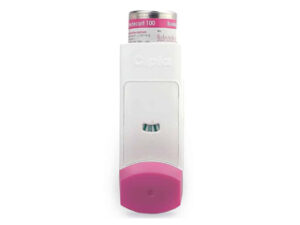
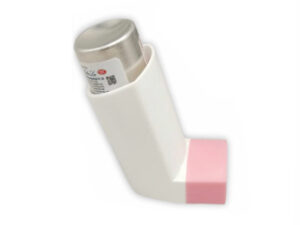
Budesonide Capsules (BudesoNide Caps) – Patient Information (Australia)
Budesonide capsules (often referred to as Budesonide Caps) contain budesonide, a medicine that helps reduce inflammation in the gut and airways. This guide explains how budesonide works, how it’s typically used, what to expect, and important safety information. It is written for patients and carers in Australia.
| Product name | Budesonide Capsules (Budesonide Caps) |
|---|---|
| Active ingredient | Budesonide |
| Medicine type | Inhaled/oral corticosteroid (anti-inflammatory steroid) |
| Common uses (examples) | Certain inflammatory conditions affecting the intestines; some allergic/immune-related conditions depending on formulation |
| How it works | Reduces inflammation locally and helps calm overactive immune responses |
| Typical onset | Some improvement may be noticed in days; full effect can take weeks |
Key points to know
- Budesonide is a corticosteroid that targets inflammation with a lower whole-body steroid exposure than some alternatives.
- Follow the dosing schedule exactly and don’t stop suddenly without advice.
- Many formulations are designed for local action—timing and swallowing technique matter.
- Report infections or worsening symptoms promptly.
- Drug interactions can be important, especially with medicines that affect liver enzymes (CYP3A4).
What is budesonide and how does it work?
Budesonide belongs to the corticosteroid family. Corticosteroids reduce inflammation by influencing multiple pathways in the immune system. In the digestive tract, certain budesonide capsules are designed to deliver the medicine to the area of inflammation. This helps to reduce swelling, irritation, and abnormal immune activity.
Mechanism of action (simple explanation)
- Budesonide binds to glucocorticoid receptors, which act like “switches” inside cells.
- This leads to decreased production of inflammatory substances (such as certain cytokines and inflammatory mediators).
- Blood vessels in the inflamed area become less “leaky,” which reduces tissue swelling.
- Over time, symptoms such as diarrhoea, abdominal discomfort, and urgency can improve (depending on condition).
Pharmacokinetics (how your body handles budesonide)
Pharmacokinetics describes what happens after taking a dose: absorption, distribution, metabolism, and elimination. Budesonide is commonly subject to significant metabolism in the liver.
Absorption
With capsules designed for gut delivery, absorption occurs primarily after the capsule shell dissolves at the intended site. The exact absorption profile can vary by formulation and whether you take the medicine with food.
Metabolism
Budesonide is metabolised mainly in the liver by enzymes including CYP3A4. This is a key reason interactions with certain medicines can raise or lower budesonide levels in the body.
Elimination
Metabolites are eliminated primarily via the kidneys (urine) and to a lesser extent through other routes. Overall, the medicine is cleared from the body fairly efficiently compared with some other corticosteroids.
Typical uses in Australia (what budesonide caps may be used for)
Budesonide capsules are used for conditions where reducing inflammation in the gastrointestinal tract is beneficial. The exact approved indications can vary by product and formulation strength. Common examples (depending on the specific budesonide capsule formulation available in Australia) include:
- Inflammatory bowel diseases in selected patients—particularly when targeted gut inflammation control is needed.
- Other inflammatory conditions of the intestine as determined by your treating clinician and product-specific instructions.
- Immune-mediated gastrointestinal conditions under specialist direction, where local corticosteroid action is appropriate.
If you’re unsure which condition your capsules are meant to treat, check the patient information leaflet inside the pack or ask your pharmacist.
Indications and treatment goals
In practice, budesonide is often used to:
- Induce remission by reducing active inflammation
- Maintain control in some treatment plans (depending on condition and duration)
- Reduce symptoms such as abdominal pain, diarrhoea, urgency, or inflammation-related discomfort
Dose and timing: how to take budesonide capsules
Dosing depends on the specific formulation, the condition being treated, your age, and your response to therapy. Always follow the instructions provided by your healthcare professional and the product label.
Typical adult dosing patterns (general guidance)
Because budesonide capsules can be used for different indications and strengths, dosing can differ substantially. Common regimens in clinical practice may include once- or twice-daily dosing during a defined course.
Important: Do not use the “typical” ranges below to decide your own dose—use them only as a general orientation. Your pack instructions are the best guide.
- Initial phase: often once daily or divided doses depending on the formulation and diagnosis.
- Adjustment/maintenance: may involve dose changes or step-down strategies.
- Children: dosing must be determined by a clinician using age/weight and condition-specific guidance.
When to take your dose
Many gut-targeted budesonide capsules are taken once daily in the morning. Some regimens use divided dosing (morning and evening). If your product leaflet specifies a particular timing or fasting requirement, follow that advice.
Practical tips:
- Take the capsule at the same time each day.
- Swallow whole with water—don’t crush or chew unless the product instructions say it can be opened or mixed.
- Try not to miss doses; take the missed dose only if it’s close to the scheduled time.
- If you are tapering down, adhere to the planned schedule.
Forgetting a dose
If you miss a dose, take it when you remember unless it’s near the time of the next dose. Do not double up unless your pharmacist or clinician advises this.
How long does it take to work?
Response can vary. Some people notice improvement within days, but full benefit may take several weeks. If symptoms worsen or don’t improve as expected, contact your healthcare professional rather than changing your dose on your own.
Food interactions: can you take budesonide caps with meals?
Food can affect how certain medications are absorbed. The best guidance depends on the specific capsule formulation. In general:
- Follow the product leaflet instructions about taking with food or on an empty stomach.
- If your leaflet recommends taking at a particular time relative to meals, it is because it supports consistent delivery and absorption.
- Avoid making frequent changes to your meal pattern while starting treatment if possible.
Contact your pharmacist if you’re unsure how your specific product should be taken.
Alcohol and medicine interactions
Alcohol may increase the risk of side effects such as stomach irritation and can affect immune function. While there isn’t always a direct “hard stop” interaction for budesonide, it’s wise to:
- Limit or avoid alcohol during treatment, especially if you have gastritis, reflux, or liver concerns.
- Be cautious if you take other medicines that affect the stomach, liver, or immune system.
- Seek advice if you have frequent alcohol intake or liver disease.
If you’re unsure, ask your pharmacist how alcohol fits with your overall medication plan.
Medicine interactions (including common interaction categories)
Because budesonide is metabolised in the liver (including CYP3A4), medications that alter CYP3A4 activity can change budesonide levels. This may increase side effects or reduce effectiveness.
Medicines that may increase budesonide levels
- Some antifungal medicines (e.g., certain azole antifungals)
- Some antibiotics (e.g., macrolides such as clarithromycin)
- Some antivirals used for viral infections
- Grapefruit products may also affect CYP3A4 in some people
Medicines that may decrease budesonide levels
- Some seizure medicines (antiepileptics)
- Rifampicin and other liver-enzyme inducers
- Herbal products such as St John’s wort
Other important interaction considerations
- Other corticosteroids: combining steroid therapies may increase total steroid exposure.
- Immunosuppressants: may increase infection risk.
- Non-steroidal anti-inflammatory drugs (NSAIDs): can irritate the stomach; discuss if you require regular NSAIDs.
- Live vaccines: corticosteroids can affect the immune response—your clinician may advise timing for vaccines.
Always give your pharmacist a complete list of medicines and supplements you take, including “natural” products.
Safety profile: side effects and when to seek help
Like all medicines, budesonide capsules can cause side effects. Many people tolerate budesonide well, especially when used as directed. However, corticosteroids can still have risks.
Common side effects
- Headache
- Nausea or indigestion
- Acne or skin changes
- Fatigue
- Changes in mood or sleep (more likely with higher doses)
- Fluid retention (less common than with some other steroids, but possible)
Less common but important risks
- Infections (because corticosteroids can lower immune response)
- Adrenal suppression (your body’s own steroid production can be affected, especially with higher doses or longer courses)
- Eye problems such as cataracts or glaucoma with prolonged steroid exposure (less likely with shorter courses but possible)
- Bone thinning (osteoporosis risk increases with long-term steroid use)
- Blood sugar changes, which may matter for people with diabetes
Seek urgent medical attention if
- Signs of a serious infection: fever, severe sore throat, painful swallowing, or rapidly worsening symptoms
- Shortness of breath, chest pain, or swelling of the face/lips (possible allergic reaction)
- Severe abdominal pain, vomiting, black/tarry stools, or blood in stool
- Confusion, severe weakness, or fainting
For routine concerns about side effects, contact your pharmacist or clinician.
Do not stop suddenly
If you’ve been taking budesonide for more than a short time, stopping abruptly may cause problems. Your healthcare professional may reduce the dose gradually (tapering) to allow your adrenal glands to recover.
Practical use tips (to get the best results)
- Use a daily reminder (phone alarm, calendar) to improve adherence.
- Swallow whole with water as directed to protect the capsule’s intended release pattern.
- Keep track of symptoms: note stool frequency, urgency, abdominal discomfort, and any side effects.
- Monitor for infections: if you develop fever or feel unusually unwell, seek advice sooner.
- Bone and general health support: if your course is prolonged, ask your clinician about calcium/vitamin D and bone protection strategies.
- Regular check-ins may be needed, particularly if you have diabetes, high blood pressure, glaucoma, or a history of infections.
Alternative options
Depending on the underlying condition and severity, alternative treatments may include other corticosteroid formulations, anti-inflammatory or immune-modifying medicines, dietary therapies, or supportive treatments. The best option depends on your diagnosis and medical history.
Examples of alternatives (discuss with your clinician)
- Other corticosteroids (different delivery routes or systemic steroids in certain cases)
- Immunomodulators or targeted therapies for inflammatory bowel disease (specialist-led)
- 5-aminosalicylates (in selected inflammatory bowel disease patterns)
- Supportive treatments such as symptom control for diarrhoea or pain management
Don’t switch therapies without medical guidance, particularly if symptoms are active or you’re on a planned taper.
Market and legal context in Australia
In Australia, medicines are regulated under the Therapeutic Goods Administration (TGA). Product availability, pack labelling, and prescribing/dispensing requirements depend on the specific medicine and formulation. Some corticosteroid-containing medicines may have different scheduling and restrictions.
Online pharmacies typically require verification of eligibility and safe supply processes in line with Australian laws and professional standards. Always ensure you’re purchasing the correct product for your needs and that it matches the strength and formulation you were advised.
Recent guidance and monitoring (what patients should watch for)
Clinical guidance for inflammatory conditions commonly emphasises:
- Using the lowest effective steroid dose for the shortest necessary duration
- Monitoring for side effects, especially during longer treatment courses
- Assessing infection risk and advising prompt review if fever or unusual infections occur
- Considering bone health and metabolic monitoring when steroids are used for extended periods
Your treating clinician may tailor monitoring based on your dose, duration, and medical history.
Delivery and availability
Availability can vary depending on stock levels and the specific brand/formulation. Many online pharmacies offer:
- Home delivery across Australia (areas may vary)
- Tracking updates once your order is dispatched
- Multiple packaging options depending on product size
To avoid treatment delays, consider ordering ahead of time and checking expected dispatch times. If your medication schedule is tight, contact customer support to discuss stock and delivery estimates.
FAQ
1) Is budesonide the same as prednisone?
Budesonide and prednisone are both corticosteroids, but they are different medicines with different properties and routes of action. Budesonide has a strong “local” effect for some gut-targeted formulations and is metabolised quickly in the liver. The choice depends on your condition and the formulation available.
2) How should I store my budesonide capsules?
Store as directed on the pack. In general, keep capsules in a cool, dry place away from direct heat and moisture. Keep medicines out of reach of children.
3) What should I do if I experience side effects?
Mild side effects (like headache or indigestion) may settle as your body adjusts. If side effects are severe, worsening, or you develop symptoms of infection, seek medical advice promptly.
4) Can I take budesonide with other medicines?
Many medicines can interact with budesonide, especially those affecting CYP3A4 metabolism. Tell your pharmacist about all prescription medicines, over-the-counter products, and supplements.
5) Do I need to avoid vaccines?
Steroids can affect how the immune system responds. Vaccine recommendations depend on dose and duration. Discuss with your clinician or pharmacist, especially if you’re planning any vaccination schedule.
6) Will budesonide affect my long-term health?
Risk increases with higher doses and longer courses. For shorter targeted courses, many people have fewer systemic effects. If your treatment is prolonged, monitoring may be recommended for bone health, eye health, blood sugar, and infection risk.
7) Can I drink alcohol while taking budesonide?
Moderate alcohol may be tolerated by some people, but alcohol can increase the risk of stomach irritation and may affect overall health. If you drink alcohol, consider limiting it and discuss with your pharmacist—especially if you have gastrointestinal symptoms or liver-related concerns.
8) What if I don’t feel better after starting?
Some improvement may take time. However, if symptoms do not improve, worsen, or you develop fever or severe pain, contact your healthcare professional for assessment. Do not change the dose or stop suddenly without advice.
9) Are there dietary restrictions?
There are usually no broad dietary restrictions, but food can influence how some formulations behave. Follow the product leaflet regarding whether to take with food or at a specific time relative to meals.
10) Can I take budesonide if I have an infection?
If you have an active infection or develop signs of infection (fever, chills, or worsening illness), seek medical advice before continuing as normal. Steroids may mask symptoms in some cases.
Important safety statement
This information is general and may not cover every situation. Always read the consumer medicine information (CMI) leaflet supplied with your product. If you have questions about your specific dose, condition, or interactions with your other medicines, consult your pharmacist or doctor.