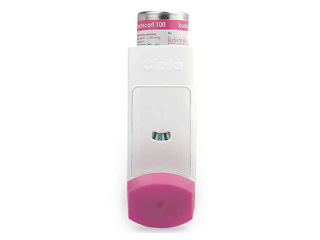
Budecort (Budesonide) – Patient Guide (Australia)
Budecort is a brand of budesonide, a medicine that belongs to the corticosteroid (anti-inflammatory) family. It is used to reduce inflammation in specific conditions, including asthma and certain inflammatory diseases of the gut, depending on the product formulation.
This page provides general, patient-friendly information about budesonide, including how it works, how it is used, important interactions and safety considerations, and practical tips for getting the best results. Always follow the instructions provided with your product and consult a healthcare professional if you are unsure.
Basic product information
| Category | Details |
|---|---|
| Medicine | Budecort (budesonide) |
| Class | Glucocorticoid (corticosteroid) |
| Common forms | In Australia, budesonide may be available as inhaled formulations (e.g., inhalers/nebuliser suspensions) and oral formulations for gut conditions (depending on brand/product line). |
| Key benefit | Reduces inflammation and swelling in the affected airways or gut lining |
| Typical use | Asthma and inflammatory conditions of the airways or gastrointestinal tract (varies by formulation) |
Note: Budecort products come in different forms and strengths. Your dosing and instructions depend on the exact product you have (for example, inhalation vs oral). This guide is general and may not match every product variant.
How Budecort works (mechanism of action)
Budesonide is a steroid that works mainly by reducing inflammatory processes. It enters cells and influences gene activity related to inflammation, leading to:
- Lower production of inflammatory chemicals that contribute to swelling and mucus.
- Improved control of airway inflammation in asthma, helping reduce symptoms like wheeze, coughing, and breathlessness.
- Reduced inflammatory changes in the gut lining for certain gastrointestinal conditions (again, depending on formulation).
Budesonide is designed to act locally in the target organ (e.g., lungs or gut) and has relatively high “first-pass” metabolism in the liver compared with some other corticosteroids. This can reduce overall steroid exposure to the rest of the body.
Pharmacokinetics (how the body handles budesonide)
Pharmacokinetics describes absorption, distribution, metabolism, and excretion.
Absorption
- Inhaled budesonide: absorption occurs through lung tissues. Some portion is swallowed after inhalation (depending on technique), which may still be relevant for safety and overall exposure.
- Oral budesonide (gut-directed formulations): absorption can occur from the gastrointestinal tract; specific formulations may target the intestine and release the drug locally.
Distribution
After absorption, budesonide distributes throughout the body. Because corticosteroids act on multiple systems, the extent of systemic exposure matters for long-term safety.
Metabolism
Budesonide is extensively metabolised in the liver (first-pass metabolism), producing metabolites with less corticosteroid activity than the parent drug.
Elimination
Metabolites are eliminated primarily through the kidneys and/or via bile pathways (depending on the metabolic route). The overall clearance contributes to why budesonide can have more local effect than some other steroids.
Practical takeaway: Even though budesonide is often effective locally, some systemic absorption can occur—especially at higher doses or with long-term use—so side effects are still possible.
Typical use and when it works
Budecort is used as a controller medicine. It helps manage ongoing inflammation to prevent symptoms from worsening.
Timing and onset
- Asthma symptoms: Some people notice improvement within a few hours to days, but the full anti-inflammatory benefit may take several days (and sometimes longer) after starting or increasing the dose.
- Gut inflammation (oral formulations): improvement may take days to weeks, depending on the condition and formulation.
Important: Budecort is generally not for immediate relief of sudden asthma attacks or sudden severe symptoms (unless your product specifically indicates otherwise). Always follow an emergency action plan for acute attacks.
Food interactions
Food effects depend on the formulation.
- Inhaled budesonide: food does not usually directly affect the inhaled dose. However, if you swallow some of the inhaled medicine, overall absorption may change slightly depending on gastric contents.
- Oral/in-the-gut formulations: some formulations are designed to release the drug in the gut and may have specific instructions regarding taking with or without food. Follow the exact product directions.
Tip: If your product leaflet advises taking with food, it may help reduce stomach irritation. If it advises taking on an empty stomach, it may relate to release characteristics.
Alcohol and medicine interactions
Alcohol
Moderate alcohol intake is not commonly listed as a direct interaction with budesonide. However, if budesonide is taken long-term at higher doses, it’s sensible to limit alcohol due to general steroid-related considerations (e.g., effects on mood, sleep, and the immune response).
- If you have liver disease, discuss alcohol use with your clinician/pharmacist because liver metabolism affects drug handling.
- Heavy drinking can increase risk of side effects and may worsen some conditions (e.g., infections, reflux, gastrointestinal irritation).
Other medicines (important interactions)
Because budesonide is metabolised in the liver, medicines that affect liver enzymes can change budesonide levels.
- CYP3A4 inhibitors may increase budesonide exposure, raising the chance of steroid-related side effects (e.g., Cushing-like features, adrenal suppression). Examples include some antifungals and certain antibiotics.
- CYP3A4 inducers may reduce budesonide effectiveness by lowering exposure (some anti-seizure medicines, certain herbal products).
- Other corticosteroids (oral tablets, injections, or higher-dose inhaled therapy) may increase overall steroid burden.
- Medicines that affect immune function (e.g., chemotherapy, immunosuppressants) may increase infection risk.
Herbal supplements: Some herbal products can affect liver enzymes (for example, St John’s wort). Check with a pharmacist before using supplements.
Always tell your pharmacist about all medicines, including over-the-counter products and supplements, so they can screen for interactions.
Indications (what Budecort is used for)
Budesonide is used to treat inflammatory conditions. The exact indication depends on the formulation and brand packaging.
Common indications include:
- Asthma (especially to control chronic inflammation and reduce flare-ups; inhaled budesonide)
- Croup in children in some settings (inhaled/nebuliser forms may be used under medical guidance)
- Inflammatory bowel disease and other inflammatory gut conditions where budesonide is designed to release locally (oral/gut-targeted products)
Not all Budecort products cover all indications. If you’re unsure what your product is intended for, check the label or packaging information.
Dosing (general guidance)
Dose depends on the condition, severity, age, and the specific formulation/strength. Do not compare doses across different budesonide products or between inhaled and oral forms.
General principles
- Use the lowest effective dose that controls symptoms.
- After improvement, some patients can be stepped down gradually as advised.
- Start and adjust dosing according to clinical assessment rather than by symptom fluctuation alone.
Example timing for inhaled controller therapy
- Many inhaled corticosteroid regimens are taken once or twice daily depending on dose and device instructions.
- If twice daily, doses are often scheduled morning and evening to maintain anti-inflammatory effect.
Example timing for gut-targeted therapy
- Oral budesonide formulations may be taken once daily or multiple times daily based on the product and condition.
- Some instructions require taking at a certain time relative to meals—follow the leaflet.
Missed dose: If you miss a dose, take it as soon as you remember if it’s not close to the next dose. Skip the missed dose if near the next one. Do not double up unless your product instructions advise otherwise.
Safety profile (what to watch for)
Most people tolerate budesonide well, especially at recommended doses. However, corticosteroids can cause side effects, particularly with higher doses, long-term use, or when combined with other steroids.
Common or manageable side effects
- Inhaled forms: hoarseness, throat irritation, cough, or oral thrush (fungal infection). These can often be reduced with correct inhaler technique and rinsing the mouth after use.
- Oral/gut forms: gastrointestinal discomfort, headache, or nausea in some people.
Serious side effects (seek urgent advice if severe)
- Signs of severe infection (fever, worsening cough, shortness of breath, or feeling very unwell), since corticosteroids can reduce immune response.
- Allergic reactions (swelling of face/lips, difficulty breathing, widespread rash).
- Eye problems with long-term corticosteroid use (blurred vision, eye pain).
Long-term risks (especially with higher doses)
- Adrenal suppression (the body’s natural steroid production may reduce). This risk is higher with systemic steroid exposure or higher steroid doses.
- Bone thinning (osteoporosis) over prolonged periods.
- Skin thinning, easy bruising, or stretch marks.
- Growth effects in children—inhaled corticosteroids can affect growth velocity; monitoring is important.
- Metabolic changes (blood sugar changes, weight changes) in some individuals.
- Mood and sleep changes (irritability, mood swings, insomnia), though these are more common with systemic steroids.
Important: If you need to stop budesonide after regular use, do not stop suddenly unless advised. Corticosteroid withdrawal can be harmful. Clinicians may taper doses gradually.
Practical use tips (to improve results and reduce side effects)
If using inhaled Budecort
- Use correct technique: incorrect technique can reduce medicine delivery and increase side effects.
- Rinse and spit after each dose (or brush teeth if advised) to reduce risk of thrush and hoarseness.
- Use a spacer if your device and plan recommend it (often helpful for reducing throat deposition).
- Check your inhaler: keep track of doses left, and store the device properly.
- Keep an “asthma action plan” for rescue treatment and monitoring symptoms.
If using oral/gut-directed Budecort
- Follow the exact schedule on the label (once daily vs divided doses).
- Follow food instructions precisely if specified.
- Take note of symptom changes (e.g., bowel frequency, blood in stool, abdominal pain) and report significant worsening.
- Don’t abruptly stop if you have been using it regularly for a while.
General tips
- Adherence matters: controller medicines work best when taken consistently.
- Report persistent side effects early—your clinician may adjust the dose or device/technique.
- Vaccinations: talk to a clinician about appropriate vaccinations, especially before live vaccines if you are on significant steroid therapy.
Alternative options
If Budecort is not suitable (for example, due to side effects, formulation mismatch, or drug interactions), there are other treatment options depending on the condition.
Asthma alternatives (inhaled controller medicines)
- Other inhaled corticosteroids (e.g., fluticasone, beclomethasone, mometasone, depending on availability and suitability)
- Combination inhalers that include an inhaled corticosteroid plus a long-acting bronchodilator (your clinician can advise based on severity)
- Other controller treatments such as leukotriene receptor antagonists or biologics for selected patients
Inflammatory bowel disease/gut alternatives
- Other corticosteroids (some are systemically active; others are designed for gut release)
- Non-steroid anti-inflammatory medicines (e.g., certain immunomodulators) depending on diagnosis and severity
- Biologic therapies for specific disease types
Choosing an alternative depends on diagnosis, severity, and your medical history. Discuss options with your healthcare professional.
Market and legal context in Australia (overview)
In Australia, medicines such as budesonide are regulated under the Therapeutic Goods Administration (TGA) framework. Product availability, indications, and instructions are determined by the TGA-approved prescribing information and consumer medicine information for the specific product.
Always ensure you are using a product that matches the intended condition and administration route. Online pharmacy listings should provide clear information on:
- Active ingredient and strength
- Dosage form (inhaler, nebuliser suspension, oral capsule/foam, etc.)
- How to take or use it safely
- Storage requirements and expiry date
Recent guidance: Australian asthma and inflammatory bowel disease management guidance continues to emphasise anti-inflammatory controller therapy, correct inhaler technique, and reviewing treatment regularly to use the lowest effective steroid dose. For asthma, inhaled corticosteroids remain a core controller therapy, with step-up/step-down adjustments based on control and exacerbation history. For inflammatory bowel conditions, budesonide is often positioned as a targeted steroid option in selected circumstances, with ongoing review to minimise steroid exposure where possible.
Delivery and availability (online pharmacy)
Budecort (budesonide) availability may vary by formulation and strength. When ordering from an Australian online pharmacy, delivery options commonly depend on:
- Stock levels at the time of order
- Geographic location (metro vs regional)
- Shipping cut-off times
- Temperature and storage needs (most budesonide products have standard storage instructions, but always check the label)
What to check before you order:
- Confirm the active ingredient and formulation match your current therapy.
- Check strength and device type (for inhaled products).
- Verify expiry date and storage instructions.
If you need help selecting the right product, a pharmacist can assist with matching the correct formulation to your use.
FAQ – Common questions about Budecort (budesonide)
1) What is Budecort used for?
Budecort contains budesonide, an anti-inflammatory corticosteroid. It is used as a controller medicine for conditions such as asthma (inhaled forms) and certain inflammatory gut conditions (gut-targeted oral forms), depending on the specific product formulation.
2) How long does Budecort take to work?
For asthma, some improvement may occur within days, but full anti-inflammatory benefit can take longer. For gut inflammation, improvement may take days to weeks. If you don’t feel better as expected, speak with your healthcare professional rather than adjusting doses on your own.
3) Can I use Budecort for sudden breathing problems?
In most cases, inhaled budesonide is not a “rescue” medicine for sudden attacks. Use your prescribed rescue plan for acute symptoms. Always follow your asthma action plan.
4) How should I take inhaled Budecort to reduce thrush?
Use correct inhaler technique, consider using a spacer if recommended, and rinse your mouth and spit after each dose (or brush teeth if advised). Report symptoms of thrush (white patches in the mouth, soreness) to a clinician promptly.
5) Does food affect Budecort?
It depends on the formulation. Inhaled forms are usually not significantly affected by food. Oral/gut-directed formulations may have specific instructions about meals—follow the product leaflet exactly.
6) What interactions should I be aware of?
Medicines that affect liver enzymes (notably CYP3A4) can change budesonide levels. Tell your pharmacist about all medicines and supplements, especially antifungals, some antibiotics, anti-seizure medicines, and herbal products such as St John’s wort.
7) Is it safe to drink alcohol while using Budecort?
Moderate alcohol is not usually a direct interaction, but limiting alcohol is sensible, especially with long-term or higher-dose use or if you have liver problems.
8) What side effects are most common?
Inhaled budesonide commonly causes hoarseness or throat irritation and can lead to thrush if mouth rinsing is not done. Oral forms may cause headache or gastrointestinal discomfort. Seek medical advice for severe or persistent symptoms.
9) Can Budecort be used long-term?
It may be used long-term for chronic conditions, but clinicians aim to use the lowest effective dose and to monitor for side effects. Do not stop abruptly without medical guidance.
10) How do I store Budecort?
Storage depends on the product. Check the label for temperature and protection from moisture/light. Keep the medicine out of reach of children and follow expiry dates.
When to seek urgent medical help
Get urgent help or contact a healthcare professional promptly if you experience:
- Severe allergic reaction symptoms (swelling, difficulty breathing, widespread rash)
- Signs of serious infection (high fever, rapidly worsening cough, shortness of breath beyond usual asthma symptoms, feeling very unwell)
- Severe worsening of breathing despite your rescue plan
- Eye pain or sudden vision changes
Summary: Budecort (budesonide) is an anti-inflammatory corticosteroid used to control chronic inflammation in conditions such as asthma and certain gastrointestinal inflammatory disorders (depending on formulation). It works by reducing inflammatory pathways, tends to have local effects, and has established safety when used correctly. Proper technique (for inhaled products), adherence, and awareness of interactions and side effects help maximise benefits and minimise risks.