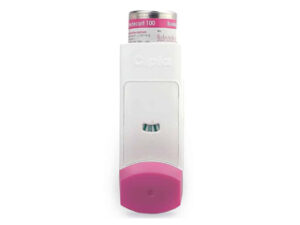

Clenbuterol (Clenbuterol Hydrochloride): Patient-Friendly Overview (Australia)
Clenbuterol is a medicine that has been used for conditions involving airway narrowing and breathing difficulties. In some countries, it has also been discussed in sports and body-building circles; however, its medical use and availability can vary widely by regulation. This page provides general, patient-friendly information about what clenbuterol is, how it works, typical use considerations, safety, and practical tips—tailored for an Australia audience.
Important: Always follow the advice of a qualified healthcare professional and the product label. If you have asthma, chronic obstructive pulmonary disease (COPD), heart rhythm problems, or other significant medical conditions, talk with a clinician before using any beta-2 agonist medicine.
Basic Product Information
| Category | Details |
|---|---|
| Generic name | Clenbuterol |
| Common format | Oral tablets or syrups (availability varies by market) |
| Medicine class | Beta-2 adrenergic agonist (also has sympathomimetic activity) |
| Typical therapeutic aim | Bronchodilation and relief of airway constriction |
| Key risks | Tremor, palpitations, fast heart rate, anxiety, muscle cramps; caution with heart disease and certain medicines |
What Clenbuterol Does: Mechanism of Action
Clenbuterol belongs to the beta-2 adrenergic agonist group. It works primarily by binding to beta-2 receptors in the airways. When these receptors are activated, the smooth muscle surrounding the bronchi relaxes, helping to open the airways and improve breathing.
In addition to its bronchodilating effect, clenbuterol may influence other tissues that respond to beta-2 stimulation. This broader activity is part of why side effects can occur—especially those related to the sympathetic (fight-or-flight) response.
- Airway effect: Relaxation of bronchial smooth muscle (bronchodilation)
- Systemic effects: Possible stimulation of the heart and nervous system
- Clinical result: Reduced shortness of breath and wheeze in relevant conditions
Pharmacokinetics (How the Body Handles Clenbuterol)
Pharmacokinetics describes what the body does to a medicine—how it is absorbed, distributed, metabolised, and eliminated.
- Absorption: Clenbuterol is typically absorbed after oral administration. Onset depends on the dose form and individual factors (including metabolism).
- Distribution: It distributes throughout the body and can persist longer than many short-acting inhaled bronchodilators.
- Metabolism: It is metabolised mainly in the liver by enzymatic pathways.
- Elimination: The drug and/or its metabolites are cleared over time via liver metabolism and excretion.
Clinical implication: Because clenbuterol may have a relatively prolonged effect compared with very short-acting beta agonists, dosing schedules may differ, and side effects can be more noticeable if the dose is too high or combined with other stimulants.
Typical Uses and Indications
Clenbuterol has been used for breathing-related conditions where bronchodilation is needed. Its exact approved indications depend on the product, formulation, and regulatory status in Australia.
In general, clenbuterol may be used for:
- Bronchospasm associated with certain airway diseases
- Symptomatic relief of wheezing and breathlessness where a beta-2 agonist is appropriate
- Adjunct therapy in some treatment plans under clinical guidance
Not a substitute for emergency asthma care: If you have asthma and symptoms are severe or worsening, seek urgent medical attention. Always have your recommended emergency plan.
How to Take Clenbuterol: Timing and Practical Dosing Considerations
Dosage and timing are highly individual and depend on age, the condition being treated, other medicines, and tolerability.
General patient-friendly principles:
- Start low, go slow: Many people experience side effects (especially tremor or palpitations) soon after starting.
- Try to take it at consistent times: This helps maintain predictable effects and reduces the chance of missed or doubled doses.
- Do not adjust dose without guidance: Higher doses increase side effect risk.
Timing with daily routine: If it is prescribed for ongoing symptom control, clinicians may recommend splitting doses across the day depending on expected duration and side-effect profile. For long-acting symptom control, dosing might be scheduled once or more times daily—follow your specific instructions.
Note: Some clenbuterol products historically have been discussed as having longer duration, so timing may differ from short-acting inhalers.
Food Interactions and What to Watch For
Many beta-2 agonist medicines can be taken with or without food. For clenbuterol, food typically does not drastically reduce effectiveness, but individual product instructions should always be followed.
- General approach: Take with water; you may take it with food if it upsets your stomach.
- Avoid heavy meals right before use if sensitive: Some people report nausea or stomach discomfort with sympathomimetic medicines.
- Consistency matters: Try to keep the timing relative to meals consistent.
If you notice side effects worsen after certain foods, track patterns and discuss them with a healthcare professional.
Alcohol and Medicine Interactions
Because clenbuterol can increase sympathetic activity (e.g., faster heart rate, palpitations, tremor), alcohol may worsen side effects for some people.
Alcohol
- Increased risk of dizziness or lightheadedness: especially during the first days of therapy.
- Possible worsening of palpitations: alcohol can affect heart rhythm in susceptible individuals.
- Sleep and anxiety effects: alcohol may intensify nervousness or poor coordination.
Other medicines that may interact
Interactions depend on your personal medication list, but common categories that may require caution include:
- Other beta-agonists: combining can increase side effect burden (tremor, heart rate).
- Stimulants and decongestants: medicines for colds (e.g., some products containing stimulatory ingredients) can increase palpitations and jitteriness.
- Heart rhythm medicines (antiarrhythmics): may increase arrhythmia risk when combined with sympathomimetics.
- Thyroid hormone: if you take levothyroxine, discuss dose stability and symptom changes.
- Diuretics: can affect potassium levels; low potassium can increase risk of rhythm problems.
- Certain antidepressants (including some MAO inhibitors and tricyclics): may heighten cardiovascular effects.
Action step: Before starting clenbuterol, review your complete list of medicines (including herbal supplements and over-the-counter products) with a healthcare professional or pharmacist.
Safety Profile: Side Effects and When to Seek Help
Like all medicines, clenbuterol can cause side effects. Many people experience mild effects early on, while others may develop more serious symptoms—especially at higher doses or with sensitive heart or nervous system conditions.
Common side effects
- Tremor (shaking, fine tremor)
- Headache
- Palpitations or awareness of heartbeat
- Fast heart rate (tachycardia)
- Nervousness, restlessness, or anxiety
- Muscle cramps
- Insomnia (especially if taken later in the day)
Less common but important risks
- Heart rhythm disturbances (arrhythmias), particularly in those with existing cardiac disease
- Chest pain or significant shortness of breath beyond expected bronchodilation
- Severe allergic reactions (rare, but seek urgent care)
- Low potassium (hypokalaemia)—may contribute to cramps or rhythm concerns
Seek urgent medical attention if you experience
- Severe chest pain, fainting, or severe dizziness
- Irregular heartbeat that persists or is accompanied by weakness
- Swelling of the face/lips, rash/hives, or difficulty breathing
- Sudden worsening of breathing symptoms
Practical Use Tips (Safe, Real-World Guidance)
These tips can help you use clenbuterol more safely and comfortably:
- Monitor early effects: Pay attention during the first few doses to tremor, heart rate, and anxiety.
- Check your pulse if concerned: If you have a heart condition or feel palpitations, monitor your pulse and seek advice if it’s persistently too fast or irregular.
- Stay hydrated: Helps reduce headache and may support overall comfort.
- Avoid double dosing: Use a daily reminder and confirm your dose before taking it.
- Be cautious with caffeine: Coffee and energy drinks can compound stimulatory effects.
- Do not combine with “performance” products: Some products sold online may contain clenbuterol or related substances—avoid stacking stimulants.
- Track symptoms: Write down breathing symptoms (wheeze, breathlessness) and side effects to help your clinician adjust therapy appropriately.
Consistency improves tolerability: If side effects are manageable and breathing improves, many patients find a stable routine helps. If side effects become bothersome or worsen, contact a clinician promptly.
Dosing Guidance (General Information)
Dosing must be individualised. Because safe use depends on your health status and response, this section provides only general principles—not a personal dosing plan.
- Adults: Typically started at a lower dose and adjusted based on response and side effects.
- Children and adolescents: Dosing is especially sensitive to age, weight, and clinical indication; only use under strict medical guidance.
- Older adults: Consider increased sensitivity to cardiovascular effects.
- Renal/hepatic impairment: If you have liver or kidney disease, metabolism and clearance may be affected—clinician review is important.
Never exceed the recommended dose. Higher doses increase the likelihood of tremor, palpitations, and other serious effects. If you miss a dose, follow the directions on your product label; do not take extra doses to “catch up” without advice.
How Long Does It Take to Work?
Onset varies by person and formulation. In many cases, bronchodilation may be noticed within a relatively short period after taking a dose. Because clenbuterol’s duration may be longer than some short-acting agents, the timing of symptom relief can also vary.
- Expected symptom relief: Often within hours, depending on the dose and individual response.
- Peak effects: May occur after absorption and distribution.
- Duration of effect: May last longer than very short-acting bronchodilators, supporting scheduled dosing.
If you do not notice improvement or symptoms worsen, do not simply increase your dose—seek clinical advice.
Alternative Options (Depending on Your Condition)
If clenbuterol is not suitable—or if you experience troublesome side effects—your healthcare professional may consider alternatives based on your specific diagnosis and severity.
Common bronchodilator alternatives
- Inhaled short-acting beta-2 agonists (often used for quick relief)
- Inhaled long-acting beta-2 agonists (for maintenance control)
- Anticholinergic inhalers (help relax airway muscles via a different pathway)
- Inhaled corticosteroids (particularly for asthma control)
- Combination inhalers (for patients needing both bronchodilation and anti-inflammatory control)
Choosing an alternative: The “best” option depends on whether the goal is quick symptom relief, long-term control, or both, and on your personal risk factors.
Market and Legal Context for Australia
Medicine availability and legality in Australia are governed by regulatory frameworks that include controls around scheduling, supply, and importation. Not all products containing clenbuterol are legally available for routine consumer supply, and quality and authenticity can vary significantly when medicines are sourced through unofficial channels.
Key points for Australians:
- Regulatory status may differ: Products may be scheduled or restricted depending on intended use and formulation.
- Quality matters: Only use medicines from reputable, lawful supply channels.
- Public health and safety concerns: Misuse and contamination risks can be serious.
- Sports and workplace considerations: Certain substances may be prohibited in testing programs or regulated environments.
If you are considering clenbuterol for a medical reason, confirm that a product is legally supplied and appropriate for your condition through appropriate healthcare channels.
Recent Guidance and Updates (How to Stay Informed)
Clinical practice and regulatory guidance can evolve. For the most current information relevant to your situation, consider:
- Following Australian clinical guidelines for asthma/COPD management and bronchospasm treatment
- Checking updates from medicines regulators regarding scheduling and supply
- Discussing concerns with your pharmacist, particularly about safety with heart disease, anxiety, or interacting medications
If you have a chronic breathing condition, periodic review of your treatment plan is important, especially if you are experiencing increasing symptoms or frequent rescue inhaler use.
Delivery and Availability (Australia)
Availability of clenbuterol-containing products may be limited and subject to regulatory controls. For legal and reliable supply, reputable online pharmacies typically only offer medicines that are appropriately authorised and meet Australian standards.
Delivery considerations:
- Dispatch times: May vary by stock status and your location within Australia.
- Shipping methods: Often standard tracked shipping is used for non-temperature-controlled products.
- Packaging: Medicines are typically supplied in original packaging when sourced through legitimate channels.
- Customer support: A pharmacy should provide clear contact options for delivery queries and medication information.
Availability note: If a product is temporarily unavailable, your pharmacy may offer alternatives that meet your clinical needs.
FAQ: Frequently Asked Questions
1) What is clenbuterol used for?
Clenbuterol is used to produce bronchodilation—relaxing airway smooth muscle to help relieve wheezing and breathlessness in appropriate clinical situations. The specific approved indications depend on the product and regulatory status.
2) How quickly will it start working?
Many people notice effects within hours after taking a dose, but the timing can vary depending on the formulation and individual factors. If symptoms do not improve or worsen, seek advice rather than increasing the dose.
3) Can I take clenbuterol with food?
In many cases, it can be taken with or without food. If it upsets your stomach, taking it with a light meal may help. Always follow the product directions.
4) Is it safe to drink alcohol while using clenbuterol?
Alcohol may worsen side effects like dizziness, palpitations, or anxiety. If you choose to drink, do so cautiously and consider avoiding alcohol, especially early in treatment or if you notice palpitations.
5) What side effects are most common?
Common side effects include tremor, headache, palpitations, fast heart rate, nervousness, and muscle cramps.
6) When should I seek urgent help?
Seek urgent medical care if you experience chest pain, fainting, severe dizziness, persistent irregular heartbeat, severe allergic reactions, or sudden significant breathing deterioration.
7) Can clenbuterol interact with other medicines?
Yes. It may interact with other bronchodilators, stimulants/decongestants, heart rhythm medicines, thyroid hormone, diuretics, and some antidepressants. Tell your pharmacist about all medicines and supplements you take.
8) Can I use it for exercise or performance?
Use should be limited to medically appropriate, legally supplied treatment. Misuse can significantly increase cardiovascular and nervous system side effects and may conflict with sporting or workplace rules.
9) What if I miss a dose?
Check the product label or directions provided by your pharmacy/clinician. In general, do not take extra doses to “catch up” without advice.
10) Are there safer alternatives?
There are often alternatives for airway disease, including inhaled bronchodilators and anti-inflammatory therapies. The best option depends on your diagnosis (e.g., asthma vs COPD), severity, and risk factors.
Disclaimer: This information is for general education and does not replace individual clinical assessment. If you have questions about suitability, interactions, or appropriate use for your condition, speak with a qualified healthcare professional or pharmacist.