

Singulair (Montelukast) — Patient-Friendly Information (Australia)
Singulair is a medicine containing montelukast, used to help prevent and manage certain breathing conditions such as asthma and allergic rhinitis (hay fever). It works by blocking a substance in the body called leukotriene, which plays a role in inflammation and airway narrowing.
This guide explains how Singulair works, how it is usually taken, practical tips, safety considerations, and how it fits into treatment options in Australia. Always follow the advice of your healthcare professional and read the consumer medicine information (CMI) provided with your product.
Quick Overview
| Feature | Summary |
|---|---|
| Active ingredient | Montelukast |
| Common uses | Asthma (prevention/control); allergic rhinitis; prevention of exercise-induced bronchoconstriction in some patients |
| How it works | Leukotriene receptor antagonist (blocks CysLT receptors) |
| Typical dosing time | Often once daily in the evening (for many patients); follow your prescribed/label instructions |
| Onset | May help symptoms within hours; for long-term control, regular use is important |
| Key safety note | Some people experience mood or sleep-related changes—seek medical advice if these occur |
Basic Product Information
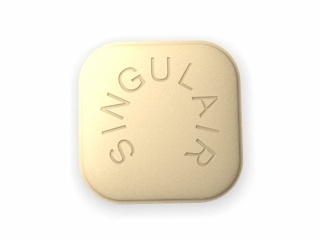
Singulair is available in different strengths and formulations depending on age and indication (for example, tablet and chewable forms). Brand availability can vary. In Australia, medicines are supplied through regulated channels and are subject to changes in funding and supply based on government policies.
Always check the label for the exact strength and directions. Doses differ for children and adults and may vary depending on whether it is used for asthma or allergic rhinitis.
How Singulair Works (Mechanism of Action)
Singulair (montelukast) is a leukotriene receptor antagonist. Leukotrienes are inflammatory chemicals released in the body, especially during allergic responses and asthma. They can cause:
- Airway inflammation (swelling and irritation)
- Bronchoconstriction (tightening of the airway muscles)
- Increased mucus production
Montelukast blocks the CysLT1 receptors for leukotrienes such as LTC4, LTD4 and LTE4. By reducing their effects, it can help prevent symptoms like wheeze, coughing, and chest tightness, and can also improve hay fever symptoms (such as sneezing, runny or blocked nose, and itchy/watery eyes) when used appropriately.
Pharmacokinetics (How the Body Handles It)
Pharmacokinetics describes how a medicine is absorbed, distributed, metabolised, and eliminated. For montelukast, the general patterns include:
- Absorption: It is absorbed after oral dosing, with peak blood levels typically occurring a few hours after taking a dose.
- Distribution: It distributes throughout the body; it may accumulate slightly with regular dosing.
- Metabolism: Montelukast is metabolised in the liver.
- Elimination: It is eliminated mainly via bile and faeces, with a smaller proportion via urine.
In most people, these processes do not require frequent dose adjustments, but your healthcare professional will consider factors such as age, liver function, and the reason you are taking the medicine.
What Singulair Is Used For (Indications)
Singulair is commonly used for the following conditions:
- Asthma control (long-term prevention): Helps reduce asthma symptoms and improve asthma control. It may be used as an additional option when inhaled therapies alone are not sufficient (or as otherwise advised).
- Exercise-induced bronchoconstriction: Helps prevent symptoms related to exercise in some patients.
- Allergic rhinitis (hay fever): Helps relieve nasal symptoms and may help some related symptoms triggered by allergens.
Singulair is typically used to prevent symptoms rather than relieve sudden breathing attacks. For urgent asthma symptoms, people usually rely on their fast-acting reliever inhaler as part of their asthma plan.
Timing and How to Take It
Montelukast is usually taken once daily. Many adults and children are advised to take it in the evening because symptoms such as coughing, wheezing, or night-time discomfort may be more noticeable then.
Common timing tips
- Choose a consistent daily time (often evenings).
- Take it regularly if you are using it for asthma control or prevention.
- If you miss a dose, take it when you remember unless it is close to the time for the next dose. Do not take a double dose to make up for missed doses.
- If you stop, symptoms may return—particularly for allergic rhinitis or asthma control. Discuss stopping with your healthcare professional.
Important: Follow your medication label and clinician directions for your specific strength and age group.
Dosing (General Information)
Dosing depends on your age and the condition being treated. Because formulations vary (for example, chewable vs tablet), dosing can differ across products. Always check the strength listed on your Singulair packaging and follow the instructions provided.
Typical dosing patterns (for general reference):
- Adults and adolescents: commonly once daily in the evening for asthma/allergic rhinitis indications.
- Children: lower doses are used, depending on age and formulation.
Your pharmacist or doctor can confirm the exact dose for you or your child. Do not use someone else’s prescription or dosing guidance.
Food Interactions and Meal Considerations
For montelukast, food is generally not a major issue. It can usually be taken with or without food. However, taking it at a consistent time may help you build a routine.
- If the tablet or chewable form upsets your stomach, consider taking it with a small snack (unless your label advises otherwise).
- Follow any specific instructions about swallowing/chewing provided in the product information.
If you notice a pattern where symptoms worsen after taking montelukast with food or on an empty stomach, speak with a healthcare professional.
Alcohol and Medicine Interactions
Alcohol
There is no widely established direct interaction between montelukast and moderate alcohol for all patients. However, alcohol can worsen asthma symptoms for some people (through irritation, sleep disruption, or reflux).
If you drink alcohol, monitor how your breathing and allergy symptoms respond. Avoid excessive alcohol intake, especially if you notice it triggers wheeze or shortness of breath.
Other medicines (important interactions)
Montelukast can interact with some medicines indirectly through liver metabolism. Always tell your pharmacist or doctor about all medicines you take, including:
- Prescription medicines
- Over-the-counter medicines (including allergy products)
- Herbal supplements
- Vitamins and minerals
In particular, discuss medicines that affect liver enzymes. Your healthcare professional can check interaction risk based on your full medication list.
Practical rule: If you start a new medicine or supplement, ask whether it could affect montelukast or your asthma/allergy control.
Safety Profile and Important Warnings
Singulair is generally well tolerated by many patients. However, there are safety considerations you should know before using it.
Mood and sleep-related changes (key precaution)
Some people taking montelukast have reported neuropsychiatric effects, such as:
- Agitation or anxiety
- Sleep disturbances (including nightmares)
- Depression
- Hallucinations
- Unusual behaviour changes
- Thoughts of self-harm
The risk cannot be fully predicted for an individual person. If you or your child develops new or worsening mood, behaviour, or sleep symptoms, seek medical advice promptly. Discontinuation or adjustment may be considered by your healthcare professional.
Other potential side effects
Commonly reported side effects may include:
- Headache
- Abdominal discomfort
- Nausea
- Fatigue
Less common effects can occur. If you experience severe allergic symptoms (such as swelling of the face/lips, trouble breathing, or widespread rash), seek urgent medical help.
Who should take extra care?
- People with a history of mental health conditions should discuss risks and monitoring with their healthcare professional.
- Children should be monitored closely for sleep or behaviour changes.
- Liver problems: inform your healthcare professional so appropriate guidance can be given.
Practical Use Tips
Make it easier to stay on track
- Set a daily reminder for the evening dose if that’s your schedule.
- Keep it visible (e.g., near your toothbrush or dinner area) if safe to do so.
- Use a pill organiser if recommended for your specific formulation.
How to judge whether it’s helping
If montelukast is effective for you, you may notice improvements such as fewer symptoms, fewer nighttime disruptions, and better exercise tolerance (when relevant).
- For asthma, check whether you need reliever medication less often and whether symptoms at night improve.
- For allergic rhinitis, note changes in sneezing, runny nose, and nasal blockage.
If symptoms are not improving, do not simply increase your dose. Speak to your healthcare professional to review the plan.
Continue inhaled treatments if prescribed
Many people use inhalers (including preventers and relievers) as part of an asthma plan. Montelukast may be added to support control, but it does not automatically replace other medicines unless your clinician tells you to.
Asthma and Allergy: How Singulair Fits into Overall Management
Singulair can be an important part of management, but effective control usually involves more than one medicine. Consider these supportive measures:
- Asthma action plan: Use your action plan to guide reliever use and when to seek help.
- Allergen avoidance: Reduce exposure where possible (for example, pollen during peak seasons, dust control, or pet dander management).
- Technique: If using inhalers, ensure correct technique for maximum benefit.
- Regular review: Follow-up with your clinician helps fine-tune treatment based on symptom patterns.
Alternative Options
Treatment options depend on your diagnosis (asthma severity/control, allergic rhinitis pattern, age, and other health conditions). Alternatives may include:
For asthma prevention/control
- Inhaled corticosteroids (ICS) (often foundational therapy)
- ICS/LABA combinations for some patients
- Long-acting bronchodilators as part of combination therapy (per clinician guidance)
- Other add-on medicines depending on the case
- Biologic therapies for selected severe asthma types
For allergic rhinitis
- Intranasal corticosteroid sprays
- Oral or intranasal antihistamines
- Allergen immunotherapy for specific patients
- Combination approaches where appropriate
Montelukast (Singulair) is one option among several. Your healthcare professional can recommend the best fit for your symptoms, lifestyle, and safety considerations.
Recent Guidance and Monitoring (Australia)
In Australia and internationally, montelukast has been subject to safety review and updated guidance, particularly regarding neuropsychiatric side effects. Healthcare professionals may place extra emphasis on:
- Careful assessment of whether montelukast is suitable for the individual
- Clear counselling about mood and sleep changes
- Ongoing monitoring, especially in children and adolescents
- Reviewing whether benefits outweigh risks for allergic rhinitis in some patients
If you have questions about whether Singulair is the right choice for you, speak with your pharmacist or doctor. If you have already started treatment, continue taking it as directed unless you are advised otherwise.
Delivery and Availability (Australia)
Singulair availability can vary by formulation and strength. Online pharmacies in Australia typically provide:
- Secure ordering with product information and verified stock
- Delivery options depending on your location and local service coverage
- Packaging and labelling that match regulated standards
Availability may also change due to manufacturing schedules, supply demand, or medicine listing updates. If a specific product is temporarily unavailable, online pharmacies may offer alternatives or options to contact you when restocked.
Market and Legal Context (Australia)
In Australia, medicines are regulated under the Therapeutic Goods framework. How medicines are supplied (for example, over-the-counter vs prescription-only supply) depends on the specific product and strength.
For patient safety, always ensure you are purchasing from a reputable, authorised pharmacy or retailer operating within Australian regulatory requirements. Check that the product packaging includes proper labelling, dosage form, batch information, and expiry dates.
When to Seek Medical Help
Get urgent medical assistance if you experience signs of a severe allergic reaction (such as swelling of the face/lips, difficulty breathing, or severe rash).
For asthma, seek urgent help if symptoms worsen quickly, your reliever is not providing adequate relief, or you have difficulty speaking due to breathlessness. Use your asthma action plan as instructed.
Contact a healthcare professional promptly if you or your child develop new mood, behaviour, or sleep-related symptoms while taking montelukast.
FAQ — Frequently Asked Questions
1) Is Singulair a reliever or a preventer?
Singulair (montelukast) is used to help prevent and control symptoms over time. It is not intended as a fast-acting medicine for sudden asthma attacks. For immediate relief, follow your asthma action plan and use your recommended reliever.
2) How quickly will Singulair start working?
Some people notice symptom improvement after the first doses, but full benefit for long-term control may take regular use over time. The timing varies depending on the condition being treated (asthma vs allergic rhinitis) and your symptom pattern.
3) Should I take Singulair in the morning or at night?
Many patients take it in the evening. However, dosing time can be based on your specific treatment plan and symptom pattern. Follow the label instructions or advice from your healthcare professional.
4) Can I take Singulair with food?
Typically, montelukast can be taken with or without food. Choose what is most comfortable and consistent for you.
5) What if I miss a dose?
Take the missed dose when you remember unless it is close to the next dose time. Do not take a double dose to catch up. If you are unsure, ask your pharmacist for advice.
6) Are there any important interactions with other medicines?
Interaction risk depends on your full medication list. Tell your pharmacist/doctor about all medicines and supplements you take, including herbal products. They can check for potential interactions and advise accordingly.
7) Can children take Singulair?
Singulair has dosing options for children depending on age and formulation. Children should be monitored for any mood or sleep-related changes. Always use the correct strength and form and follow the dosing instructions provided.
8) What should I do if I notice mood or sleep changes?
Contact a healthcare professional promptly if you notice new or worsening behaviour, sleep problems, agitation, depression, or unusual thoughts. If symptoms are severe or involve self-harm concerns, seek urgent medical help.
9) Can I drink alcohol while taking montelukast?
Moderate alcohol may not have a direct interaction with montelukast for everyone, but alcohol can worsen asthma symptoms in some people. If you notice breathing or allergy symptoms worsen, consider limiting alcohol and discuss with a healthcare professional.
10) Are there alternatives if Singulair isn’t suitable?
Yes. Alternatives depend on your condition and severity, including inhaled preventers for asthma and intranasal steroid sprays or antihistamines for allergic rhinitis. Your healthcare professional can help decide the most appropriate option for you.
Summary
Singulair (montelukast) is a leukotriene receptor antagonist used to help manage asthma and allergic rhinitis, and to help prevent symptoms triggered by exercise in some patients. It works by blocking leukotrienes, which reduces inflammation and airway narrowing. For best results, it is typically taken once daily, often in the evening.
Like all medicines, it has potential side effects. A key safety consideration is the possibility of mood and sleep-related changes. If you or your child notice new behavioural or mental health symptoms, seek medical advice promptly. Always follow your asthma action plan and continue recommended therapies.