Theo-24 Cr (Theophylline) – Patient-Friendly Guide
Theo-24 Cr is a brand of theophylline, a medicine used to help open and relax the airways in people with certain breathing conditions. It is designed as a controlled-release tablet, which means the medicine is released gradually over time to help maintain effect for many hours.
This page provides clear, practical information about what Theo-24 Cr is, how it works, how to take it safely, and what to consider with food, alcohol, and other medicines. If anything here doesn’t match the instructions you’ve been given by your healthcare professional, follow the personalised advice.
Basic product information
| Product name | Active ingredient | Form / release | Common use area |
|---|---|---|---|
| Theo-24 Cr | Theophylline | Controlled-release tablet (often taken once daily) | Airway relaxation and long-term symptom control in selected patients |
| Brand / availability | Theophylline (controlled-release) | Oral | Respiratory conditions (as advised) |
What is theophylline?
Theophylline is a bronchodilator medicine. It can help relieve breathing difficulty by reducing constriction of the airways and by improving airflow. In some people, it also helps reduce symptoms and improve tolerance for everyday activities.
How Theo-24 Cr works (mechanism of action)
Theophylline works through several effects in the body, including:
- Relaxing airway smooth muscle, which helps widen airways.
- Modulating inflammation and airway responsiveness (effects may vary between individuals).
- Increasing airway-related signalling in ways that may help reduce bronchospasm.
Because Theo-24 Cr is controlled-release, it is intended to deliver theophylline steadily, helping to maintain symptom relief rather than “peaks” and “troughs”.
Pharmacokinetics (how the body handles the medicine)
Understanding how theophylline behaves can help you take it safely. Key points include:
- Absorption: The controlled-release formulation is designed for gradual absorption.
- Onset: Some relief may be noticed within hours, but the full stabilising effect is usually seen over days as dosing becomes consistent.
- Half-life: Theophylline is eliminated relatively slowly, meaning dose timing and interactions matter.
- Metabolism: The liver primarily metabolises theophylline.
- Therapeutic range: Theophylline levels can vary widely; safety depends on remaining within an effective and non-toxic range.
- Monitoring: In some patients, blood tests for theophylline levels may be used to optimise dosing, especially if symptoms change or interactions occur.
What Theo-24 Cr is used for (typical use and indications)
Theo-24 Cr may be used in people with chronic breathing problems where a bronchodilator is required, often when symptoms are not fully controlled with other standard therapies.
In practice, theophylline is commonly considered for selected patients with conditions such as:
- Asthma (in certain cases, as an add-on when appropriate).
- Chronic obstructive pulmonary disease (COPD) (as an option in some patients, depending on overall management plan).
Your personal indication may depend on your history, severity, response to other treatments, and risk factors for adverse effects.
Timing and how to take Theo-24 Cr
Theo-24 Cr is designed for controlled-release effect. Follow the schedule given to you. As a general approach, controlled-release theophylline products are often taken , but the exact timing and dose should match your prescribed plan.
Common timing tips
- Take at the same time each day to maintain steady blood levels.
- Try to avoid dose changes without advice, because theophylline has a relatively narrow safety margin.
- Be consistent with meals if you notice effects after eating (see food interactions below).
- If you miss a dose, do not double up. Take the next dose at the usual time unless your healthcare professional advises otherwise.
How to swallow
Controlled-release tablets should usually be swallowed whole. Do not crush, chew, or split unless your medicine instructions specifically allow it—altering the release pattern can change effectiveness and safety.
Food interactions and diet considerations
Food can influence how theophylline is absorbed and metabolised. While moderate, balanced meals are generally fine, it’s important to be aware of these factors:
- Large or high-fat meals may affect absorption in some people.
- Consistency matters: if you take Theo-24 Cr with food on most days, try to keep that routine.
- Smoking status can strongly affect theophylline metabolism (see next section), so dietary changes are only part of the picture.
If you start or stop eating differently (e.g., due to illness, weight loss plans, or significant dietary changes), let your healthcare professional know.
Alcohol and medicine interactions
Alcohol may increase the risk of side effects for many medicines by affecting the liver and your nervous system. With theophylline, this matters because theophylline is metabolised in the liver and can cause symptoms such as nausea, restlessness, or palpitations at higher levels.
Alcohol
- It is generally best to limit alcohol and avoid binge drinking.
- If you notice increased tremor, nausea, headache, or a fast heartbeat after drinking, seek advice.
Important medicine interactions
Theophylline levels can be altered by other medicines. Some medicines may increase theophylline levels (raising the risk of side effects), while others may decrease them (reducing effectiveness).
Tell your healthcare professional about all medicines you use, including:
- Prescription medicines
- Over-the-counter products (including cold/flu medicines)
- Herbal supplements (e.g., St John’s wort)
- Vitamins or weight-loss products
Common interaction categories include (examples are provided for awareness; your clinician will check your specific list):
- Antibiotics (some can increase theophylline levels)
- Antifungal medicines (can increase theophylline levels)
- Medicines for epilepsy (some can lower theophylline levels)
- Smoking-related effects: smoking can increase theophylline clearance, potentially lowering effectiveness.
- Certain bronchodilators and steroids: effects may be adjusted based on symptoms and safety.
Because theophylline is sensitive to changes in metabolism, it’s important not to start, stop, or switch products without checking interactions.
Dosing: what to expect
Dosing for Theo-24 Cr is individual. It depends on factors such as age, liver function, smoking status, concurrent medicines, and response to therapy. In some patients, dosing is adjusted gradually to reach an effective and safe level.
General dosing principles
- Start low, adjust carefully to reduce side effects.
- Controlled-release schedule: typically once daily for Theo-24 Cr, but follow your specific plan.
- Level monitoring may be used where appropriate, particularly if risk factors exist or interacting medicines are added.
- Smoking changes: if you stop smoking, theophylline levels may rise—seek advice before changing your smoking habits.
Missed dose
If you miss a dose, take it when you remember unless it is close to your next scheduled dose. Do not take an extra dose to make up for a missed one.
Stopping the medicine
Do not stop Theo-24 Cr suddenly unless you’ve been instructed to do so. Stopping may lead to a return of symptoms. If you need to change therapy, discuss it with your healthcare professional.
Safety profile: side effects and when to seek help
Like all medicines, Theo-24 Cr can cause side effects. Theophylline has a well-recognised safety consideration: symptoms may appear at higher-than-intended levels. Many people tolerate it well when dosing is appropriate and interactions are managed.
Common side effects
- Nausea, vomiting, or stomach discomfort
- Headache
- Restlessness or difficulty sleeping
- Tremor (shaking)
More serious warning signs (possible high theophylline levels)
Seek urgent medical help if you experience signs that could indicate toxicity, such as:
- Fast or irregular heartbeat
- Severe vomiting or inability to keep fluids down
- Marked agitation, confusion, or severe dizziness
- Seizures
If you feel unwell soon after a change in dose or an addition of another medicine, treat this as important and contact a healthcare professional promptly.
Who should be extra careful?
- Older adults
- People with liver disease or reduced liver function
- People with heart rhythm problems
- People who smoke or recently changed smoking habits
- People taking other medicines that interact with theophylline
Practical use tips for daily life
Improve safety and consistency
- Keep a simple routine for when you take your tablet.
- Maintain an up-to-date medication list (including supplements and “cold & flu” products) to review with your pharmacist/doctor.
- Avoid self-medicating with new products until you check for interactions.
- Be alert to changes after infections, fever, or stomach upset, as illness can change how your body processes medicines.
Smoking and lifestyle
Smoking can affect how theophylline is metabolised. If you smoke, keep your healthcare team informed. If you stop smoking or start smoking, dose adjustments may be necessary.
Monitoring breathing symptoms
Theo-24 Cr is usually part of a broader asthma or COPD management plan. Keep track of:
- How often you need your reliever inhaler
- Night-time symptoms
- Exercise tolerance and wheeze
- Any sudden worsening of breathlessness
If symptoms worsen quickly or you experience severe breathing difficulty, seek urgent medical care according to your asthma/COPD action plan.
Alternative options
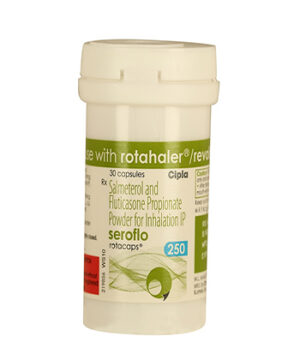
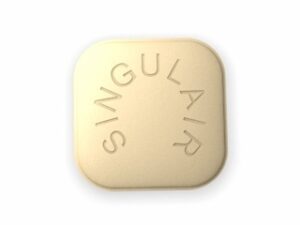
Theophylline is one option among bronchodilators and controller therapies. Alternatives depend on the condition (asthma vs COPD), severity, and individual response. Examples of alternatives your healthcare professional might consider include:
- Inhaled corticosteroids for long-term control in asthma
- Long-acting beta-agonists (LABAs) (often combined with inhaled corticosteroids for asthma)
- Long-acting muscarinic antagonists (LAMAs) for COPD
- Short-acting bronchodilators (“relievers”) for quick symptom relief
- Other controlled-release bronchodilator strategies depending on availability and suitability
If you’re considering switching, discuss it before making changes. Theophylline’s dosing and safety considerations differ from inhaled options.
Market and legal context for Australia
In Australia, medicines are regulated under the Therapeutic Goods Administration (TGA) framework and dispensed according to their scheduling classification. Availability of a specific brand and formulation can vary by supply and pharmacy ordering practices.
For respiratory medicines, the broader clinical standard often emphasises inhaled therapies as first-line controller options for many patients. Theophylline may still be used for selected people where it suits their management plan and risk profile.
Recent guidance and clinical considerations
While exact recommendations can vary over time and by guideline update, common themes in current respiratory care include:
- Using inhaled therapies optimally (technique, adherence, and stepwise treatment)
- Minimising avoidable adverse effects by selecting safe and effective options
- Careful use of theophylline due to interaction risk and potential for toxicity, with dose individualisation
- Personal review when symptoms change, new medicines are started, or smoking status changes
Your clinician may reassess whether theophylline remains beneficial for you, especially if you experience side effects or if your asthma/COPD control improves with other treatments.
Delivery and availability (Australia)
Availability can change depending on stock levels and regional supply. Many pharmacies can order controlled-release theophylline products when needed.
What to expect from online ordering
- Product checks: we confirm you’ve chosen the correct strength and formulation.
- Packaging: medicines are dispatched in suitable packaging for safe transport.
- Delivery timelines: delivery depends on location and dispatch schedules.
- Substitution: brands or strengths should not be substituted without confirming equivalence with a pharmacist/health professional.
If you need help confirming the strength or formulation you use (for example, controlled-release vs other forms), contact our pharmacy team.
FAQ about Theo-24 Cr (theophylline)
1) How is Theo-24 Cr different from other theophylline products?
Theo-24 Cr is a controlled-release tablet. This is designed to release theophylline gradually, helping maintain steadier levels through the day. The dosing frequency and timing can differ from immediate-release forms.
2) When will Theo-24 Cr start working?
Some people may notice changes within hours, but controlled-release medicines are typically assessed over days to ensure stable control. Your clinician may review symptoms and adjust dosing based on your response.
3) Can I take Theo-24 Cr with food?
Many people can take it with or without food, but food can influence absorption. The safest approach is to take it consistently the same way each day and let your healthcare team know if your meal routine changes.
4) Is it safe to drink alcohol while taking Theo-24 Cr?
It’s best to limit alcohol and avoid heavy drinking. Alcohol can increase the risk of side effects and may affect how your body handles theophylline. If you notice symptoms after alcohol, seek advice.
5) What other medicines commonly interact with theophylline?
Some antibiotics, antifungal medicines, seizure medicines, and herbal supplements (like St John’s wort) can affect theophylline levels. Cold/flu products may also contain ingredients that matter. Always check with a pharmacist and share your full list of medicines.
6) Does smoking affect Theo-24 Cr?
Yes. Smoking can increase the clearance of theophylline, potentially reducing effectiveness. If you stop or start smoking, your dose may need review—contact your healthcare professional.
7) What side effects should worry me?
Mild effects like nausea, headache, or restlessness may occur. However, seek urgent care for symptoms that could suggest high levels, such as fast/irregular heartbeat, severe vomiting, confusion, or seizures.
8) Should I use Theo-24 Cr as a rescue or “quick relief” medicine?
Theo-24 Cr is intended for ongoing control rather than immediate rescue of an acute breathing episode. Your reliever medicine (often a short-acting inhaler) should be used according to your action plan.
9) What if I miss a dose?
Take it when you remember unless it’s close to your next dose. Do not double. If you’re unsure, ask a pharmacist for advice.
10) Are there alternatives if theophylline isn’t suitable for me?
Yes. Alternatives may include inhaled controller options (for example, inhaled corticosteroids, LABAs, or LAMAs) and appropriate reliever therapy, depending on your diagnosis and severity.
Disclaimer
This information is designed to help you understand Theo-24 Cr and how it’s commonly used in Australia. It does not replace advice from your healthcare professional. If you have questions about interactions, suitability, or dosing for your specific situation, please speak with a pharmacist or clinician.