Spiriva (Tiotropium Bromide) – Patient-Friendly Guide
Spiriva is a long-acting medicine used to help manage breathing problems caused by chronic lung diseases. This guide explains what Spiriva is, how it works, how it’s typically used, what to expect, and key safety information for people in Australia.
1) Basic product information
Brand name: Spiriva
Active ingredient: Tiotropium bromide
Medicine type: Inhaled long-acting antimuscarinic (also called a long-acting anticholinergic) bronchodilator
Spiriva helps open the airways by relaxing the muscles around the bronchi. It is designed for daily, long-term control rather than immediate relief of sudden breathlessness.
| Category | What it means for you |
|---|---|
| Who it’s for | People with chronic obstructive pulmonary disease (COPD) and, in some formulations/regions, certain patients with asthma under specialist guidance |
| How it’s taken | Inhalation (once daily for most Spiriva products depending on device and formulation) |
| What it does | Improves airflow, helps reduce symptoms, and supports prevention of flare-ups in COPD |
| Onset | Bronchodilation can begin soon after inhalation, with benefits continuing across the day |
| Reliever vs controller | Not a substitute for a fast-relief inhaler (e.g., a short-acting bronchodilator) when you need quick symptom relief |
2) Mechanism of action (how Spiriva works)
Tiotropium is a long-acting antimuscarinic medicine. In the airways, the vagus nerve releases acetylcholine, which stimulates muscarinic receptors and leads to airway narrowing. Tiotropium blocks these receptors, helping to keep the airways open.
- Muscle relaxation in airways: It reduces bronchoconstriction (tightening of airway muscles).
- Improved airflow: Patients may notice better breathing and less breathlessness during daily activities.
- Long duration: Tiotropium binds strongly to muscarinic receptors and is designed to provide sustained effect.
Spiriva does not typically act as an immediate “rescue” medicine for sudden breathing difficulties. Instead, it is used for steady, ongoing control of chronic symptoms.
3) Pharmacokinetics (how your body absorbs and clears it)
Pharmacokinetics describes what happens to a medicine after it is taken—absorption, distribution, metabolism, and elimination. For inhaled tiotropium, the key points are:
- Absorption: Tiotropium is inhaled and deposits in the lungs, where it exerts its local bronchodilator effect.
- Systemic exposure: A portion may enter the bloodstream, but the goal is local action in the airways.
- Distribution: Tiotropium distributes into body tissues; it is not designed for rapid onset or short-lived effects.
- Metabolism: Tiotropium has limited metabolic processing compared with many other drugs.
- Elimination: It is primarily cleared by the kidneys. This is particularly relevant for people with reduced kidney function.
Because tiotropium is cleared mainly by the kidneys, clinicians often consider kidney health when assessing suitability and monitoring.
4) Typical use and indications
Spiriva is mainly used in COPD. Depending on the specific product and current prescribing information available in Australia, tiotropium may also be used as part of asthma treatment for selected patients.
COPD (chronic obstructive pulmonary disease)
In COPD, Spiriva helps:
- Relieve persistent symptoms
- Improve lung function
- Reduce the likelihood of COPD flare-ups (exacerbations) in appropriate patients
- Support better exercise tolerance and daily breathing
Asthma (selected cases)
Some tiotropium inhalation products may be used for certain asthma patients when symptoms remain uncontrolled despite standard therapy. Use in asthma should follow current local guidance and be tailored by your healthcare professional.
Important: Spiriva is not intended for treating an acute attack of asthma or COPD. For sudden breathlessness, you will typically be given a separate reliever medicine.
5) When and how to take Spiriva (timing)
Spiriva is designed for once-daily use for most tiotropium inhalation formats. Your exact frequency depends on the specific Spiriva product/device you have.
General timing tips
- Choose a consistent time: Taking it at the same time each day can help you remember.
- Do not double up: If you miss a dose, take it when you remember unless it’s nearly time for the next one—then continue as normal.
- Daily routine matters: Controller inhalers work best with regular use.
What if symptoms change?
If breathlessness worsens, you may need additional assessment and adjustment of your broader treatment plan. Spiriva supports long-term control, but your doctor may also review reliever use and any inhaler technique issues.
6) Food interactions
Because Spiriva is taken by inhalation and works primarily in the lungs, it has few direct food interactions. In most cases, you can take it with or without food.
However, always follow the instructions for your specific device and formulation. If you experience swallowing or irritation issues, discuss technique with a healthcare professional.
7) Alcohol and medicine interactions
Alcohol
Moderate alcohol consumption is not known to have a specific direct interaction with tiotropium. That said, alcohol can worsen breathing for some people and may affect sleep, hydration, and overall COPD control.
If you notice alcohol increases your breathlessness or triggers symptoms, consider limiting intake and discuss with your clinician.
Medicines that may interact
The most relevant interaction consideration for antimuscarinic bronchodilators is additive anticholinergic effects. Using multiple anticholinergic medicines together may increase side effects such as dry mouth, constipation, or urinary retention.
| Interaction type | What it may mean |
|---|---|
| Other anticholinergic medicines | Possible increased anticholinergic side effects; your treatment plan may need review |
| Medicines affecting kidney function | Because tiotropium is cleared partly by kidneys, significant renal impairment may increase exposure |
| Other inhaled bronchodilators | Often used together in COPD/asthma plans, but technique and timing should be coordinated |
| Eye/urinary risk medicines | If you have glaucoma or urinary symptoms, your healthcare professional may monitor more closely |
If you take multiple inhalers or long-term medicines, it’s wise to keep an up-to-date list and share it with your healthcare professional. They can confirm that your inhaler regimen is both effective and safe.
8) Dosing and administration (general guidance)
Dosing depends on the exact Spiriva product and the device you use. Always follow the instructions provided with your specific product. Below is general information commonly used in practice for tiotropium inhalation.
Common dosing pattern
- Adults with COPD: Typically 1 inhalation once daily (depending on the formulation/device).
- Asthma (if indicated and prescribed for you): Dosing is also commonly once daily for the relevant tiotropium product.
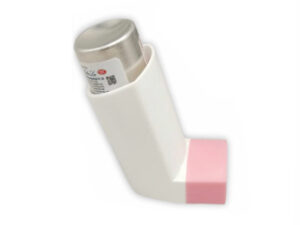
How to use the inhaler correctly (practical technique points)
Correct inhaler technique is one of the biggest factors in whether you get the full benefit. In general, inhaled medicines must reach the lungs. If the medicine lands in the mouth or throat, effect may be reduced and side effects like throat irritation may be more likely.
- Prepare: Check the device instructions and ensure it’s ready for use.
- Breathe out fully first: This creates room for the inhaler’s dose to enter your lungs.
- Seal lips around the mouthpiece: Avoid air leaks.
- Inhale steadily and deeply: Follow device-specific guidance.
- Hold breath briefly: This helps deposition in the lungs (duration depends on instructions).
- Rinse or gargle (if advised): Some people benefit from rinsing the mouth to reduce irritation, especially if using multiple inhaled medicines.
If you’re unsure about technique, consider asking a pharmacist or clinician to observe your inhaler use and correct errors. Even small changes can make a noticeable difference.
9) Safety profile and side effects
Spiriva is generally well tolerated by many people. As with any medicine, side effects can occur. The safety profile can vary by individual health conditions (for example, kidney function, eye conditions, and urinary symptoms).
Common side effects
- Dry mouth
- Throat irritation or mild discomfort
- Cough or mild changes in voice
- Constipation in some patients
- Headache or dizziness (less commonly)
Less common but important side effects
- Urinary retention (difficulty passing urine), especially in people with prostate enlargement or existing urinary problems
- Worsening of glaucoma symptoms (eye pain, blurred vision, halos around lights) if medication reaches the eyes
- Allergic reactions such as rash, swelling, or trouble breathing
Seek urgent medical help if
- You develop signs of a severe allergic reaction (e.g., swelling of face/lips, severe rash, breathing difficulty)
- You experience eye symptoms suggestive of acute glaucoma (eye pain, red eye, vision changes)
- You cannot urinate when you normally can
- Symptoms rapidly worsen or you feel very unwell
Who should be extra cautious?
Discuss your suitability with your healthcare professional if you have:
- Glaucoma or a history of eye pressure problems
- Enlarged prostate or urinary retention
- Significant kidney impairment
- A history of sensitivity to anticholinergic medicines
10) Practical use tips for best results
Spiriva works best when inhaled properly and taken consistently. Here are practical tips that can improve outcomes:
- Check your inhaler technique regularly: Technique can drift over time; periodic checks help.
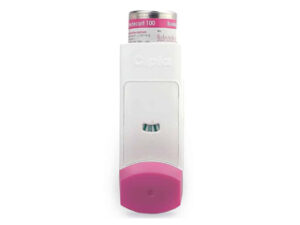
- Use the correct device: Spiriva products differ by device design. Use the device that matches your specific prescription/product.
- Store correctly: Keep your inhaler as directed on the pack (typically at room temperature, away from excessive moisture/heat).
- Plan ahead for refills: COPD and asthma are ongoing conditions. Keeping a small buffer of supplies can prevent missed doses.
- Track your symptoms: Note breathlessness levels and any flare-ups. This can help your clinician adjust your plan.
- Know the difference between control and rescue: Spiriva supports long-term control. For sudden relief, follow your existing reliever plan.
- Stay active (if safe): Pulmonary rehabilitation, gentle exercise, and breathing strategies can complement medicine.
11) Alternative options
Depending on your diagnosis and symptom severity, there are alternative long-acting inhalers and combinations. Your clinician may choose between different bronchodilators or add inhaled corticosteroids where appropriate.
Common alternatives (category overview)
- Other long-acting antimuscarinics: Medicines in the same class as tiotropium may be available depending on availability and suitability.
- Long-acting beta2-agonists (LABAs): Used to relax airway muscles by a different mechanism.
- Combination inhalers: Some regimens combine antimuscarinics with LABAs, and in selected COPD/asthma cases may also include inhaled corticosteroids.
- Short-acting bronchodilators (relievers): Used for quick symptom relief during sudden episodes.
The best alternative depends on your inhaler technique, current symptoms, exacerbation history, and any co-existing conditions. Switching should be guided by healthcare advice.
12) Australia market & legal context (general)
In Australia, access to inhaled medicines such as tiotropium is regulated under the Therapeutic Goods Administration (TGA) and relevant state/territory health frameworks. Medicines may be subject to different scheduling categories and prescribing or pharmacist-supply requirements depending on the product.
Availability can vary based on:
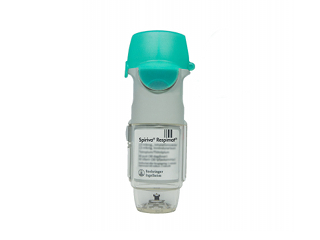
- Product formulation and device type (for example, different Spiriva inhaler devices)
- Manufacturing and supply chain factors
- Local prescribing practices and approved indications
When buying online, reputable Australian pharmacies follow applicable laws for identity verification and supply processes.
13) Recent guidance (high-level)
COPD and asthma management guidance in Australia generally emphasises:
- Correct inhaler technique and regular review
- Individualised stepwise treatment based on symptom control and exacerbation risk
- Use of long-acting controller medicines to improve day-to-day control
- Smoking cessation support and avoidance of respiratory irritants
- Vaccinations and preventive care where recommended
Tiotropium is often considered part of long-acting bronchodilator therapy in COPD and, for some patients, as an add-on option in asthma where suitable. Always rely on current advice from your clinician or reputable COPD/asthma guidelines.
14) Delivery and availability (online pharmacy)
Availability and delivery times vary by location across Australia and the product you choose. To support uninterrupted daily therapy, many people prefer to:
- Order in advance of running out
- Check stock status and estimated dispatch times at checkout
- Ensure delivery details are correct to avoid delays
For any urgent travel needs or seasonal planning, allow extra time for dispatch and courier transit.
If you’re seeking a specific Spiriva device, confirm the exact product variant (device name and strength) before ordering, as different devices may not be interchangeable.
15) FAQ – Spiriva (Tiotropium Bromide)
Is Spiriva a reliever inhaler?
No. Spiriva is a long-acting controller. It helps manage symptoms over time but is not intended to relieve a sudden attack. For sudden breathlessness, follow your reliever plan.
How quickly will Spiriva start working?
Some bronchodilation may be felt relatively soon after inhalation, but the full benefit is typically seen with regular daily use. If you’re not noticing improvement after a reasonable trial, your clinician may check inhaler technique and overall treatment plan.
How often should I take Spiriva?
Most Spiriva tiotropium inhalers are used once daily, but the exact schedule depends on your specific device and formulation. Always follow the instructions supplied with your product.
Can I take Spiriva with food?
Usually yes. Because it is inhaled, food does not typically affect how it works.
What if I miss a dose?
Take it when you remember unless it’s close to the time for your next dose. Do not take extra doses to make up for a missed one. If you’re unsure, ask a pharmacist for device-specific advice.
Does Spiriva cause dry mouth?
Dry mouth is a known possible side effect of antimuscarinic medicines. Staying well hydrated and using good inhaler technique may help. If dry mouth becomes troublesome, discuss it with your healthcare professional.
Can Spiriva be used if I have kidney problems?
Tiotropium is cleared mainly by the kidneys. People with reduced kidney function should discuss suitability and monitoring with a healthcare professional. Do not adjust treatment without advice.
Can I use Spiriva with other inhalers?
Many COPD and asthma plans combine multiple inhaled medicines. However, timing and technique matter. Keep a list of all your inhalers and discuss the schedule with your clinician or pharmacist.
What should I do if I get eye pain or blurred vision after using Spiriva?
Contact urgent medical care. Eye symptoms after inhaling antimuscarinic medicines could indicate an eye-related reaction. Avoid getting powder or mist into the eyes.
Are there any restrictions on driving or operating machinery?
Spiriva is not usually associated with major impairment. If you experience dizziness or feel unwell, avoid driving until you feel safe.
How should I store Spiriva?
Store as directed on the product packaging, typically at room temperature and away from excess heat and moisture. Keep the device dry and follow expiry guidance.
Can I drink alcohol while taking Spiriva?
No specific interaction is commonly reported. Still, alcohol may worsen breathing in some people or affect health behaviours. If alcohol affects your symptoms, reduce intake and discuss with your clinician.