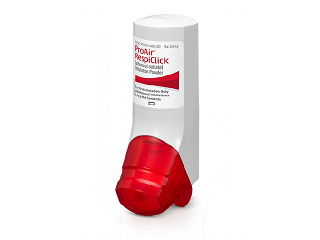

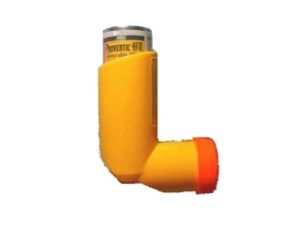
Proair Inhaler (Salbutamol / Albuterol) — Patient Information (Australia)
Proair Inhaler contains salbutamol (also known as albuterol). It is a quick-relief medicine used to ease breathing problems such as wheeze, shortness of breath and chest tightness. This page is designed to help you understand how Proair Inhaler works, when to use it, and what precautions to follow.
If you are unsure about your inhaler technique, asthma action plan, or dosing, speak with your doctor, pharmacist, or asthma educator. Correct inhaler use is often as important as the medicine itself.
Basic product information
- Medicine: Proair Inhaler
- Active ingredient: Salbutamol (Albuterol)
- Medicine type: Short-acting beta2-agonist (SABA)
- Form: Pressurised metered-dose inhaler (pMDI)
- Common use: Rapid relief of bronchospasm
- Where it helps: Airways in the lungs (bronchi)
Different Proair inhalers may be presented with varying strengths and device versions. Always check the label on your specific product pack for the exact dose per actuation (puff).
How Proair Inhaler works (mechanism of action)
Salbutamol is a beta2-adrenergic agonist. After you inhale the medicine into your airways, it activates beta2 receptors on the smooth muscle lining the bronchi.
This causes the airway muscle to relax, leading to bronchodilation (widening of the airways). As a result, you may experience improved airflow and reduced symptoms such as:
- Wheezing
- Shortness of breath
- Chest tightness
- Cough related to airway narrowing
Proair Inhaler provides symptom relief. For ongoing control of asthma, many people also require a separate long-term controller medicine (often an inhaled corticosteroid), as recommended by their clinician.
Pharmacokinetics (absorption, distribution, metabolism, elimination)
Pharmacokinetics describes what happens to the medicine in the body. With inhaled salbutamol:
- Absorption: Most of the dose is deposited in the airways and acts locally; some may be swallowed after inhalation and absorbed through the gastrointestinal tract.
- Onset: Relief is often felt within minutes.
- Distribution: Salbutamol is distributed in the body after absorption from the lungs and/or gut.
- Metabolism: Primarily metabolised in the liver.
- Elimination: Excreted mainly via urine (including metabolites) and, to a lesser extent, through other routes.
Individual response varies. If your symptoms do not improve, or you need to use reliever inhaler more often than advised, your asthma plan may need review.
Typical use and timing
What it’s used for
Proair Inhaler is commonly used for:
- Asthma attacks / symptoms: acute relief of wheeze and breathlessness
- Exercise-induced bronchoconstriction: to prevent symptoms in some people (timing depends on your plan)
- Bronchospasm: relief when airways are narrowed due to reversible conditions
When to take it
- For sudden symptoms: use as directed in your action plan for immediate relief.
- For exercise-related symptoms: it is often taken shortly before exercise if this has been recommended for you. Common timing used in practice ranges from 10–20 minutes before activity, but follow your clinician’s advice.
If symptoms persist or worsen after using your reliever, seek urgent medical advice per your asthma plan and local emergency guidance.
Indications (who may benefit)
In Australia, salbutamol inhalers are used for conditions where rapid airway opening is needed. Indications may include:
- Asthma: relief of acute bronchospasm
- Reversible airway obstruction (as assessed by a clinician)
- Exercise-induced bronchoconstriction
- COPD (in some situations) where a short-acting bronchodilator is appropriate to relieve symptoms
People with chronic conditions should use a personalised asthma/COPD management plan rather than relying on reliever-only use.
Dosing guidance (general information)
Dosing can vary by age, device type and clinical situation. Always follow the dose on your product label and your clinician’s instructions. The information below is general and may not match every individual plan.
Common dosing patterns (adults and adolescents)
- Acute symptoms: often 1–2 inhalations to relieve symptoms, repeating if needed according to your plan.
- Exercise-related symptoms: may be taken before activity if advised (commonly 10–20 minutes prior).
Children
Children may be prescribed different dosing based on age and severity. Inhaler technique is especially important for children, and a spacer may be recommended to improve delivery.
Important dosing safety points
- If you require frequent reliever use, it may be a sign of poor asthma control.
- Using more puffs than recommended can increase the risk of side effects (such as tremor and palpitations) and may mask worsening disease.
- If your usual dose does not work, consult your healthcare professional promptly.
Food interactions
Salbutamol inhalers are primarily used by inhalation, and food interactions are not usually expected. Some inhaled medicine can be swallowed after inhalation; however, this typically does not require special dietary changes.
If you experience stomach upset after using your inhaler, check your technique (including using a spacer where recommended) and speak to your pharmacist.
Alcohol and medicine interactions
Alcohol
There is no direct “required avoidance” of alcohol for most people using salbutamol. However:
- Alcohol can affect how well you perceive symptoms and may contribute to dehydration or poorer sleep, potentially worsening breathing symptoms for some people.
- In people who notice increased tremor, palpitations, or anxiety after reliever use, alcohol may make these effects feel more noticeable.
Moderate alcohol consumption is generally acceptable, but consider your personal health and asthma stability.
Medicines that may interact
Salbutamol can interact with certain medications and with medical conditions that affect heart rhythm and potassium levels. Tell your pharmacist or clinician about all medicines you take, including over-the-counter products.
| Medicine/condition | Why it matters | What to do |
|---|---|---|
| Beta-blockers (e.g., some treatments for blood pressure or heart conditions) | May reduce the effect of salbutamol on the airways | Don’t stop beta-blockers; ask your clinician about alternatives |
| Other stimulatory inhalers or frequent reliever use | May increase side effects such as tremor or fast heart rate | Review your action plan and controller treatment if you’re using reliever often |
| Diuretics (“water tablets”) and other medicines that lower potassium | Salbutamol can lower potassium slightly; combined effects may increase risk of potassium changes | Seek advice if you use diuretics or have heart rhythm concerns |
| Some antidepressants (e.g., tricyclics or MAO inhibitors) | May increase cardiovascular effects in certain circumstances | Discuss your full medicine list with your pharmacist |
This is not an exhaustive list. If you are taking other medicines, ask a healthcare professional to check compatibility for your specific regimen.
Safety profile (common side effects and warning signs)
Like all medicines, Proair Inhaler can cause side effects, though not everyone gets them. Many side effects are related to how beta2 agonists affect the body, including the heart rate and muscle activity.
Common side effects
- Tremor (shaking), often in the hands
- Headache
- Palpitations (feeling your heart is beating fast/strong)
- Feeling nervous or restless
- Muscle cramps (sometimes)
Less common but important risks
- Low potassium (hypokalaemia): more likely with higher doses
- Fast heart rate or rhythm changes in susceptible people
- Breathing may not improve: could indicate severe asthma flare, wrong technique, or another cause of symptoms
Seek urgent help if
Contact emergency services or follow your local emergency guidance immediately if you experience:
- Severe difficulty breathing or inability to speak full sentences
- Lips or face turning blue/grey
- Reliever inhaler providing little or no benefit, or symptoms rapidly worsening
- Fainting, severe chest pain, or significant abnormal heart rhythm symptoms
Practical use tips (how to get the most from your inhaler)
Effective inhaler technique improves how much medicine reaches the lungs. The steps below are general; your device’s instructions may have specific details. Follow the directions in your pack leaflet and the training you receive from a healthcare professional.
- Check the inhaler: ensure the mouthpiece is clean, the canister is fitted properly, and the device is not damaged.
- Remove the cap and examine the mouthpiece.
- Shake the inhaler (if your specific device requires it—commonly yes for pMDIs).
- Breathe out fully away from the inhaler.
- Seal your lips around the mouthpiece.
- Press and breathe in slowly/deeply: start inhaling at the same time as you release a puff. Aim for a smooth, slow breath.
- Hold your breath for as long as comfortable (often 5–10 seconds).
- If a second puff is needed: wait about 30–60 seconds (or as directed), then repeat.
- Rinse your mouth with water and spit out after use if advised (particularly if you are also using corticosteroid inhalers).
Using a spacer
A spacer (or “holding chamber”) can help deliver more medicine to the lungs and reduce medicine deposition in the throat. Spacers are especially helpful for children, older adults, and people who struggle with timing.
- Ask your pharmacist which spacer is compatible with your inhaler.
- Follow spacer instructions for breath technique and waiting between puffs.
Device care
- Keep the mouthpiece dry and clean.
- Do not immerse the canister in water unless the instructions specify it.
- Check expiry date and store at recommended temperatures.
Alternative options (reliever bronchodilators)
Different people may need different bronchodilators depending on their condition and symptom pattern. Alternatives may include:
- Other salbutamol brands (different inhaler devices)
- Levalbuterol (where available)
- Short-acting muscarinic antagonists (SAMA) in certain COPD management plans (usually not for asthma)
- Long-acting controller therapies for prevention (commonly inhaled corticosteroids and combination inhalers)
If your symptoms are frequent or your reliever use is increasing, discuss controller options. Reliever-only strategies can delay appropriate prevention treatment.
Market and legal context for Australia
In Australia, medicines are supplied within a regulated healthcare framework. Availability and how Proair Inhaler is sold may vary depending on the exact product and packaging.
- Regulatory oversight: The Therapeutic Goods Administration (TGA) monitors medicines and devices used in Australia.
- Pharmacy supply: Inhalers are commonly supplied by pharmacies and are expected to be used as directed in a personal plan.
- Information and consumer safety: Pack labelling and the Consumer Medicine Information (CMI) support safe use.
For the most accurate guidance for your specific product, check the pack insert/CMI and talk to a pharmacist.
Recent guidance and clinical context (what matters for patients)
In Australia, asthma care guidance emphasises that:
- Reliever use should not be the only strategy. Frequent use can indicate inadequate control.
- Inhaler technique matters. Regular technique checks can reduce symptoms and improve outcomes.
- Action plans help. Having a written plan improves safety during flares.
- Seek medical review early when control worsens.
If you have had recent severe symptoms, waking at night due to breathing problems, or repeated episodes requiring increased reliever use, consider arranging a medication review with your clinician.
Delivery and availability (Australia)
Online pharmacies in Australia may offer home delivery for inhalers depending on stock, product registration, and service area. Availability can be affected by:
- Regional courier timeframes
- Device strength and canister supply
- Demand during peak allergy seasons or respiratory virus seasons
When ordering, confirm:
- The exact product name and strength
- The expiry date (if displayed)
- Compatibility with your spacer (if you use one)
If you need your inhaler urgently, contact the pharmacy to confirm dispatch times and delivery options.
Frequently Asked Questions (FAQ)
1) How quickly does Proair Inhaler work?
Most people experience symptom relief within minutes. If you notice little or no improvement, or symptoms are worsening, follow your asthma/COPD action plan and seek medical advice urgently.
2) Can I use Proair Inhaler every day?
Proair is designed for rapid relief. Whether it is used daily depends on your condition and your personalised management plan. If you are using it regularly, discuss controller therapy with your clinician to improve long-term control.
3) What if I forget how many puffs I already took?
If you are unsure and symptoms are not well controlled, follow your action plan. Avoid taking extra puffs beyond what is recommended. If you feel unwell or symptoms are severe, seek urgent medical assistance.
4) Will Proair Inhaler affect my heart?
Some people feel palpitations or a faster heartbeat, especially with higher doses. If you have known heart rhythm issues or you experience severe symptoms, speak with your healthcare professional promptly.
5) Can I use it with a spacer?
Many pMDI inhalers are used with a spacer to improve delivery. Use a spacer that is compatible with your inhaler model and follow spacer instructions.
6) Does Proair Inhaler go “in the lungs” or “in the mouth”?
The aim is for the medication to be delivered to the lungs. However, some inhaled medicine can deposit in the mouth or be swallowed. Technique and spacers help increase lung deposition.
7) Are there any foods I should avoid?
Food interactions are not typically expected with inhaled salbutamol. Avoid any triggers that worsen your breathing personally (e.g., allergens or reflux triggers) and maintain your usual diet.
8) Can I drink alcohol while using salbutamol?
Most people can drink alcohol in moderation, but alcohol may worsen breathing symptoms for some individuals and can make side effects (like palpitations or tremor) feel more noticeable. Use caution, especially during flare-ups.
9) What should I do if my reliever doesn’t work?
If your inhaler doesn’t relieve symptoms, do not keep taking repeated doses without reassessment. Check technique and spacer use if appropriate, then follow your action plan and seek urgent medical help if symptoms are severe or worsening.
10) What are signs that my asthma may not be controlled?
Examples include needing your reliever more often than usual, night-time waking from breathing symptoms, reduced ability to exercise, or frequent flare-ups. A medication review can help adjust prevention treatment.
Summary
Proair Inhaler (salbutamol/albuterol) is a quick-relief bronchodilator that opens airways during episodes of wheeze and breathlessness. It works within minutes by relaxing airway muscles. Side effects can include tremor and palpitations, and urgent help is needed if symptoms are severe or not improving.
Using your inhaler correctly—often with a spacer when recommended—helps ensure effective delivery. If you find yourself using your reliever more frequently, speak to your clinician or pharmacist about improving long-term control.