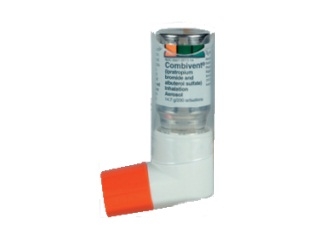
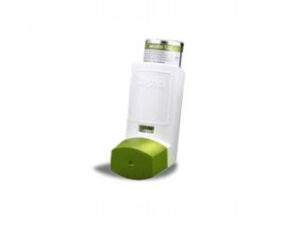
Combivent® (Levosalbutamol + Ipratropium bromide) – Patient Information
Combivent® is a combination inhaler medicine used to relieve breathing problems in people with obstructive airway diseases such as COPD and some types of asthma. It contains two bronchodilators that work in different ways to open the airways and make breathing easier.
This page explains how Combivent works, how it’s typically used, what to expect, common side effects, and practical tips for getting the best benefit from your inhaler—tailored for readers in Australia.
Quick overview
- Medicine name: Combivent®
- Active ingredients: Levosalbutamol + Ipratropium bromide
- Type of medicine: Inhaled bronchodilator combination
- How it helps: Relaxes airway muscles and reduces bronchospasm
- Common uses: COPD symptom relief; certain asthma symptoms under clinician direction
- Administration: Inhalation via metered dose inhaler (MDI) device
What is Combivent?
Combivent® combines:
- Levosalbutamol – a fast-acting bronchodilator that stimulates beta2-adrenoceptors (a “reliever” type medicine).
- Ipratropium bromide – an anticholinergic that blocks muscarinic receptors in the airways (helps reduce bronchoconstriction and mucus-related narrowing).
Using both medicines together can provide broader symptom relief than either component alone for many people.
How Combivent works (mechanism of action)
1) Levosalbutamol (beta2 agonist)
Levosalbutamol binds to beta2 receptors on airway smooth muscle. This activates signalling pathways that lead to relaxation of airway muscles, helping to quickly widen the airways.
It can also help reduce airway resistance and improve airflow, making it easier to breathe.
2) Ipratropium bromide (anticholinergic)
Ipratropium bromide blocks muscarinic receptors (particularly M3) in the bronchial tree. This reduces vagally mediated bronchoconstriction, decreases mucus secretion in some circumstances, and helps maintain airway openness for longer symptom control.
Why combination therapy helps
Because one medicine relaxes smooth muscle through beta2 stimulation and the other reduces bronchoconstrictor signals through muscarinic blockade, the combination can improve breathing and reduce symptoms such as wheeze, shortness of breath, and chest tightness.
Pharmacokinetics (how the body handles the medicine)
Pharmacokinetics describes absorption, distribution, metabolism, and excretion. With inhaled products, much of the effect happens locally in the lungs.
Absorption
- Inhaled delivery: Most of the medicine’s action occurs in the airways after inhalation.
- Systemic absorption: Some portion is absorbed into the bloodstream through the lungs and the gastrointestinal tract (if medication is swallowed after inhalation).
Distribution
Systemically absorbed drug distributes throughout the body. However, inhaled therapy is designed primarily for local lung effects.
Metabolism
- Levosalbutamol: Metabolised mainly in the liver via pathways typical for beta-agonists.
- Ipratropium bromide: Metabolised through multiple pathways, with breakdown occurring after systemic absorption.
Elimination
- Excretion: Both components are eliminated through renal (kidney) and other routes depending on the extent of systemic absorption.
- Inhaled effects: Because the therapy is inhaled and designed for local bronchodilation, symptom improvement can start relatively quickly even though systemic drug levels remain limited compared with oral therapy.
Note: Individual response varies. Your clinician or pharmacist can explain expected onset and duration for your particular condition.
What Combivent is used for (indications)
Combivent is used for relief of breathing symptoms associated with obstructive airway disease. In practice, it may be prescribed for:
- COPD: for symptomatic relief in adults with chronic obstructive pulmonary disease where combination bronchodilation is appropriate.
- Asthma: in some situations where combination bronchodilation may be used as part of a broader asthma management plan.
Only use Combivent for the condition(s) it has been recommended for you. If your symptoms change significantly, seek medical advice promptly.
When and how to use it (timing and administration)
Combivent is inhaled. Correct inhaler technique is essential to get the medicine into the lungs where it works best.
Typical timing
Many patients use bronchodilator combinations at intervals during the day. The exact schedule varies by person and by severity of symptoms.
- If symptoms appear: follow your prescribed routine and your action plan for rescue or additional dosing (if applicable).
- Regular use: some people use it on a scheduled basis to maintain symptom control.
Do not exceed the dose given to you by your healthcare professional or the dose directions on the product label.
How to take Combivent (general steps for MDI-style inhalers)
If your product is supplied with an MDI device, typical steps include:
- Prepare: remove the mouthpiece cover and check for cleanliness.
- Shake well (if your device requires shaking).
- Breathe out fully away from the inhaler.
- Seal lips around the mouthpiece and start to breathe in slowly.
- Press the canister to release one puff while continuing to breathe in.
- Hold breath for about 5–10 seconds (or as comfortable).
- Wait before a second puff if your dose requires it.
Tip: If you’re not sure about technique, ask your pharmacist or practice nurse to watch you use your inhaler once—this can significantly improve effectiveness.
Dosing (typical adult directions)
Dosing can vary depending on the diagnosis, severity of symptoms, and your inhaler history. Always follow the dosing instructions provided with your Combivent product.
Common adult dosing patterns include:
- Scheduled dosing: often taken multiple times daily in COPD where combination bronchodilation is needed.
- Additional doses: sometimes used for symptom flares, depending on your asthma/COPD action plan.
If you are unsure what “one dose” means for your inhaler (number of puffs), check the label or speak with a pharmacist.
Missed dose
- If you miss a scheduled dose, take it when you remember unless it’s close to the next dose.
- Do not double to make up for a missed dose.
Overuse concerns
Using bronchodilators too frequently can increase the risk of side effects (and may indicate worsening disease). If you find you need to use Combivent more often than usual, seek advice promptly.
Food interactions
Because Combivent is inhaled and acts mainly in the lungs, food interactions are unlikely. There is no well-known direct food interaction that reduces or increases the effectiveness of the inhaled components.
However, for some people:
- Nausea or throat irritation may occur after inhalation; rinsing your mouth can help if your product instructions allow it.
- If you use inhalers and have reflux, symptoms may worsen—addressing reflux (with lifestyle measures and clinician advice) can improve breathing comfort.
Alcohol interactions
There is no specific, well-established direct interaction between alcohol and Combivent in most users. However, alcohol can:
- Worsen shortness of breath in some people, particularly those with COPD or asthma.
- Increase dizziness or increase perceived side effects such as shakiness in susceptible individuals.
If you plan to drink alcohol, monitor how your breathing feels and avoid excessive drinking. If you notice worsening wheeze or breathlessness after alcohol, discuss this with your healthcare professional.
Other medicine interactions
Combivent may interact with other medicines, particularly other bronchodilators, heart-related drugs, and some medications that affect potassium or rhythm.
Medications that may increase bronchodilator effects or side effects
- Other beta-agonists (e.g., salbutamol/terbutaline): may increase risk of fast heart rate, tremor, and low potassium if used excessively.
- Other anticholinergics: may increase anticholinergic side effects (e.g., dry mouth, urinary retention) when combined.
Heart rhythm and heart rate medicines
- Beta-blockers (including some eye drops like timolol): can reduce the effect of beta2 agonists. Inhaled therapy may still work, but the interaction can be clinically significant—tell your doctor and pharmacist about all beta-blocker use.
Medicines that can affect potassium (important with beta2 agonists)
High-dose beta-agonist therapy can sometimes lower blood potassium levels. Medicines that also lower potassium may increase the risk:
- Diuretics (“water tablets”)
- Corticosteroids (especially systemic/high dose)
- Some medicines that cause electrolyte imbalance
Diabetes medicines
Beta-agonists can sometimes raise blood glucose. If you have diabetes, monitor your readings more closely if your inhaler use changes.
Always provide your medicines list
To reduce the risk of interactions, tell your pharmacist about:
- All prescription medicines
- All over-the-counter products
- Herbal supplements
- Eye drops and nasal sprays
Safety profile and side effects
Like all medicines, Combivent can cause side effects. Many are mild and improve as your body adjusts. Some effects may indicate that the dose is too high or that your breathing condition is worsening.
Common side effects
- Dry mouth
- Headache
- Tremor (shakiness), especially related to the beta2 component
- Fast heartbeat or palpitations
- Nervousness
- Throat irritation or cough after inhalation
- Back pain (reported by some patients)
Less common but important side effects
- Low potassium (hypokalaemia): may cause muscle weakness, cramps, or unusual fatigue—more likely if doses are high or combined with other risk factors.
- Changes in heart rhythm (unusual in typical use, but risk increases with overdose and in susceptible people).
- Urinary retention (more relevant for men with prostate enlargement or those with bladder outflow problems due to anticholinergic effects).
- Eye effects (rare): anticholinergic medication can theoretically affect the eyes if mist contacts them. If you get eye pain or blurred vision, seek urgent advice.
Seek urgent medical help if you have
- Severe worsening shortness of breath not improving with your rescue plan
- Chest pain, fainting, or severe palpitations
- Allergic reaction signs (swelling of face/lips, hives, difficulty breathing)
- Severe dizziness or confusion
Special populations
- Older adults: may be more sensitive to fast heart rate and dizziness. Report side effects early.
- People with heart disease or high heart rate: may have increased risk of palpitations; monitor symptoms closely.
- People with narrow-angle glaucoma: anticholinergic effects can be a concern—discuss eye history with your clinician.
- People with urinary retention/prostate problems: monitor for difficulty passing urine.
Practical use tips (getting the most from your inhaler)
1) Check inhaler technique regularly
Even small technique issues can reduce lung delivery. Ask for a “teach-back” from your pharmacist or practice nurse.
2) Use the correct timing for multiple puffs
- If you need more than one puff, wait the recommended time between puffs (often around 30–60 seconds, but follow your product/label instructions).
- Keep breathing slow and deep during inhalation.
3) Consider using a spacer (if appropriate)
If your Combivent device is an MDI and you have trouble coordinating pressing and breathing, your pharmacist may suggest a spacer or alternative inhaler technique. Use only devices compatible with your inhaler type.
4) Keep track of symptom control
- Record how often you use Combivent.
- Track night-time symptoms, rescue needs, and breathlessness triggers.
Increasing use can signal that your underlying condition is not well controlled.
5) Don’t stop preventer medicines
Combivent is a bronchodilator. If you also use a preventative inhaler (such as an inhaled corticosteroid), continue as directed unless your clinician advises otherwise.
What to expect: onset and duration
Bronchodilators generally provide noticeable symptom relief within minutes for many users.
- Onset: often relatively quick for acute relief (particularly due to the beta2 agonist).
- Duration: the combined effect can help maintain improved breathing for several hours, but the exact duration varies between individuals.
If your symptoms don’t improve or you repeatedly need extra doses sooner than usual, seek advice promptly.
Alternative options
Your clinician may consider other bronchodilator strategies depending on whether you have COPD or asthma, your symptom pattern, and your inhaler technique.
Bronchodilator alternatives (examples)
- Single-agent beta2 agonists (reliever medicines) for quick symptom relief.
- Single-agent anticholinergics for maintenance bronchodilation (often in COPD).
- Triple therapy options for some people with COPD (e.g., combining different bronchodilators and an inhaled corticosteroid, as appropriate).
- Different delivery devices (dry powder inhalers, nebulised treatments) if coordination or technique is difficult.
Inhaler choice depends on individual factors such as lung function, exacerbation risk, device preference, and tolerance.
Australia: market and legal context
In Australia, medicines are regulated through the Therapeutic Goods Administration (TGA). Inhaled medicines like Combivent are supplied through pharmacy channels under Australian medicines legislation.
Supply and documentation requirements can vary depending on the product’s scheduling status and local pharmacy processes. Your pharmacist can advise on the most up-to-date supply pathway for Combivent and any restrictions related to the specific product strength or brand.
Recent guidance and COPD/asthma management context (Australia)
While individual treatment plans differ, Australian clinical guidance typically emphasises:
- Correct inhaler technique and regular review of device use.
- Optimising maintenance therapy (e.g., preventer medicines for asthma, and long-acting bronchodilators for COPD when appropriate) to reduce reliance on relievers.
- Structured action plans for asthma and COPD to guide what to do during symptom flare-ups.
- Smoking cessation support for COPD and asthma where relevant, as it can significantly improve outcomes.
If you have COPD or asthma, keep appointments for review and discuss symptom changes, inhaler technique, and the need for any adjustments to your medicines plan.
Delivery and availability in Australia
Combivent availability may vary depending on local stock levels and the specific inhaler presentation supplied. Online pharmacies in Australia commonly provide:
- Secure delivery to metro and regional areas
- Tracking options for dispatched orders
- Customer support if you need help choosing the correct product or understanding usage directions
Delivery timeframes depend on pharmacy dispatch schedules, courier service, and your location. During peak demand (e.g., flu season or medicine shortages), dispatch may take longer—your pharmacy website will usually display the current estimated delivery window at checkout.
Tip: If you rely on Combivent regularly, consider ordering ahead to avoid running out.
FAQ about Combivent
1) Is Combivent a reliever or a preventer?
Combivent is a bronchodilator used to relieve symptoms related to airway narrowing. It is not a typical long-term “preventer” medicine like an inhaled corticosteroid. Many people with asthma still require a preventer inhaler as part of their overall plan.
2) How quickly will it work?
Many people notice symptom improvement within minutes. If you experience little or no benefit after using it as directed, consult your pharmacist or clinician—your inhaler technique, dose timing, or overall treatment plan may need review.
3) Can I use Combivent with my other inhalers?
Often, yes—depending on your treatment plan. Tell your pharmacist about all your inhalers and medications. They can help you confirm whether you should use them on the same day, how to space doses, and how to avoid duplication of similar medicines.
4) Why do I get a dry mouth or tremor?
Dry mouth can occur due to the anticholinergic component. Tremor and palpitations can occur due to the beta2 agonist effect, particularly if doses are higher than needed. If side effects are troublesome or worsening, talk to your pharmacist or clinician.
5) What if my breathing gets worse despite using Combivent?
If your symptoms worsen significantly, you may need urgent medical assessment. Use your personalised action plan (if you have one) and seek help promptly if relief is inadequate or symptoms escalate.
6) Can I drive after using Combivent?
Many people drive without problems after inhalation. However, possible side effects like tremor, palpitations, or dizziness can affect some individuals. Use caution until you know how the medicine affects you.
7) Is there a specific diet I should follow?
No special diet is typically required. Food interactions are not a major issue for inhaled Combivent, but maintaining overall health and managing reflux (if present) can help breathing comfort.
8) Can I drink alcohol while using Combivent?
Most people can drink alcohol in moderation without a direct medication interaction. However, alcohol can worsen breathlessness in some people. Monitor your symptoms and avoid excessive drinking.
9) What should I do if I accidentally miss a dose?
Use it when you remember unless it’s close to your next dose. Do not take extra puffs to compensate for a missed dose.
10) Where should the medicine be stored?
Store Combivent according to the package instructions. In general, inhalers should be kept at appropriate room temperature and protected from extreme heat or cold. Keep the device sealed and out of reach of children.
Summary
Combivent® (levosalbutamol + ipratropium bromide) is an inhaled combination bronchodilator used to relieve symptoms of obstructive airway conditions such as COPD and some asthma presentations. It works by relaxing airway muscles (levosalbutamol) and reducing muscarinic bronchoconstriction (ipratropium bromide).
For best results, use your inhaler as directed, ensure good technique, and monitor symptom control. If you experience significant worsening breathlessness or concerning side effects, seek medical advice promptly.
| Category | What to know |
|---|---|
| Active ingredients | Levosalbutamol + Ipratropium bromide |
| How it works | Beta2 bronchodilation + anticholinergic airway relaxation |
| Typical use | Symptom relief for COPD; selected asthma symptom management as part of an overall plan |
| Food interactions | Generally unlikely with inhaled use |
| Alcohol | No specific interaction in most people, but alcohol may worsen breathlessness |
| Common side effects | Dry mouth, headache, tremor, fast heartbeat, throat irritation |
| When to seek urgent help | Severe breathlessness, chest pain, fainting, severe palpitations, allergic reaction |
Always read the consumer medicine information (CMI) provided with your specific Combivent product and follow the directions on the label.