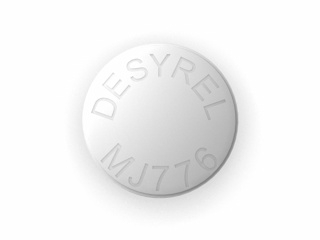


Ticlopidine (Ticlopidine / Ticlid) – Patient Guide
Ticlopidine is an antiplatelet medicine used to help prevent harmful blood clots in certain medical situations. This guide explains how ticlopidine works, when it is used, how to take it safely, and what to consider regarding side effects and interactions.
Please read this information alongside advice from your doctor and the medicine label. If you are unsure about your treatment, seek professional guidance.
1. Basic product information
| Feature | Details |
|---|---|
| Generic name | Ticlopidine |
| Common brand | Ticlid (brand names may vary) |
| Medicine type | Antiplatelet (thienopyridine class) |
| How it helps | Reduces platelets’ ability to clump together, lowering clot risk |
| Typical formulation | Oral tablets (strengths vary by product/region) |
Who it may suit: Ticlopidine is usually considered when a doctor believes antiplatelet therapy is needed and other options are not suitable. Availability and guidance may differ depending on local clinical practices.
2. Mechanism of action (how ticlopidine works)
Platelets are small blood cells involved in clotting. When blood vessels are injured, platelets stick together to form a clot. In some conditions—such as certain vascular diseases—platelets can contribute to unwanted clot formation.
Ticlopidine works by inhibiting platelet function. It blocks platelet activation and aggregation by affecting platelet receptors and signalling pathways involved in clumping. The result is a lower likelihood of clot formation.
Important: Ticlopidine is not a painkiller and is not an anticoagulant (it does not act in the same way as “blood thinners” like warfarin or some direct oral anticoagulants). Instead, it is an antiplatelet medicine.
3. Pharmacokinetics (how the body handles ticlopidine)
Pharmacokinetics describes how a medicine is absorbed, metabolised, and eliminated. Key points for ticlopidine include:
- Absorption: Ticlopidine is absorbed after oral dosing. Food may influence how quickly peak levels are reached.
- Metabolism: Ticlopidine is metabolised in the liver. Because it is converted into active metabolites, liver function and individual metabolism can influence effects.
- Onset and duration: Antiplatelet effects develop over time rather than instantly, so consistent dosing is important.
- Elimination: Metabolites are eliminated via the body’s normal routes (including renal and biliary pathways).
Because ticlopidine is processed by the liver and can have blood-related side effects in some people, your doctor may monitor blood tests during treatment.
4. Typical use and indications (when ticlopidine is used)
Ticlopidine is an antiplatelet medicine used to reduce the risk of clot-related events in specific situations. In many clinical settings, other antiplatelet medicines are more commonly used; however, ticlopidine may still be considered where appropriate.
Common clinical indications
- Prevention of thrombotic vascular events in selected patients with arterial disease.
- Secondary prevention strategies where the goal is to reduce the risk of recurrent clotting/vascular complications.
- When alternatives are unsuitable due to patient-specific factors or past treatment responses. (Your clinician will choose the most suitable option for your situation.)
Note: Exact indications and preferred options can vary between hospitals and over time based on evolving evidence. If you are starting ticlopidine, follow your prescriber’s plan and the product information provided with your medicine.
5. Dosing and timing
Dosing must be individualised. The information below is general and may not match your exact regimen. Always follow the dose written on your medication label and the advice of your healthcare professional.
Typical dosing approach
- Adults: Ticlopidine is commonly taken twice daily (morning and evening) in many regimens.
- Duration: Treatment duration depends on the condition being treated and your risk factors.
- Missed dose: If you miss a dose, take it when you remember unless it is close to the time for your next dose. Do not take a double dose to catch up.
Practical timing tips
- Choose a routine that fits your day (e.g., after breakfast and after dinner).
- Try to take it at the same times each day.
- If you have stomach sensitivity, taking with food can help some people feel more comfortable.
6. Food interactions
Food may affect how quickly ticlopidine levels rise, though it generally does not eliminate its overall effect. To improve tolerability, many people take ticlopidine with meals.
What to consider
- Take with or after food if advised: Your clinician or pharmacist may recommend this to reduce gastrointestinal discomfort.
- Consistency matters: If you normally take it with food, try to keep that routine.
- Be alert for symptoms: Nausea, stomach upset, or diarrhoea can occur; report persistent symptoms to your doctor.
If you are also taking medicines that must be separated from food or require a specific timing window, ask your pharmacist for a personalised schedule.
7. Alcohol and medicine interactions
Alcohol can increase the risk of stomach irritation and may worsen dizziness or fatigue for some people. While moderate alcohol is not automatically contraindicated, it can complicate tolerance and may increase safety risks if you experience bleeding-related side effects.
Alcohol considerations
- Bleeding risk: Ticlopidine reduces platelet aggregation, so any increase in bleeding tendency is clinically important. Alcohol can also affect the stomach lining and, in some people, increase the likelihood of bleeding or bruising.
- Liver health: Because ticlopidine is metabolised in the liver, heavy alcohol intake may further stress the liver.
- Talk to your clinician: If you drink regularly, have liver disease, or are taking other medications that affect bleeding, get personalised advice.
Medication interaction overview
Several medicines can affect bleeding risk or interact with ticlopidine through liver metabolism. Always provide a full list of your medicines and supplements to your pharmacist.
- Other antiplatelet medicines (e.g., aspirin, clopidogrel): may increase bleeding risk, and combinations require careful management.
- Anticoagulants (e.g., warfarin, apixaban, rivaroxaban): may significantly increase bleeding risk.
- Non-steroidal anti-inflammatory drugs (NSAIDs) (e.g., ibuprofen, naproxen): may raise bleeding and stomach irritation risk.
- Selective serotonin reuptake inhibitors (SSRIs) (e.g., sertraline, fluoxetine): can increase bleeding tendency in some people.
- Herbal supplements with potential antiplatelet or bleeding effects (e.g., high-dose fish oil, ginkgo, garlic supplements): discuss before using.
If you need pain relief, your pharmacist can recommend safer options in the context of antiplatelet therapy.
8. Safety profile and side effects
Like all medicines, ticlopidine can cause side effects. Many are mild, but some can be serious. It is important to recognise symptoms early and seek help promptly.
Common side effects
- Gastrointestinal upset (e.g., nausea, indigestion)
- Diarrhoea
- Rash or skin reactions (varies by individual)
- Headache or fatigue
Serious side effects (seek medical advice urgently)
Ticlopidine can, in rare cases, cause serious blood-related and other reactions. Seek urgent medical attention if you experience any of the following:
- Signs of infection such as fever, chills, sore throat, or mouth ulcers (possible low white blood cells).
- Unusual bruising or bleeding such as nosebleeds that are hard to stop, bleeding gums, blood in urine/stool, or heavy/prolonged bleeding.
- Severe or widespread rash, blistering skin, or swelling of face/lips (possible hypersensitivity).
- Yellowing of skin/eyes (jaundice), dark urine, or severe tiredness (possible liver-related issues).
- Severe abdominal pain or symptoms of internal bleeding (e.g., black/tarry stools).
Blood monitoring
Because ticlopidine may affect blood counts and sometimes liver function, clinicians often monitor blood tests during therapy. Monitoring frequency and tests depend on your risk factors and local practice.
Practical reminder: keep all laboratory appointments and inform your clinician immediately if you feel unwell.
9. Practical use tips
- Follow the schedule: take ticlopidine at the same times each day to maintain consistent antiplatelet effect.
- Don’t stop suddenly: stopping antiplatelet therapy without medical advice can increase clot risk.
- Know bleeding precautions: use a soft toothbrush, take care with shaving, and be cautious with activities that have higher injury risk.
- Keep an eye on symptoms: report new bruising, prolonged bleeding, persistent rash, fever, or signs of infection.
- Carry medication information: consider carrying a list of your medicines or a pharmacy card for emergencies.
- Regular blood tests: attend monitoring appointments so potential complications are detected early.
- Tell your healthcare team: inform dentists, surgeons, and other clinicians that you are taking ticlopidine.
10. When to seek medical help
Contact a healthcare professional promptly if you have:
- Any bleeding that is unexpected, persistent, or heavy
- Unexplained bruises, black stools, or blood in urine
- Fever, severe fatigue, sore throat, or mouth ulcers
- Jaundice symptoms (yellow eyes/skin), dark urine, or right-sided abdominal pain
- Severe diarrhoea or dehydration
- A rash with swelling or breathing difficulty
In an emergency, call local emergency services.
11. Alternative antiplatelet options
If ticlopidine is not suitable, alternatives may include other antiplatelet medicines. The right choice depends on your diagnosis, bleeding risk, drug interactions, and clinical guidelines.
Examples of other antiplatelet therapies (may vary by patient)
- Aspirin (often used for many cardiovascular indications)
- Clopidogrel (a thienopyridine antiplatelet with different safety profile)
- Prasugrel (in certain acute coronary settings)
- Ticagrelor (used in selected cardiovascular conditions)
- Single vs dual therapy: sometimes doctors recommend one antiplatelet or two for a limited period, depending on risk.
Your doctor can explain why ticlopidine was selected for you and what alternatives may be considered if issues arise.
12. Market and legal context in Australia
In Australia, medicines are regulated by the Therapeutic Goods Administration (TGA). Product availability, formulation, and prescribing processes can vary. For some medicines, access may be restricted to prescription pathways depending on safety considerations and classification.
Pharmacy supply: Online pharmacies must comply with Australian regulations for supply, customer identification, and medication handling. Availability can differ between brands and supply chains.
Recent guidance and clinical practice
Over recent years, many antiplatelet treatment pathways have shifted toward agents with broader evidence bases and different safety profiles. Clinical guidance may emphasise:
- Using the most appropriate antiplatelet agent for the specific condition and risk profile
- Careful attention to drug interactions and bleeding risk
- Closer monitoring where safety risks exist
- Periodic review of whether ongoing therapy remains appropriate
If you are already taking ticlopidine, don’t change your dose or stop therapy without medical advice. If you are considering whether it remains the best option, discuss it with your clinician.
13. Delivery and availability (online pharmacy)
Availability of ticlopidine may depend on:
- Manufacturer supply
- Brand/form strength currently in stock
- Regulated dispensing requirements and verification steps
When ordering online, you may be asked to:
- Provide your delivery details and contact information
- Confirm age and eligibility requirements (where applicable)
- Select a delivery method and timeframe
Delivery tips:
- Ensure your address is complete (unit number/street name/suburb/postcode).
- If someone else will be home, confirm your preferred delivery instructions.
- Check packaging on arrival and report any damage.
- Store tablets as directed on the label (commonly in a cool, dry place).
14. FAQ
How does ticlopidine compare with aspirin or clopidogrel?
Ticlopidine is an antiplatelet medicine in the thienopyridine class, like clopidogrel. The benefits, onset, and safety profiles differ between agents, and the best choice depends on your condition and risk factors. Your healthcare professional can explain why ticlopidine was chosen for you.
When will it start working?
Ticlopidine’s antiplatelet effect develops over time. Don’t expect an immediate change like you might with short-acting medicines. Follow your dosing schedule consistently to maintain effect.
Should I take ticlopidine with food?
Many people find it easier on the stomach when taken with food or after meals. Follow the instructions provided with your medicine or by your clinician. The key is to keep your routine consistent.
What should I do if I miss a dose?
Take the missed dose when you remember unless it is close to your next dose. Do not take two doses at once. If you’re unsure, ask your pharmacist for advice.
Can I drink alcohol while taking ticlopidine?
It’s best to limit alcohol. Alcohol can worsen stomach irritation and may increase bleeding risk in combination with antiplatelet therapy, and it may also affect the liver. Ask your pharmacist or doctor for guidance based on your personal situation.
What bleeding signs should I watch for?
Watch for nosebleeds, bleeding gums, unusual bruising, blood in urine or stool, black/tarry stools, heavier-than-usual bleeding, or any bleeding that won’t stop. Seek medical help promptly if symptoms occur.
Do I need blood tests during ticlopidine treatment?
Often, yes. Ticlopidine can rarely affect blood counts and liver function. Your clinician may arrange routine blood monitoring. Attend all scheduled tests and contact your healthcare team if you feel unwell.
Can I take ibuprofen or other pain relief medicines?
NSAIDs such as ibuprofen may increase bleeding risk and irritate the stomach. Ask your pharmacist which pain relief option is safest for you while on ticlopidine.
Are there any herbal or supplement interactions?
Some supplements may increase bleeding risk (for example, ginkgo or high-dose fish oil). Always tell your pharmacist about all supplements and non-prescription products you use.
What should I do before dental or surgical procedures?
Inform your dentist or surgeon that you take ticlopidine. Depending on the procedure and your risk profile, your clinician may advise whether therapy should continue and what precautions are needed.
Is ticlopidine suitable for everyone?
Not always. People with certain blood disorders, significant liver problems, or a history of specific reactions may not be suitable. Your healthcare team will consider your medical history, other medications, and monitoring needs.
15. Summary
Ticlopidine is an antiplatelet medicine used to reduce clot-related risk in selected patients. It works by affecting how platelets clump together, and it requires careful attention to safety—especially regarding blood counts and bleeding.
For best results, take it at the scheduled times (often with food), attend monitoring appointments, and seek medical advice if you notice symptoms such as unusual bleeding, fever, rash, or jaundice.
This page is for general information only and does not replace personalised medical advice. If you have questions about ticlopidine in Australia, speak with a pharmacist or clinician.