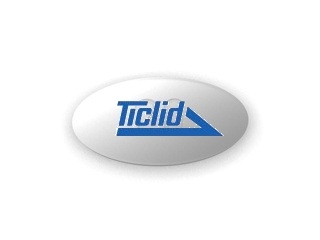

Ticlid (Ticlopidine) – Patient-Friendly Medicines Information (Australia)
Ticlid contains ticlopidine, an antiplatelet medicine. It helps reduce the ability of blood platelets to stick together, lowering the risk of certain serious blood vessel problems such as stroke caused by blocked arteries. This page explains how Ticlid works, how it’s usually taken, what to watch for, and important interactions and safety information relevant to people in Australia.
Key points at a glance
- Ticlid (ticlopidine) is an antiplatelet medicine.
- It works by reducing platelet aggregation (platelets clump less easily).
- It may be used for people who need antiplatelet therapy in selected situations.
- Because ticlopidine can rarely cause serious blood and liver effects, regular blood tests may be required.
- Seek urgent medical help for signs of bleeding, infection with fever, or jaundice (yellowing of eyes/skin).
Basic product information
| Item | Details |
|---|---|
| Active ingredient | Ticlopidine |
| Brand name | Ticlid |
| Medicinal class | Antiplatelet agent (platelet aggregation inhibitor) |
| How it works | Blocks platelet activation pathways, reducing clumping |
| Typical form | Oral tablet (strengths vary by product presentation) |
| Common uses | Selected antiplatelet indications to reduce risk of vascular events |
How Ticlid works (mechanism of action)
Platelets are blood cells that help form clots. In conditions such as atherosclerosis, platelets can become activated and clump together, contributing to blockage of blood vessels. Ticlopidine reduces platelet aggregation by interfering with platelet activation and binding processes.
In practical terms, Ticlid makes platelets less likely to form harmful clots inside arteries, which can lower the risk of events such as certain types of stroke or other vascular complications.
Pharmacokinetics (how the body handles it)
Understanding pharmacokinetics helps explain why dosing and monitoring matter. Ticlopidine is absorbed after oral administration and is metabolised by the liver. Its antiplatelet effect is not immediate; it develops over time as the medicine and its active metabolites reach effective levels and platelet function changes.
Key practical implications:
- Onset: Antiplatelet effect may take days to establish.
- Metabolism: Metabolism occurs mainly in the liver, so liver function is important for safety.
- Monitoring: Rare but serious blood effects mean health professionals may perform periodic blood tests.
Typical use in healthcare
Ticlid is used as an antiplatelet medicine in selected clinical situations. It may be considered when an antiplatelet effect is needed to help reduce the risk of certain vascular events. Decisions about whether Ticlid is appropriate depend on your medical history, other treatments, bleeding risk, and current clinical guidelines.
In many patients, other antiplatelet medicines may be preferred due to different safety profiles and ease of monitoring. Your healthcare professional will decide the most suitable option for you.
Indications (when it may be used)
In Australia, the exact indications for an individual depend on prescribing practices and the current product information and clinical guidance. Generally, Ticlid may be used in settings where reducing platelet aggregation is desired, such as:
- Prevention of thrombotic events in appropriate patients where antiplatelet therapy is indicated
- Alternative antiplatelet strategy in certain cases (for example, when other agents are unsuitable)
- Neurological vascular prevention in carefully selected circumstances
Because Ticlid has particular safety considerations (especially concerning blood counts), it is typically reserved for situations where benefit outweighs risk.
How to take Ticlid (timing and dosing)
Always follow the dosing instructions provided by your healthcare professional. If you are unsure, ask a pharmacist for clarification. The information below is general guidance.
Typical dosing approach
Ticlid is commonly taken twice daily to maintain antiplatelet effect throughout the day. Dosing may vary depending on the product strength, your condition, and your safety monitoring results.
What time of day to take it
- Try to take doses at roughly 12-hour intervals.
- Choose times that are easy to remember (e.g., morning and evening).
- Consistency helps maintain steady platelet inhibition.
What to do if you miss a dose
If you miss a dose, take it when you remember unless it is close to the next dose. Do not take two doses at once to make up for the missed tablet. If you are uncertain, ask your pharmacist.
Food interactions and taking with meals
Food can influence how quickly and how consistently medicines are absorbed. For Ticlid, follow the instructions given by your prescriber or pharmacist.
Practical tip: taking Ticlid with food or as directed can help reduce stomach upset for some people. However, the most important point is to follow your individual directions.
- Consistency: take it the same way each day (with or without food) unless advised otherwise.
- Gastrointestinal symptoms: if you experience persistent nausea, vomiting, abdominal pain, or diarrhoea, seek medical advice promptly.
Alcohol and medicine interactions
Alcohol can increase the risk of stomach irritation and may increase bleeding risk when combined with medicines that affect clotting. While moderate alcohol may be tolerated by some people, it can still increase risk depending on your health and other medications.
Alcohol considerations
- Avoid binge drinking or heavy alcohol use.
- Be cautious if you have a history of ulcers, bleeding, liver disease, or abnormal blood counts.
- If you drink alcohol, discuss what amount is safe for you.
Medicine interactions (important)
Interactions can increase bleeding risk or affect how Ticlid works. Inform your healthcare professional about all medicines and supplements you take, including over-the-counter products.
Medicines that can increase bleeding risk
- Other antiplatelets (e.g., aspirin, clopidogrel) — risk may increase when combined.
- Anticoagulants (e.g., warfarin, apixaban, rivaroxaban, dabigatran) — combination can increase bleeding risk.
- Non-steroidal anti-inflammatory drugs (NSAIDs) (e.g., ibuprofen, naproxen) — can increase gastrointestinal bleeding risk.
Medicines affecting liver function or blood counts
Because ticlopidine is metabolised in the liver and can rarely affect blood cell production, medicines that stress the liver or alter blood counts may need careful review. Examples include certain antibiotics, anticonvulsants, and other prescription medicines—your clinician will consider your medication list.
Herbal and complementary products
- Be cautious with supplements that may affect clotting, such as garlic extracts, ginkgo, ginseng or high-dose fish oil.
- Always tell your pharmacist what supplements you use.
Safety profile and side effects
Like all medicines, Ticlid can cause side effects. Many people take it without serious problems, but it is important to know what to watch for. The most important safety issues involve blood disorders and liver-related effects, which are uncommon but potentially serious.
Seek urgent medical help if you notice any of the following
- Signs of bleeding: unusual bruising, black/tarry stools, vomiting blood or coffee-ground material, blood in urine, severe nosebleeds, or bleeding that won’t stop.
- Signs of infection: fever, sore throat, mouth ulcers, or feeling unusually unwell (can be linked to low white blood cells).
- Signs of liver problems: yellowing of the eyes/skin (jaundice), dark urine, severe fatigue, itching, or upper abdominal pain.
- Allergic reactions: swelling of face/lips, trouble breathing, widespread rash.
Common or expected side effects
Mild side effects may include gastrointestinal discomfort (such as nausea or stomach upset) or headache in some people. If side effects are bothersome or persistent, contact your pharmacist or doctor.
Serious but rare risks (why monitoring may be needed)
Ticlid can, in rare cases, cause changes in blood components such as:
- Neutropenia (low neutrophils)
- Thrombocytopenia (low platelets)
- Agranulocytosis (very low white cells; uncommon but serious)
- Thrombotic/haematologic complications (rare—your clinician will discuss what to monitor)
Because these events are uncommon but serious, healthcare professionals may arrange regular blood tests (such as full blood counts) and possibly liver function tests.
Practical use tips (to help you take Ticlid safely)
- Keep follow-up appointments for blood tests or review. Monitoring is part of safe treatment.
- Know the bleeding/infection signs listed above and seek help early.
- Use a medication organiser (dosette box) if you struggle with timing.
- Tell every clinician (including dentists) that you take Ticlid, especially before procedures.
- Be careful with injuries: use protective gear during sports and take care with sharp objects.
- Don’t stop suddenly unless advised—stopping antiplatelet therapy without guidance may increase risk of vascular events.
Alternative options
Antiplatelet therapy is a field with multiple available medicines. Depending on your condition and risk factors, alternatives may include:
- Aspirin (in selected patients)
- Clopidogrel or other P2Y12 inhibitors (where appropriate)
- Ticlopidine alternatives in many settings due to monitoring and safety considerations
The “best” alternative depends on your medical history, risk of bleeding, comorbidities, and tolerance. Ask your pharmacist or doctor to compare options relevant to your situation.
Market and legal context for Australia (general overview)
Medicines available to patients in Australia are regulated by the Therapeutic Goods Administration (TGA). Product availability can vary by brand, formulation, and current prescribing requirements. Antiplatelet medicines like Ticlid may be used under Australian clinical practice guidance, with safety monitoring considerations.
A key point for patients: always check that the product you receive is the correct one and that it matches the strength and instructions provided by your healthcare professional. Your pharmacist can help verify this.
Recent guidance and safety updates (how to stay current)
Medical guidance can change as new evidence emerges about benefits, risks, and monitoring needs. To stay up to date in Australia, rely on trusted sources such as:
- TGA safety updates and product information
- Australian clinical guidelines for cardiovascular and cerebrovascular prevention
- Advice from your pharmacist or doctor, especially if you experience side effects or your health status changes
If you have concerns about whether Ticlid remains the right option for you, discuss them promptly rather than stopping on your own.
Delivery and availability (online pharmacy expectations)
Availability and delivery options vary between online pharmacies and local regulations. When purchasing online in Australia, you can typically expect:
- Secure packaging to protect tablets from moisture and damage
- Tracking information for some shipping methods
- Careful verification of your order details
- Estimated delivery times that depend on your location and dispatch schedules
If a product is temporarily unavailable, a pharmacy may offer an alternative where clinically appropriate. Always confirm that any substitution is safe for your situation.
Frequently Asked Questions (FAQ)
1) What is Ticlid used for?
Ticlid (ticlopidine) is an antiplatelet medicine used in selected situations to help reduce the risk of vascular events by limiting platelet aggregation. Your healthcare professional will determine if it is suitable for your specific condition.
2) How long does it take to work?
The antiplatelet effect generally develops over time after starting. It may take days to achieve consistent effect. Do not expect immediate results after the first dose.
3) Should I take Ticlid with food?
Follow your personal instructions. Many people find that taking the medicine with food reduces stomach upset. Keep your routine consistent unless advised otherwise.
4) Can I take aspirin or pain relief medicines with Ticlid?
Combining antiplatelet or pain-relief medicines can increase bleeding risk. In particular, NSAIDs (like ibuprofen) may raise gastrointestinal bleeding risk. Always ask your pharmacist what is safe for you before combining medicines.
5) What should I do if I notice bleeding?
Mild bruising can occur, but seek urgent medical help for severe or unusual bleeding (such as black stools, blood in vomit, or bleeding that won’t stop). Contact a healthcare professional promptly if you’re concerned.
6) Why might I need regular blood tests?
Ticlid can rarely affect blood cell counts and may impact other safety parameters. Regular monitoring helps detect problems early so treatment can be reassessed.
7) Can I drink alcohol while taking Ticlid?
Alcohol may increase bleeding risk and stomach irritation. If you choose to drink, avoid excessive amounts and discuss safe limits with your pharmacist or doctor—especially if you have a history of ulcers, liver disease, or bleeding problems.
8) What happens if I miss a dose?
Take the missed dose when you remember unless it is close to the next dose. Do not double up. If unsure, ask your pharmacist.
9) Are there alternatives if Ticlid isn’t suitable?
Yes. Other antiplatelet medicines may be considered depending on your condition and risk factors. Your clinician can help choose an option with the most appropriate safety profile and monitoring requirements for you.
10) When should I seek emergency help?
Seek emergency assistance if you have symptoms such as severe bleeding, signs of an allergic reaction (swelling or trouble breathing), symptoms of stroke (face drooping, weakness, speech difficulty), or signs of serious infection (high fever, severe sore throat, feeling very unwell).
Important reminder
This information is intended to help you understand Ticlid. It does not replace personalised medical advice. If you have questions about your condition, side effects, or interactions with your other medications, speak with your pharmacist or healthcare professional.