
Eplerenone (Eplerenone) — Patient-Friendly Medicine Information (Australia)
Eplerenone is a medicine used to help treat certain heart conditions and to improve outcomes for some people living with heart failure or after a heart attack. This page explains what eplerenone does, how it works, how it’s taken, what to expect, and key safety information. It is written to be easy to understand and helpful for everyday decision-making when using your medicine as directed.
Quick overview
- Medicine name: Eplerenone
- Medicine type: Mineralocorticoid receptor antagonist (MRA)
- Common uses in Australia: Heart failure and to reduce risk of cardiovascular death after a heart attack in selected patients
- Key benefit: Helps protect the heart by reducing harmful effects of hormones that can worsen heart failure
- Main safety concern: High potassium (hyperkalaemia) and kidney-related effects
Basic product information
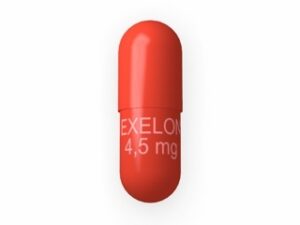
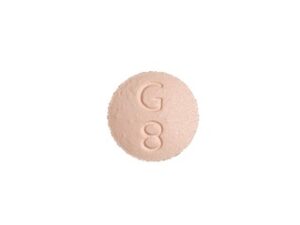
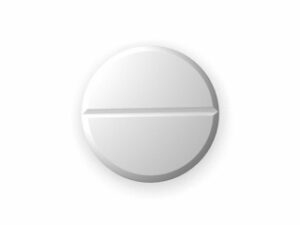
Eplerenone is available as oral tablets. Your product strength may vary (for example, 25 mg or 50 mg tablets). Brand availability can differ between suppliers. Your pharmacist can confirm the exact product and strength you have.
How it’s usually taken
- By mouth
- Often once daily or twice daily depending on your prescribed schedule
- Regular blood tests may be required, especially for potassium and kidney function
How eplerenone works (mechanism of action)
Eplerenone is part of a group of medicines that block the mineralocorticoid receptor. This receptor is involved in the effects of aldosterone, a hormone that can:
- Cause the body to retain sodium and water
- Increase potassium loss
- Contribute to inflammation and scarring (remodelling) in heart tissue
By blocking this receptor, eplerenone helps reduce fluid strain on the heart and may slow harmful changes in the cardiovascular system. The result can be improved symptoms and reduced risk of serious heart events for suitable patients.
When doctors typically use eplerenone (indications)
In Australia, eplerenone is used for specific heart conditions. The exact suitability depends on your medical history, blood test results, blood pressure, kidney function, and other medicines you take.
Common indications
- Chronic heart failure: Typically for patients with reduced ejection fraction (as determined by echocardiography or other assessments) who remain symptomatic despite standard therapy.
- After a heart attack (myocardial infarction): To reduce the risk of cardiovascular mortality in selected patients with left ventricular dysfunction and/or heart failure symptoms following a myocardial infarction.
If you’re unsure whether eplerenone is intended for you, check your medicine label or ask your pharmacist.
Dosing: typical schedules and important adjustments
Dosing varies by patient. Your clinician’s plan is based on your blood pressure, kidney function (creatinine/eGFR), and potassium levels. The information below is general and helps you understand common dosing patterns.
Typical dosing approach (general guidance)
- Starting dose: Often 25 mg once daily for many patients.
- Target dosing: May be increased (for example to 50 mg once daily) depending on blood potassium and kidney function.
- Increases: Usually considered after blood tests confirm potassium remains in a safe range.
- Adjustments: Dose may be reduced or paused if potassium rises or kidney function changes.
Missed dose
- Take it as soon as you remember if it’s close to your next dose time.
- If it’s nearly time for the next dose, skip the missed dose.
- Do not take double the dose to make up for a missed tablet.
Practical timing tips
- Choose a consistent time each day to improve adherence.
- If your dose is split (e.g., twice daily), space doses evenly.
- Use reminders if you tend to forget evening doses.
Timing and how to take eplerenone
With or without food
Eplerenone can be taken with or without food for most people. However, food—particularly increasing certain drug levels—can be relevant when interacting medicines are involved. See the food interaction section below for specific guidance related to drug-drug interactions and grapefruit.
Swallowing
- Swallow tablets whole with water.
- Do not crush or chew unless your pharmacist or label instructions say it’s safe.
Pharmacokinetics (how the body handles eplerenone)
Understanding pharmacokinetics can help explain why blood tests matter and why certain interactions are important. While individual results vary, the following general points are relevant:
- Absorption: Eplerenone is absorbed after oral dosing. The degree of absorption and overall drug exposure can be influenced by food intake and interacting medicines.
- Peak levels: The medicine reaches peak concentration in the bloodstream after a few hours (timing varies among patients).
- Distribution: It distributes into body tissues and binds to plasma proteins.
- Metabolism: Eplerenone is primarily metabolised by liver enzymes (notably CYP3A4).
- Elimination: It is cleared by combined pathways involving metabolism and excretion; kidney function can influence elimination.
- Half-life: It has a clinically relevant half-life that supports daily dosing (exact duration can vary).
Because eplerenone is metabolised by the liver and can affect potassium, changes in kidney function or interactions with other medicines may alter safe dosing. This is why regular monitoring is often recommended.
Food interactions and what to avoid
Most people can take eplerenone with or without food. The main dietary issue to consider is related to substances that affect drug metabolism.
Grapefruit and grapefruit juice
- Avoid grapefruit products unless your pharmacist advises otherwise.
- Grapefruit can affect the enzymes that metabolise eplerenone, potentially increasing eplerenone levels and the risk of side effects (including high potassium).
Salt substitutes
- Be cautious with salt substitutes (often containing potassium chloride).
- Because eplerenone increases the risk of high potassium, using potassium-containing substitutes can be unsafe without approval.
Alcohol and medicine interactions
Moderate alcohol use may be tolerated for some people, but alcohol can indirectly affect heart function, blood pressure, hydration, and adherence to medication. In addition, alcohol may worsen dizziness or light-headedness in some patients—particularly when blood pressure is low.
General safety approach
- If you choose to drink alcohol, do so cautiously and avoid binge drinking.
- Watch for symptoms such as dizziness, faintness, or unusual weakness.
- Stay well hydrated and monitor how you feel.
Because individual risk varies widely, ask your pharmacist or doctor what level of alcohol is appropriate for your specific condition and other medicines.
Medicine interactions (important)
Drug interactions are especially important with eplerenone because of its effects on potassium and because it is metabolised by liver enzymes. Always review your full medication list (including supplements and “over-the-counter” products) with a pharmacist.
Medicines that can increase potassium (risk of hyperkalaemia)
Combining eplerenone with certain medicines or supplements can raise potassium levels significantly. Examples include:
- Other potassium-sparing diuretics (e.g., amiloride, triamterene)
- Potassium supplements
- Salt substitutes containing potassium
- ACE inhibitors (e.g., perindopril, ramipril, enalapril)
- ARBs (e.g., losartan, valsartan, candesartan)
- Non-steroidal anti-inflammatory drugs (NSAIDs) (e.g., ibuprofen, naproxen, diclofenac) — can also affect kidney function
Note: In heart failure, ACE inhibitors/ARBs may be part of standard care alongside eplerenone. The key difference is that your clinician typically monitors blood potassium and kidney function and adjusts doses to keep levels safe.
Medicines that affect eplerenone metabolism (CYP3A4)
Eplerenone is metabolised mainly by CYP3A4. Medicines that inhibit this pathway can raise eplerenone levels. Examples include:
- Some antifungals (e.g., ketoconazole, itraconazole)
- Some antibiotics (e.g., clarithromycin)
- Some antiviral medicines (depending on regimen)
- Some other medicines that inhibit CYP3A4
Never start or stop interacting medicines without checking with your pharmacist, because the consequences may include high potassium or low blood pressure.
Herbal and supplement interactions
- Be cautious with “natural” products, especially those that influence kidney function, potassium, or blood pressure.
- Discuss supplements (including salt tablets, potassium-containing products, and herbal blends) with your pharmacist.
Safety profile: side effects and when to seek help
Like all medicines, eplerenone can cause side effects. Many people tolerate it well, especially with appropriate monitoring. The most clinically important risk relates to potassium and kidney function.
Common or notable side effects
- Dizziness or light-headedness (especially when standing up)
- Low blood pressure symptoms (may occur in some patients)
- Kidney function changes in some cases
- High potassium (often detected through blood tests rather than symptoms)
- Fatigue or weakness
Serious symptoms (seek urgent medical advice)
Seek urgent medical attention if you experience symptoms that could indicate significant hyperkalaemia or an unsafe heart rhythm, such as:
- Severe weakness
- Palpitations or an irregular heartbeat
- Chest pain
- Unexplained fainting
- Severe shortness of breath
Monitoring that helps prevent problems
- Potassium level tests (hyperkalaemia risk)
- Kidney function tests (creatinine/eGFR)
- Blood pressure checks
Monitoring frequency may be higher at the start of therapy or after dose changes.
Who should be extra cautious?
- People with kidney disease
- People with baseline high potassium
- Those taking medicines that affect potassium or kidney function
- Older adults, because kidney function can change with age
Practical use tips (how to stay safe day-to-day)
- Keep up with blood tests: Potassium and kidney function monitoring is key to safe use.
- Know your “potassium sources”: Avoid salt substitutes that contain potassium chloride unless your clinician approves.
- Check labels on over-the-counter products: Some “pain relief” products (NSAIDs) can affect kidney function.
- Tell every healthcare provider you use eplerenone: This includes dentists and emergency services.
- Maintain hydration: Dehydration can affect kidney function and potassium balance.
- Stand up slowly: If you feel dizzy, rise gradually from sitting or lying down.
If you miss a dose and then remember later, take the missed tablet only if it’s close enough to your next scheduled dose—otherwise skip it. If you’re unsure, ask your pharmacist.
Alternative options for heart failure or post-heart-attack care
There may be other medicines used for similar conditions, depending on your heart measurements, kidney function, potassium level, and overall treatment plan. Alternatives should be discussed with a clinician.
Other mineralocorticoid receptor antagonists
- Spironolactone: Another MRA commonly used in heart failure. It may be associated with different side effect patterns (for example, hormonal-related effects in some people).
- Eplerenone vs spironolactone: Eplerenone is often chosen when the hormonal side effects of spironolactone are a concern.
Other heart failure medicines
- ACE inhibitors/ARBs
- Beta-blockers
- ARNI (for some patients)
- SGLT2 inhibitors (in suitable patients)
- Diuretics to relieve fluid symptoms
Your treatment plan is individual. If you’re considering switching, do so only with medical guidance.
Market and legal context for Australia
In Australia, medicines are regulated by the Therapeutic Goods Administration (TGA). The legal status and availability of eplerenone depend on the formulation and whether it is classified as prescription-only or otherwise regulated at the time of supply.
Online pharmacies in Australia must follow relevant state/territory requirements and federal regulations for supply, including identity verification and appropriate medication information. Always purchase from reputable sources that comply with Australian health and pharmacy regulations.
If you’re shopping online, ensure the product is supplied with:
- Clear labelling (brand/generic name, strength, dosage form)
- Batch/expiry information
- Customer support that can help with medication queries
- Privacy protections and secure payment options
Recent guidance and clinical monitoring (what to expect)
Clinical guidance for heart failure continues to evolve. However, certain principles remain consistent:
- Regular monitoring of potassium and kidney function for patients taking MRAs.
- Careful balancing of benefits versus risks, particularly in people with reduced kidney function.
- Attention to interactions with potassium-increasing medicines and CYP3A4 inhibitors.
- Ongoing review of the full medication list at routine check-ups.
Your pharmacist can explain how monitoring usually works for eplerenone and help you plan blood test timing around medicine changes.
Delivery and availability (online pharmacy)
Availability can vary by stock levels and tablet strength. When ordering from an online pharmacy, look for:
- Estimated dispatch time and delivery options (standard or express where available)
- Secure packaging to protect tablets and reduce breakage
- Clear product details (strength, dosage form, and manufacturer where listed)
- Tracking information for reassurance
Keep your medication in a cool, dry place as instructed on the label, away from direct sunlight and out of reach of children. If you notice tablets look unusual (colour changes, cracks, or damaged blister packs), contact the pharmacy for advice.
FAQ about eplerenone
1. What is eplerenone used for?
Eplerenone is used for selected heart conditions, including chronic heart failure and to help reduce cardiovascular mortality in some people after a heart attack with left ventricular dysfunction. Your clinician determines suitability based on your health status and test results.
2. How long does it take to work?
Eplerenone’s effect on potassium and fluid balance can occur quickly, but heart failure outcome benefits may take weeks to months. Many patients are treated long-term. If you feel worse after starting, contact a healthcare professional promptly.
3. Why do I need potassium and kidney blood tests?
Eplerenone can raise blood potassium and may affect kidney function, especially in people with reduced kidney function or those taking interacting medicines. Monitoring helps keep levels in a safe range and allows dose adjustments when needed.
4. Can I take eplerenone with other heart medicines?
Often, yes—heart failure regimens can include other medicines such as ACE inhibitors, ARBs, beta-blockers, and diuretics. However, the combination must be monitored carefully. Always share your full medication list with your pharmacist.
5. What should I avoid eating or drinking?
- Avoid grapefruit and grapefruit juice unless your pharmacist says it’s safe for you.
- Avoid potassium-containing salt substitutes unless approved.
- Limit alcohol and avoid binge drinking.
6. Are NSAIDs safe to use with eplerenone?
NSAIDs (such as ibuprofen and naproxen) can affect kidney function and may increase potassium risk when combined with eplerenone. If you need pain or fever relief, ask your pharmacist what’s safest for your situation.
7. What if I feel dizzy?
Dizziness can occur, particularly when standing up. Rise slowly and sit or lie down if you feel faint. If dizziness is severe or persistent, seek advice from a healthcare professional. It may be related to blood pressure or fluid balance.
8. What are the signs of high potassium?
High potassium may cause few symptoms early and is often detected on blood tests. When symptoms occur, they may include muscle weakness, palpitations, or abnormal heartbeat sensations. If you feel unwell or notice irregular heartbeats, seek urgent medical advice.
9. Can I stop eplerenone if I feel better?
Heart conditions often require long-term treatment. Stopping eplerenone without advice may increase risk of deterioration. If you’re considering stopping or changing your dose, speak with a healthcare professional first.
10. How should I store eplerenone?
Store tablets as directed on the label (typically at room temperature, away from moisture and direct sunlight), and keep them out of reach of children. Do not use after the expiry date.
Summary
Eplerenone is a mineralocorticoid receptor antagonist used in selected heart conditions to help reduce harmful effects related to aldosterone. It can significantly benefit appropriate patients, but it requires attention to potassium and kidney function. With regular blood monitoring, careful management of interacting medicines, and consistent daily use, many people can use eplerenone safely as part of their heart care plan.