Tiotropium Bromide (Inhalation) — Patient Information
Tiotropium bromide is a long-acting inhaled medicine used to help keep airways open and make breathing easier. It belongs to a group of medicines called antimuscarinics (also known as anticholinergics). Below is a patient-friendly overview of how it works, when it’s used, how to use it correctly, safety considerations, and information relevant to Australia.
Basic product information
| Item | Details |
|---|---|
| Active ingredient | Tiotropium bromide |
| Medicine type | Long-acting inhaled antimuscarinic |
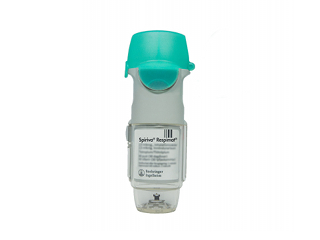
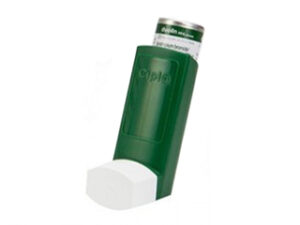
| Common formulations | Dry powder inhaler (DPI) or inhalation solution for inhaler use (varies by brand/device) |
| How it’s used | Inhalation only (do not swallow) |
| How often | Often once daily (depending on the product strength/device) |
| Typical role | Long-term control medication for COPD; sometimes used in specific conditions per clinician advice |
Note: Brand names and inhaler devices differ across products in Australia. Always follow the specific instructions provided with your inhaler and any advice you have received.
What tiotropium bromide does (mechanism of action)
Tiotropium bromide works by blocking muscarinic receptors in the airways (especially the M3 receptor subtype). In COPD and other airway conditions, acetylcholine helps stimulate airway narrowing and increases mucus production. By blocking these signals, tiotropium helps to:
- Relax airway muscles (bronchodilation)
- Reduce bronchoconstriction (tightening of the airways)
- Improve airflow and reduce breathlessness
- Maintain symptom control over a long period
Because it is designed for long-lasting action, it is used as a maintenance medicine rather than for immediate relief during sudden breathing attacks.
Pharmacokinetics (how the body handles it)
Understanding how tiotropium behaves in the body can help explain dosing frequency and why consistent inhalation matters. Key points include:
- Absorption: After inhalation, tiotropium is absorbed into the bloodstream. The amount absorbed is influenced by the inhaler device and inhalation technique.
- Distribution: Tiotropium distributes into tissues and binds to muscarinic receptors in the airways.
- Metabolism: Tiotropium is primarily excreted unchanged. It undergoes limited metabolic processing.
- Elimination: It is mainly eliminated via the kidneys (renal excretion).
- Duration of effect: Tiotropium has a long residence time at muscarinic receptors, which supports once-daily dosing for many products.
People with reduced kidney function may need extra caution. If you have kidney problems, discuss with a healthcare professional.
Typical use in Australia
Tiotropium bromide is most commonly used in Australia for:
- Chronic Obstructive Pulmonary Disease (COPD) — to improve airflow and reduce symptoms.
Some formulations or treatment plans may also be considered for other airway conditions in line with local clinical guidance. Your clinician will choose the most appropriate therapy based on your symptoms, lung function, and overall treatment plan.
Indications (when it’s used)
“Indications” means the situations in which the medicine is intended to be used. Common indications for tiotropium bromide include:
- COPD (maintenance bronchodilator therapy) to help manage chronic symptoms such as breathlessness.
Tiotropium is generally not intended as the only treatment during acute worsening of COPD. During flare-ups, other “rescue” medicines (such as short-acting bronchodilators) are commonly used according to your action plan.
How to take tiotropium bromide (timing and dosing)
Typical timing
Many tiotropium bromide products are taken once daily. Choose a consistent time each day to improve adherence. Some people prefer morning, others prefer evening—pick what fits your routine.
- Take at the same time daily where possible.
- If you miss a dose, take it when you remember unless it’s near the time of the next dose.
- Do not double up to make up for a missed dose.
Dosing (general guidance)
The exact dose depends on the specific product strength and the inhaler device. Always use the dose prescribed on your product label or according to your healthcare professional’s instructions.
Common dosing patterns (may vary by product):
- Once daily inhalation for maintenance in COPD.
Because device types differ (DPI vs inhalation solution), the “how” of taking it is as important as the “how much”. Follow the inhaler instructions step-by-step.
Correct inhaler technique (practical essentials)
Poor technique can reduce the amount of medicine reaching the lungs. Use these general principles (specific steps may vary by brand):
- Prepare: Load a dose only when you are ready to inhale (if your device requires loading).
- Exhale away from the inhaler: Start with a breath out to reduce dilution.
- Seal lips around the mouthpiece: Create a good seal.
- Inhale firmly and steadily (for many DPIs): This helps disperse the powder.
- Hold your breath: Hold for several seconds if you are able, to allow deposition in the airways.
- Close and rinse if advised: Some inhaled therapies require rinsing; tiotropium usually does not, but follow your product guidance.
If you are unsure how to use your specific device, ask a pharmacist or nurse to observe your technique. Many effective medicines fail if the device is used incorrectly.
Food interactions
Tiotropium bromide is taken by inhalation, so it is not typically affected by what you eat. In general, food does not have a major interaction with tiotropium inhaled therapy.
- You can usually take your dose with or without food.
- If you find inhaling is easier when your stomach is not full, you can choose a comfortable time around meals.
Always check the specific product information if you have been given particular dietary or timing instructions.
Alcohol and medicine interactions
There is no widely expected direct interaction between moderate alcohol consumption and inhaled tiotropium. However, alcohol may indirectly worsen breathing in some people and can make dizziness or side effects more noticeable.
- Moderation is sensible, especially if you have breathlessness or a history of falls.
- If you notice dizziness, light-headedness, or worsening breathing after alcohol, avoid alcohol and discuss with a healthcare professional.
More important than alcohol interactions are potential interactions with other respiratory medicines (see below).
Medicine interactions
Tiotropium is a bronchodilator that acts on muscarinic receptors. Interactions depend on what other medicines you take. Tell your pharmacist or doctor about all medicines you use, including inhalers, tablets, herbal products, and supplements.
Other inhaled antimuscarinics
- Using multiple antimuscarinic inhalers together may increase the risk of side effects such as dry mouth or urinary retention.
- Your clinician will usually avoid overlapping therapies unless there is a specific plan.
Other medicines with anticholinergic effects
- Some medicines (for example, certain bladder antispasmodics or some older allergy medicines) have anticholinergic properties. Combining them may increase the chance of anticholinergic side effects.
Rescue medicines
Tiotropium is long-acting. You may still need short-acting “reliever” inhalers for sudden symptoms. There is generally no reason to stop your reliever unless your clinician instructs you.
If you are uncertain about what to take together, ask your pharmacist for a clear medication schedule.
Safety profile and side effects
Like all medicines, tiotropium bromide can cause side effects. Many people tolerate it well, especially when used correctly. Side effects may be influenced by inhaler technique and individual health conditions.
Common side effects
- Dry mouth
- Sore throat or mild throat irritation
- Cough
- Headache (sometimes reported)
Less common but important side effects
- Blurred vision or eye pain (possible eye involvement if mist enters the eyes)
- Difficulty urinating or worsening urinary retention (more likely in people with prostate enlargement or bladder outflow problems)
- Heart rhythm symptoms (uncommon; seek advice if you feel palpitations)
Seek urgent medical help if you have
- Signs of an allergic reaction (e.g., swelling of face/lips, rash, wheezing, trouble breathing beyond your usual pattern)
- Severe breathing difficulty not responding to your usual reliever plan
- Severe eye symptoms such as significant eye pain, halos around lights, or sudden vision changes
Who should be extra cautious
- Eye conditions (especially narrow-angle glaucoma). Avoid getting spray/powder in the eyes and report any eye discomfort promptly.
- Urinary problems such as difficulty passing urine or enlarged prostate.
- Kidney impairment (since tiotropium is mainly excreted by the kidneys).
Practical use tips for best results
- Use daily: Tiotropium is for long-term control. Even when you feel well, continue unless advised otherwise.
- Do not use it as a reliever: For sudden breathlessness, use your prescribed reliever medication/action plan.
- Check inhaler technique: Technique errors are common and can reduce effectiveness.
- Keep your inhaler clean: Follow device instructions for cleaning and storage.
- Watch for side effects: Dry mouth is common—sip water or use sugar-free lozenges if appropriate.
- Plan refills early: Running out can worsen symptom control.
What to expect (effect and onset)
Tiotropium helps maintain airway opening over time. Some people notice symptom relief soon after starting, while the full benefit may be achieved over days to weeks as treatment is continued consistently.
If your symptoms worsen despite regular use, contact your healthcare team—dose adjustments or additional therapies may be needed. Do not stop your medicine suddenly without advice.
Alternative options (other treatments you may discuss)
Depending on your diagnosis and severity, clinicians may recommend different long-acting or short-acting inhaled medicines. Alternatives can include:
Long-acting bronchodilators
- Long-acting beta-2 agonists (LABAs) (e.g., formoterol, salmeterol)
- Long-acting muscarinic antagonists (other antimuscarinic inhalers)
- Combination inhalers (e.g., LABA + LAMA) for some people with COPD
Anti-inflammatory medicines (often used in specific situations)
- Inhaled corticosteroids for some patients with COPD or overlap conditions where inflammation is a key feature
- Other add-on therapies based on your symptoms and history (your clinician can explain what applies to you)
The best alternative depends on your symptoms, lung function, exacerbation history, and inhaler preference. A pharmacist or clinician can help compare options and create a schedule.
Market and legal context for Australia
In Australia, inhaled medicines like tiotropium bromide are supplied through regulated channels and must comply with Australian medicines legislation. Availability depends on the specific product and how it is classified for supply in Australia.
- Therapeutic goods regulation: Medicines in Australia are regulated under the Australian regulatory framework for therapeutic goods.
- Prescribing and supply requirements: Supply arrangements depend on the medicine and its classification.
- Device instructions: Each inhaler device has instructions that must be followed to ensure safe and effective use.
If you have questions about eligibility, product selection, or how to obtain your medicine, a pharmacist can guide you.
Recent guidance and clinical considerations
Treatment for COPD and airway conditions is reviewed regularly as new evidence and guidelines emerge. Current clinical practice generally emphasises:
- Regular use of maintenance inhalers to reduce symptoms and help prevent flare-ups
- Correct inhaler technique and periodic review of how medicines are used
- Individualised escalation if symptoms persist (for example, adding or switching long-acting bronchodilators)
- Assessment of inhaler adherence and inhalation technique before changing therapy
For the most current Australian clinical guidance, clinicians often refer to local respiratory and primary care recommendations. Your healthcare professional can explain how those principles apply to your personal treatment plan.
Delivery and availability
Availability of tiotropium bromide depends on the specific brand and inhaler device. Many online pharmacies in Australia can supply inhaled medicines to eligible customers with appropriate verification processes.
- Dispatch: Orders are typically processed during business days; dispatch timing varies by supplier.
- Delivery areas: Delivery coverage varies; some services deliver across most of Australia while others have restrictions.
- Packaging: Medicines should arrive in original packaging with clear product details and expiry information.
To avoid delays, ensure your order details are correct and allow time for delivery—especially if you use inhalers daily.
Storage
- Store at room temperature unless the label says otherwise.
- Protect from moisture and heat.
- Keep out of reach of children.
- Check expiry date and return any expired product to a pharmacy for advice.
For dry powder inhalers, keeping the device dry is particularly important; follow the instructions for closing caps and storing correctly.
FAQ (Frequently asked questions)
1) Is tiotropium a reliever inhaler?
No. Tiotropium bromide is a long-acting maintenance medicine. It helps prevent and control symptoms over time. For sudden breathlessness, you usually need a short-acting reliever as part of an action plan.
2) How long does tiotropium take to work?
Some people notice improvement soon after starting, but full benefit is often achieved over days to weeks with regular use. If you are not improving, contact your healthcare professional rather than stopping or changing the dose on your own.
3) What if I miss a dose?
Take it when you remember, unless it is near the time of your next dose. Do not take two doses at once to compensate.
4) Can I take tiotropium with food?
In general, yes. Food does not usually cause clinically important interactions with inhaled tiotropium. Choose a time that is comfortable for your inhalation routine.
5) Can I drink alcohol while using tiotropium?
Moderate alcohol is not expected to directly interact with tiotropium, but alcohol can affect breathing or balance. If you notice symptoms worsen after alcohol, consider avoiding it and speak with a pharmacist or clinician.
6) What are the common side effects?
Dry mouth, throat irritation, cough, and sometimes headache are among the more common side effects. If side effects are persistent or severe, seek medical advice.
7) I have trouble passing urine. Is tiotropium safe?
Tiotropium can worsen urinary retention in some people. If you have urinary symptoms (particularly difficulty passing urine), discuss this with a healthcare professional before and during use.
8) Will tiotropium affect my eyes?
Eye-related side effects are uncommon but can occur if powder/mist gets into the eyes. If you experience blurred vision, eye pain, or halos around lights, seek urgent medical attention.
9) Can I use other inhalers at the same time?
Many people use multiple inhalers as part of COPD management (for example, a reliever plus a maintenance bronchodilator). Your clinician or pharmacist can provide a clear timetable. Avoid accidentally doubling on antimuscarinic medicines unless instructed.
10) How do I know if my inhaler technique is correct?
Ask a pharmacist or nurse to watch you use your specific inhaler. Technique checks can significantly improve medicine delivery to the lungs.
Summary
Tiotropium bromide is a long-acting inhaled antimuscarinic used mainly to provide ongoing symptom control in COPD. It works by blocking muscarinic receptors in the airways to support bronchodilation and improve airflow. Taking it once daily (or as directed for your specific product) with correct inhaler technique helps maximise benefit. Most people tolerate it well, but it’s important to be aware of potential side effects—especially if you have urinary issues or eye conditions.
If you have questions about your inhaler device, timing, or how to fit tiotropium into your broader COPD treatment plan, speak with a pharmacist.