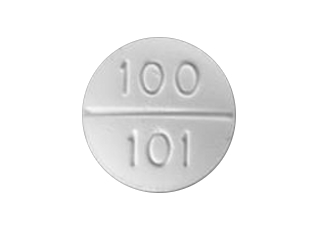


Dapsone (Diaminodiphenyl Sulfone) – Patient Information (Australia)
Dapsone (also known by the generic name diaminodiphenyl sulfone) is a medicine used to treat certain bacterial and inflammatory conditions. It has been used for many years, including in the treatment of Pneumocystis jirovecii pneumonia (PJP) prevention in people at risk, and for several skin conditions and leprosy.
This page explains what Dapsone is used for, how it works, how your body handles it, and important safety information. Always follow the dosing plan provided by your healthcare professional.
Quick facts
- Generic name: Dapsone (diaminodiphenyl sulfone)
- Common uses: Leprosy; treatment of certain infections; inflammatory skin conditions (e.g., dermatitis herpetiformis); prevention of PJP in some at-risk groups
- Typical forms: Oral tablets (often used as a single daily dose or divided as directed)
- Key safety considerations: Blood count changes (including anaemia), risk of methemoglobinaemia, liver effects, and hypersensitivity reactions
- Important interactions: Other medicines that affect blood/haemoglobin, and some antibiotics/antimalarials or medicines that can increase methemoglobin
Basic product information
Dapsone belongs to a group of medicines with antibacterial and anti-inflammatory properties. In practice, it may be prescribed for specific diagnoses where its benefits outweigh potential risks. It may be used in combination with other treatments depending on the condition.
Brand names: Availability of brand names varies by supplier and approvals in Australia. Your pharmacist can advise what is currently stocked.
How it is taken: Usually by mouth as tablets. Your dose depends on your diagnosis, body weight (for some indications), kidney/liver function, and your blood test results.
How Dapsone works (mechanism of action)
Dapsone has antibacterial and anti-inflammatory effects.
- Antibacterial activity: In susceptible organisms, dapsone interferes with essential metabolic processes, helping stop growth and reduce infection.
- Anti-inflammatory activity: Dapsone can reduce inflammatory activity in certain immune-mediated diseases, including some skin conditions characterised by neutrophil activity.
Exactly how it produces benefit differs by condition. For example, in dermatitis herpetiformis, its effects relate strongly to controlling inflammation and neutrophil-driven tissue injury.
Pharmacokinetics (how the body processes Dapsone)
“Pharmacokinetics” describes how the medicine is absorbed, distributed, metabolised, and eliminated.
- Absorption: Dapsone is absorbed after oral dosing. Taking it consistently helps maintain steady levels.
- Distribution: It distributes through the body tissues. Dapsone binds to proteins and can accumulate with ongoing use.
- Metabolism: The liver metabolises dapsone into other substances. One important aspect is that metabolism can contribute to the formation of reactive metabolites linked to blood-related side effects.
- Elimination: Dapsone and its metabolites leave the body mainly through urine and other excretory pathways.
- Half-life: Dapsone has a long half-life, meaning its effects and side effects may persist for some time after starting or stopping.
Clinical implication: Your clinician may monitor blood counts and liver tests, especially during the first weeks of treatment, because changes can develop gradually.
Typical uses and indications
Dapsone is used for specific conditions. Indications vary by local clinical practice and product availability in Australia.
Common indications
- Leprosy (Hansen’s disease): Used as part of combination regimens for leprosy, according to recommended guidelines.
- Dermatitis herpetiformis: An immune-mediated blistering skin condition associated with gluten sensitivity.
- Prevention of Pneumocystis jirovecii pneumonia (PJP): In some at-risk individuals, when other options are unsuitable or per current clinical guidance.
- Other conditions: Depending on the country’s approved uses and clinician judgement, dapsone may be considered for other off-label or specialty indications.
Note: Your exact indication determines dosing and monitoring. If you’re unsure why you’re taking dapsone, speak with your pharmacist or prescriber.
How to take Dapsone: timing and dosing principles
Timing
Many people take dapsone once daily. However, your dosing schedule may vary based on your diagnosis and your response.
- Take it at the same time each day to help maintain stable drug levels.
- If you miss a dose: Take it when you remember if it is close to the next dose. If it’s almost time for the next dose, skip the missed dose. Do not take a double dose.
- Do not stop suddenly without medical advice, particularly if you take it for infection prevention.
Dosing (general information)
Dosing depends on the condition, the person’s health status, and laboratory results. Below are general ranges used in clinical practice; your prescriber may adjust them.
| Indication | Typical dosing approach | Monitoring commonly used |
|---|---|---|
| Dermatitis herpetiformis | Often once daily; dose adjusted to skin response | Full blood count (FBC), liver function tests (LFTs), symptom monitoring |
| PJP prevention | Often once daily or in regimens depending on risk and tolerance | FBC, kidney/liver function, evaluation of side effects |
| Leprosy (in combination regimens) | Dose and schedule depend on regimen and severity | Clinical response and periodic labs as advised |
Important: Because dapsone can affect blood cells and haemoglobin chemistry, your dose may be started low and increased gradually. Never change your dose without advice.
Food interactions
Food: Dapsone can generally be taken with or without food. Taking it with food may help reduce stomach discomfort for some people.
- If you get nausea or indigestion, consider taking dapsone with a meal.
- Maintain a consistent approach (always with food or always on an empty stomach) unless your healthcare professional advises otherwise.
Absorption considerations: There are no common food groups that must always be avoided; however, your clinician may suggest dietary changes based on your underlying condition (for example, gluten avoidance in dermatitis herpetiformis).
Alcohol and medicine interactions
Alcohol
It’s best to limit or avoid alcohol while taking dapsone, particularly if you have liver concerns or elevated liver enzymes. Alcohol can increase the strain on the liver and may worsen side effects such as dizziness or nausea.
Medicine interactions
Dapsone can interact with other medicines, including drugs that affect blood formation, liver metabolism, or haemoglobin function.
Tell your pharmacist or doctor about all medicines you take, including over-the-counter products, supplements, and herbal remedies. Particularly important are medicines that may increase risk of methemoglobinaemia or affect blood cell counts.
Examples of medicines to check
- Antibiotics (some may affect blood counts or oxidative stress)
- Antimalarials used for malaria prophylaxis or treatment
- Medicines that can affect haemoglobin (some oxidising agents)
- Drugs affecting liver enzymes (which can change dapsone levels)
Practical advice: If you’re starting a new medicine—such as an antibiotic, antifungal, or malaria medicine—ask whether it may interact with dapsone.
Safety profile and side effects
Like all medicines, dapsone can cause side effects. Many people tolerate it well when appropriately monitored, but some reactions can be serious.
Common or expected side effects
- Stomach upset (nausea, loss of appetite)
- Headache
- Fatigue or weakness
- Rash or mild skin changes
Serious side effects (seek urgent medical help)
Contact urgent care or a medical professional promptly if you develop signs of serious reactions:
- Signs of methemoglobinaemia: shortness of breath, headache, dizziness, unusual fatigue, grey/blue lips or skin
- Severe allergic or hypersensitivity reaction: fever, widespread rash, swelling of face/lips, blistering skin, or severe illness
- Signs of anaemia: unusual tiredness, pale skin, breathlessness, chest discomfort
- Jaundice or liver problems: yellow eyes/skin, dark urine, persistent right upper abdominal pain, severe nausea/vomiting
Monitoring to reduce risk
Because of blood-related and liver-related risks, clinicians often monitor:
- Full blood count (FBC): to detect anaemia, abnormal white cells, or other blood changes
- Liver function tests (LFTs): to detect liver irritation or injury
- Clinical symptoms: rash, breathlessness, fatigue, and other warning signs
Who may be at higher risk?
- People with G6PD deficiency (risk of haemolysis and anaemia)
- Those with pre-existing blood disorders
- People with liver disease or prior dapsone intolerance
- Those taking interacting medicines that increase oxidative stress or affect haemoglobin
Practical use tips (help you take dapsone safely)
- Start and adjust carefully: Many clinicians begin at a lower dose and adjust based on lab results and symptoms.
- Keep appointments for blood tests: Early monitoring is important because blood effects may develop within weeks.
- Report symptoms early: Do not wait if you notice worsening breathlessness, severe rash, jaundice, or significant tiredness.
- Avoid unnecessary alcohol: especially if you have any liver risk.
- Use a medication list: Include dapsone and all other medicines to reduce interaction risk.
- Hydration: Adequate fluids may help overall tolerance, particularly if you feel unwell.
How long does it take to work?
Time to benefit depends on the condition:
- Dermatitis herpetiformis: Skin improvement can take days to weeks. Some people notice reduction in itch before blisters fully resolve.
- PJP prevention: Dapsone must be taken consistently to provide protection; changes in risk relate to ongoing therapy.
- Leprosy: Treatment is prolonged; improvement is assessed over months, along with partner medications and specialist follow-up.
If you do not feel benefit within the expected timeframe, contact your healthcare professional rather than stopping on your own.
Alternative options
Alternatives depend heavily on why you are taking dapsone. Below are examples of options that clinicians may consider in certain cases (not an exhaustive list):
- For dermatitis herpetiformis: Strict gluten-free diet is foundational; medicines that control blistering/itch may be considered depending on response and tolerance.
- For PJP prevention: Other prophylaxis regimens may be used based on kidney function, allergy history, and current clinical guidance.
- For leprosy: Standard multi-drug regimens are chosen by specialists and national protocols.
Your pharmacist or doctor can explain which alternatives are appropriate for your situation and whether they carry different monitoring requirements.
Market and legal context in Australia
In Australia, medicines are regulated under the Therapeutic Goods Administration (TGA). Availability and prescribing practices depend on whether a medicine is included on the Australian Register of Therapeutic Goods, and on the relevant indications in approved product information.
For online pharmacy supply, availability may vary by:
- Current stock levels with wholesalers and local suppliers
- Formulation and strength (e.g., tablet strength)
- Patient-specific requirements such as the need for dose adjustments and monitoring plans
Important: If a product is temporarily unavailable, your pharmacist may suggest a comparable option from the same supply chain or an alternative product if appropriate.
Recent guidance and safety updates (how to stay current)
Clinical recommendations for using dapsone may evolve as new safety information, monitoring practices, and antimicrobial stewardship guidelines are published.
To stay up to date:
- Follow the monitoring schedule recommended by your healthcare professional.
- Ask your pharmacist to check for any recent product information updates or safety advisories relevant to dapsone.
- Report new symptoms immediately—especially blood-related or skin reactions.
Delivery and availability (Australia)
Availability of dapsone products can vary by supplier. When ordering online in Australia, delivery times depend on:
- Stock status at the time of order
- Pharmacy processing time
- Delivery location (metropolitan vs regional/remote)
Delivery service: Most pharmacies offer standard and express shipping options. You’ll typically see estimated delivery windows at checkout.
Cold chain: Dapsone tablets do not usually require refrigeration.
If your order is delayed, contact customer support so your pharmacy can check supplier status and advise next steps.
FAQ
1) What is Dapsone used for?
Dapsone is used for specific medical conditions such as leprosy (as part of combination therapy), dermatitis herpetiformis, and prevention of certain infections (including PJP in some at-risk groups), depending on clinical judgement and current guidance.
2) How should I take dapsone?
Take dapsone exactly as directed. Many people take it once daily at the same time each day. You may take it with or without food; if it upsets your stomach, taking it with food may help.
3) Do I need blood tests?
Often, yes. Dapsone can affect blood counts and haemoglobin chemistry and may affect the liver. Your healthcare professional will typically schedule blood tests (often including full blood count and liver function tests).
4) What are the warning signs of a serious reaction?
Seek urgent medical help if you develop shortness of breath, bluish/grey lips or skin, severe tiredness, fever with rash, widespread blistering skin, swelling of face/lips, or yellowing of the skin/eyes.
5) Can I drink alcohol with dapsone?
It’s safest to limit or avoid alcohol, especially if you have liver concerns. Alcohol can increase the strain on the liver and may worsen side effects.
6) Can I take other medicines at the same time?
Many interactions are possible. Tell your pharmacist about every medicine you take, including antibiotics, antimalarials, supplements, and over-the-counter products. This helps avoid medicines that may increase risk of blood or haemoglobin side effects.
7) What should I do if I miss a dose?
If you remember soon after, take it. If it is nearly time for the next dose, skip the missed one. Do not take a double dose.
8) Does dapsone work quickly?
It depends on the condition. Some people with dermatitis herpetiformis notice improvement in days to weeks, while infection prevention requires consistent daily dosing. Leprosy treatment generally takes months.
9) What if I don’t feel better?
Do not stop dapsone without medical advice. Contact your healthcare professional to review symptoms, adherence, and whether dose adjustments or alternative treatment options are needed.
10) Are there alternatives to dapsone?
Yes, alternatives depend on the condition. Your clinician may consider different medications or, for dermatitis herpetiformis, a gluten-free diet as a core component.
When to seek help
If you have concerns about side effects or you experience new symptoms—especially rash, breathing difficulties, unusual fatigue, signs of jaundice, or severe weakness—contact a healthcare professional promptly.
For general medicine advice in Australia: You can also contact Healthdirect (1800 022 222) for information about accessing care.
This information is for general education and does not replace advice from your healthcare professional.