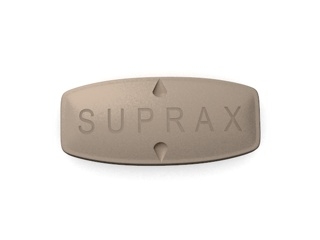

Suprax (Cefixime) — Patient Information (Australia)
Suprax contains cefixime, an oral antibiotic in the cephalosporin group. It is used to treat certain bacterial infections. This guide explains how Suprax works, when it’s typically used, how to take it safely, and what to expect. It also covers important interactions and practical tips to help you get the best outcome.
Note: Antibodies and viruses do not respond to antibiotics. Suprax is meant for infections caused by susceptible bacteria, as advised by your healthcare professional.
Quick Facts
- Active ingredient: Cefixime
- Medicine type: Oral cephalosporin antibiotic (3rd generation)
- Common forms: Tablets and some oral suspension presentations (availability may vary)
- Typical use: Selected bacterial infections of the ear, throat, chest/respiratory tract, urinary tract, and certain sexually transmissible infections (as guided by local clinical practice)
- How it’s taken: Usually once daily or twice daily depending on the condition and prescribed regimen
- Key cautions: Allergy to cephalosporins or penicillins, kidney impairment, diarrhoea during/after treatment
Basic Product Information
Suprax is a brand of cefixime. Cefixime belongs to the cephalosporin family of antibiotics. It is used to treat bacterial infections where the likely or confirmed pathogen is susceptible to cephalosporins.
Where available in Australia: Suprax/cefixime products may be sold through pharmacies depending on supply, formulary status, and your prescription/arrangement with a healthcare provider. Availability of specific pack sizes and strengths can vary by supplier.
How Suprax Works (Mechanism of Action)
Cefixime works by stopping bacteria from building their cell walls. Bacterial cell walls are made using processes that involve penicillin-binding proteins (PBPs). Cefixime binds to PBPs and disrupts the final stages of cell wall formation.
This leads to weakened bacterial cells that cannot survive and multiply. For many common bacteria, cephalosporins like cefixime show reliable activity against susceptible strains.
Pharmacokinetics (Absorption, Distribution, Metabolism, Excretion)
Pharmacokinetics describes what the body does to the medicine.
- Absorption: Cefixime is absorbed from the gastrointestinal tract. Food can slightly affect absorption speed, but it typically does not require strict fasting.
- Peak levels: Blood levels rise after dosing, reaching peak concentration in a few hours (timing may vary by formulation and individual factors).
- Distribution: Cefixime distributes into body fluids and tissues to varying degrees; it is especially relevant to infections in the respiratory tract, ear/throat, and urinary tract depending on susceptibility.
- Metabolism: Cefixime is not extensively metabolised; much of the active drug remains available in the body.
- Excretion: Cefixime is mainly eliminated via the kidneys (through urine). This is important for people with reduced kidney function.
Kidney function matters: If you have chronic kidney disease or reduced kidney clearance, your dose frequency or amount may need adjustment to reduce the risk of side effects.
Typical Uses and Indications
Suprax is used for bacterial infections that are likely to be susceptible to cefixime. Common indications (depending on local guidance, susceptibility patterns, and clinical assessment) may include:
- Ear, nose, and throat infections: such as certain cases of otitis media or bacterial pharyngitis/tonsillitis
- Respiratory tract infections: some forms of bronchitis or other infections where a bacterial cause is suspected
- Urinary tract infections (UTIs): uncomplicated bacterial UTIs in appropriate patients
- Some sexually transmitted infections: cephalosporins (including cefixime) may be used in specific situations under current clinical guidance and antimicrobial stewardship principles
Important: The decision to use cefixime depends on the suspected bacteria, antibiotic resistance trends, severity of illness, allergy history, and patient factors. Not all sore throats, coughs, or sinus symptoms are bacterial.
When to Start and Timing Tips
Start Suprax as soon as directed after a bacterial infection has been diagnosed or strongly suspected. Early appropriate antibiotics can improve outcomes in confirmed susceptible infections.
General timing principles:
- Try to space doses evenly if you are taking it more than once daily.
- Consistency helps: take doses at the same times each day.
- Complete the course: even if you feel better, finishing the prescribed regimen helps reduce the risk of treatment failure or relapse.
If you miss a dose, take it when you remember unless it’s close to the next dose. Do not double up.
Food Interactions (Can You Take It With Meals?)
For most people, cefixime can be taken with or without food. Food may delay absorption slightly, but overall effectiveness is usually maintained.
- If you get nausea: taking Suprax with a meal or snack may improve tolerability.
- For oral suspension: shake well before use and follow preparation instructions carefully.
Tip: Maintain hydration while taking antibiotics, particularly if you have fever or vomiting/diarrhoea.
Alcohol and Medicine Interactions
Alcohol
There is no universally required “no alcohol” rule for cefixime, but alcohol can:
- Worsen dehydration (especially if you have diarrhoea)
- Increase stomach upset or nausea
- Make it harder to track symptoms and side effects
Practical recommendation: Avoid or minimise alcohol while you are unwell and during the course of treatment.
Interactions with other medicines
Tell your pharmacist or doctor about all medicines you take, including herbal products and supplements. Key interaction considerations include:
- Antacids: Some antacids may reduce absorption if taken too close together. If using antacids, separate them from cefixime by at least a couple of hours (or follow advice from your pharmacist).
- Probenecid: This medicine can affect antibiotic excretion and may increase cefixime levels. Seek advice if you use probenecid.
- Diuretics and kidney-related medicines: Because cefixime is cleared by the kidneys, people using kidney-affecting medicines should be cautious.
- Warfarin/anticoagulants: Antibiotics can sometimes affect gut bacteria that contribute to vitamin K balance. If you take warfarin or other blood thinners, you may need extra monitoring.
- Oral contraceptives: While cefixime is not a rifamycin, severe diarrhoea or vomiting can reduce absorption of contraceptive pills. Use backup contraception if gastrointestinal upset is significant.
Always confirm: If you’re taking multiple medicines, your pharmacist can check the interaction profile for your specific regimen.
Dosing (General Information)
Dosing must be individualised based on the infection being treated, severity, age, and kidney function. The information below provides general guidance only.
Typical adult dosing patterns (varies by indication):
- Once daily or twice daily regimens are used depending on the condition.
- Kidney impairment: dose adjustment may be needed. This is especially important for people with reduced creatinine clearance.
Children: Cefixime dosing in children is commonly based on body weight and age, and depends on the infection type.
Oral suspension accuracy matters: If you’re given a liquid form, use the measuring device provided. Avoid household teaspoons that may be inaccurate.
Do not change your dose or stop early unless advised by a healthcare professional.
Safety Profile (Side Effects and When to Seek Help)
Like all antibiotics, Suprax can cause side effects. Many are mild and improve as your body adjusts. However, some reactions require urgent medical attention.
Common side effects
- Diarrhoea or loose stools
- Nausea and mild stomach discomfort
- Headache
- Rash (mild skin changes may occur)
Less common but important side effects
- Vaginal yeast infection (itching/discharge)
- Elevated liver enzymes (usually detected through blood tests)
- Temporary blood count changes (rare)
Seek urgent medical help if you develop:
- Signs of severe allergy: swelling of face/lips, difficulty breathing, wheezing, severe dizziness, or widespread hives
- Severe or persistent diarrhoea, especially with fever or blood/mucus in the stool (could be a serious bowel condition)
- Severe skin reactions: blistering, peeling skin, or sores in mouth/eyes
- Yellowing of skin/eyes (jaundice) or very dark urine
Allergy history matters: If you’ve ever had an allergic reaction to cephalosporins or penicillins, discuss this promptly with a clinician before taking cefixime.
Practical Use Tips (How to Get the Best Results)
- Take it at the right times: set reminders if you struggle with dosing schedules.
- Finish the course: stopping early can allow bacteria to rebound.
- Hydrate: especially if you’re dealing with fever, vomiting, or diarrhoea.
- Manage mild stomach upset: take with food if tolerated and drink fluids.
- Don’t share antibiotics: avoid using leftovers or giving Suprax to someone else.
- Track symptoms: if your symptoms don’t improve within a few days (or worsen), seek advice.
- Consider probiotics carefully: some people use probiotics to reduce antibiotic-associated diarrhoea. Ask your pharmacist about timing (often separated by a few hours) and suitability for your health situation.
Note on improvement: many bacterial infections begin to improve within 48–72 hours of appropriate antibiotic therapy, but the timeline varies by condition and severity.
Alternative Options (What Else Might Be Used?)
Alternatives depend strongly on the infection, suspected organism, local resistance patterns, and your allergy history. Your clinician may choose different antibiotics such as:
- Penicillins (for some respiratory and ear/throat infections, if suitable)
- Macrolides (for certain respiratory infections, or if cephalosporins are unsuitable)
- Other cephalosporins or different classes for UTIs/respiratory infections
- Targeted therapy based on culture results where available
Supportive care may also be important: pain relief, fluids, and rest can help recovery alongside antibiotics when appropriate. Do not rely on antibiotics alone if symptoms are severe or progressing.
Because alternatives vary widely, ask your pharmacist or clinician what options are suitable for your specific diagnosis.
Market and Legal/Regulatory Context in Australia
In Australia, access to antibiotic medicines is regulated to support safe use and responsible antimicrobial prescribing. Cefixime-containing products are supplied according to applicable pharmacy rules and professional healthcare standards.
- Antimicrobial stewardship: prescribers aim to select the most appropriate antibiotic at the right dose and duration to reduce resistance.
- Safety and screening: pharmacists and clinicians assess allergy history, kidney function, drug interactions, and likelihood of bacterial infection.
- Supply and availability: availability of specific strengths and formulations can vary by manufacturer and supply chain.
Local guidance can evolve, particularly as resistance patterns shift. Your healthcare professional will consider current recommendations for the suspected infection type.
Recent Guidance and Stewardship Notes
Australian antibiotic use continues to emphasise:
- Using antibiotics only when likely beneficial (avoid treating viral illnesses).
- Considering resistance patterns when choosing an antibiotic.
- Appropriate duration (neither too short nor unnecessarily prolonged).
- Reviewing treatment if symptoms don’t improve or if side effects occur.
If you’re unsure whether cefixime is the right treatment, ask for a re-assessment—especially if symptoms persist or worsen after initial improvement.
Delivery and Availability (Online Pharmacy)
Online pharmacies in Australia typically offer delivery options depending on location and stock. Availability of Suprax/cefixime may vary due to:
- Manufacturer and wholesaler supply
- Strength/formulation demand
- Pack sizes and stock rotation
Delivery considerations:
- Check estimated delivery times at checkout.
- Ensure someone can receive the package if delivery requires a signature.
- Store the medicine according to package instructions (usually at controlled room temperature away from moisture and heat).
If an item is temporarily out of stock, some pharmacies can offer alternatives (subject to clinical appropriateness and legal requirements) or notify you when restocked.
Storage and Handling
- Tablets/capsules: keep in original packaging to protect from moisture.
- Oral suspension: shake well before each dose and store as directed on the label (often refrigerated once prepared, depending on formulation).
- Do not use expired medicine: check expiry date on the box/bottle.
- Keep out of sight and reach of children.
FAQ — Suprax (Cefixime)
1) What is Suprax used for?
Suprax (cefixime) is used for certain bacterial infections, such as selected ear/throat infections, some respiratory infections, and urinary tract infections—depending on clinical assessment and susceptibility.
2) How quickly should I feel better?
Many people start to notice improvement within 48–72 hours of starting an appropriate antibiotic. If you feel worse, develop new symptoms, or don’t improve within a few days, seek medical advice.
3) Can I take Suprax with food?
Yes. Cefixime can generally be taken with or without food. If you experience nausea, taking it with a meal or snack may help.
4) What should I do if I miss a dose?
Take the missed dose when you remember unless it’s close to the next scheduled dose. Do not take a double dose to make up for the missed one. If you’re unsure, ask your pharmacist.
5) Can I drink alcohol while taking cefixime?
It’s best to minimise alcohol while you’re unwell. Alcohol may worsen dehydration and stomach upset. If you choose to drink, keep it light and avoid if you have diarrhoea or vomiting.
6) Are there interactions with antacids?
Some antacids may affect absorption. If you take antacids regularly, separate them from cefixime by a few hours or seek specific advice from your pharmacist.
7) Can cefixime treat viral infections?
No. Antibiotics only treat bacteria. Cefixime will not treat viruses such as the common cold or most sore throats caused by viruses.
8) Is it safe for children?
Many children can take cefixime, but the dose is weight- and age-dependent. Use the exact prescribed dose and follow the preparation instructions for liquid forms.
9) What if I develop diarrhoea?
Mild diarrhoea can occur. However, contact a clinician urgently if diarrhoea is severe, persistent, or contains blood/mucus, or if you develop fever or significant abdominal pain.
10) What if I have a penicillin allergy?
Cephalosporins and penicillins can share some allergy risk. Inform a clinician promptly about any past allergic reactions so they can assess suitability and safety.
11) Will cefixime affect my birth control pill?
Antibiotics like cefixime are not typically known to directly reduce contraceptive effectiveness, but severe diarrhoea or vomiting can reduce pill absorption. If you have significant gastrointestinal upset, use backup contraception and seek advice.
Summary
Suprax (cefixime) is an oral antibiotic used to treat certain bacterial infections. It works by disrupting bacterial cell wall formation and is generally taken once daily or twice daily depending on the condition. Food usually does not prevent its use, and it can often be taken with or without meals. Because cefixime is eliminated through the kidneys, people with kidney impairment may need dose adjustments.
To use Suprax safely and effectively:
- Take it at the recommended times and complete the course.
- Check for allergy history and potential interactions.
- Seek urgent help for severe allergy symptoms or significant diarrhoea.
- If symptoms do not improve after a reasonable period, request reassessment.
For personalised advice about dosing, interactions, or suitability, speak with your pharmacist or clinician in Australia.