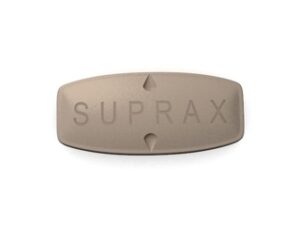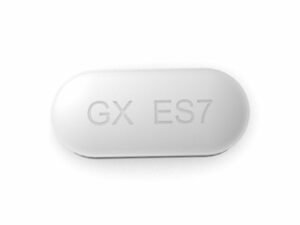


Rifaximin (Rifaximin tablets) – Patient Information (Australia)
Rifaximin is an antibiotic medicine used to treat certain intestinal conditions caused by susceptible bacteria. It is widely used for conditions such as traveller’s diarrhoea and hepatic encephalopathy, and it has a relatively low level of absorption into the bloodstream, which can help limit whole-body exposure.
This guide explains how rifaximin works, what it’s used for, how to take it safely, food and alcohol considerations, and what to expect in terms of timing and side effects. It also includes Australia-specific availability and legal context.
Basic product information
| Category | Details |
|---|---|
| Medicine name | Rifaximin |
| What it is | An oral antibiotic (commonly in tablet form) |
| Primary location of action | Intestinal tract (gut lumen) |
| Absorption | Low systemic absorption (most stays in the gut) |
| Typical dosing frequency | Depends on indication (commonly 2–3 times daily) |
| Common strengths | Strengths vary by brand and country (follow pack instructions) |
| Availability in Australia | May be supplied by pharmacies depending on product registration and stock |
How rifaximin works (mechanism of action)
Rifaximin works by inhibiting bacterial DNA synthesis. More specifically, it inhibits the bacterial enzyme RNA polymerase, which is essential for bacteria to produce proteins and replicate. By interfering with RNA production, rifaximin can reduce bacterial growth and help clear susceptible bacterial overgrowth in the gut.
Because rifaximin remains largely within the gastrointestinal tract, its effects are concentrated where the infection or bacterial imbalance is occurring. This may reduce the impact on bacteria elsewhere in the body.
Why it may be preferred in certain gut conditions
- Targeted gut action due to low absorption
- Broad activity against many gut pathogens and some gut bacterial overgrowth patterns
- Lower systemic exposure compared with many other oral antibiotics
Pharmacokinetics: what the body does with rifaximin
Pharmacokinetics describes how the body absorbs, distributes, metabolises, and excretes a medicine. For rifaximin, the key features include:
- Absorption: Rifaximin is poorly absorbed from the gut. Only a small fraction reaches the bloodstream.
- Distribution: Because systemic absorption is low, tissue distribution beyond the gut is limited.
- Metabolism: Systemic metabolism is minimal due to low absorption.
- Excretion: Most of the medicine is eliminated via the intestinal contents (with very limited systemic excretion).
In practical terms, this means the medicine’s main activity is in the gastrointestinal tract rather than circulating throughout the body.
What rifaximin is used for (indications)
Rifaximin is used for specific conditions where bacterial involvement in the gut is likely. Indications may vary by product registration and local clinical guidelines. Common uses include:
- Travellers’ diarrhoea (or diarrhoea linked to susceptible enteric pathogens)
- Hepatic encephalopathy (to help reduce recurrence of episodes in people with liver disease)
- Other gut-related bacterial conditions depending on medical assessment and available formulations in Australia
Your healthcare professional can confirm whether rifaximin is the best option for your specific condition based on symptoms, severity, local resistance patterns, and your medical history.
Dosing: typical regimens and timing
Dosing depends on the indication, severity, and the specific product strength. Always follow the directions supplied with your medicine. Typical regimens used in practice include:
| Condition | Typical adult dosing | Common duration |
|---|---|---|
| Travellers’ diarrhoea | Often given as a course taken several times daily (commonly 3 times daily in some regimens) | Frequently around 3 days (varies by local guidance and product) |
| Hepatic encephalopathy | Often given as a steady course (commonly 2 times daily in some regimens) | May be used for episodes and/or prevention of recurrence (duration varies) |
Important: Regimens can differ based on the brand, country, and clinical protocol. If you are unsure, check the pack or ask a pharmacist to confirm the schedule for the exact strength you have.
How to take rifaximin (timing and missed doses)
- Take at regular intervals to maintain consistent activity in the gut.
- With or without food is commonly possible, but follow the pack instructions for your product.
- If you miss a dose: Take it when you remember unless it is close to the next dose. Do not take extra to “catch up”.
- Complete the course even if you feel better, unless your clinician tells you to stop.
Food interactions: what to know
Rifaximin is mainly active within the intestinal tract, and it is often taken without strict timing around meals. In most cases, no major food–drug interaction is expected.
However, individual products may have specific instructions. As a general approach:
- Take rifaximin as directed on the pack, regardless of meal timing.
- If stomach upset occurs, some people find it easier to take doses with food or a snack (confirm with the pack guidance).
- Avoid sharing or mixing dosing schedules between different rifaximin brands.
Gastric symptoms and hydration
For diarrhoea-related uses, hydration is essential. Oral rehydration solutions can be particularly helpful. Continue to eat light, tolerable foods if you can.
Alcohol and medicine interactions
Rifaximin is an antibiotic that acts primarily in the gut. It does not typically have a classic “disulfiram-like” interaction with alcohol (unlike some other antibiotics). That said, alcohol can worsen dehydration, gut irritation, and overall recovery—especially during diarrhoea.
Practical guidance about alcohol
- During diarrhoea: avoid alcohol to reduce dehydration and stomach irritation.
- During hepatic encephalopathy: avoid alcohol because it can worsen liver function and encephalopathy risk.
- General rule: limit or avoid alcohol while your symptoms are being treated and until you feel fully well.
Other medicine interactions
Because rifaximin has low systemic absorption, it usually has fewer systemic interactions than antibiotics that strongly enter the bloodstream. Still, interactions can occur indirectly depending on your overall regimen and liver function.
- Liver-related medicines: If you have liver disease, keep all clinicians informed about your medicines.
- Antidiarrhoeal agents: For diarrhoea, avoid unnecessary antidiarrhoeal medicines unless advised, because clearing the cause may be beneficial and some conditions require targeted treatment.
- Other antibiotics or gut-active medicines: Tell your pharmacist if you’re taking probiotics, bile acid binders, or other gut medications so they can check compatibility with your plan.
Always confirm interactions with a pharmacist—especially if you take multiple medicines, have chronic liver disease, or are elderly.
Safety profile: common side effects and when to seek help
Like all medicines, rifaximin can cause side effects. Many people experience no or mild effects. Most side effects are gastrointestinal, reflecting the medicine’s local gut activity.
Common side effects
- Diarrhoea or changes in bowel habits
- Nausea or stomach discomfort
- Headache
- Flatulence (gas)
- Fatigue
Less common but serious reactions
Seek urgent medical help if you experience signs of a serious allergy or severe reaction, such as:
- Swelling of the face, lips, tongue, or throat
- Breathing difficulty, wheeze, or severe chest tightness
- Widespread rash, blistering, or peeling skin
- Severe or persistent vomiting
- Severe abdominal pain or signs of dehydration (dizziness, very dry mouth, reduced urination)
- Yellowing of the skin/eyes (jaundice) or dark urine, especially if you have liver disease
When to contact a clinician promptly
- Symptoms worsen after starting treatment
- High fever, blood in stool, or severe pain occurs
- Diarrhoea lasts longer than expected
- You develop confusion, excessive sleepiness, or worsening symptoms related to hepatic encephalopathy
Practical use tips for best results
These practical tips can improve comfort and support treatment effectiveness:
- Plan your schedule: set alarms for doses so you don’t miss intervals.
- Stay hydrated: for diarrhoea, prioritise fluids and oral rehydration solutions.
- Monitor symptoms: note stool frequency, hydration status, and any fever or blood.
- Keep the course consistent: do not stop early unless advised by a healthcare professional.
- Avoid sharing antibiotics: use rifaximin only for the condition it was intended to treat.
- Keep a list of medicines: particularly if you take multiple drugs or have liver disease.
Alternative options
Depending on the condition being treated and local clinical guidance, other options may be considered. Alternatives vary widely based on diagnosis, severity, and susceptibility of bacteria.
For travellers’ diarrhoea
- Other oral antibiotics may be used in selected cases (choice depends on local resistance and severity).
- Supportive care and rehydration remain important for all cases.
- In some situations, probiotics or symptom-targeted treatments may be considered.
For hepatic encephalopathy
- Lactulose is commonly used to help reduce ammonia-related symptoms.
- Rifaximin may be used alone or as add-on therapy depending on clinical assessment.
- Management also includes addressing triggers such as infections, constipation, GI bleeding, and electrolyte imbalance.
A clinician can recommend the most appropriate option for you based on the cause, your medical history, and any medication you are already taking.
Recent guidance and antimicrobial stewardship
Antibiotic use is guided by ongoing updates to clinical practice and antimicrobial stewardship. In Australia, treatment decisions generally consider:
- Whether bacterial infection is likely
- Severity of symptoms and risk factors
- Local resistance patterns where relevant
- Patient-specific factors (age, liver and kidney function, allergies, other medicines)
- Using the shortest effective duration
If you’re treating diarrhoea or preventing recurrence of hepatic encephalopathy, it’s important to follow the recommended plan and seek medical advice if your condition does not improve as expected.
Delivery, availability, and ordering in Australia
Availability of rifaximin can vary by manufacturer, strength, and whether a specific product is registered and stocked locally. Online pharmacies in Australia may supply rifaximin depending on demand and supply arrangements.
What to check when ordering
- Strength and form: confirm the dose (mg) and whether it’s tablets or another formulation.
- Expiry date: ensure it is not close to expiry.
- Packaging instructions: follow the directions on the outer carton and blister packs.
- Delivery timing: delivery estimates depend on your state/territory and courier availability.
If rifaximin is temporarily out of stock, most pharmacies can advise on expected restock dates and alternative options.
Market and legal context for Australia (high-level)
Medicines in Australia are regulated under the Australian Register of Therapeutic Goods (ARTG). Availability through pharmacies depends on registration status, scheduling, and pharmacy supply requirements.
Online medication services operate under Australian pharmacy regulations and related legislative requirements. Product availability and ordering conditions may differ between brands and between local and imported stock.
If you have questions about whether a particular rifaximin product can be supplied to your location, a pharmacist or the pharmacy’s support team can clarify options before dispatch.
Frequently Asked Questions (FAQ)
1) Is rifaximin used for all types of diarrhoea?
No. Diarrhoea can have many causes (viruses, food intolerance, parasites, medication effects, inflammatory bowel disease). Rifaximin is used when a bacterial cause or gut bacterial imbalance is suspected and when it is appropriate for that condition. If you have severe symptoms or blood in stool, seek medical advice promptly.
2) How quickly does rifaximin work?
Some people notice improvement within 24–48 hours, depending on the cause and severity. If there is no improvement or symptoms worsen, contact a clinician.
3) Can I take rifaximin with food?
In many cases, rifaximin can be taken with or without food. Follow the pack directions for your specific product. If food helps your stomach feel better, taking it with a meal or snack may improve comfort.
4) Can I drink alcohol while taking rifaximin?
It’s best to avoid alcohol during treatment, especially if you have diarrhoea or liver disease. Alcohol can worsen dehydration and may increase strain on the liver.
5) What should I do if I miss a dose?
Take it when you remember unless it is close to the next dose. Do not take extra to make up for a missed dose. If you’re unsure, ask a pharmacist for advice.
6) Is rifaximin safe for people with liver problems?
Rifaximin is used in hepatic encephalopathy, but individual safety depends on your clinical situation and other medicines. If you have liver disease, discuss your condition and medicines with your healthcare professional. Seek urgent advice if you notice jaundice, severe confusion, or worsening symptoms.
7) What side effects are most common?
Common side effects include stomach discomfort, nausea, diarrhoea or bowel habit changes, headache, and gas. Most are mild, but seek help urgently if you develop signs of serious allergy or severe dehydration.
8) Are there alternatives if rifaximin isn’t suitable?
Yes. Alternatives depend on the indication. For diarrhoea, other management strategies or antibiotics may be considered. For hepatic encephalopathy, lactulose and other supportive measures may be options. A clinician can help determine the best choice for your situation.
9) Does rifaximin affect birth control?
Antibiotics can sometimes affect the effectiveness of oral hormonal contraception in certain circumstances, largely through gastrointestinal effects like vomiting or diarrhoea. If you experience severe diarrhoea or vomiting, consider additional contraception advice from a pharmacist or clinician.
10) When should I seek urgent help?
Seek urgent care if you have breathing difficulty, swelling of the face/lips/tongue, a widespread rash, severe dehydration, severe abdominal pain, blood in stool, high fever, or significant worsening confusion/sleepiness.
Summary
Rifaximin is a gut-focused antibiotic that works by inhibiting bacterial RNA synthesis. Because it is poorly absorbed into the bloodstream, it primarily acts within the intestinal tract, making it useful for selected conditions such as travellers’ diarrhoea and hepatic encephalopathy.
For the best outcomes, take rifaximin exactly as directed, maintain hydration during diarrhoea, and avoid alcohol—particularly if you have liver disease. If symptoms do not improve, worsen, or you experience concerning side effects, contact a healthcare professional promptly.