
Xifaxan (Rifaximin) – Patient-Friendly Information (Australia)
Xifaxan contains rifaximin, an antibiotic that acts mainly within the gut. It is used to treat specific gastrointestinal conditions where reducing certain bacteria in the intestines can help. This guide explains how Xifaxan works, how it’s taken, what to expect, interactions to consider, safety information, and practical tips for everyday use in Australia.
Important: This information is for general education only. Individual suitability depends on your health history, other medicines, and the condition being treated.
1) Basic product information
| Category | Details |
|---|---|
| Medicine name | Xifaxan |
| Active ingredient | Rifaximin |
| Type | Antibiotic (non-systemic / largely gut-localised) |
| Where it acts | Primarily in the intestinal tract |
| Availability | Available via prescription channels in Australia (availability may vary by product listing and supplier) |
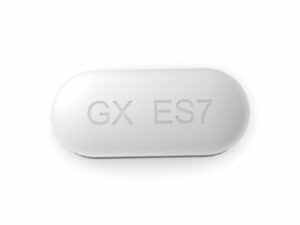
| Common formulations | Film-coated tablets (strengths may vary by local product presentation) |
Note: Brand availability and strength can vary. Always check the pack you receive for exact strength and directions.
2) How Xifaxan works (mechanism of action)
Rifaximin is an antibiotic that works by inhibiting bacterial DNA synthesis. More specifically, it binds to the bacterial enzyme DNA-dependent RNA polymerase, which interferes with how bacteria make RNA and multiply.
Because rifaximin is minimally absorbed into the bloodstream, it tends to exert its effect in the gut lumen, which can be helpful for conditions driven by gut bacteria or bacterial imbalance.
- Target: intestinal bacteria
- Action: stops bacteria from functioning and reproducing
- Local effect: mostly stays in the gastrointestinal tract
3) Pharmacokinetics (how the body handles rifaximin)
Understanding pharmacokinetics helps explain why rifaximin often has fewer whole-body effects than some other antibiotics.
Absorption
Rifaximin is poorly absorbed from the gastrointestinal tract. After oral dosing, only small amounts of the drug reach the bloodstream.
Distribution
Due to limited absorption, systemic distribution is generally low. The medicine largely remains in the gut.
Metabolism
Rifaximin undergoes minimal metabolic processing compared with many systemically absorbed drugs.
Elimination
Most of the medicine is eliminated in the stool. Because systemic levels are low, clinical interactions may be fewer than with antibiotics that circulate widely in the body.
Your clinician may still adjust choices based on liver function, kidney function, and the specific indication being treated.
4) Typical uses in practice (indications)
Xifaxan is used for specific conditions where rifaximin’s gut-focused antibacterial action can be beneficial. In Australia, approved indications may vary by product updates and regulatory listings. Always confirm the intended use with your healthcare provider.
Common clinical indications
- Hepatic encephalopathy (to reduce risk of recurrence or as part of a management plan in people with liver disease)
- Traveller’s diarrhoea caused by susceptible strains of bacteria (especially when targeted by local clinical guidance)
- Other gut-related bacterial conditions may be considered depending on local approvals and specialist assessment
If you are unsure which condition you are being treated for, check your medication instructions and ask a pharmacist.
5) Timing: when and how to take Xifaxan
Follow the dosing schedule provided with your medicine. The typical timing advice below helps you plan a routine.
General timing tips
- Consistency matters: take doses at evenly spaced times.
- Complete the course: finish the prescribed duration even if you feel better.
- Set reminders: especially for multiple daily doses.
What if you miss a dose?
If you miss a dose, take it when you remember unless it is close to the next scheduled dose. Do not double up to make up for a missed dose. If you’re unsure, ask a pharmacist.
6) Food interactions and taking with meals
Food can influence how some medicines are absorbed. For rifaximin, absorption is low, and food effects are not always dramatic, but local product instructions still matter.
Practical guidance
- Take as directed on the pack or by your healthcare professional.
- If you’re told to take with or without food, follow that instruction consistently.
- If you experience stomach discomfort, discuss with your pharmacist—sometimes adjusting meal timing can help.
If you have been given specific instructions for your indication (e.g., dosing intervals or food requirements), prioritise those over general guidance.
7) Alcohol interactions
Rifaximin is an antibiotic that primarily acts in the gut and is not typically associated with the classic “disulfiram-like” reaction seen with some other antibiotics.
However, alcohol can worsen some conditions that rifaximin is used to treat (particularly liver-related disease) and can contribute to dehydration and gastrointestinal irritation. In addition, if you are recovering from diarrhoea, alcohol may worsen symptoms.
Patient-friendly advice
- Best choice: avoid or minimise alcohol during your course.
- If you have liver disease: discuss alcohol use with your treating team—avoid alcohol unless advised otherwise.
- If you choose to drink: do so sparingly and ensure you stay hydrated.
8) Medicine interactions (including common considerations)
Because rifaximin has low systemic absorption, clinically significant interactions may be fewer than with antibiotics that achieve high blood levels. Still, interactions can occur depending on the medicines involved and your condition.
General interaction checks
- Tell your pharmacist about all medicines you take, including herbal products and supplements.
- Include recent antibiotics, antacids, and any treatments for liver disease or gut conditions.
- Be especially careful if you take medicines that affect liver enzymes or transport proteins.
Examples of interaction risk areas
- Strong inhibitors of certain metabolic pathways: may increase exposure to some drugs (confirm with pharmacist).
- Other gut-directed therapies: may affect symptom patterns and when to take doses.
- Medicines affecting bleeding risk: if you have liver disease, ensure your overall regimen is assessed.
For the most accurate interaction guidance, your pharmacist can check your specific product strength and dosing.
9) Dosing information (how much and for how long)
Dose and duration depend on the condition being treated and your medical context (for example, liver-related status). The schedule below is provided as general educational information; your instructions on the medicine packaging should be followed.
Typical dosing patterns (general)
- Multiple daily doses: many rifaximin regimens use dosing several times per day.
- Short to medium courses: for some diarrhoea indications, courses may be relatively brief.
- Longer or ongoing use: for certain liver-related indications, your prescriber may plan repeat courses or maintenance approaches.
Why your exact dose matters
Different indications have different dosing schedules and different durations. Using the wrong schedule can reduce effectiveness or increase side effects.
If you want, share the dosing directions printed on your label (including the number of tablets per dose and frequency), and you can ask for help understanding the schedule.
10) Safety profile: side effects and what to watch for
Most people tolerate Xifaxan well. Because it acts largely within the gut, systemic side effects may be less common than with some other antibiotics. Still, side effects can occur.
Common side effects
- Diarrhoea or loose stools
- Nausea
- Abdominal discomfort (cramping, bloating)
- Headache (in some people)
- Constipation (less commonly)
Seek urgent medical help if you notice
- Signs of allergy: rash, itching, swelling of face/lips, wheezing, severe dizziness
- Severe or persistent diarrhoea, especially if watery and frequent, or if accompanied by fever or blood/mucus (could signal a serious gut infection)
- Severe abdominal pain or worsening condition that doesn’t match what you expect
When to contact a healthcare professional soon
- Symptoms aren’t improving as expected after a couple of days
- You have vomiting and can’t keep fluids down
- You have significant liver disease and notice increasing confusion, drowsiness, or worsening symptoms
11) Practical use tips (getting the best results)
Start strong: preparation
- Hydrate: especially if you’re being treated for diarrhoea.
- Keep notes: track stool frequency, pain, fever, and any side effects.
- Follow the schedule: consistent intervals support predictable effect.
During treatment
- Don’t stop early unless advised.
- Consider diet: bland foods and oral rehydration solutions may help if you have diarrhoea.
- Avoid extra irritants: alcohol and very spicy foods can worsen gut symptoms.
After finishing the course
- Monitor symptom resolution.
- If symptoms return quickly, contact your clinician—relapse may require reassessment.
- For recurrent diarrhoea, ask about evaluation of triggers and preventing dehydration.
12) Alternative options to consider
Alternatives depend strongly on the condition and your individual circumstances. Below is an overview of possible approaches that clinicians may consider. Your pharmacist can discuss what’s appropriate for your diagnosis and local availability.
For diarrhoea conditions
- Supportive care: oral rehydration solutions, fluids, and diet adjustments
- Other antibiotics: depending on suspected bacteria and severity
- Probiotics: may help some people, though evidence varies by condition and product
- Symptom management: antiemetics or antidiarrhoeals in appropriate situations
For hepatic encephalopathy
- Lactulose (commonly used to manage ammonia-related symptoms)
- Other bowel-regulating strategies depending on your regimen
- Regular monitoring of liver status and precipitating factors (e.g., infections, dehydration, constipation)
Important: Don’t switch treatments without medical advice, especially if you have liver disease or recurrent symptoms.
13) Xifaxan in the Australian market: legal and regulatory context
In Australia, medicines are regulated by the Therapeutic Goods Administration (TGA). Many prescription antibiotics are made available through prescription channels and managed by pharmacy dispensing policies to support safe and effective use.
Availability can differ across regions and suppliers. Online pharmacies may require verification of eligibility and correct dispensing processes based on Australian requirements.
What to expect when ordering
- Accurate listing of the product strength and form (e.g., tablet strength)
- Guidance on safe storage and delivery
- Advice about how to take the medication and when to seek help
14) Recent guidance and clinical considerations
Clinical practice guidelines for antibiotic use can evolve. In general, modern guidance emphasises:
- Targeted therapy: using antibiotics when they are likely to help and where bacterial susceptibility is relevant
- Appropriate duration: avoiding unnecessary extension of antibiotic courses
- Risk monitoring: vigilance for severe diarrhoea and other antibiotic-related complications
- Optimising underlying causes: such as constipation management, dehydration prevention, and assessment for infections or triggers in liver disease
If you have recurrent symptoms, clinicians may assess for contributing factors and consider whether the current plan remains the best fit.
15) Delivery and availability (online pharmacy experience)
When ordering Xifaxan online in Australia, availability depends on supplier stock, the specific product strength, and local pharmacy dispensing processes.
Typical delivery expectations
- Processing time: may vary based on verification and packaging
- Transit time: depends on your location and courier service
- Tracking: many pharmacies provide tracking updates
Storage
Store tablets according to the instructions on the pack (generally in a cool, dry place away from moisture and heat). Keep out of reach of children.
If you receive the medication, check that the correct strength and product name are on the label.
16) FAQ (Frequently asked questions)
Is Xifaxan the same as rifaximin?
Xifaxan is a brand name. Rifaximin is the active ingredient.
How long does it take to start working?
Some people notice improvement within a day or two, but this varies by condition and severity. If you don’t see expected improvement within the timeframe your healthcare professional mentioned, contact your pharmacist or doctor.
Can I take Xifaxan with food?
Follow your label or healthcare professional instructions. In many cases, low absorption means food may have less impact, but it’s safest to follow the exact guidance provided for your regimen.
Can I drink alcohol while taking Xifaxan?
It’s generally best to avoid or minimise alcohol during treatment, particularly if you have liver disease or diarrhoea. Alcohol can worsen underlying conditions and contribute to dehydration or irritation.
What if I have diarrhoea during treatment?
Mild changes in stool can happen with antibiotics. However, severe, persistent, or worsening diarrhoea (especially with fever or blood/mucus) needs urgent medical assessment. Seek care promptly.
Are there foods I should avoid?
There are no universal “forbidden foods” for rifaximin, but it can help to avoid triggers that worsen gut symptoms. If you have diarrhoea, prioritise hydration and bland, easily tolerated foods.
Will Xifaxan interact with my other medications?
Some interactions are possible, though rifaximin is often less interactive than systemically absorbed antibiotics due to low absorption. Always provide your pharmacist with a complete list of medicines and supplements to check for interactions.
Is Xifaxan safe for people with liver problems?
Rifaximin is commonly used in liver-related encephalopathy management, but liver status still matters for overall treatment planning. Your prescriber will consider your condition, severity, and other medications.
Can I stop taking it early if I feel better?
Completing the recommended course helps ensure the treatment works as intended. Don’t stop early unless a healthcare professional tells you to.
What should I do if I miss a dose?
Take it when you remember unless it’s close to the next dose. Don’t take a double dose. If unsure, check with a pharmacist.
Are there alternatives if Xifaxan doesn’t work?
If symptoms persist or recur, clinicians may reassess the diagnosis, consider other causes, and adjust therapy. Alternative treatments depend on the condition being treated.
Summary
Xifaxan (rifaximin) is a gut-focused antibiotic used for specific gastrointestinal conditions. It works by disrupting bacterial DNA and is characterised by low absorption into the bloodstream, meaning it mainly acts within the intestines. Successful treatment depends on taking it at the right times, completing the planned course, and monitoring for side effects—particularly severe diarrhoea or signs of allergy.
If you’d like help understanding how to take Xifaxan for your specific label directions, or you want to review potential interactions with your current medicines, a pharmacist can assist.