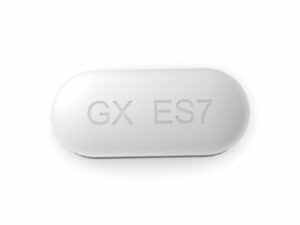

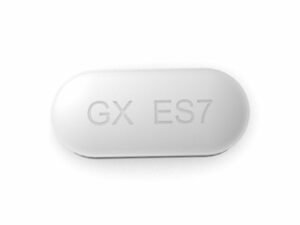
Vibramycin (Doxycycline) – Patient Information (Australia)
Vibramycin is a brand of doxycycline, an antibiotic medicine used to treat a variety of bacterial infections. This page provides general, patient-friendly information to help you understand how doxycycline works, how it’s usually taken, and what to watch for while you’re using it.
Always read the product label and any instructions provided by your healthcare professional. If you have questions about suitability for you, speak with a pharmacist or doctor.
Key product information
- Medicine name: Vibramycin (doxycycline)
- Medicine type: Antibiotic (tetracycline class)
- Common forms: Tablets and capsules (brand availability can vary)
- Strengths: Common strengths include 50 mg, 100 mg (check your specific pack)
- How it works: Stops bacteria from growing by interfering with protein production
- Typical course: Varies by condition (often 5–14 days, but some indications differ)
How Vibramycin (doxycycline) works
Doxycycline is a bacteriostatic antibiotic, meaning it slows the growth of bacteria. It does this by binding to the 30S ribosomal subunit of susceptible bacteria, which helps block protein synthesis (an essential process bacteria need to survive and multiply).
Because it doesn’t directly “kill” bacteria in the same way some antibiotics do, completing the full prescribed/recommended course is important to ensure the infection resolves.
Pharmacokinetics (how your body handles doxycycline)
Understanding how doxycycline is absorbed and eliminated can help explain the timing and food-interaction advice you may have heard.
Absorption
- After taking by mouth, doxycycline is generally well absorbed.
- Food may reduce stomach upset for many people, and can be taken with food if needed.
- However, certain substances (e.g., calcium, iron, magnesium and some antacids) can reduce absorption.
Distribution
- Doxycycline distributes into many tissues, including sites of infection.
- It can distribute into bone and teeth, which is one reason it’s not recommended in certain age groups.
Metabolism and excretion
- Doxycycline is eliminated through a combination of biliary (into bile) and renal (urine) pathways.
- In general, dose adjustments for kidney problems may be less critical than for some other tetracyclines, but individual circumstances vary.
Typical uses in Australia
Doxycycline is used for infections caused by susceptible bacteria and for certain specific conditions. Depending on local clinical practice and the bacteria involved, it may be used for:
- Respiratory tract infections (where doxycycline is appropriate)
- Skin and soft tissue infections
- Acne (some forms/strategies) (your clinician/pharmacist will advise)
- Some sexually transmitted infections (depending on organism and guidance)
- Tick-borne and other specific bacterial infections (specialist or guideline-based use)
- Eye, dental, and other targeted infections (depending on local protocols and susceptibility)
Important: Not all infections respond to doxycycline. The choice of antibiotic should consider the likely bacteria, severity of illness, local resistance patterns, and patient factors.
Indications and when doxycycline is considered
Clinicians choose antibiotics based on suspected/confirmed bacteria and the infection site. Doxycycline may be considered when:
- The suspected bacteria are known to be sensitive to doxycycline.
- Alternative antibiotics are less suitable due to allergies, side effect profiles, or resistance patterns.
- There is evidence from local guidelines that doxycycline is an appropriate option for that specific condition.
If you’re unsure why doxycycline was selected, ask your pharmacist or doctor—knowing the target organism/condition can make it easier to understand the dosing and expected timing of improvement.
How to take Vibramycin (doxycycline): dosing and timing
Because dosing depends on the condition being treated, the severity of infection, and patient factors, use the exact dosing instructions from your healthcare professional or the medication label.
Below are common general dosing patterns for doxycycline in adults. Your product label may differ, so always confirm the correct dose for your pack and your condition.
Common adult dosing patterns (general guidance)
| Condition (varies by indication) | Typical adult dosing pattern (general) | Notes |
|---|---|---|
| Many routine bacterial infections | 50 mg to 100 mg once daily, or 100 mg twice daily | Frequency depends on severity and local guidance |
| Some specific infections/clinical situations | May use a higher or more frequent regimen initially | Follow your exact instructions |
| Longer courses (where appropriate) | Often lower dose strategies | Skin conditions can differ from acute infections |
Timing tips
- Try to take it at the same time each day to maintain steady levels.
- If you take it once daily, choose a time you can consistently manage (morning or evening).
- If you take it twice daily, space doses evenly (e.g., morning and evening).
- Take with a full glass of water.
- Stay upright for at least 30 minutes after swallowing (this helps reduce the risk of irritation to the food pipe).
How quickly should you feel better? Many people start to notice improvement within 24–72 hours, depending on the infection. If you are not improving or you worsen, contact your healthcare provider promptly.
Food interactions and what to avoid
Food doesn’t usually need to be avoided entirely with doxycycline, but certain dietary supplements and minerals can significantly interfere with absorption.
What to be careful with
- Antacids containing aluminium or magnesium
- Iron supplements
- Calcium supplements (including some fortified drinks)
- Magnesium supplements
- Multivitamins that contain minerals
Practical approach: Separate doxycycline from mineral-containing products by at least 2 hours before or 4–6 hours after (or follow your pharmacist’s advice). This helps ensure better absorption.
Milk and yoghurt
Small amounts of dairy with the dose may not always cause problems, but large amounts or a dose taken with a high-calcium meal could reduce absorption for some people. If you notice reduced effectiveness or are advised to be cautious, take doxycycline with water and a lighter meal, or follow your pharmacist’s specific timing advice.
Alcohol interactions
In many cases, moderate alcohol is not directly contraindicated with doxycycline, but alcohol can affect how you feel and may increase stomach irritation or nausea.
- Doxycycline can already cause gastrointestinal side effects (nausea, indigestion). Alcohol may make these more noticeable.
- Both alcohol and antibiotics can be harder on your body when you’re sick or dehydrated.
- If you have a history of liver disease or you’re taking other medicines that affect the liver, discuss alcohol use with a healthcare professional.
Best practice: Consider avoiding or limiting alcohol during treatment, especially if you experience nausea, dizziness, or worsening reflux.
Interactions with other medicines
Some medicines can change doxycycline levels or increase side effects. Always tell your pharmacist about all current medications, including over-the-counter products and supplements.
Common interaction categories
- Minerals and antacids (calcium, iron, magnesium; aluminium-containing antacids) – reduce absorption
- Retinoids (vitamin A derivatives such as isotretinoin) – may increase risk of raised pressure in the skull (rare)
- Barbiturates and some anti-seizure medicines – may reduce effectiveness by increasing metabolism
- Warfarin (and other blood thinners) – some antibiotics can affect bleeding risk; monitor if used together
- Diuretics (e.g., some agents) – not always a direct contraindication but can affect overall tolerance
Herbal supplements
- St John’s wort may reduce antibiotic effectiveness in some situations.
- Other herbal products may have additive effects on the stomach or liver. Check with a pharmacist if you’re unsure.
Safety profile and side effects
Most people tolerate doxycycline well, but it can cause side effects. If you experience severe or persistent symptoms, seek medical advice urgently.
Common side effects
- Nausea, indigestion, or stomach discomfort
- Diarrhoea (mild cases can occur)
- Headache or dizziness
- Skin sensitivity or mild rash
Less common but important risks
- Sun sensitivity (photosensitivity): increased risk of sunburn. Use sunscreen and protective clothing.
- Esophageal irritation: taking without enough water or lying down soon after can increase risk.
- Vaginal yeast infection or other overgrowth issues due to antibiotic effect on normal flora.
- Allergic reactions: seek urgent help for swelling of the face/lips, difficulty breathing, or widespread rash with fever.
Seek urgent medical care if
- You develop signs of a severe allergic reaction
- You have severe watery or bloody diarrhoea, fever, or significant abdominal pain
- You have severe headache with vision changes, or persistent vomiting
- Yellowing of the skin/eyes (jaundice) or dark urine (possible liver issues)
Practical use tips (to help you get the best results)
- Take with a full glass of water and remain upright for 30 minutes.
- If the tablet/capsule feels difficult to swallow, speak to a pharmacist about options. Do not crush unless instructed for your specific product.
- Complete the course even if you feel better before it ends.
- If you miss a dose, take it when you remember unless it’s near the next dose. Do not double up—follow label/pharmacist advice.
- Protect from sun: use sunscreen (broad spectrum), hats, and long sleeves while taking doxycycline.
- Stay hydrated and manage nausea with light meals if appropriate.
Who should be cautious or avoid doxycycline?
Your suitability depends on age, pregnancy/breastfeeding status, allergy history, and other medical factors.
- Allergy: do not take if you’ve had an allergy to doxycycline or tetracyclines.
- Pregnancy: tetracyclines can affect developing teeth/bone. Use is generally avoided unless a clinician specifically determines otherwise.
- Breastfeeding: guidance may vary; discuss with a healthcare professional.
- Children: doxycycline is generally avoided in young children unless a clinician advises it—especially due to effects on tooth development.
- Liver or kidney disease: discuss risks and monitoring needs.
If any of these apply, speak with a pharmacist or doctor before starting.
Alternative options to consider
Depending on the infection type and the bacteria suspected, alternative antibiotics (or non-antibiotic approaches for some conditions) may be considered. Alternatives vary widely by indication and local resistance patterns.
Examples of alternative options (general categories):
- Other antibiotic classes such as macrolides (e.g., azithromycin) for certain respiratory infections
- Penicillins/cephalosporins for particular skin and respiratory infections
- Different tetracyclines or other regimens in specific contexts
Only a healthcare professional can decide what is appropriate for you. The “best” alternative depends on your diagnosis, allergies, and local guidance.
Market and legal context for Australia
In Australia, antibiotic access and supply are governed by health and regulatory requirements designed to support safe use and reduce antimicrobial resistance.
- Antibiotics are used for confirmed or strongly suspected bacterial infections where benefit outweighs risks.
- Correct dosing and completing the full course are important to help reduce resistance.
- Online pharmacies and dispensing services must follow Australian laws and professional standards, including appropriate identity verification, clinical information gathering, and supply processes.
Note: Availability of specific products and pack sizes may change due to supply and regulatory factors.
Recent guidance and stewardship (what matters now)
While guidance can vary by clinical area and updated recommendations occur over time, the overarching principles for doxycycline use in recent years have included:
- Antimicrobial stewardship: use antibiotics only when needed and appropriate.
- Follow local resistance patterns and clinical guidelines for the specific condition.
- Review response: reassess if symptoms are not improving within expected timeframes.
- Minimise unnecessary exposure to reduce risk of side effects and resistance.
If your symptoms don’t match what your clinician expected, or you are not improving, seek timely review rather than taking additional doses on your own.
Delivery and availability (Australia)
Online pharmacy services may offer convenient delivery across Australia. Availability of Vibramycin (doxycycline) can vary by supplier and stock levels.
- Check product page details for pack size, strength, and dispatch times.
- Cold/temperature requirements: doxycycline tablets/capsules are usually stored at room temperature. Follow the label instructions.
- Delivery timeframes: depend on your location and the pharmacy’s courier network.
- Packaging: products are typically shipped in original packaging where possible.
If you have time-critical needs (e.g., severe infection symptoms), contact the pharmacy for advice on urgent delivery options.
FAQ – Vibramycin (Doxycycline)
1) What is Vibramycin used for?
Vibramycin (doxycycline) is an antibiotic used to treat certain bacterial infections. It may also be used for specific conditions depending on diagnosis and local clinical guidance.
2) How long does it take to work?
Many people notice improvement within 24–72 hours. If you’re not improving, or your symptoms worsen, contact a healthcare professional promptly.
3) Can I take doxycycline with food?
Many people can take doxycycline with food to reduce stomach upset. However, avoid taking it at the same time as mineral supplements or antacids containing calcium, iron, magnesium, or aluminium.
4) Should I avoid dairy?
Large amounts of dairy close to your dose may reduce absorption for some people. For best results, take doxycycline with water and follow your pharmacist’s timing advice for dairy and calcium-containing products.
5) What about vitamins and supplements?
Separate doxycycline from supplements that contain calcium, iron, magnesium or similar minerals (commonly by several hours). Always check the label and confirm with a pharmacist.
6) Can I drink alcohol while taking Vibramycin?
Moderate alcohol may not be strictly contraindicated, but it can worsen nausea or stomach irritation. If you want to be cautious—especially if you feel unwell—limit alcohol during treatment.
7) Are there side effects I should watch for?
Common effects include nausea, indigestion, and diarrhoea. Seek urgent medical care for signs of severe allergy, severe diarrhoea (especially with blood), severe headache with vision changes, or symptoms suggesting liver problems.
8) Can doxycycline cause sun sensitivity?
Yes. Doxycycline can increase sensitivity to sunlight. Use sunscreen, protective clothing, and avoid excessive sun exposure during treatment.
9) What if I miss a dose?
Take it as soon as you remember if it’s not near the next dose. Do not take a double dose to make up for the missed one—follow label/pharmacist advice.
10) Are there medicines that should not be taken with doxycycline?
Mineral antacids and supplements can interfere with absorption. Some other medicines may affect doxycycline levels or increase side effects. Tell your pharmacist about all medications and supplements you use.
11) Can doxycycline be taken long-term?
Some conditions (e.g., certain inflammatory or skin conditions) may involve longer courses under clinician supervision. Long-term use should be monitored due to tolerance, side effects, and the need to confirm ongoing appropriateness.
12) Where should I store my tablets/capsules?
Store at room temperature in a dry place, in the original packaging, away from children. Follow any storage instructions on your specific pack.
Need help? If you have questions about taking Vibramycin, potential interactions, or managing side effects, your pharmacist can help you make a safe plan.