

Antabuse (Disulfiram) – Patient-Friendly Guide (Australia)
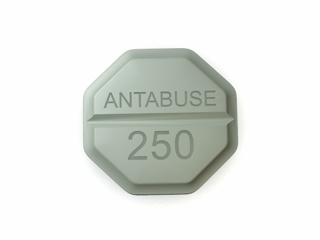
Antabuse is the brand name for disulfiram, a medicine used to support treatment of alcohol dependence by discouraging alcohol use. When disulfiram is taken, alcohol (including small amounts from certain products) can trigger unpleasant reactions. This guide explains how Antabuse works, how to take it safely, common interactions, practical tips, and what to expect in Australia.
Important: Always follow the instructions from your healthcare professional and the directions on the medicine label. Antabuse is not suitable for everyone, and safety depends on your medical history and other medicines.
Basic product information
| Feature | Details |
|---|---|
| Medicine name | Antabuse (disulfiram) |
| Medicinal ingredient | Disulfiram |
| Uses | Support for alcohol dependence by producing an adverse reaction if alcohol is consumed |
| How it works | Blocks alcohol metabolism, leading to unpleasant symptoms after alcohol |
| Common dosage forms | Tablets (strength varies by product/packaging) |
| Availability in Australia | Typically supplied via licensed pharmacies where legally available |
What is Antabuse (disulfiram)?
Antabuse is a medicine designed to help some people avoid alcohol. Unlike treatments that reduce cravings, disulfiram works by interfering with the body’s breakdown of alcohol. If alcohol is consumed while disulfiram is active, it can lead to a reaction such as flushing, nausea, vomiting, headache, and a sense of feeling extremely unwell. The goal is to create a strong deterrent effect.
How Antabuse works (mechanism of action)
To understand the deterrent effect, it helps to know what happens when alcohol is consumed:
- Alcohol is broken down in the body through a pathway that converts alcohol into intermediate substances.
- Disulfiram inhibits an enzyme needed for completing this breakdown (specifically the enzyme aldehyde dehydrogenase).
- As a result, an intermediate chemical called acetaldehyde builds up.
- Higher acetaldehyde levels are associated with the unpleasant reaction that discourages drinking.
Key point: The reaction is typically triggered by any alcohol you take in—drinks, cooking products containing alcohol, some medicines, and certain mouthwashes or products with alcohol content.
Pharmacokinetics (how the body handles disulfiram)
Pharmacokinetics describes how a medicine is absorbed, distributed, metabolised, and eliminated.
- Absorption: Disulfiram is taken by mouth and is absorbed after dosing.
- Metabolism: The body converts disulfiram into active metabolites. These metabolites contribute to the overall effect.
- Onset: The deterrent effect generally begins after the medicine has been taken and sufficient levels are present; timing can vary between individuals.
- Duration: Disulfiram has a long-lasting effect for many days, meaning alcohol should be avoided even if you stop taking it temporarily. The exact duration depends on metabolism, liver function, and individual factors.
- Elimination: Metabolites are eliminated mainly via the body’s normal pathways (including urine and other routes).
Practical implication: Do not assume that alcohol is safe “after you miss a dose” or “after you stop”—the deterrent effect may persist.
Typical use
Antabuse is used to support alcohol dependence in people who are committed to avoiding alcohol. It works best when used as part of a broader plan that may include counselling and support services.
Healthcare professionals may consider Antabuse when:
- There is a need for a strong behavioural deterrent to prevent drinking
- Other strategies alone have not been sufficient
- There is reliable follow-up and support to ensure safety and proper use
When and how to take it (timing and dosing overview)
Dosing must be individualised. Your healthcare professional will advise a dose based on your situation, liver health, other medicines, and whether you have already been drinking recently.
General timing principles
- Avoid alcohol before starting: Disulfiram should not be started while alcohol is still in your system.
- Start after a period of abstinence: The timing of starting varies depending on when you last drank and your clinical assessment.
- Expect ongoing sensitivity: Even small amounts of alcohol can trigger reactions while effects persist.
Typical dose range (general information)
In many treatment protocols, disulfiram is started at a dose such as 250 mg daily and adjusted as needed, with some regimens using different schedules (for example, lower doses or supervised dosing). Some people may be prescribed lower doses to reduce side effects.
Do not self-adjust. Changing dose without advice can increase risks and reduce effectiveness.
Food interactions and alcohol-containing products
Food can be a hidden source of alcohol. While most fresh foods contain little or no alcohol, some products may contain alcohol as an ingredient (for example, certain sauces, extracts, desserts, marinades, and flavourings).
Be cautious with
- Alcohol-containing cooking products (certain sauces and marinades)
- Alcohol-based flavourings or extracts
- Fermented foods where alcohol content is possible (typically low, but check products if you are sensitive)
- Drinks and tonics that contain alcohol
Tip: Read labels. If an ingredient list includes “alcohol”, “ethanol”, “spirit”, “liqueur”, or similar terms, choose an alcohol-free alternative.
Alcohol and medicine interactions (very important)
The defining feature of Antabuse is its interaction with alcohol. This includes:
- Drinks (beer, wine, spirits, liqueurs)
- Alcohol-containing foods (including some desserts and sauces)
- Medicines that contain alcohol (some cough syrups, cold remedies, and certain tonics—always check ingredients)
- Mouthwashes or oral care products that contain alcohol
- Topical products that contain alcohol (for example, certain antiseptics or solutions)—ask a pharmacist if unsure
What symptoms may occur if alcohol is taken
Reactions vary by dose and individual sensitivity, but may include:
- Facial flushing and warmth
- Throbbing headache
- Nausea, vomiting, stomach upset
- Palpitations and shortness of breath
- Low blood pressure, dizziness, fainting
- Severe feeling of illness
Seek urgent medical attention if you experience severe symptoms such as chest pain, severe shortness of breath, collapse, or persistent vomiting.
Interactions with other medicines
Disulfiram can interact with several medicines. Tell your healthcare professional about all medicines and supplements you use, including:
- Oral anticoagulants (blood thinners) – interaction may increase bleeding risk in some cases
- Some sedatives or medicines affecting the central nervous system
- Medicines metabolised by the liver – risk of altered levels and side effects
- Medicines for seizures or psychiatric conditions
Alcohol in medicines: Even small amounts of alcohol can be enough to trigger a reaction in sensitive individuals. Ask the pharmacist to check whether a product contains alcohol.
Indications (who it is used for)
Antabuse is indicated for alcohol dependence as a deterrent to drinking. It is generally used when:
- There is a clear goal of complete abstinence
- A structured support plan is in place
- The person understands and agrees to avoid all alcohol sources
It is not intended to be used as a “test” of how much alcohol you can tolerate. Any alcohol exposure can lead to significant symptoms and potentially serious complications.
Safety profile and precautions
Like all medicines, Antabuse can cause side effects. Some are common, while others are more serious. The safety of disulfiram depends heavily on individual risk factors, including liver function and concurrent medicines.
Common or possible side effects
- Metallic or unusual taste
- Headache
- Fatigue or sleepiness
- Nausea or stomach discomfort
- Skin reactions in some people
Serious risks (seek medical advice promptly)
- Severe liver problems: disulfiram can affect liver function. If you notice yellowing of the eyes/skin, dark urine, severe fatigue, or upper abdominal pain, seek urgent medical attention.
- Neurological effects: unusual tingling, numbness, weakness, or balance problems should be discussed urgently.
- Heart or circulatory effects: symptoms such as chest pain, fainting, or severe palpitations require urgent assessment.
- Psychiatric symptoms: any severe mood changes, agitation, or confusion should be evaluated promptly.
Important contraindications and cautions
Antabuse may not be suitable for everyone. Extra caution is needed if you have:
- Liver disease or abnormal liver tests
- Severe heart disease or unstable cardiovascular conditions
- Neuropathy (nerve damage) or risk of neuropathy
- Recent alcohol use (starting too soon may increase risk of a reaction)
- Use of certain medicines with known interaction potential
Tell your pharmacist/doctor about your full medical history before starting.
Practical use tips for safer success
Antabuse works best when you plan ahead and reduce the risk of accidental alcohol exposure.
Practical steps
- Carry an information card or note stating you take disulfiram (helpful in emergencies).
- Check labels for “alcohol” or “ethanol” in foods, cough syrups, cold remedies, and mouth products.
- Use alcohol-free alternatives for mouthwash and oral care whenever possible.
- Be careful with “natural” products: some herbal tonics and supplements contain alcohol.
- Plan for social situations: choose alcohol-free venues and drinks.
- Do not test the reaction: intentionally consuming alcohol can lead to serious illness.
What to do if you accidentally consume alcohol
- Stop alcohol immediately.
- Monitor symptoms. If you feel unwell or have significant reactions, seek medical advice.
- Contact a pharmacist or healthcare professional for guidance on next steps.
- Do not “wait it out” if symptoms are severe or persistent.
Alternative options for alcohol dependence (discuss with your healthcare professional)
Depending on your goals, health conditions, and preferences, other evidence-based options may be considered.
- Psychosocial support (counselling, behavioural therapies, support groups)
- Naltrexone – helps reduce the rewarding effects/cravings in some people
- Acamprosate – supports maintenance of abstinence by affecting brain signalling
- Other medically supervised withdrawal and relapse-prevention strategies
Antabuse is a deterrent-based approach. Some people find it very effective; others prefer treatments that reduce cravings rather than relying on avoidance of alcohol triggers.
Delivery and availability in Australia
Antabuse (disulfiram) availability can vary by pharmacy and supply chain. In Australia, you can typically source medicines through licensed pharmacy services, including online pharmacy providers that meet Australian legal and regulatory requirements.
How online pharmacy delivery usually works:
- Order confirmation and dispensing verification
- Pack preparation and dispatch
- Delivery to your nominated address within standard delivery timeframes
Check before ordering: confirm availability, delivery estimates, and any identification or additional information required by the pharmacy provider.
If you need help finding the right formulation or pack size, a pharmacist can advise on what is currently available.
Market and legal context in Australia (high-level)
In Australia, medicines are regulated under the national medicines framework. Disulfiram is a prescription-only medicine in Australia. Pharmacy supply must follow Australian laws and professional standards, including safe dispensing and medication counselling.
Because disulfiram has a significant alcohol-related risk profile, healthcare professionals and pharmacists emphasise:
- Assessing suitability (including liver and heart considerations)
- Confirming no recent alcohol exposure
- Reviewing medication and product ingredients for alcohol content
- Providing clear patient education about deterrent effects and emergencies
Recent guidance and evolving practice
While local advice can change, common contemporary clinical practice focuses on:
- Comprehensive alcohol-dependence assessment before starting deterrent therapy
- Screening for liver disease and monitoring where appropriate
- Checking interactions with all medicines and supplements
- Education about “hidden alcohol” (food, medicines, mouth products)
- Combining medication with psychosocial support to reduce relapse risk
Your healthcare professional may recommend additional monitoring or tailored counselling based on your individual risk factors.
FAQ – Antabuse (Disulfiram)
1) Can I drink alcohol-free beer or “low alcohol” drinks while on Antabuse?
It’s safest to avoid all alcohol-containing products. Even low-alcohol beverages may contain enough alcohol to trigger symptoms. Choose alcohol-free products clearly labelled as non-alcoholic and confirm with a pharmacist if you are unsure.
2) What counts as “alcohol” besides drinks?
Alcohol may be present in some:
- cough and cold medicines
- mouthwashes
- herbal tonics and supplements
- cooking sauces and desserts with alcohol ingredients
Always read ingredient labels and ask a pharmacist if a product contains alcohol.
3) How long after taking Antabuse do I need to avoid alcohol?
Disulfiram can have a prolonged effect. Many people need to avoid alcohol for days after the last dose. The exact duration varies. Ask your healthcare professional for advice tailored to your dose and health status.
4) What should I do if I accidentally take a medicine that contains alcohol?
Stop using the product if you can safely do so and contact a pharmacist or healthcare professional for guidance. If you develop significant symptoms, seek urgent medical care.
5) Will Antabuse “cause a reaction” with small amounts of alcohol?
Reactions vary widely between individuals. Some may react to relatively small amounts. Because reactions can be unpredictable and potentially serious, you should treat all alcohol exposure as unsafe.
6) Does Antabuse help with alcohol cravings?
Antabuse mainly works by creating a deterrent through an adverse reaction to alcohol. Other medicines may target cravings more directly. A healthcare professional can help you choose the most suitable option.
7) What liver tests or monitoring might be needed?
Clinicians commonly assess liver function before and during treatment depending on risk factors. If you have known liver disease, monitoring is especially important.
8) Can I stop Antabuse suddenly?
Do not stop or change dosing without medical advice. Because effects may persist, stopping does not necessarily remove alcohol sensitivity immediately.
9) Is Antabuse used for people who are still actively drinking?
Antabuse should not be started while alcohol is still in your system. If you are currently drinking, seek medical guidance for safe withdrawal planning and timing.
10) Are there alternatives if I cannot avoid all alcohol sources?
Yes. Depending on your situation, other treatments (such as craving-reducing medicines) and structured counselling may be suitable. Discuss options with your healthcare professional.
Summary
Antabuse (disulfiram) is a medicine used to support alcohol dependence by preventing the body from fully metabolising alcohol, which can lead to unpleasant and potentially serious reactions if alcohol is consumed. It can be effective for people who commit to complete avoidance of alcohol from drinks, foods, and some medicines and oral products. Safe use depends on careful screening, correct timing, awareness of hidden alcohol sources, and ongoing medical support.
If you have questions about whether a product contains alcohol or whether Antabuse is suitable for your health situation, speak with your pharmacist or healthcare professional.