Sinequan (Doxepin) – Patient-Friendly Medicine Information (Australia)
Sinequan is a brand of doxepin, a medicine used to treat certain mental health conditions and to help with symptoms such as anxiety and disturbed sleep. This guide is designed to be clear and practical for people considering or already using Sinequan in Australia.
Note: Everyone’s needs are different. Your prescriber and pharmacist can help you find the safest dose and the best way to take it for you.
Basic Product Information
| Item | Details |
|---|---|
| Medicine name | Sinequan (doxepin) |
| Medicinal ingredient | Doxepin (a tricyclic antidepressant) |
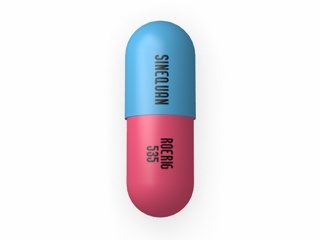
| Typical forms | Commonly oral capsules/tablets depending on availability |
| How it works | Affects brain chemical activity (serotonin/noradrenaline) and blocks certain receptors |
| Common uses | Depression, anxiety-related symptoms, and sleep disturbance (depending on your plan) |
What is Doxepin? (Class and Mechanism of Action)
Doxepin belongs to a group of medicines known as tricyclic antidepressants (TCAs). It works by influencing the way the brain uses certain chemical messengers (neurotransmitters), including:
- Serotonin and noradrenaline (important in mood and anxiety regulation)
- Histamine receptors (which can contribute to calming/sleepiness)
- Acetylcholine related pathways (may contribute to “anticholinergic” side effects such as dry mouth and constipation)
- Other receptors that affect blood vessels and the heart’s electrical activity
Why that matters: The balance of these effects can help improve mood and reduce anxiety symptoms, but it also explains why side effects like drowsiness, dry mouth, or dizziness may occur in some people.
Pharmacokinetics (How the Body Handles the Medicine)
Pharmacokinetics describes how the medicine is absorbed, distributed, metabolised, and eliminated.
- Absorption: Doxepin is absorbed after oral dosing.
- Distribution: It spreads through the body, including the central nervous system (brain/spinal pathways).
- Metabolism: Doxepin is mainly metabolised in the liver by enzyme systems (notably the cytochrome P450 pathway).
- Elimination: Metabolites are removed primarily via the kidneys and urine.
- Time to effect: Some benefits (e.g., calming/sleep) may be noticed earlier; full antidepressant benefits often take longer.
Practical takeaway: Because doxepin is processed in the body over time and relies on liver metabolism, liver disease and certain interacting medicines can significantly affect how it works and how safe it is for you.
Typical Uses of Sinequan
Sinequan (doxepin) is used for conditions where mood, anxiety, and sleep are affected. Depending on the specific situation and dose, it may be used for:
- Depression (including persistent depressive symptoms)
- Anxiety and anxiety-related symptoms
- Sleep disturbance that occurs with mood or anxiety problems
- Other clinician-determined indications where a TCA is considered appropriate
Important: Your prescriber will consider your medical history, current medicines, and risk factors before deciding whether Sinequan is appropriate.
When to Take Sinequan (Timing and Routine)
Timing can influence how side effects (particularly sleepiness) affect your day.
- If it makes you drowsy: many people take it in the evening.
- If it affects daytime alertness: your clinician may adjust the dose timing or gradually change the plan.
- Consistency: take it at the same time each day to keep levels steadier.
How long until you feel benefit? Calming or sleep-related effects may appear within the first few doses, but improvement in depression/anxiety typically takes several weeks. Do not increase or stop suddenly without advice.
Dosing (General Guidance)
Dosing varies widely based on the condition being treated, your age, other medicines, and how sensitive you are to side effects. Always follow your clinician’s instructions.
Common dosing principles
- Start low, go slow: to reduce side effects such as dizziness, drowsiness, and dry mouth.
- Gradual dose changes: helps the body adapt and improves tolerability.
- Individual adjustment: your dose may be changed based on response and safety monitoring.
Special considerations
- Older adults: may require lower doses due to greater sensitivity to anticholinergic effects and falls risk.
- Liver impairment: may require dose adjustment because metabolism occurs in the liver.
- Cardiac history: clinicians may consider ECG or other monitoring because TCAs can affect heart rhythm.
Food Interactions and Eating While Taking Sinequan
Food may affect how comfortably you tolerate doxepin, but major interactions with specific foods are not typically the main concern for TCAs.
- With or without food: many people can take doxepin either way, but if it causes nausea, taking it after food may help.
- Grapefruit and certain juices: some medicines are affected by grapefruit due to liver enzyme changes. Doxepin can be sensitive to metabolism in general, so check with your pharmacist whether grapefruit is safe for you.
Practical tip: If you notice stomach upset, try taking it with a light meal. Keep the timing consistent.
Alcohol and Medicine Interactions
Alcohol
Combining doxepin with alcohol can increase side effects such as:
- Sleepiness and drowsiness
- Dizziness
- Slowed reaction time
- Impaired coordination
Recommendation: It’s generally best to avoid alcohol while starting Sinequan or until you know how you respond. If you drink, discuss safe amounts with your pharmacist or prescriber.
Other medicines that may interact
Because doxepin affects multiple receptor systems and is metabolised by liver enzymes, interactions can be important.
- Other sedating medicines (for example, some sleep medicines, sedatives, or strong antihistamines) may increase drowsiness.
- Medicines that affect the heart’s rhythm (some antiarrhythmics and other drugs that prolong QT interval) may increase cardiac risk.
- Some antidepressants and medicines that raise serotonin can increase risk of serotonin toxicity.
- Medicines that affect liver enzymes may change doxepin levels (either increasing side effects or reducing effect).
- Anticholinergic medicines (some medicines for allergies, bladder control, or motion sickness) can add to dry mouth, constipation, blurred vision, and urinary retention.
What to do: Keep an up-to-date list of all medicines (including over-the-counter products, vitamins, herbal supplements) and show it to your pharmacist before starting or stopping anything.
Safety Profile and Side Effects
Like all medicines, Sinequan can cause side effects. Many are mild and improve as your body adjusts, but some require urgent medical attention.
Common side effects
- Drowsiness or fatigue
- Dizziness, especially when standing up
- Dry mouth
- Constipation
- Blurred vision
- Increased appetite or weight changes in some people
- Sweating changes
- Urinary retention (more likely in people with prostate or bladder issues)
Less common but important risks
- Heart rhythm changes (TCAs can affect electrical conduction in some people)
- Blood pressure changes, including orthostatic hypotension (feeling faint when standing)
- Confusion, particularly in older adults
- Falls risk due to dizziness or sedation
- Severe allergic reactions (rare)
Seek urgent medical help if you experience
- Fainting, severe dizziness, or chest pain
- Fast, irregular heartbeat, or severe palpitations
- Seizure
- Signs of severe allergic reaction (swelling of face/lips, trouble breathing)
- Overdose symptoms (very drowsy, confusion, severe agitation, abnormal heartbeat). If overdose is suspected, contact emergency services immediately.
Suicidal thoughts and mood changes
In some people, especially younger individuals, antidepressant medicines may initially increase thoughts of self-harm or worsening mood. If you or someone you care for notices new or worsening suicidal thoughts, unusual behaviour, or agitation, seek urgent help promptly.
Practical Use Tips (How to Get the Best and Safest Experience)
- Give it time: the sleep or calming effect may start early, but full benefit for depression/anxiety often takes weeks.
- Rise slowly: if you feel light-headed, stand up gradually from sitting/lying.
- Manage dry mouth: sip water regularly, consider sugar-free lozenges, and maintain good oral hygiene.
- Prevent constipation: drink adequate fluids, add fibre, and ask your pharmacist about suitable stool softeners if needed.
- Be cautious with driving: avoid driving or operating machinery until you know how you’re affected.
- Follow tapering instructions: do not stop suddenly. If discontinuation is needed, tapering helps reduce withdrawal/discontinuation symptoms.
- Keep alcohol minimal or avoid: especially at the start or when dose changes occur.
Indications and Clinical Considerations
Sinequan is primarily indicated for mood and anxiety-related problems. The way it is used may vary depending on whether the goal is:
- Depression symptom relief (often requiring longer consistent use)
- Anxiety and tension reduction (may improve over weeks)
- Sleep improvement (often used at times that minimise next-day sedation)
Clinician assessment may include:
- Your diagnosis and symptom severity
- Past response to antidepressants
- Medical history (heart, liver, prostate/bladder issues)
- Current medicines and potential interactions
- Risk factors (falls, sedation, overdose risk)
Alternative Options
Depending on your condition, alternatives may include other antidepressants, anxiety treatments, or non-medicine supports. Examples (discuss with your healthcare team) include:
- Other antidepressant classes (commonly SSRIs or SNRIs) for depression and anxiety
- Other tricyclic antidepressants in some cases
- Sleep-focused options (depending on the cause of insomnia)
- Psychological therapies such as cognitive behavioural therapy (CBT) for insomnia or CBT for anxiety/depression
- Lifestyle and self-care supports (sleep routine, exercise, reducing caffeine, stress management)
Your best alternative depends on your diagnosis, side effect tolerance, interaction risks, and personal preferences.
Market and Legal/Regulatory Context for Australia
In Australia, prescription medicine requirements and availability are governed by national medicine regulation and pharmacy practice. Medicines like doxepin are typically supplied through appropriate Australian pharmacy channels according to the classification and clinician direction.
- Australia-wide guidance: Pharmacists and prescribers must ensure medicines are supplied safely and appropriately.
- Consumer safety: Health professionals advise on interactions, monitoring needs, and correct use.
- Quality and compliance: Legitimate supply chains support consistent quality and labelling standards.
Recent guidance (general): Australian healthcare guidance continues to emphasise safe mental health medicine use, careful screening for risks (including self-harm risk), and attention to medication interactions—especially with medicines that affect sedation, serotonin pathways, or heart rhythm. Always confirm current recommendations with a healthcare professional.
Delivery and Availability (Online Pharmacy)
Availability can vary by strength and pack size. When ordering online in Australia, you can typically expect:
- Secure checkout: personal details handled in line with pharmacy privacy practices
- Pharmacist review: to confirm suitability and identify interaction risks
- Delivery timeframes: vary by location and stock status
- Packaging: medicine delivered in secure, tamper-evident packaging with appropriate labelling
Practical tip: If you are starting treatment or need a dose change, allow time for processing and delivery so you do not run out.
FAQ
1) How quickly does Sinequan (doxepin) work?
Some people notice calming effects or improved sleep within days. For depression and anxiety, improvement usually develops over several weeks. Your clinician may adjust the dose gradually based on response and side effects.
2) Why do I feel drowsy?
Doxepin can affect histamine receptors and other pathways that promote sleepiness. If drowsiness is an issue, taking your dose in the evening (as advised by your clinician) or adjusting the dose may help.
3) Can I stop Sinequan suddenly?
Stopping suddenly is not recommended. TCAs can lead to discontinuation symptoms. If you need to stop, discuss a tapering plan with your healthcare professional.
4) Are there food interactions I should worry about?
There are no widely recognised “must avoid” foods for everyone, but taking it with food can reduce nausea in some people. Because doxepin levels can be affected by liver enzymes, check with a pharmacist about grapefruit or other specific products if you’re unsure.
5) Is it safe to drink alcohol while taking doxepin?
Alcohol can increase sedation and dizziness. It’s generally safest to avoid alcohol when starting or changing dose, and to discuss any planned drinking with your pharmacist.
6) What medicines should I avoid or be careful with?
Be cautious with medicines that increase sedation, affect heart rhythm, increase serotonin, or add anticholinergic effects (such as some allergy or bladder medications). Always share your complete medicine list with your pharmacist.
7) Does doxepin cause weight gain?
Some people experience weight changes, including weight gain. Diet, activity, and dose/treatment duration can influence this. If you notice weight gain, discuss it with your pharmacist or clinician.
8) What if I forget a dose?
If you miss a dose, take it when you remember if it’s close to the scheduled time. If it’s near the next dose, skip the missed dose and continue your schedule. Do not take double doses.
9) Who should be extra careful when using Sinequan?
Extra caution is often needed for people with:
- Heart rhythm problems
- History of fainting or dizziness/falls
- Liver impairment
- Glaucoma or urinary retention risk
- Older age (higher sensitivity to side effects)
Your prescriber may recommend monitoring or a different treatment choice.
10) Can Sinequan be used for insomnia?
Sometimes doxepin may be used when insomnia is linked to mood or anxiety problems. However, the best treatment depends on the cause of sleep disturbance, your health profile, and how sensitive you are to next-day sedation.
Summary
Sinequan (doxepin) is a tricyclic antidepressant used for conditions such as depression, anxiety-related symptoms, and sleep disturbance associated with these conditions. It works by influencing brain chemical activity and blocking certain receptors, which can provide calming and mood benefits—but also explains common side effects like drowsiness, dry mouth, and constipation.
To use Sinequan safely, take it at the recommended time, avoid or minimise alcohol, review all other medicines with a pharmacist for interactions, and seek prompt help for severe or unusual symptoms. With careful dosing and monitoring, many people find doxepin helps improve wellbeing and day-to-day functioning.