
Sertraline: Patient-Friendly Information (Australia)
Sertraline is a widely used medicine for several mental health conditions. It belongs to a group of antidepressants called Selective Serotonin Reuptake Inhibitors (SSRIs). This page explains how sertraline works, how it’s typically taken, key safety information, and what to expect—so you can use it more confidently.
Important: Always follow the directions provided by your healthcare professional and read the Consumer Medicine Information (CMI) for your specific product.
Basic product information
Generic name: Sertraline
Drug class: SSRI antidepressant
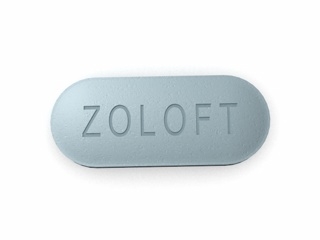
Common brands (examples): Sertraline may be supplied under different brand names depending on product availability.
Your pharmacist can confirm the exact brand and strength you receive.
Sertraline is usually available in tablet and sometimes other forms depending on the manufacturer. Strengths commonly include 25 mg, 50 mg, and 100 mg, but other strengths may exist.
Sertraline is used to help manage symptoms of depression, anxiety-related conditions, and related disorders. It is not a sedative, and it is not “instant acting.” Many people start to notice benefits after a couple of weeks, with fuller improvement often taking longer.
How sertraline works (mechanism of action)
Sertraline primarily increases the availability of serotonin in the brain.
- Serotonin is a chemical messenger involved in mood, anxiety, sleep, appetite, and other functions.
- SSRIs like sertraline block the reuptake (reabsorption) of serotonin into nerve cells.
- Over time, this can help rebalance brain signalling pathways involved in mood and anxiety.
The exact way it improves symptoms can vary between individuals, and changes in brain chemistry may continue to evolve over several weeks.
Pharmacokinetics (how the body handles sertraline)
Pharmacokinetics describes absorption, distribution, metabolism, and elimination. While individual factors affect exact levels, the overall pattern is consistent.
- Absorption: Sertraline is absorbed after oral dosing. It can be taken with or without food.
- Metabolism: Sertraline is metabolised primarily in the liver. A major metabolite is desmethlysertraline (and other metabolites).
- Elimination: The medicine and its metabolites are eliminated mainly via the kidneys and faeces.
- Half-life (practical meaning): Sertraline has a half-life that allows once-daily dosing for many people. If doses are missed, effects may persist somewhat due to the medicine’s duration in the body.
People with liver impairment or those taking multiple interacting medicines may require extra caution and dose adjustments. If you have liver disease, discuss this with your clinician before starting.
Typical uses and indications
Sertraline is indicated for a range of mental health and related conditions. Indications can vary slightly by product and local guidelines. Common uses include:
- Depression (including major depressive disorder)
- Obsessive-compulsive disorder (OCD)
- Panics and related anxiety (e.g., panic disorder, with or without agoraphobia)
- Post-traumatic stress disorder (PTSD)
- Social anxiety disorder (social phobia)
- Other anxiety-related conditions as assessed by your clinician
Sertraline may also be used in some circumstances for off-label or specific symptoms under clinician guidance. This page focuses on common, approved and widely recognised uses—always check your CMI and your treatment plan.
When to start seeing effects (timing)
How quickly sertraline works can differ between people. It’s common to experience:
- First 1–2 weeks: You may notice subtle changes (or initial side effects) before improvements are clear.
- 2–6 weeks: Anxiety and depression symptoms often begin improving.
- 6–12 weeks (sometimes longer): Full benefit—especially for OCD and complex anxiety—may take additional time.
If you feel worse at the start, or experience troubling side effects, contact your healthcare professional promptly. Do not stop suddenly unless advised.
Dosing: general guidance (individualised)
Your dose depends on the condition being treated, your response, side effects, age, and other medicines. Dosing strategies commonly involve starting low and increasing gradually.
| Condition (example) | Typical starting approach | Ongoing adjustments | Notes |
|---|---|---|---|
| Depression / anxiety | Often started at a lower dose to assess tolerability | Gradual dose increases every 1–2+ weeks as needed | Full benefit may take several weeks |
| OCD | Low start with careful titration | May require higher doses and longer trials | Improvement can be slower than for depression |
| Panic disorder | Lower dose may help reduce early activation | Increases based on symptom control | Initial jitteriness can occur in some people |
Do not change your dose without advice. If you miss a dose, follow your product’s guidance or ask your pharmacist. Many SSRIs are taken once daily; occasional missed doses usually do not require “double dosing,” but the best advice depends on your regimen.
Stopping sertraline safely
Stopping SSRIs can lead to discontinuation symptoms in some people. These may include dizziness, “electric shock” sensations, nausea, irritability, sleep disturbance, and flu-like feelings. To reduce risk, clinicians often recommend a gradual taper. If you plan to stop, discuss a taper schedule with your healthcare professional.
Food interactions
Sertraline can generally be taken with or without food. Taking it with food may reduce nausea for some people.
- Grapefruit/fruit juices: These are not typically a major issue for sertraline in the way they are for some other medicines, but it’s still a good idea to mention any supplements or unusual dietary changes to your pharmacist.
- Alcohol with food: Alcohol may increase side effects and impair judgement regardless of food. If you choose to drink, keep it minimal and discuss with your clinician.
Keep your routine consistent. If you notice that food timing affects how you feel (for example, nausea or stomach upset), consider taking it at a similar time each day.
Alcohol and medicine interactions
Alcohol
Sertraline and alcohol can both affect mood, sleep, and reaction time. Using them together may increase:
- Drowsiness or reduced alertness
- Dizziness
- Worsening depression or anxiety in the longer term
- Impaired decision-making and safety risks (e.g., driving)
Many people are advised to avoid or limit alcohol, especially when starting sertraline or adjusting dose. If you have concerns about alcohol use, ask your healthcare professional for personalised guidance.
Common medicine interactions (examples)
Sertraline can interact with other medicines, including those that affect serotonin or liver enzymes. Some combinations can increase the risk of side effects. Always provide a list of your medicines and supplements to your pharmacist or clinician.
- Other serotonergic medicines (e.g., certain antidepressants, some migraine medicines like triptans, medicines for nausea like ondansetron, some pain medicines, and some herbal products such as St John’s wort): may increase the risk of serotonin syndrome.
- Blood thinners (e.g., warfarin and some other anticoagulants): may increase bleeding risk. Monitoring may be needed.
- Non-steroidal anti-inflammatory drugs (NSAIDs) (e.g., ibuprofen, naproxen): may increase gastrointestinal bleeding risk when combined with SSRIs.
- Antiplatelet medicines (e.g., aspirin at antiplatelet doses, clopidogrel): may increase bleeding risk.
- Some migraine/psychiatric medicines and certain antibiotics/antifungals: may alter sertraline levels through liver enzyme effects.
- Other medicines that affect heart rhythm: may warrant extra caution depending on your health and medications.
If you start a new medicine—prescription or over-the-counter—check with a pharmacist about possible interactions.
Safety profile: what to watch for
Sertraline is generally well tolerated for many people, but like all medicines it has risks and side effects. Your body may need time to adjust.
Common side effects
- Nausea or stomach upset
- Diarrhoea or changes in bowel habits
- Headache
- Sleep changes (insomnia or sleepiness)
- Dry mouth
- Increased sweating
- Tremor or feeling “jittery,” especially early in treatment
- Sexual side effects (reduced libido, delayed orgasm, erectile/sexual function changes)
Less common but serious risks
- Serotonin syndrome (medical emergency): symptoms may include agitation, confusion, fever, sweating, fast heart rate, diarrhoea, muscle stiffness, and tremor.
- Suicidal thoughts or worsening mood: especially in younger people early in treatment. Seek urgent help if you experience alarming changes in thoughts or behaviour.
- Mania/hypomania: watch for unusually elevated mood, increased energy, decreased need for sleep, or risky behaviour, especially if there’s a history of bipolar disorder.
- Abnormal bleeding: unusual bruising, nosebleeds, blood in stools, or vomiting blood—seek urgent medical advice.
- Hyponatraemia (low sodium): symptoms may include headache, confusion, weakness, and unsteadiness.
- Seizures: risk may be increased in people with a seizure disorder.
If you develop severe symptoms, seek urgent care. In Australia, you can call 000 in an emergency. For urgent medical advice outside emergencies, consider contacting Healthdirect (1800 022 222).
Practical use tips (to make treatment easier)
How to take sertraline
- Take it at the same time each day.
- If it makes you sleepy, consider taking it in the evening (and if it causes insomnia, ask whether morning dosing is better). Only change timing after discussing with your pharmacist or clinician if needed.
- Use a pill organiser and set reminders to reduce missed doses.
- If nausea is bothersome, try taking it with a meal or at a time when you’re not fasting.
Managing early side effects
- Mild nausea or stomach upset often improves after the first days to weeks.
- Jitteriness or increased anxiety early on can occur, particularly around dose changes. Let your clinician know if symptoms are intense or worsening.
- If you experience troublesome insomnia or daytime sleepiness, discuss timing and supportive strategies.
Missed dose guidance
Missed doses happen. In general:
- If you remember soon after the scheduled time, take it as directed.
- If it’s close to the next dose, skip the missed dose and continue with your usual schedule.
- Do not take extra doses unless instructed by your healthcare professional.
For the most accurate advice, follow the directions in your product’s CMI or ask your pharmacist.
Alternative options (if sertraline isn’t suitable)
If sertraline is not effective or causes unacceptable side effects, clinicians may consider other treatment options. The best choice depends on your diagnosis, history, and tolerability.
Medication alternatives
- Other SSRIs: citalopram, escitalopram, fluoxetine, paroxetine (varies by condition and side effect profile).
- SNRIs: venlafaxine, duloxetine (often considered for anxiety/depression depending on individual needs).
- Other antidepressants: for specific cases, such as mirtazapine or tricyclic antidepressants (less commonly as first-line in many situations).
Non-medicine options
- Psychological therapies: cognitive behavioural therapy (CBT), exposure-based therapy, trauma-focused therapies.
- Lifestyle supports: regular sleep, physical activity, and stress management strategies.
Many people benefit from combining medication with therapy and self-management strategies.
Australia: market, legal and healthcare context
Sertraline is commonly supplied in Australia as an established medicine for mental health conditions. Availability and brand presentation can change over time depending on suppliers and prescribing practices.
- Regulatory status: Sertraline is regulated as a prescription medicine under Australian law, and supply is typically coordinated through appropriate channels.
- Consumer Medicine Information: Each product comes with a CMI that includes detailed instructions, warnings, and side-effect lists.
- Monitoring and support: Clinicians may review response and tolerability regularly, especially early in treatment and after dose changes.
You can also find general mental health information and guidance through Australian health resources. For urgent mental health concerns, consider contacting local support services or calling Lifeline (13 11 14).
Recent guidance and evolving clinical practice
Treatment practices for depression and anxiety can evolve based on new evidence and safety monitoring. Common themes in modern clinical guidance include:
- Gradual dose titration and careful monitoring early in treatment.
- Assessment of comorbidities (such as bipolar disorder, substance use, and medical conditions that may affect sodium levels or bleeding risk).
- Education about side effects and discontinuation symptoms to improve adherence and safe stopping.
- Ongoing review of whether the medicine is helping, and adjustments to optimise benefits and minimise harms.
If you have concerns about your treatment plan, speak with your healthcare professional, who can align management with current local guidance.
Delivery and availability (online pharmacy experience)
Availability varies by stock and product strength. When ordering online, common practical expectations include:
- Processing time: Orders are typically processed within business hours, subject to availability and verification requirements.
- Delivery timeframes: Shipping time depends on location within Australia and courier schedules.
- Packaging: Medicines are usually delivered in secure packaging to protect integrity during transit.
- Product checks: Many pharmacies provide medication information and ensure correct selection of strength and form.
If you need the medicine sooner, contact customer support before placing an order to ask about dispatch options.
Storage: Store tablets according to the directions on the packaging (typically at room temperature, away from moisture and heat), and keep out of reach of children.
FAQ: Common questions about sertraline
1) How long does sertraline take to work?
Many people notice early changes within 1–2 weeks, but meaningful improvement often takes 2–6 weeks. Conditions like OCD may take longer—sometimes up to 12 weeks or more.
2) What side effects are most common when starting?
Common early effects include nausea, headache, sleep changes, mild jitteriness, and sweating. These often reduce as your body adjusts.
3) Can I take sertraline with food?
Yes. Sertraline can generally be taken with or without food. If you get nausea, taking it with a meal may help.
4) Can I drink alcohol while taking sertraline?
It’s generally recommended to avoid or limit alcohol. Alcohol can worsen mood and increase side effects like dizziness and sleep disruption. If you’re unsure, ask your pharmacist or clinician for personalised guidance.
5) What should I do if I miss a dose?
Follow the product instructions or ask your pharmacist. Often, you should take it if you remember soon, and skip it if it’s nearly time for the next dose—without doubling up.
6) How do I stop sertraline safely?
Do not stop suddenly unless instructed. Discontinuation symptoms can occur. Clinicians typically reduce the dose gradually and monitor your wellbeing.
7) Can sertraline cause weight or appetite changes?
Some people experience changes in appetite or weight. These vary; if changes are significant or persistent, discuss them with your healthcare professional.
8) Is it safe to drive or operate machinery?
Sertraline can affect alertness in some individuals, especially early or after dose changes. If you feel drowsy, dizzy, or “off,” avoid driving and seek advice.
9) What medicines and supplements should I mention to my pharmacist?
Tell your pharmacist about all medicines, vitamins, herbal products (including St John’s wort), and supplements—especially blood thinners, NSAIDs, and other serotonergic medicines.
10) When should I seek urgent help?
Seek urgent medical care if you suspect serotonin syndrome, experience severe agitation/confusion, have signs of significant bleeding, develop symptoms of mania (unusual elevated mood/energy), or have thoughts of harming yourself.
Key takeaways
- Sertraline is an SSRI used for conditions such as depression and several anxiety disorders.
- It works by increasing serotonin signalling and usually takes weeks for full benefit.
- It can generally be taken with or without food; early side effects may occur and often improve.
- Avoid or limit alcohol and carefully check medicine/supplement interactions.
- Do not stop suddenly—tapering with clinician support reduces discontinuation symptoms.