Bupropion (Bupropion Hydrochloride) — Patient-Friendly Guide (Australia)
Bupropion hydrochloride is a medicine used to treat specific mental health conditions and—depending on the product and clinician’s advice—to support smoking cessation. This guide explains how bupropion works, how it behaves in the body, how it is usually taken, and key safety information. It is written for people in Australia and uses patient-friendly language.
1) Basic product information
- Medicine name: Bupropion (as bupropion hydrochloride)
- Common uses: Depression (major depressive disorder) and smoking cessation support (varies by formulation/product availability)
- Available forms: There are different formulations (for example, immediate-release and modified/extended-release forms). The right form matters for dosing and side effects.
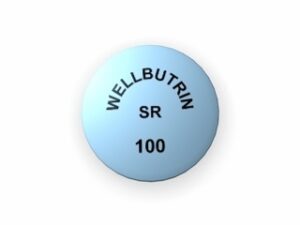
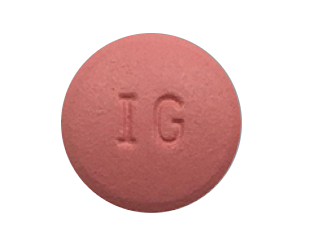
- Brand names: Brand names vary by supplier and formulation. Check your product label for the exact name and strength.
Always follow the instructions on your specific product label. If you are unsure whether you have the correct formulation (immediate-release vs modified-release), consult your pharmacist.
2) How bupropion works (mechanism of action)
Bupropion is an antidepressant and smoking cessation aid. Its effects relate to brain chemicals called neurotransmitters, especially:
- Norepinephrine
- Dopamine
- Nicotine-related pathways (for smoking cessation support)
Bupropion’s precise mechanism is complex, but broadly it acts by affecting the reuptake and/or availability of these neurotransmitters. Unlike some other antidepressants, bupropion is often less associated with certain side effects (such as sexual dysfunction and sedation) in some people. However, individual responses and side effects vary.
3) Pharmacokinetics (how the body handles bupropion)
Pharmacokinetics describes absorption, distribution, metabolism, and elimination. Key points include:
- Absorption: Bupropion is absorbed after oral dosing.
- Metabolism: It is mainly processed in the liver, producing active metabolites.
- Half-life: The timing of effects and dosing intervals depend on the formulation and individual factors.
- Elimination: The drug and its metabolites are cleared mainly through the kidneys.
Because bupropion is metabolised in the liver and interacts with other medicines, dose adjustments or extra monitoring may be needed in some situations, such as liver impairment or when you take medicines that affect liver enzymes.
4) What bupropion is typically used for
Depression (major depressive disorder)
Bupropion is used to help relieve symptoms of depression. Treatment usually takes time, and improvements are gradual rather than immediate.
Smoking cessation support
Some formulations of bupropion are used as part of a plan to help people stop smoking. It may reduce cravings and withdrawal-related distress.
Availability and exact indications can vary by formulation and local product registration in Australia. Your pharmacist or clinician can confirm what your specific product is approved for.
5) When to take bupropion (timing and routine)
Timing depends on the formulation and your dosing plan. In general:
- Take at the same time each day to maintain steady levels.
- Morning dosing is often preferred, because bupropion can be activating for some people (leading to insomnia if taken late).
- Use the correct schedule for your formulation (especially important for modified-release tablets/capsules).
If you miss a dose, follow the instructions on your product label or ask your pharmacist what to do. In many cases, it’s recommended not to double up to make up for a missed dose.
6) Food interactions
Food can affect tolerability and, to a lesser extent, the absorption of some medicines. For bupropion, most people can take it with or without food, but:
- If you experience nausea or stomach upset, taking it with food may help.
- Avoid changing your routine abruptly if your body is sensitive to medicine timing.
Always refer to your specific product’s consumer medicine information (CMI) for exact instructions.
7) Alcohol interactions and important precautions
It is generally recommended to limit or avoid alcohol while taking bupropion. Alcohol can increase the risk of side effects, including dizziness, drowsiness, and impairment of judgement. It may also affect seizure risk indirectly, particularly with heavy use or withdrawal from alcohol.
- Avoid binge drinking.
- Be cautious with drinking if you are prone to sleep disruption or dizziness.
- Do not abruptly stop heavy alcohol intake without medical advice, as alcohol withdrawal itself can be dangerous.
If you plan to drink alcohol occasionally, discuss it with your pharmacist or clinician to personalise advice.
8) Medicine interactions (including common interaction risks)
Bupropion can interact with other medicines because of how it is metabolised in the liver. It may also interact with medicines that affect seizure threshold or cause neuropsychiatric side effects. Always tell your pharmacist about all medicines you take, including:
- Prescription medicines
- Over-the-counter medicines
- Herbal products (e.g., St John’s wort)
- Supplements
Key interaction categories to discuss
- Medicines that lower seizure threshold (the risk of seizures may increase). Examples may include some antidepressants, antipsychotics, and certain stimulants or withdrawal-related risks.
- Other medicines that affect liver enzymes (may increase or decrease bupropion levels).
- Medicines that can increase blood pressure or affect heart rhythm.
- Other antidepressants or psychoactive medicines (to avoid excessive stimulation or overlapping side effects).
Practical approach
Your pharmacist can check interactions using your specific product, dose, and formulation. Bring a list of your medicines or a photo of your medication labels when you speak with them.
9) Indications: who bupropion may be for
Bupropion may be considered for adults who have:
- Depression (major depressive disorder), particularly where an activating antidepressant approach is suitable.
- Nicotine dependence as part of a structured quit plan for smoking cessation (depending on available product/formulation).
Suitability depends on your medical history, current medicines, and risk factors. People with certain medical conditions may need special caution or alternative options.
10) Dosing: typical adult regimens (general information)
Dosing varies by the formulation (immediate-release vs modified/extended-release) and by the indication. The information below is a general guide—always confirm the correct dose and schedule for your exact product.
Depression (general guidance)
- Dosing often starts low and is gradually increased to improve tolerability.
- The dosing schedule differs between immediate-release and modified-release products.
- Do not crush or split modified/extended-release tablets/capsules unless your product instructions specifically allow it.
Smoking cessation support (general guidance)
- Dosing may start before the quit date or around the time you plan to stop, depending on the product plan.
- A structured quit plan (behavioural strategies, support, and follow-up) generally improves success.
Important: Never change your dose without advice. Overdosing or incorrect formulation use can increase the risk of serious side effects.
11) Safety profile: common side effects and when to get help
Like all medicines, bupropion can cause side effects. Many are mild and improve over time. However, some effects need urgent medical attention.
Common side effects
- Dry mouth
- Headache
- Nausea or stomach discomfort
- Insomnia or sleep disturbance
- Increased anxiety or feeling “wired”
- Constipation
- Tremor (sometimes)
- Appetite changes
Less common but important risks
- Seizures: Risk can increase in susceptible people or with higher-than-recommended doses.
- Blood pressure changes: Some people experience higher blood pressure.
- Allergic reactions: Seek help if you develop rash, swelling, or difficulty breathing.
Seek urgent medical help if you experience
- Fainting, seizures, or sudden severe neurological symptoms
- Severe agitation, confusion, or hallucinations
- Chest pain, severe shortness of breath, or an irregular heartbeat
- Signs of a severe allergic reaction (e.g., swelling of face/lips, trouble breathing)
12) Practical use tips (how to get the best outcomes)
Start low, go slow
Gradual dose adjustment often helps reduce early side effects. If you feel uncomfortable, speak with a pharmacist or clinician rather than stopping suddenly.
Protect your sleep
- Take your dose earlier in the day if it affects sleep.
- Keep caffeine consistent; too much caffeine can worsen insomnia or anxiety.
Track symptoms and side effects
Consider keeping a short daily note on mood, sleep, and side effects. This can help your healthcare professional adjust the plan if needed.
Don’t mix with risky factors
- Limit alcohol.
- Avoid recreational drugs or misuse of prescription medicines.
- Be cautious with other stimulants (including some weight-loss products).
If quitting smoking
Combine bupropion with practical strategies such as:
- Identifying triggers (stress, routines, social situations)
- Preparing alternatives (chewing gum, water, short walks)
- Setting milestones and using support services
13) Missed dose and missed dose safety
If you forget a dose, do not take extra doses to compensate unless instructed by your product label or healthcare professional. Taking too much can increase side effects.
- Modified/extended-release: timing matters—avoid taking an extra dose close to the next scheduled dose.
- When in doubt: contact your pharmacist for advice specific to your schedule and formulation.
14) Alternative options (if bupropion isn’t suitable)
The best alternative depends on whether you’re treating depression, supporting smoking cessation, or both. Below are common categories of alternatives:
For depression
- Other antidepressants (e.g., SSRIs, SNRIs, or other classes). Choice depends on side effect profile and your health history.
- Psychotherapy and combined treatment (often beneficial alongside medication).
- Lifestyle supports such as sleep routine, exercise, and social support.
For smoking cessation
- Nicotine replacement therapy (patches, gum, lozenges)
- Other prescription options where appropriate
- Counselling and quit-line support
Your pharmacist can explain which alternatives are available in Australia and help you understand the trade-offs.
15) Market/legal context for Australia (overview)
In Australia, medicines are regulated through the Australian regulatory framework, and products must meet standards for quality, safety, and effectiveness. Availability can vary based on the form of bupropion and local product registration.
Pharmacy supply typically involves:
- Assessing suitability and history (including interactions and contraindications)
- Explaining correct administration for the specific formulation
- Providing education on side effects and what to do if symptoms occur
If you are buying online, use reputable Australian pharmacy services and ensure the product matches the exact name and strength shown on your order confirmation.
16) Recent guidance and monitoring considerations
Guidance and monitoring practices can evolve over time. While specific “recent guidance” can differ by clinical setting, common updates and best-practice themes include:
- Individualised risk assessment (seizure risk, blood pressure, substance use, and medication interactions)
- Clear education on early side effects and realistic expectations about when improvement occurs
- Medication review after starting or changing dose, especially if side effects occur
- Ongoing follow-up for depression—particularly during early weeks of treatment
Your pharmacist can also help ensure you’re using the right formulation and schedule, which is especially important with modified-release products.
17) Delivery and availability in Australia
Many online pharmacies in Australia offer home delivery for eligible medicines. Availability depends on stock levels, formulation strength, and your location. When ordering, check:
- Product strength and formulation (immediate vs modified-release)
- Quantity (number of tablets/capsules)
- Delivery timeframe and any cutoff times
- Packaging and labelling to confirm you received the correct product
If you require urgent treatment continuity, ask about delivery options and processing times before placing your order.
18) Quick comparison: modified/extended-release vs immediate-release
| Feature | Immediate-release (general) | Modified/extended-release (general) |
|---|---|---|
| Typical dosing frequency | Often more than once daily | Often once daily (varies by brand) |
| Importance of timing | Medium–high | High (dose timing affects levels) |
| How to take | Swallow whole unless labelled otherwise | Usually swallow whole; do not crush/split |
| Side effect pattern | May peak sooner | Often smoother day-to-day effects |
Always check the consumer medicine information for your exact product.
19) FAQ about bupropion (Australia)
1. How long does it take to work?
For depression, people often notice improvements within a few weeks, but it can take longer for full benefit. Early side effects may occur before mood improves. For smoking cessation, support is typically planned around a quit date with changes in cravings over days to weeks.
2. Can I stop bupropion suddenly?
Do not stop suddenly without advice. If you want to stop or change treatment, speak with your pharmacist or clinician to plan a safe approach. Stopping abruptly may lead to problems such as symptom return or discomfort in some people.
3. Does bupropion cause weight gain?
Bupropion is sometimes associated with less weight gain than some other antidepressants, and in some people may be neutral or cause slight appetite changes. Weight response varies widely.
4. Will bupropion make me feel “wired”?
Some people experience activation, restlessness, or insomnia—especially early in treatment or if taken late in the day. Taking it in the morning and discussing side effects promptly can help.
5. Can I drink coffee or energy drinks?
Moderate caffeine is usually tolerated, but if you experience insomnia, anxiety, tremor, or palpitations, reducing caffeine may help. Energy drinks can be more problematic due to high caffeine and stimulants.
6. What should I do if I miss a dose?
Check your product label or ask your pharmacist. In many cases, you should not double the next dose. The safest approach depends on your formulation and schedule.
7. Is bupropion safe with other antidepressants?
It may be used with other treatments in selected cases, but medication combinations must be reviewed for interaction risks and side effect overlap. Tell your pharmacist about every medicine you take.
8. Who should be extra cautious?
Extra caution is important for people with a history of seizures, significant head injury, certain eating disorders, substantial alcohol use, liver impairment, or who take medicines that can lower seizure threshold or interact with metabolism.
9. Can bupropion affect blood pressure?
Some people experience increases in blood pressure. If you have hypertension or risk factors, your clinician may monitor your blood pressure. Report symptoms like severe headaches, chest discomfort, or palpitations.
10. Where can I find more information?
Refer to the product consumer medicine information (CMI) included with your medicine. Your pharmacist can also provide personalised advice based on your health history and current medicines.
Summary
Bupropion hydrochloride is a medicine used for depression and (depending on formulation) smoking cessation support. It influences neurotransmitters involved in mood and craving, with a dosing schedule that depends on the product formulation. It may cause side effects such as insomnia or dry mouth, and important risks include seizure risk in susceptible situations and potential blood pressure changes. By taking the medicine as directed, limiting alcohol, and seeking advice about interactions, many people use bupropion safely and effectively.