
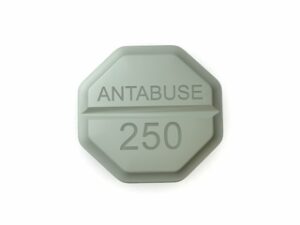
Campral (Acamprosate) — Patient Information (Australia)
Campral is a medicine used to support people who have stopped drinking alcohol. It is commonly prescribed as part of a broader treatment plan that may also include counselling and ongoing support. This page explains how acamprosate works, how it’s taken, key safety considerations, and practical tips for day-to-day use.
Always follow your healthcare professional’s advice and read the consumer medicine information provided with your product.
Quick Facts
- Active ingredient: Acamprosate (often called acamprosate calcium)
- Common brand: Campral
- What it’s used for: Helping maintain abstinence after stopping alcohol
- Typical timing: Usually taken multiple times per day (commonly three times daily)
- Food: Can be taken with or without food; food may slightly affect timing of absorption
- Where it works: Helps restore balance in brain pathways involved in alcohol dependence
Basic Product Information
| Category | Details |
|---|---|
| Medicine | Campral (Acamprosate) |
| Drug class | Alcohol dependence treatment; glutamate-modulating agent |
| Purpose | Support maintaining abstinence (after alcohol has been stopped) |
| Formulations | Commonly available as tablets (strengths vary by product listing) |
| How it is supplied | Availability depends on stock and local pharmacy supply |
How Campral Works (Mechanism of Action)
Alcohol dependence involves changes in brain signalling systems. When alcohol use continues over time, the brain adapts to the presence of alcohol—leading to altered neurotransmitter balance and persistent cravings or relapse risk.
Acamprosate is thought to help restore balance in the brain by modulating glutamate-related signalling.
- Glutamate modulation: Alcohol withdrawal can be associated with increased glutamatergic activity (excitatory signalling). Acamprosate helps normalise this overactivity.
- Support for abstinence: By aiming to stabilise brain signalling during the period after stopping alcohol, it may reduce the likelihood of relapse for some people.
- Not an alcohol detox medicine: Campral is intended for maintaining abstinence rather than treating acute withdrawal symptoms.
Pharmacokinetics (Absorption, Distribution, Metabolism, Elimination)
Understanding how the body handles acamprosate can help explain dosing frequency and why kidney health matters.
Absorption
- Oral absorption: Acamprosate is absorbed after you take it by mouth.
- Food effects: Taking it with food may slightly affect the speed and extent of absorption, but it generally does not remove the medicine’s effectiveness.
Distribution
- Body distribution: Acamprosate distributes into body tissues; it is not highly protein-bound (minimising many drug–drug issues related to protein binding).
Metabolism
- Metabolism: Acamprosate is not extensively metabolised by the liver.
Elimination
- Main route: Primarily excreted unchanged by the kidneys.
- Clinical implication: Kidney function is important when determining whether Campral is suitable and what dose is appropriate.
What Campral Is Typically Used For in Australia
Campral is used to help maintain abstinence from alcohol in people who have stopped drinking.
- Indication in plain language: After alcohol is discontinued, it may help reduce relapse risk.
- Best results when combined with support: Many people benefit from counselling, behavioural strategies, and ongoing monitoring alongside medication.
When to Start and Timing of Doses
Campral is generally most effective when started after you have stopped drinking alcohol and are already aiming for ongoing abstinence.
- Start point: Typically initiated once alcohol has been stopped (your prescriber will advise the exact timing).
- Daily schedule: Commonly taken
with spacing across the day. - Consistency matters: Try to take doses at similar times each day to maintain steady medicine levels.
If you miss a dose: Take it when you remember unless it’s close to your next scheduled dose. Do not double up.
Food and Drinks: Interactions with Meals
Campral can generally be taken with or without food. However, individual product instructions may vary.
- With meals: Many people find taking Campral after meals helps with remembering doses.
- Swallowing: Follow tablet instructions carefully (e.g., swallowing whole if that’s how the product is designed).
- Hydration: Drink water as usual; adequate fluid intake supports overall health.
If you have stomach upset, taking doses with food (where appropriate) may help. Check with your pharmacist if you’re unsure.
Alcohol and Medicine Interactions
Alcohol (while taking Campral)
Campral is intended to support abstinence. If you drink alcohol while taking Campral, it may undermine the goals of treatment and may increase relapse risk.
- Continue striving for abstinence: The safest approach is to avoid alcohol during treatment.
- Plan support: If you have urges or slip-ups, seek help early—support services and counselling can make a major difference.
Drug interactions
Acamprosate has fewer major interactions than some other alcohol-dependence medicines because it is not extensively metabolised by the liver. Still, interactions can occur with other medicines depending on your health and kidney function.
Important interaction factors include:
- Kidney function: Because acamprosate is cleared by the kidneys, medicines that affect kidney function may require extra caution.
- Nephrotoxic risk: If you take medicines that can burden the kidneys, your pharmacist or prescriber may adjust monitoring.
- Individual medicine list: Always check your full medication list (including OTC medicines, vitamins, and herbal products).
How to reduce interaction risk:
- Keep an up-to-date list of medicines and supplements.
- Ask your pharmacist before starting any new medicine.
- Inform healthcare providers of your Campral use at all appointments.
Indications (Who Campral Is For)
Campral is used for alcohol dependence with the goal of maintaining abstinence after alcohol cessation.
- Suitable scenario: You have stopped drinking and want help maintaining that abstinence.
- Not intended for: Acute alcohol withdrawal. If you are withdrawing from alcohol, a different approach and close medical monitoring may be needed.
Dose and Administration (Typical Guidance)
Dosing can vary depending on your condition and kidney function. Always use the dose written on your medicine label or advised by your healthcare professional.
Typical adult dosing pattern
- Common frequency: Three times daily.
- Weight-based adjustments: In some regions and product regimens, the total daily dose may be adjusted for body weight.
- Kidney-based adjustments: Dosing may change if kidney function is reduced.
Kidney function considerations
Because acamprosate is cleared mainly by the kidneys, your prescriber may evaluate kidney function before and during treatment.
- Mild to moderate impairment: A modified dose may be used.
- Severe impairment: Use may be limited or avoided depending on local clinical guidance and the product’s safety information.
Duration of treatment
- Ongoing plan: Many people continue treatment for a period of months while building relapse-prevention strategies.
- Review: Your progress should be reviewed regularly with your healthcare team.
Do not stop or restart Campral without medical advice, especially if you are using it as part of a relapse-prevention plan.
Safety Profile (What to Watch For)
Like all medicines, Campral can cause side effects. Many are mild and improve over time, while others require medical attention.
Common side effects
- Diarrhoea (sometimes dose-related)
- Nausea
- Flatulence or abdominal discomfort
- Headache
- Fatigue
- Dizziness (uncommon but possible)
Less common but important warnings
- Allergic reactions: Seek urgent help if you develop facial swelling, breathing difficulty, rash with blisters, or severe skin reactions.
- Severe or persistent diarrhoea: If diarrhoea is severe, persistent, or leads to dehydration, contact your healthcare professional.
- Mood changes: If you notice worsening depression or suicidal thoughts, seek urgent support immediately. Alcohol dependence can strongly affect mental health, and prompt help is vital.
Who needs extra caution?
- Kidney impairment: Dose adjustments and careful monitoring may be needed.
- Other medical conditions: If you have chronic illness, electrolyte problems, or significant gastrointestinal disease, talk to your pharmacist.
- Older adults: Kidney function may decline with age; dosing may require review.
Practical Use Tips (Making Treatment Easier)
- Create a routine: Link doses to daily activities (e.g., breakfast, lunch, evening).
- Use reminders: Phone alarms or medication reminder apps can help reduce missed doses.
- Manage diarrhoea risk: If you experience loose stools, discuss with your pharmacist. Taking doses with food (if suitable) and staying hydrated can help. Do not stop medication without advice.
- Hydrate regularly: Especially if you have gastrointestinal symptoms.
- Keep support in place: Medication works best when combined with counselling and coping strategies.
- Prepare for urges: Set up a plan for high-risk times (weekends, payday, stressful events) and contact your support network early.
Storage: Store your medicine according to the label instructions (typically at room temperature, away from direct heat and moisture). Keep out of reach of children.
Alternative Options for Alcohol Dependence (Australia)
Several evidence-based treatments may be considered depending on your history, goals (abstinence vs reduction), and health factors. Your healthcare professional can help choose the best option for you.
Common medication alternatives (overview)
- Naltrexone: Helps reduce heavy drinking/craving in some people (often used when the goal may be reduced drinking rather than complete abstinence).
- Disulfiram: Causes unpleasant effects if alcohol is consumed; used to support abstinence through aversion in selected patients.
- Other supportive medicines: Depending on your symptoms (e.g., anxiety or sleep issues), clinicians may treat related conditions—carefully and appropriately.
Non-medicinal supports
- Counselling and psychological therapies (e.g., CBT, motivational interviewing)
- Behavioural strategies (triggers, coping plans, relapse-prevention planning)
- Support groups and peer support
- Addressing co-existing conditions such as depression or anxiety
Your best option depends on your medical history, kidney function, drinking pattern, and personal preferences.
Market and Legal Context for Australia
In Australia, medicines for alcohol dependence are regulated through the Therapeutic Goods Administration (TGA) and listed in the Australian Register of Therapeutic Goods. The exact availability and how you obtain Campral can vary by supply arrangements between manufacturers, wholesalers, and pharmacies.
Important points:
- Campral is regulated as a prescription medicine in Australia under the relevant scheduling framework.
- Pharmacists provide counselling and ensure safe supply based on your individual circumstances.
- Local availability can depend on manufacturer supply and pharmacy stock levels.
Consumer medicine information: You can ask your pharmacist for the most current printed information, or search for product-specific information through official resources where available.
Recent Guidance and Clinical Considerations
Clinical practice in Australia emphasises a whole-of-person approach to alcohol dependence, combining medication (when appropriate) with psychosocial support. Guidance commonly highlights the importance of:
- Early assessment of withdrawal risk, mental health comorbidities, and kidney/liver function
- Individualised treatment goals (usually abstinence maintenance for Campral)
- Follow-up and review to support adherence and manage side effects
- Safety planning for relapse risk and mental health concerns
Because recommendations can evolve, always rely on your healthcare team’s current advice and check the latest product information supplied with your medication.
Delivery and Availability (Online Pharmacy)
Availability of Campral may vary depending on supplier stock. Online pharmacies commonly offer:
- Stock checks: Confirmation that the item is available before dispatch.
- Delivery timeframes: Vary by location and courier service.
- Packaging: Medicine is dispatched with appropriate labelling and protection from damage.
Delivery considerations:
- Ensure delivery details are accurate.
- Some medicines may require signature on delivery.
- If you have urgent timing needs (e.g., you’re about to start or resume treatment), contact customer support before placing an order.
Contact your pharmacy if you need help finding the exact strength/formulation or if you’re concerned about delays.
FAQ — Campral (Acamprosate)
1) What is Campral used for?
Campral (acamprosate) is used to help maintain abstinence from alcohol in people who have stopped drinking. It supports relapse prevention as part of a broader treatment plan.
2) How long does it take to work?
Campral is designed to support the period after stopping alcohol. Some people notice benefits over time as part of relapse-prevention efforts, but responses vary. Consistent dosing and ongoing support are important.
3) Can I take Campral if I’m still drinking?
Campral is intended for people who have stopped drinking. If you are currently drinking or having difficulty stopping, speak with your healthcare professional to discuss safe options and an appropriate plan.
4) Do I need to take it with food?
Campral can generally be taken with or without food. Many people choose with meals to help with routine. If you experience stomach side effects, ask your pharmacist whether taking with food would be suitable for you.
5) What happens if I miss a dose?
Take it when you remember unless it’s close to your next dose. Do not take double doses. If you miss multiple doses, contact your pharmacist for advice tailored to your schedule.
6) Are there any alcohol interactions?
Campral is intended to support abstinence; drinking alcohol during treatment may make it harder to stay alcohol-free. There are not usually major direct pharmacological interactions, but alcohol use undermines the purpose of therapy and increases relapse risk.
7) What side effects are common?
Diarrhoea and nausea are among the more commonly reported side effects. If symptoms are severe or persist, seek advice.
8) Is it safe for people with kidney problems?
Because acamprosate is cleared by the kidneys, kidney function affects suitability and dosing. Your healthcare professional may adjust the dose or decide against use in severe impairment.
9) Can Campral be taken with other medicines?
Many medicines can be taken alongside Campral, but it depends on your health and kidney function. Tell your pharmacist about all medicines and supplements you use.
10) How should I stop Campral?
Your healthcare professional should guide stopping. Do not discontinue abruptly without advice, particularly if you are in an active relapse-prevention phase.
Important Reminder
Campral is one part of alcohol dependence treatment. Medication can help support abstinence, but recovery is often strengthened by counselling, practical coping strategies, and ongoing follow-up. If you’re worried about cravings, relapse risk, or side effects, contact your healthcare team promptly.
Emergency help: If you believe you are in immediate danger or experiencing severe symptoms (such as signs of an allergic reaction, severe dehydration from diarrhoea, or thoughts of self-harm), seek emergency assistance right away.