
Disulfiram (Antabuse®) – Patient Information (Australia)
Disulfiram is a medicine used to help some people maintain abstinence from alcohol by causing unpleasant reactions if alcohol is consumed. It is sometimes used as part of a broader treatment plan that includes counselling and support.
This page explains how disulfiram works, how it is taken, important alcohol and food interactions, safety considerations, and practical tips. It is written for people in Australia and includes general information about how the medicine is managed in the Australian market.
Quick overview
- What it’s used for: Supporting alcohol abstinence in selected people with alcohol dependence.
- How it works: Disulfiram blocks an enzyme involved in alcohol breakdown, leading to an unpleasant reaction if alcohol is taken.
- Key interaction: Avoid alcohol completely (including in some foods/medicines/aftershaves).
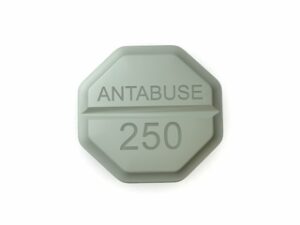
- Common form: Tablets (brand names may vary; “Antabuse®” is a well-known brand).
- How long it lasts: Effects can persist for days because disulfiram and its metabolites remain in the body.
Basic product information
Disulfiram is a long-acting medicine. The brand name Antabuse® is commonly referenced internationally, though availability and brand presentation can vary. In Australia, disulfiram-containing products are supplied through appropriate healthcare channels.
- Medicine name: Disulfiram
- Uses (general): Alcohol dependence treatment support (abstinence support)
- Medicinal class: Alcohol aversion/“deterrent” medicine
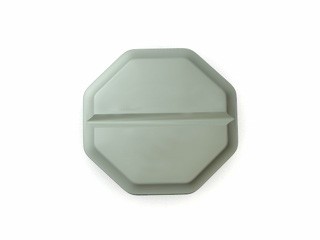
- Typical dosage form: Oral tablets
If you are unsure which strength or brand you have, check the packaging and the pharmacist’s label.
How disulfiram works (mechanism of action)
Normally, the body breaks down alcohol (ethanol) in stages. One key step involves an enzyme called aldehyde dehydrogenase (ALDH). Disulfiram inhibits this enzyme.
When ALDH is blocked, alcohol breakdown becomes incomplete, and acetaldehyde builds up. This chemical accumulation is responsible for the characteristic unpleasant reaction that can include flushing, nausea, vomiting, headache, and more.
In simple terms: disulfiram “turns alcohol into a problem” by preventing normal alcohol metabolism and triggering symptoms if alcohol is consumed.
Pharmacokinetics (how the body handles the medicine)
Pharmacokinetics describes absorption, distribution, metabolism, and elimination. Individual responses can vary based on age, liver function, other medicines, and overall health.
- Absorption: Disulfiram is absorbed after oral dosing, though onset and effect timing can vary.
- Distribution: It is distributed throughout the body, including in tissues where it can be stored in certain forms.
- Metabolism: It is metabolised in the body. The process involves conversion to active compounds.
- Elimination / persistence: Disulfiram effects can last beyond the dose day. This is why strict alcohol avoidance is recommended for an extended period after stopping.
Because disulfiram can persist and be metabolised slowly, clinicians typically advise allowing time after the last dose before any alcohol exposure. The exact time varies and should be confirmed with your healthcare professional or pharmacist.
Typical use and indications
The most common indication for disulfiram is to support alcohol abstinence in selected individuals with alcohol dependence.
Disulfiram is generally considered when:
- a person is motivated to stop drinking,
- there is a structured plan for ongoing support, and
- the person can follow strict alcohol avoidance.
Disulfiram is not intended for use to “treat intoxication” or to manage acute withdrawal symptoms. It works by creating deterrence when alcohol is consumed.
How to take disulfiram: dosing and timing
| Topic | General guidance (patient-friendly) |
|---|---|
| Start date | Often started after alcohol has been fully cleared from the body. Your prescriber/pharmacist may recommend a safe interval after the last drink. |
| Typical dosing approach | Daily dosing is common. Exact strength and schedule depend on your situation and the product prescribed. |
| Administration | Taken by mouth with water. You may be advised to take it at a consistent time each day. |
| Missed dose | Contact your pharmacist for advice. Do not double up. |
| Stopping treatment | Even after stopping, alcohol avoidance may still be necessary for a period due to lingering effects. |
Important: Specific dosing instructions should follow the label and professional advice provided to you. If you tell us your product strength (for example, 250 mg or 500 mg tablets), your pharmacist can help confirm a schedule that matches the intended use.
When does disulfiram start working?
Disulfiram can begin to exert effects relatively soon after starting, but the timing can vary. Because the deterrent effect depends on enough enzyme inhibition and metabolic activation, clinicians often advise strict alcohol avoidance from the start of treatment and for a period after the last dose.
- From day one: Avoid alcohol immediately once you begin treatment.
- After stopping: Ask your pharmacist how long you should keep avoiding alcohol after your final tablet.
Food interactions and dietary considerations
Disulfiram’s main “interaction” is alcohol, not food in general. However, some foods and food ingredients can contain alcohol or alcohol-derived substances.
Be cautious with:
- Cooking wines, liqueurs, and alcohol-based sauces
- Some sauces and marinades that list alcohol ingredients
- Fermented products that may contain residual alcohol (usually small amounts, but avoid if you are unsure)
- Alcohol-containing flavourings or extracts (check ingredient lists)
If you have questions about a specific food product, check the ingredient label. When in doubt, avoid it and ask a pharmacist.
Alcohol and medicine interactions (very important)
The core safety issue with disulfiram is that any alcohol exposure can trigger a severe reaction. This includes drinking alcohol and using alcohol-containing products.
Alcohol-containing products to avoid
- Alcoholic beverages: beer, wine, spirits, cider, RTDs
- Medicines and syrups that contain ethanol or alcohol (check labels)
- Tinctures (alcohol-based herbal preparations)
- Vapour rubs and some topical products if they contain alcohol (use caution and check ingredients)
- Aftershaves and perfumes (typically not absorbed in large amounts, but avoid deliberate use over large areas; ask your pharmacist)
- Hand sanitisers and wipes: allow to fully dry and avoid prolonged exposure; consult your pharmacist for personalised advice
What can happen if alcohol is taken while on disulfiram?
Symptoms vary by individual and by the amount of alcohol. Possible reactions include:
- flushing (warmth/redness),
- throbbing headache,
- nausea and vomiting,
- rapid heart rate or palpitations,
- low blood pressure and dizziness,
- shortness of breath,
- chest discomfort.
In severe cases, reactions can be dangerous. Seek urgent help if you experience severe symptoms, fainting, chest pain, severe breathlessness, or persistent vomiting.
Other medicine interactions
Disulfiram may interact with other medicines. Important examples include:
- Medicines that affect liver function or increase liver stress
- Some sedatives or CNS-active medicines where combined effects may complicate safety
- Medicines that can affect bleeding risk (if applicable based on your personal medication list)
- Medicines containing alcohol (again, product formulation matters)
Provide your complete medication list to your pharmacist before starting. This includes prescriptions, over-the-counter medicines, herbal products, and any “natural” tinctures.
Safety profile and precautions
General safety
Disulfiram is effective for deterrence but must be used carefully. The main risks relate to:
- Reactions to alcohol (including hidden alcohol)
- Liver toxicity (disulfiram can affect the liver in some people)
- Neurological effects in certain circumstances
Who should be extra cautious?
Discuss disulfiram carefully with your clinician if you have any of the following:
- Known liver disease or abnormal liver function tests
- History of severe reactions to disulfiram or alcohol deterrent therapy
- Diabetes (because some symptoms and health effects may overlap with other conditions)
- Neurological problems such as peripheral neuropathy
- Pregnancy or breastfeeding (risk-benefit must be assessed)
Common side effects
Some people experience:
- fatigue or sleep disturbance,
- headache,
- impairment of appetite,
- metallic or unusual taste,
- skin reactions (less common).
Stop and seek medical advice promptly if you develop signs of a serious reaction, such as:
- yellowing of skin/eyes (jaundice),
- dark urine,
- severe upper abdominal pain,
- persistent vomiting,
- weakness, numbness, or tingling that worsens.
In an emergency, call 000 (Australia) or contact local emergency services.
Practical use tips (to stay safe and get the best results)
- Make a “no alcohol” checklist: include beverages, sauces, cough medicines, and herbal tinctures.
- Read labels every time: formulations change. Check “ethanol”, “alcohol”, or “spirit” ingredients.
- Tell all healthcare providers: dentists, surgeons, and paramedics should know you use disulfiram so they can avoid alcohol-containing preparations.
- Be mindful at home: avoid cooking with wine/spirits. If a recipe uses alcohol, substitute alcohol-free options.
- Carry medication information: consider keeping a note or card listing “Disulfiram—avoid alcohol”.
- Don’t assume “a little” is safe: even small amounts can trigger symptoms.
- Use support strategies: counselling, support groups, and coping plans improve success rates.
Alternative options for alcohol dependence support
Treatment options for alcohol dependence can include counselling, psychosocial support, and medications that help reduce relapse or cravings (depending on suitability). Your healthcare professional can discuss what fits your medical history and goals.
Alternatives may include medicines such as:
- Naltrexone (helps reduce heavy drinking for some people)
- Acamprosate (supports maintenance of abstinence in some people)
- Other supervised approaches tailored to withdrawal history and overall health
Availability and appropriateness vary. A pharmacist or GP can help you compare benefits, risks, and practical considerations—especially alcohol-related safety.
Australia market and legal context (general information)
In Australia, disulfiram is part of the landscape of medicines used in the management of alcohol dependence. Availability, brand presentation, and dispensing conditions depend on local regulatory requirements and pharmacy supply practices.
- Regulatory oversight: Medicines in Australia are regulated through the national system that includes scheduling and prescribing/dispensing requirements.
- Pharmacy supply: Disulfiram may be supplied through licensed pharmacies based on appropriate clinical evaluation and identification of suitability.
- Safety monitoring: Because of liver-related risk and alcohol deterrence concerns, follow-up and monitoring may be part of care.
If you’re buying disulfiram online, ensure the product listing is from a legitimate, compliant Australian pharmacy service. Look for clear information about manufacturer, strength, dosage form, and expiry date.
Recent guidance and considerations
While individual clinical advice can differ, recent general themes in alcohol dependence care include:
- Person-centred planning: matching the medicine and approach to readiness, support needs, and medical history.
- Safety checks: careful assessment of liver health, current medicines, and likelihood of accidental alcohol exposure.
- Ongoing support: combining medication with counselling and relapse prevention strategies.
- Clear education: reinforcing “hidden alcohol” sources and when to seek urgent care.
Your pharmacist can also help interpret product ingredients to avoid hidden alcohol.
Delivery, availability, and what to expect
Online pharmacies in Australia commonly offer home delivery. Availability can vary depending on stock, brand, and tablet strength.
- Stock status: Some brands may be stocked regularly; others may have intermittent availability.
- Dispatch times: Orders may be dispatched within business days depending on location and courier schedules.
- Packaging: Products should arrive in original packaging with clear labelling and expiry date.
- Storage: Store tablets as directed on the label (commonly at room temperature, protected from moisture and heat).
If the item is temporarily unavailable, some pharmacies can provide alternatives (such as equivalent strengths/brands) subject to clinical appropriateness and stock.
Frequently Asked Questions (FAQ)
1) Can I drink alcohol-free beer or low-alcohol drinks while on disulfiram?
Avoid them unless your pharmacist confirms that the product contains no alcohol relevant to disulfiram reactions. “Alcohol-free” products may still contain trace ethanol depending on the brand and process. To be safe, many people choose strict abstinence from any alcohol-containing or potentially contaminated products.
2) What about mouthwash or cooking with alcohol?
Mouthwash may contain alcohol. Prefer alcohol-free alternatives. For cooking, avoid wine, liqueurs, or spirit-based recipes. Use alcohol-free substitutes.
3) If I accidentally ate something with alcohol, what should I do?
If you experience symptoms such as flushing, vomiting, dizziness, or chest discomfort, seek medical advice urgently. Do not attempt to “wait it out” if symptoms are severe or persist. Bring the product label with ingredient details if possible.
4) How long do I need to avoid alcohol after stopping disulfiram?
Effects can persist beyond the last dose. The safest period depends on your dose, duration of use, metabolism, and overall health. Ask your pharmacist for personalised guidance.
5) Can I take disulfiram if I have liver problems?
Disulfiram may not be suitable for everyone with liver disease. It requires careful assessment and sometimes monitoring of liver function. Discuss your medical history and recent blood test results with your clinician.
6) Are there any special precautions for dental or surgical procedures?
Yes. Tell your dentist or surgeon that you are taking disulfiram so they can avoid alcohol-containing medicines when possible. If local anaesthetic, sedatives, or post-procedure medicines contain ethanol, it may matter.
7) Will disulfiram work without counselling or support?
Disulfiram is often most effective as part of a comprehensive plan that includes counselling, support, relapse prevention strategies, and family/community involvement when appropriate.
8) What should I do if I miss a dose?
Follow the advice on your label or contact your pharmacist. Do not double the dose to catch up. Because alcohol exposure risk remains important, it’s especially important not to guess about timing if you missed a dose.
9) Can I use herbal medicines or tinctures?
Some herbal products are alcohol-based tinctures. Check the ingredients for “ethanol” or alcohol. Ask your pharmacist which products are safe.
10) Is it safe to drive after taking disulfiram?
Some people may feel drowsy, unwell, or affected by side effects. If you experience dizziness or significant fatigue, avoid driving and seek medical advice.
Need help choosing the right approach?
If you’re considering disulfiram or already using it, speak with a pharmacist or GP to review:
- your current medicine list (including OTC and herbal tinctures),
- any history of liver or neurological issues,
- your plan for avoiding hidden alcohol sources,
- support resources to reduce relapse risk.
For urgent symptoms—especially after any suspected alcohol exposure—contact local emergency services or seek immediate medical care.