
Stromectol (Ivermectin) — Patient Information (Australia)
Stromectol is a brand of ivermectin, a medicine used to treat certain parasitic infections. This page is designed to help you understand how it works, how it is typically taken, and what to watch for.
Please note: information here is general. Individual treatment depends on the specific condition, the parasite involved, your age, body weight, other medicines, and your health history.
Basic Product Information
- Medicine: Ivermectin
- Brand: Stromectol
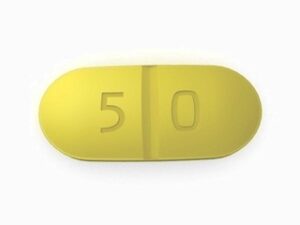
- Common form: Tablets (strengths vary by product availability)
- Uses: Treatment of selected parasitic infections (see “Indications” below)
- How it’s taken: Swallowed tablets, usually as a single dose or short course depending on the condition
- Availability: Typically available through pharmacy channels depending on brand, strength, and local supply
How Stromectol Works (Mechanism of Action)
Ivermectin works by affecting the nervous system and muscle function of certain parasites. It binds to specific sites in parasite nerve and muscle cells, increasing the effect of neurotransmitters that control movement.
- Increased inhibitory signalling in parasites leads to paralysis.
- Parasites are unable to feed or maintain position, allowing the body to clear the infection.
- It is not a general “antibiotic” and does not treat bacterial infections.
Importantly, ivermectin primarily targets organisms that have the relevant neurotransmitter pathways. This is why it’s used for specific parasitic conditions rather than for all types of infestations.
Pharmacokinetics (How the Body Handles Ivermectin)
“Pharmacokinetics” describes how the body absorbs, distributes, metabolises, and eliminates a medicine.
- Absorption: Ivermectin is absorbed after oral dosing. Absorption can be increased when taken with food, especially meals containing fat.
- Distribution: It spreads throughout the body and reaches areas where parasites may be present.
- Metabolism: Most ivermectin is metabolised in the liver.
- Elimination: The medicine and its metabolites are eliminated mainly via bile and faeces, with a smaller amount via urine.
- Half-life: Ivermectin has a relatively long terminal half-life, contributing to sustained effects after a dose.
Because metabolism is liver-based, people with significant liver impairment may need extra caution and closer monitoring.
Typical Uses (Indications)
Stromectol (ivermectin) is used for certain parasitic infections. The exact indication depends on local prescribing practices and the parasite involved.
Commonly referenced uses include:
- Strongyloidiasis (caused by Strongyloides stercoralis)
- Onchocerciasis (river blindness, caused by Onchocerca volvulus) — typically relevant to specific travel or endemic areas
- Scabies in selected cases (often as part of a broader plan)
- Other helminthic (worm) infections where ivermectin is an accepted option
Ivermectin does not treat all parasites equally. For example, dosing and suitability vary between roundworms, threadworms, and ectoparasites like mites. If you are unsure which infection you have, ask a clinician or pharmacist for guidance and confirmation of diagnosis.
How and When to Take Stromectol
The timing and dosing schedule depend on the infection being treated. In many settings, ivermectin is taken as a single dose, while some conditions use a repeated dose at a set interval.
General timing tips
- Take at the same time each day if multiple doses are required.
- Use the dosing schedule provided for your specific condition.
- If you miss a dose, seek advice from a pharmacist about what to do next. Do not double up unless told to.
Food timing and absorption
Ivermectin absorption can improve with food. Taking it with a meal may help ensure more consistent absorption.
- Consider taking with food, particularly if you’ve been advised to do so.
- Avoid taking on an empty stomach unless your clinician or pharmacist has specifically recommended it.
Food Interactions and Absorption Considerations
There are no widely known “dangerous” food interactions with ivermectin for most people, but food can influence how much medicine enters your bloodstream.
- High-fat meals may increase absorption compared with taking on an empty stomach.
- Consistency matters: if you are taking multiple doses, try to take each dose in a similar way (with or without food) as instructed.
- Hydration: Drink water as usual. There’s no special hydration requirement, but staying well hydrated supports general health.
If you have swallowing difficulties or take other medicines with strict timing needs, ask a pharmacist how best to schedule your doses.
Alcohol Interactions
Moderate alcohol consumption may not directly “interact” with ivermectin in the way some medicines do, but caution is still sensible.
- Avoid excessive alcohol because both alcohol and ivermectin can contribute to dizziness or fatigue in some people.
- If you feel light-headed, unwell, or sleepy after a dose, avoid alcohol and driving or operating machinery.
If you have liver disease or drink alcohol heavily, speak with a pharmacist or clinician before taking ivermectin, since ivermectin is processed in the liver.
Interactions With Other Medicines
Ivermectin can interact with medicines that affect liver enzymes and transporters involved in drug metabolism and transport.
Important interaction categories to discuss include:
- Medicines that strongly affect liver enzymes (enzyme inducers or inhibitors)
- Other medicines that can cause sedation or dizziness
- Medicines for seizures (as some seizure medicines can alter metabolism)
- Warfarin or other anticoagulants (in some cases, monitoring may be needed with interacting drugs)
- Drugs affecting the nervous system (to monitor overlapping side effects)
This is not a complete list. Tell your pharmacist about all medicines you take, including:
- Prescription medicines
- Over-the-counter medicines
- Herbal supplements (e.g., St John’s wort)
- Vitamins or mineral products
Dosing (What People Typically Use)
Ivermectin dosing is based on the condition being treated and often on body weight and sometimes age and specific patient factors.
Important: Always follow the dosing instructions provided for your diagnosis and body weight. Dosing should be individualised.
Common dosing patterns (general reference)
- Single-dose regimens are common for some parasite infections.
- Some conditions require a second dose after a set interval to treat newly developing parasites.
Why weight-based dosing matters
Because ivermectin is dosed to achieve an effective drug level in the body, dosing that is too low may be less effective, while too high increases the risk of side effects. Weight-based calculations are therefore important.
Administration guidance
- Swallow tablets with water.
- If you are prescribed multiple tablets to reach your dose, take them as directed.
- Keep to the schedule; do not stop early unless advised.
Safety Profile and Side Effects
Most people tolerate ivermectin well. However, like all medicines, it can cause side effects. Some effects may also be related to the infection itself, especially when parasites are dying.
Common side effects
- Headache
- Dizziness
- Nausea or stomach discomfort
- Diarrhoea
- Fatigue
- Skin rash or itching (may be linked to parasite die-off)
Less common but important side effects
- Marked sleepiness or unusual weakness
- Confusion or severe dizziness
- Severe allergic-type reactions (swelling of face/lips, difficulty breathing)
- Neurological symptoms that feel severe or rapidly worsening
When to seek urgent medical help
Seek urgent medical care if you experience:
- Difficulty breathing or swallowing
- Swelling of the face, lips, tongue, or throat
- Fainting or severe persistent vomiting
- Severe or worsening confusion, severe drowsiness, or seizures
- Severe rash with blistering or peeling
Special safety considerations
- Liver impairment: Because ivermectin is metabolised in the liver, caution may be needed.
- Pregnancy and breastfeeding: Risk-benefit varies by situation; discuss with a clinician for personalised advice.
- Children: Age and weight affect suitability and dosing.
- Coexisting infections or heavy parasite burdens: Sometimes symptoms can flare when parasites are killed—medical advice may be needed to manage complications.
Practical Use Tips (Getting the Best Results)
- Confirm the diagnosis when possible. Treating the wrong parasite can delay proper recovery.
- Follow the dosing schedule exactly. If a second dose is needed, take it at the correct time.
- Treat contacts when appropriate: Some parasitic infections can spread between close contacts. Follow public health or clinician guidance on treating household members.
- Manage symptoms: Itching or rash may persist briefly even after treatment. Over-the-counter measures may help (ask a pharmacist what is suitable).
- Hygiene measures matter: Washing bedding, clothing, and towels as advised can reduce reinfection risk for certain conditions.
- Keep track of timing: Note the date/time you took the dose to help ensure correct repeat dosing if required.
- Adherence to other meds: Continue other prescribed treatments unless advised otherwise.
Alternative Options
Depending on the infection type and severity, alternatives may be considered. Options differ widely across parasites, so alternatives must be matched to the diagnosis.
Examples of alternatives that may be discussed include:
- For some worm infections: other anti-helminthic medicines may be used based on the parasite and regional guidelines.
- For scabies: topical scabicides or other oral regimens may be recommended in certain cases.
- For certain endemic conditions: treatment plans may include combination regimens or repeat dosing strategies.
A pharmacist or clinician can help you compare options based on your specific condition, age, weight, and medical history.
Market and Legal Context for Australia
Medicines in Australia are regulated under the Therapeutic Goods Administration (TGA) framework. Availability, prescribing rules, and supply pathways depend on product classification, indications, and TGA approval status.
When buying or using Stromectol in Australia, it’s important to:
- Use supply channels approved for distribution in Australia
- Check that the product strength and form match your treatment plan
- Ensure the medicine is stored appropriately (as advised on the packaging)
- Follow Australian health guidance for treatment and infection control where relevant
If you are travelling or have recently returned from areas where parasitic infections are more common, speak with a healthcare professional to confirm the best option for what you may have been exposed to.
Recent Guidance and Updates (How to Stay Informed)
Guidance for parasitic infections can evolve based on:
- New evidence on effectiveness and safety
- Changing resistance patterns in specific regions
- Updated public health or clinical practice recommendations
- Better understanding of complications (for example, treatment-related inflammatory reactions)
For the most current advice in Australia, it’s helpful to:
- Ask your pharmacist or clinician for the latest recommendations for your specific condition
- Use official Australian health sources when available
- Ensure follow-up testing or review if symptoms persist or worsen
Delivery and Availability (Online Pharmacy)
Online pharmacies in Australia typically deliver medicines to eligible locations with standard shipping options. Availability can vary depending on stock levels and the particular strength/form.
- Dispatch times: Vary by supplier and stock availability.
- Delivery: Usually within standard courier timeframes after dispatch.
- Packaging: Medicines are generally packed to protect tablets and maintain safe handling.
Before ordering, review:
- The product strength and format
- How many tablets are included in the pack
- Storage instructions
- Delivery areas and estimated shipping times
Storage
Store ivermectin tablets according to the instructions on the pack. In general:
- Keep out of direct heat and sunlight
- Store below the recommended temperature (check pack label)
- Keep the container tightly closed
- Keep out of reach of children
Drug and Condition Monitoring
Depending on the infection and your health profile, your clinician may recommend follow-up.
- Symptom monitoring: Track symptom improvement and any new/worsening effects.
- Testing where appropriate: For some infections, stool or other tests may be used to confirm clearance.
- Follow-up for heavy infections: If symptoms worsen after treatment, prompt review may be necessary.
Summary Table: Key Points at a Glance
| Topic | What to know |
|---|---|
| Medicine | Stromectol (Ivermectin) |
| Use | Certain parasitic infections (worm/ectoparasite conditions depending on diagnosis) |
| How it works | Targets parasite nerve/muscle signalling, leading to paralysis and clearance |
| How to take | Swallowed tablets; timing depends on the infection (often single dose or repeat dose) |
| Food interaction | Absorption can improve with food; follow instructions (often with a meal) |
| Alcohol | Generally avoid excess alcohol; it may worsen dizziness or tiredness and caution is advised |
| Common side effects | Headache, dizziness, nausea, diarrhoea, fatigue; rash/itching may occur |
| Seek urgent help | Breathing difficulty, facial swelling, severe confusion, severe rash, or seizures |
FAQ
1) What is Stromectol used for?
Stromectol contains ivermectin and is used for specific parasitic infections. The exact use depends on which parasite you have and your clinical assessment.
2) How quickly does it work?
Many people start to notice improvement within days. However, symptoms like itching or skin irritation may take longer to settle, particularly if the infection causes inflammation.
3) Should I take it with food?
In many cases, taking ivermectin with food may improve absorption. Follow the instructions you received. If you’re unsure, ask a pharmacist for advice based on your specific product and dosing plan.
4) Can I drink alcohol while taking ivermectin?
It’s generally best to avoid excessive alcohol. If you feel dizzy or drowsy, do not drink alcohol and avoid driving or operating machinery.
5) What if I miss a dose?
If your schedule involves more than one dose, contact a pharmacist for guidance. The correct action depends on how long ago the missed dose was and your recommended plan.
6) Are side effects normal?
Mild side effects such as headache, nausea, dizziness, or fatigue can occur. If side effects are severe, rapidly worsening, or include signs of allergy (such as swelling or breathing difficulty), seek urgent medical help.
7) Will ivermectin treat everyone’s infection?
It depends on the parasite. Confirming the diagnosis helps ensure ivermectin is an appropriate choice and that dosing matches the infection type.
8) Is it safe for children?
Suitability depends on age and weight. Dosing must be weight-based and appropriate for the child. Speak with a pharmacist or clinician for child-specific guidance.
9) Can ivermectin be used during pregnancy or breastfeeding?
Safety can depend on timing, dose, and the specific condition. Discuss risks and benefits with a clinician for personalised advice.
10) How can I prevent reinfection?
Prevention depends on the parasite. In many cases, hygiene measures and treating close contacts when recommended are key steps. Your pharmacist can advise on what to do for your condition.
11) What should I tell my pharmacist before taking it?
Tell them about:
- All medicines and supplements you take
- Any liver disease
- Any history of allergic reactions
- Your age and body weight (for dosing accuracy)
- Your symptoms and suspected infection
If you have persistent symptoms, severe symptoms, or concerns about side effects, seek medical advice promptly.