

Flecainide (Flecainide Acetate) — Patient Information for Australia
Flecainide is a medicine used to help control certain types of abnormal heart rhythms. It works by slowing electrical signals in the heart so that abnormal rhythm patterns are less likely to start or continue. If you’ve been prescribed flecainide, this guide will explain what it does, how it’s taken, what to expect, and what safety considerations matter most in everyday life.
This information is designed to be patient-friendly and practical. It does not replace advice from your healthcare professional.
Quick Overview
| Category | Details |
|---|---|
| Medicine name | Flecainide (commonly flecainide acetate) |
| How it works | Antiarrhythmic (class Ic) — blocks sodium channels in heart muscle |
| Common forms | Tablets (strengths vary by product) |
| Typical uses | Some supraventricular and ventricular arrhythmias in appropriate patients |
| Monitoring | Often includes ECG checks and periodic clinical reviews |
| Key safety issues | Proarrhythmia risk in certain heart conditions; interactions; may affect conduction |
Basic Product Information
Flecainide belongs to the antiarrhythmic medicines class Ic. It is used when your heart rhythm problem is likely to improve with rhythm control—meaning the goal is to reduce episodes or maintain a normal rhythm, depending on your diagnosis.
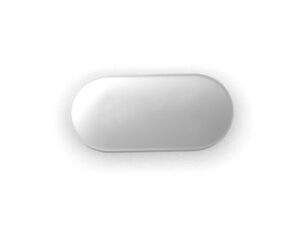
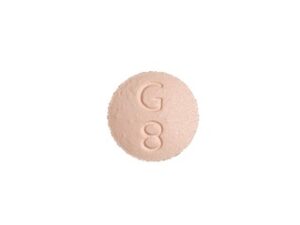
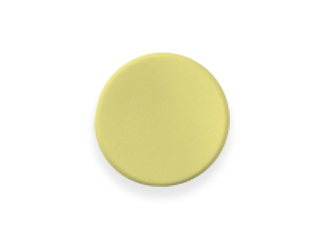
In Australia, flecainide products may be marketed under brand names that vary by availability and manufacturer. The active ingredient is the same, but strength and appearance can differ.
What to know about formulations
- Tablets are the most common form.
- Some people take divided daily doses to maintain steady levels.
- Always follow the strength and schedule on your specific pack or your clinician’s instructions.
How Flecainide Works (Mechanism of Action)
Flecainide helps treat abnormal heart rhythms by:
- Blocking fast sodium channels in heart cells, which slows conduction through the cardiac tissue.
- Increasing the time it takes for the electrical signal to travel through the heart.
- Reducing abnormal re-entry circuits that can sustain certain arrhythmias.
In simple terms, flecainide makes it harder for the heart’s electrical system to “misfire” in a way that sustains or triggers an abnormal rhythm.
Pharmacokinetics (How the Body Handles Flecainide)
Understanding pharmacokinetics can help explain why dosing and monitoring are important.
- Absorption: Flecainide is absorbed after oral dosing; peak levels typically occur within a few hours (exact timing may vary by product and patient).
- Distribution: It distributes into body tissues including the heart.
- Protein binding: Flecainide is partly bound to plasma proteins.
- Metabolism: It is metabolised mainly by the liver.
- Elimination: The kidneys help clear flecainide and its metabolites.
- Half-life: The drug’s effective duration depends on clearance; in some people, especially those with reduced kidney or liver function, levels may build up.
Because flecainide depends on liver and kidney function, clinicians may adjust dosing and schedule closer monitoring if you have impaired organ function.
Typical Use and Indications
Flecainide is used for specific rhythm disorders. The right choice depends heavily on your heart’s structure and your ECG findings.
Common indications (examples)
- Supraventricular arrhythmias such as some types of atrial flutter or atrial tachycardia in selected patients.
- Paroxysmal (episodic) atrial fibrillation in appropriate individuals, often as part of rhythm control strategy.
- Certain ventricular arrhythmias in carefully selected patients when the benefits outweigh risks.
Whether flecainide is suitable for you depends on factors such as:
- Whether you have structural heart disease
- Your ejection fraction and underlying heart function
- Your ECG intervals (including QRS duration)
- Electrolyte balance (potassium, magnesium)
- Other medications that may interact
Timing: How to Take Flecainide
Flecainide tablets are usually taken at regular intervals to help keep heart drug levels stable. Your dose timing should be consistent day to day.
General timing advice
- Take at the same times each day to maintain steady levels.
- Do not double up if you miss a dose unless your clinician advises otherwise.
- If you’re unsure what to do after a missed dose, consult your pharmacist.
How fast it may work
Some people notice fewer or shorter episodes, while others require a period of adjustment and monitoring. ECG checks may help confirm that the dose is achieving the intended effect without excessive conduction slowing.
Food Interactions (With Meals)
Food can influence the absorption of many medicines. For flecainide, food effects may be limited, but it’s still wise to take it consistently the same way each day.
- If your label says to take with or without food, follow that instruction.
- If no instruction is provided, taking it with the same pattern (e.g., always with meals or always between meals) may reduce variability.
If you experience stomach upset, ask your pharmacist about strategies that fit your specific schedule.
Alcohol and Medicine Interactions
Alcohol may indirectly affect heart rhythm by influencing hydration, sleep, and the body’s electrical stability. While flecainide is not always described as having a direct “disulfiram-like” reaction with alcohol, alcohol can still worsen heart conditions in some people.
Practical guidance
- Moderation is recommended, especially early in treatment or after a dose change.
- Avoid binge drinking, as it can trigger palpitations and arrhythmia episodes (“holiday heart”).
- If you notice more symptoms after drinking, discuss with your clinician.
Other important interactions involving alcohol
Alcohol may add to the effects of sedating medicines or medicines that affect blood pressure. If you take other medicines, check with your pharmacist about combined effects such as dizziness or faintness.
Medicine Interactions (Very Important)
Flecainide has clinically significant interactions, largely because it can:
- Be increased or decreased in blood levels by other medicines
- Further slow heart conduction when combined with other drugs that affect heart rhythm
Common interaction categories
- Other antiarrhythmic medicines (risk of additive effects on conduction)
- Medicines that affect heart rate and conduction (e.g., some beta-blockers or calcium-channel blockers—your clinician will choose carefully)
- Drugs that inhibit liver enzymes involved in flecainide metabolism (may increase flecainide levels)
- Medicines that affect potassium or magnesium (electrolyte disturbances can increase arrhythmia risk)
Examples to discuss with your pharmacist
Interaction details depend on your medication list. It’s especially important to review any of the following:
- Antifungals and antibiotics (some can alter flecainide metabolism)
- Antidepressants and antipsychotics (some can affect ECG intervals)
- Anti-seizure medicines (may affect metabolism)
- Diuretics that may lower potassium or magnesium
Always provide your pharmacist with a complete list of prescription medicines, over-the-counter products, and herbal supplements (including high-dose omega-3 or St John’s Wort if you use them).
Dosing: What Patients Need to Know
Flecainide dosing is individual. The appropriate dose depends on:
- Your diagnosis (type of arrhythmia)
- Your age and body size
- Liver and kidney function
- Your ECG response (especially QRS width and PR interval)
- Whether you are on interacting medicines
General dosing approach (patient-friendly)
- Start low and adjust carefully when appropriate.
- Clinicians may order ECG monitoring after starting or changing dose.
- Doses may be split into two or more daily administrations to keep levels stable.
Missed dose guidance
If you miss a dose, do not take extra tablets to “catch up.” The correct action depends on how long it has been since your dose was due. Contact your pharmacist for advice.
Stopping flecainide
Do not stop flecainide suddenly unless your clinician tells you to. Arrhythmias may return or worsen if treatment is interrupted.
Safety Profile: Who Needs Extra Caution
Flecainide is effective for selected patients, but it carries important safety considerations.
Key safety risks
- Proarrhythmia: In some situations, flecainide can potentially worsen or trigger new arrhythmias.
- Conduction slowing: It can widen the QRS complex and affect PR intervals, which is why ECG monitoring may be essential.
- Higher blood levels in liver/kidney impairment can increase the risk of side effects.
- Drug interactions can raise flecainide levels or intensify effects on the heart.
Common side effects
People may experience varying side effects. Examples include:
- Dizziness or light-headedness
- Blurred vision or visual disturbances
- Nausea
- Tremor
- Fatigue
Serious symptoms—get urgent help
Seek urgent medical attention if you experience:
- Fainting or near-fainting
- Severe dizziness with palpitations
- New or worsening chest pain
- Shortness of breath at rest or severe breathing difficulty
- Very fast, persistent heartbeat or feeling “out of rhythm” that doesn’t settle
Conditions that may affect suitability
Flecainide may not be suitable (or may require specialist evaluation) if you have certain heart conditions, such as:
- Some forms of structural heart disease
- Evidence of significant conduction system disease
- Marked ECG abnormalities
- Uncontrolled electrolyte disturbances
Your clinician will determine suitability based on your medical history and tests.
Practical Use Tips for Everyday Life
1) Keep an eye on your rhythm
- Note the time and circumstances of palpitations (exercise, stress, caffeine, alcohol).
- If episodes occur, record their duration and symptoms (dizziness, chest discomfort, shortness of breath).
2) Attend monitoring and ECG checks
Your clinician may schedule ECGs after dose changes and periodically to ensure safe conduction effects. Keeping these appointments is one of the best ways to use flecainide safely.
3) Manage electrolytes
- Take supplements only if recommended.
- If you have vomiting/diarrhoea or take diuretics, ask about electrolyte monitoring.
4) Avoid “unplanned” additions
- Check before starting new medicines, including antibiotics, antifungals, and herbal products.
- Always tell any healthcare provider that you take flecainide.
5) Drive and machinery safety
If flecainide makes you dizzy or affects your vision, avoid driving or operating machinery until you know how it affects you.
Alternative Treatment Options
If flecainide isn’t suitable or isn’t effective, there are other approaches. Alternatives depend on your specific type of arrhythmia and health profile.
Medication alternatives (examples)
- Other antiarrhythmic medicines (chosen based on your rhythm type and heart structure)
- Rate-control medicines when rhythm control is not ideal
Non-medicine options
- Cardioversion for certain rhythm disruptions
- Catheter ablation to treat certain arrhythmia pathways
- Lifestyle management (sleep, reducing triggers like excess caffeine or alcohol, managing stress)
Discuss with your cardiology team what alternatives are appropriate for your diagnosis.
Flecainide in the Australian Market: Legal and Regulatory Context
In Australia, flecainide is regulated under the Pharmaceutical Benefits Scheme (PBS) and/or by the Therapeutic Goods Administration (TGA) depending on the product and indication. Availability can vary, and your pharmacy will supply the specific brand/strength available.
Because flecainide is used for significant heart rhythm conditions, it is generally subject to pharmacist and clinician oversight, including medication review for interactions and suitability.
Recent guidance (Australia-focused)
Guidance for antiarrhythmic use in Australia is aligned with international safety principles and local prescribing standards. Clinicians commonly emphasise:
- Careful patient selection (especially excluding inappropriate structural heart disease)
- ECG monitoring after initiation and dose adjustments
- Medication interaction checks at every new prescription or pharmacy supply
- Individualised dosing based on kidney/liver function and risk profile
Your local prescribing practices may also reflect updated cardiology recommendations. If you want the most current approach for your condition, ask your clinician or pharmacist.
Delivery and Availability in Australia
Online pharmacy availability and delivery options depend on the specific product, stock levels, and courier service regions. Flecainide tablets are often supplied to customers in licensed dispensing quantities aligned with Australian pharmacy regulations.
What to expect
- Processing time: typically includes verification of the order details and product supply arrangements.
- Delivery time: depends on your address and local courier schedules.
- Packaging: medicines are normally supplied in secure, tamper-evident packaging.
If you need flecainide quickly, check with the pharmacy about current dispatch and delivery timelines.
Storage
- Store as directed on the carton (commonly at controlled room temperature).
- Keep tablets in their original packaging.
- Keep out of reach of children.
FAQ
1) What is flecainide used for?
Flecainide is used to treat certain abnormal heart rhythms. It may be considered for some supraventricular arrhythmias and certain ventricular arrhythmias in appropriately selected patients, based on ECG and medical history.
2) How long does it take for flecainide to work?
Some people experience symptom improvement soon after starting, while others may need dose adjustment and monitoring. Your clinician may schedule ECG checks to assess response and safety.
3) Can I drink alcohol while taking flecainide?
Moderate alcohol is sometimes tolerated, but alcohol can trigger palpitations in some people and may worsen rhythm instability. Avoid binge drinking, and report any increase in symptoms to your clinician.
4) What should I do if I miss a dose?
Do not take an extra dose to “catch up” without advice. Contact your pharmacist for guidance based on how late you are and your dosing schedule.
5) Are there food restrictions?
Flecainide is generally taken consistently with respect to meals. Follow the instructions on your label, and ask your pharmacist if you’re unsure whether your specific product should be taken with food or without food.
6) What side effects are most common?
Common side effects may include dizziness, nausea, fatigue, tremor, or visual disturbances. If you experience severe dizziness, fainting, chest pain, or worsening palpitations, seek urgent medical care.
7) Why do I need ECG monitoring?
ECG monitoring helps ensure flecainide is not slowing heart conduction too much and that it is achieving the intended effect safely. Monitoring is particularly important after starting or changing the dose.8) What medicines should I avoid?
Interaction risk varies with your full medication list. Tell your pharmacist about all medicines you take—including antibiotics, antifungals, antidepressants, seizure medicines, diuretics, and herbal products—so they can check compatibility and advise accordingly.
9) Is flecainide safe for everyone with arrhythmias?
No. Flecainide is suitable for selected patients only. Your clinician will consider heart structure, ECG findings, kidney and liver function, and interacting medicines to decide if flecainide is appropriate.
10) What if flecainide doesn’t control my symptoms?
If you continue to have frequent or severe episodes, contact your clinician. Adjustments, alternative medicines, or other options such as ablation may be considered depending on your diagnosis.
Need help choosing or understanding your flecainide supply? Speak with your pharmacist for personalised guidance about timing, missed doses, drug interactions, and safe use in your situation.