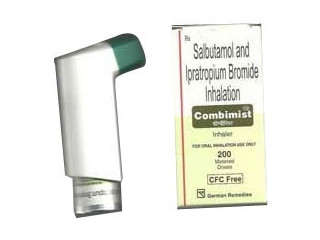

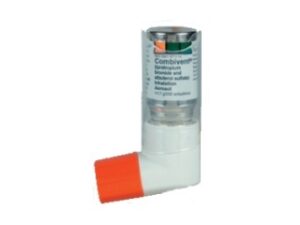
Combimist L Inhaler (Levosalbutamol + Ipratropium Bromide) – Patient Guide (Australia)
Combimist L Inhaler is a commonly used inhaled medicine for people who need relief from breathing difficulty caused by certain lung conditions. It combines two bronchodilator medicines to help open the airways and make breathing easier. This guide explains how the inhaler works, how to use it, what to expect, and important safety information—written for patients and carers in Australia.
Quick overview
- Product name: Combimist L Inhaler
- Common active ingredients: Levosalbutamol (a fast-acting beta2 agonist) + Ipratropium bromide (an anticholinergic)
- Medicine type: Inhaled bronchodilator combination
- Typical use: Symptomatic relief of bronchospasm in obstructive airway conditions
- How it works: Relaxes airway muscles (levosalbutamol) and reduces airway narrowing signals (ipratropium)
- Forms: Inhaler devices vary by brand presentation—always follow the packaging instructions and clinician advice
Note: Product formulations can vary by country and manufacturer. For exact strength and device details, please check the label on your specific Combimist L pack.
What is Combimist L and how does it work?
1) Levosalbutamol (beta2 agonist)
Levosalbutamol helps relax the smooth muscle in the airways. It activates beta2 receptors in the lung, leading to airway smooth muscle relaxation and bronchodilation (widening of the airways). This can quickly improve symptoms such as:
- wheezing
- shortness of breath
- chest tightness
- cough associated with bronchospasm
2) Ipratropium bromide (anticholinergic)
Ipratropium works by blocking muscarinic (cholinergic) receptors in the airways. This reduces bronchoconstriction driven by nerve signals and can further improve airflow, particularly in people who have chronic airflow limitation.
Why combination therapy helps
Using a beta2 agonist plus an anticholinergic provides a complementary bronchodilator effect. Many patients notice improved symptom control compared with using either medicine alone.
Indications: what it is used for
Combimist L Inhaler is used to relieve symptoms and improve airflow in obstructive airways conditions, such as:
- Chronic obstructive pulmonary disease (COPD) (including chronic bronchitis and emphysema), especially for symptomatic relief of bronchospasm
- Acute episodes or exacerbation symptoms where quick bronchodilation is needed (as part of an overall treatment plan)
- Other obstructive airway conditions as directed by a healthcare professional based on individual assessment
Important: Inhaled bronchodilators treat symptoms by improving airway calibre. They do not cure underlying lung disease. If you have asthma, you should have appropriate anti-inflammatory treatment (often inhaled corticosteroids) as advised by your clinician.
How and when to take Combimist L
Typical timing
The exact dosing schedule depends on your condition, symptom frequency, and the prescribed regimen on your specific product. In general, inhaled bronchodilator combinations are often used:
- Regularly for ongoing symptom control (maintenance), and/or
- As needed for relief during symptomatic periods (rescue style), depending on your plan
When to start and how to adjust
- Use the inhaler at the times advised on the label or your written action plan.
- If symptoms are worsening, do not simply keep increasing doses. Seek medical advice promptly.
- If you experience frequent need for reliever doses, this may indicate that your overall treatment needs review.
Practical use tips (important)
- Check your technique: inhaler technique strongly affects how much medicine reaches your lungs.
- Use at a steady pace: breathe in slowly and deeply as instructed to ensure optimal lung delivery.
- Wait between puffs (if multiple puffs are prescribed): follow the pack instructions for timing.
- Rinse your mouth after inhaling if your device or plan results in residue in the mouth (especially if you use other inhaled medicines).
- Keep track of doses: running out can leave you without symptom relief during flare-ups.
Dose information (typical regimens)
Dosing varies by individual and device presentation. Below is patient-friendly general guidance; always follow the directions on your product label or healthcare advice for your exact regimen.
| Patient group / use case | Typical approach | Notes |
|---|---|---|
| COPD maintenance | Regular inhalations as scheduled (often multiple times daily) | Use at consistent times for best symptom control. |
| Symptom flare or exacerbation | Inhalations may be increased temporarily as part of an action plan | If symptoms do not improve promptly, seek urgent medical advice. |
| Asthma (if prescribed for an individual plan) | Only as part of a comprehensive asthma management plan | Bronchodilators do not replace anti-inflammatory preventers. |
Missed dose: If you miss a scheduled dose, take it when you remember unless it is close to your next dose. Do not take extra to “catch up.”
Overuse warning: Frequent or increasing reliance on bronchodilator doses can signal worsening disease control. Contact your healthcare provider if you need reliever treatment more often than usual.
Mechanism of action in more detail
Combimist L helps both in the early tightening phase and in ongoing airway constriction:
- Levosalbutamol: promotes smooth muscle relaxation through beta2 receptor stimulation, improving airflow rapidly.
- Ipratropium bromide: inhibits cholinergic bronchoconstriction and may improve airflow and reduce mucus-related airway narrowing.
The combination may be particularly useful for patients with persistent symptoms where both cholinergic and beta2-mediated pathways contribute.
Pharmacokinetics: what happens in the body
After inhalation, medicines primarily act locally in the lungs. Some absorbed medicine may enter the bloodstream, where it is handled by the body’s normal elimination processes.
Typical pharmacokinetic highlights
- Onset: Bronchodilation typically begins relatively soon after inhalation, with symptom relief often within minutes.
- Distribution: The medicines mainly target lung tissues; systemic absorption varies by technique, device, and lung deposition.
- Metabolism and excretion: Like many drugs, absorbed fractions are metabolised and excreted (primarily via kidneys and/or other pathways depending on the active ingredient).
- Local effect: Because inhaled therapy focuses on the airways, systemic effects are generally lower than with oral treatment when used correctly.
Exact pharmacokinetic values (half-life, bioavailability, clearance) depend on the specific formulation and individual factors. Your pharmacist can provide product-specific details if needed.
Food interactions: can I take it with meals?
Because Combimist L is an inhaled medicine acting mainly in the lungs, food interactions are not typically expected. In most cases, you can use it with or without food.
- If you find inhaling after eating causes discomfort, use it before meals or as guided by your action plan.
- If you also take other medicines, follow the schedule recommended by your clinician.
Alcohol interactions
Moderate alcohol is not usually considered a direct interaction with inhaled bronchodilators. However, alcohol may worsen breathing for some people by affecting sleep quality, dehydration, and coordination.
- If alcohol makes your breathing feel worse, consider reducing intake.
- Avoid heavy drinking, especially during flare-ups or respiratory infections.
Medicine interactions: what to watch for
Some medicines can interact with bronchodilators, especially those that affect heart rhythm, potassium levels, or the nervous system. Tell your pharmacist or clinician about all medicines you use, including over-the-counter products and herbal supplements.
Common interaction themes
- Other bronchodilators: Using multiple bronchodilators together may increase side effects (e.g., tremor or palpitations).
- Beta-blockers (including some eye drops): Non-selective beta-blockers can reduce bronchodilator effect. Always check with a healthcare professional.
- Diuretics (“water tablets”) and steroids: These can lower potassium levels; combined effects may increase risk of heart rhythm issues in susceptible individuals.
- Medicines affecting heart rhythm: If you have known rhythm problems, your clinician may need to monitor therapy.
- Anticholinergic medicines: Combining with other anticholinergic drugs can increase side effects such as dry mouth or urinary retention symptoms.
Seek urgent advice
Get urgent medical help if you experience chest pain, severe palpitations, fainting, or severe sudden worsening of breathing.
Safety profile: side effects and what to do
Like all medicines, Combimist L can cause side effects, although not everyone gets them. Most side effects are mild and improve as your body adjusts or when inhaler technique is optimised.
Common side effects
- Tremor (hand shaking)
- Headache
- Nervousness or feeling “wired”
- Dry mouth
- Throat irritation
- Fast heartbeat (palpitations)
- Muscle cramps (sometimes related to beta2 effects and electrolyte shifts)
Less common but important effects
- Low potassium (hypokalaemia): may be more likely with higher doses or certain medicines (diuretics/steroids).
- Heart rhythm changes: more likely in people with existing heart disease or when doses are high.
- Allergic reactions: rash, swelling, or breathing difficulty.
When to stop and seek help
Contact urgent medical services or seek immediate care if you have:
- Severe or sudden worsening of breathlessness
- Chest pain
- Fainting or severe dizziness
- Swelling of the face/lips or trouble breathing (possible allergic reaction)
Driving and machinery: Inhaled bronchodilators may cause tremor or palpitations in some people. If you feel unwell or dizzy, avoid driving or operating machinery.
Practical use checklist: getting the most from your inhaler
- Use your inhaler as directed, not just when you feel severely breathless.
- Keep your device clean per instructions (especially mouthpiece maintenance).
- Check the dose counter (if your device has one) to avoid running out.
- Compare your technique: ask a pharmacist or nurse to watch you use the inhaler once you start.
- Separate multiple inhalers if your plan includes other devices (e.g., preventer inhalers, spacers).
- Know your action plan: if symptoms don’t improve after using your inhaler, follow your personalised plan or seek care.
Alternative options
If Combimist L isn’t suitable (for example, due to side effects, availability, or your specific diagnosis), there are other bronchodilator options commonly used in Australia. Your clinician can recommend alternatives based on your condition and severity.
Possible alternatives (examples)
- Short-acting beta2 agonists (SABA) for quick relief (e.g., salbutamol-type medicines)
- Short-acting anticholinergics (e.g., ipratropium alone)
- Long-acting bronchodilators for maintenance in COPD (including long-acting beta2 agonists, long-acting muscarinic antagonists, or combinations)
- Inhaled corticosteroids (ICS) for asthma or COPD patients who need anti-inflammatory therapy
Combination therapies may differ in onset, duration, and side effect profile. The best choice depends on your diagnosis, symptom pattern, exacerbation history, and inhaler technique.
Australia market & legal context (patient-friendly)
In Australia, inhaled medicines are widely used under structured respiratory care. Many inhaled bronchodilators are supplied through pharmacies and may be available as different brands and pack sizes.
- Safety monitoring: If you have COPD or asthma, it’s recommended to use an action plan and have regular review with your healthcare team.
- Quality and regulation: Medicines must meet Australian regulatory and quality standards for supply through legitimate channels.
- Proper use matters: Because inhaled therapy depends on technique, pharmacists may provide device coaching.
Guidance for COPD and asthma management is commonly informed by Australian clinical practice recommendations and international standards, including emphasis on: correct inhaler technique, appropriate preventer therapy (especially for asthma), and structured escalation during exacerbations.
Recent guidance & clinical considerations
Respiratory guidelines in Australia and internationally often emphasise the following principles (which apply broadly to bronchodilator use):
- Use the right medication for the diagnosis: bronchodilators improve symptoms; asthma also requires anti-inflammatory preventers.
- Regular review of symptoms: if you frequently need bronchodilators, your baseline treatment may need adjustment.
- Technique and adherence: poor inhaler technique is a common cause of inadequate control.
- Exacerbation management: escalation during flare-ups should follow a personalised action plan.
- Cardiovascular risk awareness: people with heart disease or rhythm disorders may require closer monitoring with beta-agonist therapy.
If you’re unsure whether Combimist L is appropriate for you, consult your pharmacist or healthcare professional.
Delivery and availability in Australia
Combimist L Inhaler may be available through licensed online pharmacies and local retail outlets where permitted. Availability can vary based on stock levels, pack size, and device type.
- Delivery: Online pharmacy orders within Australia are typically dispatched from a warehouse and delivered to your nominated address.
- Processing times: Orders may require verification steps depending on product category and local requirements.
- Stock changes: Inhaler supply may fluctuate, particularly for certain brands or strengths.
Tip: If you rely on this inhaler daily or during exacerbations, consider ordering ahead of time to avoid stock-out delays.
Frequently Asked Questions (FAQ)
1) How quickly will Combimist L help my breathing?
Many people notice symptom relief within minutes after inhalation. The exact timing depends on inhaler technique, airway condition, and whether this is used during a flare-up.
2) Is Combimist L a reliever or a preventer?
Combimist L is a bronchodilator combination used for symptom relief and airway opening. For asthma, it does not replace preventer treatment (typically inhaled corticosteroids) if those are required for your condition.
3) What should I do if I feel no improvement after using it?
If your breathing does not improve promptly, follow your action plan. If symptoms are severe, rapidly worsening, or you have danger signs (e.g., chest pain, severe breathlessness, fainting), seek urgent medical help.
4) Can I use it with other inhalers?
Often yes, but timing matters. Some people use a preventer inhaler and a bronchodilator inhaler. Ask your pharmacist how to sequence your inhalers to get the best results and reduce side effects.
5) Can I use Combimist L if I’m pregnant or breastfeeding?
Medicines during pregnancy and breastfeeding should be used only when the benefits outweigh potential risks. Talk to your healthcare professional for guidance specific to your situation.
6) Are there warning signs I should not ignore?
Yes. Contact urgent care if you have severe sudden breathlessness, chest pain, fainting, swelling/allergic symptoms, or any significant worsening despite using your inhaler.
7) Will it affect my heart rate?
It can sometimes cause palpitations or a fast heartbeat, particularly at higher doses. If you have a history of heart rhythm problems, discuss with your clinician and report new symptoms promptly.
8) Can I drink alcohol while using Combimist L?
Usually alcohol is not a direct interaction with inhaled therapy, but alcohol may worsen breathing or overall condition in some people. Avoid heavy drinking and seek advice if alcohol consistently worsens symptoms.
9) How do I know I’m using the inhaler correctly?
Many patients benefit from a “watch me” check by a pharmacist. Good technique includes proper sealing around the mouthpiece, correct timing of the breath, and maintaining consistent inhalation steps.
10) What should I do if I accidentally take too many doses?
Overuse can increase side effects such as tremor, palpitations, and low potassium risk. If you think you’ve taken more than recommended, contact a healthcare professional or poison information services for advice.
Summary
Combimist L Inhaler combines levosalbutamol and ipratropium bromide to help open airways and relieve symptoms in conditions such as COPD. It works by relaxing airway smooth muscle and reducing cholinergic bronchoconstriction. For best results, use the inhaler correctly, follow your recommended schedule, and seek prompt advice if symptoms are not controlled or are rapidly worsening.