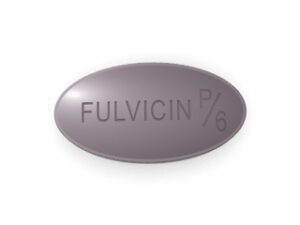
Gresiofulvin (Griseofulvin) – Patient Information
Gresiofulvin is an antifungal medicine used to treat certain types of fungal infections, particularly those affecting the skin, hair, and nails (depending on the form and the infection type). This page explains how Gresiofulvin works, how it should be taken, common side effects, important drug and alcohol interactions, and practical tips to help you get the best results.
Note: Brands and formulations may vary (for example, tablets or suspensions). Always follow the specific instructions provided with your medicine and consult your healthcare professional for personalised advice.
Basic product information
| Category | Details |
|---|---|
| Medicine name | Gresiofulvin (active ingredient: griseofulvin) |
| Type | Antifungal (systemic) medicine |
| Common infection areas | Skin, scalp/hair, nails (types depend on diagnosis and formulation) |
| Typical duration | Often weeks to months, depending on the infection site and severity |
| How it is used | By mouth |
How Gresiofulvin works (mechanism of action)
Griseofulvin works by interfering with fungal cell division and growth. Specifically, it:
- Binds to fungal microtubules (a structural part of the fungal cell involved in dividing).
- Reduces fungal replication and helps stop the infection from spreading.
- Helps infected keratin-forming tissues (skin, hair, nails) replace infected material with healthy tissue over time.
Because infections in the hair and nails require the body to grow out new healthy tissue, treatment can take a considerable time.
Pharmacokinetics (how your body handles the medicine)
Pharmacokinetics describes what happens to a medicine after you take it—how it is absorbed, distributed, metabolised, and eliminated.
Absorption
Griseofulvin absorption is generally improved when taken with food, particularly foods containing fat. Taking it on an empty stomach may reduce how much medicine your body absorbs, which can affect effectiveness.
Distribution
Griseofulvin distributes into tissues including skin, hair, and nails. It concentrates in areas where keratin is formed, supporting treatment of infections in these sites.
Metabolism
The medicine is primarily metabolised in the liver. This means liver health and other liver-metabolised medicines can be important in safety planning.
Elimination
Metabolites are eliminated from the body mainly through urine and faeces (depending on the specific product and patient factors).
Typical use and timing
Gresiofulvin is used for dermatophyte (“ringworm”) infections in certain situations, particularly when:
- The infection is more extensive (many areas affected).
- Skin infection has spread or is difficult to manage with topical treatment alone.
- Hair/scalp infections are present (where systemic treatment is often needed).
- Nail infections are suspected or confirmed (treatment duration is usually prolonged).
Timing: Many people take griseofulvin once daily or in divided doses depending on the product strength and the infection being treated. The most important practical timing point is to take it with food to support absorption.
When you may notice improvement
- Skin infections: improvements may be seen after a couple of weeks, but treatment must usually continue until the course is finished.
- Scalp/hair infections: improvement can be slower because hair growth cycles take time.
- Nail infections: the nail must grow out; changes may be visible months after starting.
If symptoms worsen or do not improve as expected, seek medical advice.
Food interactions (what to eat and what to avoid)
Food plays a significant role in griseofulvin absorption.
- Take with food, ideally with a meal or snack that includes some fat (for example, dairy products, eggs, meat, or other fats depending on your diet).
- If you’re struggling to eat, discuss options with your pharmacist—sometimes dosing timing can be adjusted around meals.
- Avoid skipping meals when possible, especially around dose times.
There are no specific “forbidden” foods universally, but consistent meal timing helps achieve more reliable blood levels.
Alcohol and medicine interactions
Alcohol
While moderate alcohol intake may not always cause direct interaction, caution is recommended because griseofulvin is metabolised by the liver. Alcohol can also affect liver function, and using both can increase the burden on the liver.
- Prefer to limit alcohol during treatment.
- Avoid heavy or binge drinking.
- Seek advice if you drink regularly or have a history of liver disease.
Medicine interactions
Griseofulvin can interact with other medicines because it may affect liver enzymes. This can change how other medicines work and how safely they can be used. Always check interactions with a pharmacist or doctor, especially if you take the following:
- Hormonal contraception (oral contraceptives, some implants or pills): effectiveness may be reduced. Additional non-hormonal contraception may be needed during treatment.
- Warfarin and other blood thinners: interaction risk may affect clotting control.
- Some anti-epileptic medicines: levels and effectiveness may change.
- Certain antidepressants/antipsychotics, anti-arrhythmics, and other long-term medicines: possible level changes.
- Other antifungals: combination therapy decisions should be clinician-led.
If you start or stop any medicine during treatment—prescription or non-prescription—ask whether any interaction is expected.
Indications: what Gresiofulvin is used to treat
Gresiofulvin is indicated for infections caused by certain fungi, commonly dermatophytes. Typical indications include:
- Tinea corporis/cruris (ringworm of the body/groin) when systemic therapy is needed
- Tinea capitis (scalp ringworm)
- Tinea barbae (beard area dermatophyte infection)
- Onychomycosis (nail fungal infection) in selected cases, often when other approaches are unsuitable
The exact suitability depends on the diagnosis (type of fungus), infection severity, and your medical history. For some conditions, topical antifungals or newer systemic options may be preferred.
Dosing guidance (general information)
Dosing of griseofulvin depends on the infection site, severity, age, and the product formulation and strength. A clinician or pharmacist will usually provide the exact dose.
Important: The information below is general and not a substitute for individual instructions.
Common dosing patterns (general)
- Adults: dosing is often once daily or divided dosing depending on the formulation.
- Children: dosing is usually weight-based and chosen to match the product strength.
- Nail/scalp infections: treatment duration is usually longer than for skin infections.
How to take each dose
- Take the medicine with food.
- Swallow tablets whole with water (unless your product instructions allow splitting or crushing).
- For liquid formulations, shake well if required and use the provided measuring device.
- Try to take it at the same time each day to maintain consistent levels.
If you miss a dose
- Take it as soon as you remember if it is close to your next scheduled dose.
- If it’s almost time for the next dose, skip the missed dose—do not double.
- If you frequently miss doses, ask for advice on adjusting your routine.
Safety profile: side effects and when to get help
Common side effects
Many people tolerate griseofulvin well, but side effects can occur. Commonly reported effects include:
- Gastrointestinal upset (nausea, stomach discomfort)
- Headache
- Dizziness or tiredness
- Rash or itching
- Light sensitivity (in some people)
Serious side effects (seek urgent medical advice)
Stop the medicine and seek urgent medical attention if you develop signs of a severe reaction, such as:
- Signs of liver problems: yellowing of the skin/eyes (jaundice), dark urine, severe upper stomach pain, persistent vomiting
- Severe allergic reaction: swelling of the face/lips, difficulty breathing, widespread hives
- Severe skin reaction: blistering, peeling skin, or painful sores in the mouth
- Unusual bleeding or bruising or severe weakness
If you have a history of liver disease, have previously had drug reactions, or are taking interacting medications, ask your pharmacist about monitoring and what symptoms to watch for.
Special considerations
- Liver health: the medicine is processed in the liver, so liver-related symptoms should be treated promptly.
- Blood counts: in some cases, clinicians may monitor blood tests during longer courses.
- Pregnancy and breastfeeding: discuss risks and suitability with a healthcare professional.
Practical use tips for getting the best results
Antifungal treatment often succeeds when dosing is consistent and hygiene measures reduce reinfection. Consider the following:
- Complete the full course even if symptoms improve earlier.
- Take doses with food to support absorption.
- Keep the affected area clean and dry (especially for skin infections).
- Wash towels, clothing, and bedding regularly; avoid sharing personal items.
- Change socks/underwear daily if the infection involves feet or groin.
- If scalp involvement is present, follow hair care guidance (for example, consider antifungal shampoos if recommended by a clinician).
- If nails are affected, avoid picking at nails and keep them trimmed. Nail infections can recur if treated too briefly.
Reinfection from household contacts, pets, sports equipment, or contaminated surfaces can cause “relapse.” Managing these sources can be just as important as the medicine itself.
Alternative options (depending on diagnosis)
The best choice of antifungal depends on which fungus is involved, the infection site, and your health history. Alternatives to griseofulvin may include:
Topical antifungals
- For limited skin involvement, topical creams/ointments may be sufficient.
- Examples (varies by formulation and country listings): clotrimazole, miconazole, terbinafine, ketoconazole.
Other oral antifungals
- Terbinafine is commonly used for dermatophyte infections and may have shorter treatment durations for some skin infections.
- Itraconazole or fluconazole may be considered for certain fungal infections.
Combination approaches
Scalp or extensive infections may sometimes be treated with a combination of oral antifungal medicine and an antifungal shampoo. Your clinician will advise the most appropriate plan.
If you are comparing options, ask about:
- Expected duration of treatment
- Effectiveness for the suspected fungus
- Potential interactions with your current medicines
- Safety monitoring requirements
Gresiofulvin in Australia: market and legal context
In Australia, medicines are regulated through the Australian Government Department of Health and listed with the Therapeutic Goods Administration (TGA). Medicines may differ in availability and pharmacy access based on their approved indications, strength, and risk profile.
For online pharmacies, product listings typically align with Australian supply rules and the TGA’s framework for how medicines are distributed. If an item is not suitable for purchase online, you may need assessment by a healthcare professional or selection of an alternative.
Always verify the product details shown on the website (brand, strength, form, and expiry date) and read the consumer medicine information (CMI) supplied with the product.
Recent guidance and clinical practice updates (what to keep in mind)
Antifungal prescribing practices evolve with emerging evidence and resistance patterns. While griseofulvin remains a recognised option for dermatophyte infections, clinicians may consider:
- Confirmation of diagnosis (for example, microscopy or fungal culture when appropriate)
- Local guidelines for which antifungal is preferred by infection type (skin vs scalp vs nails)
- Monitoring considerations for longer courses, including liver-related safety awareness
If your infection does not improve after the expected timeframe, review the diagnosis and treatment plan with a pharmacist or doctor.
Delivery and availability (online pharmacy information)
Availability for Gresiofulvin may vary by brand, strength, and formulation. Most online pharmacies in Australia can supply medicines subject to stock, ordering times, and relevant dispensing requirements.
Delivery
- Dispatch times: often depend on whether the item is in local stock.
- Shipping coverage: may vary by state/territory and courier network.
- Tracking: many orders include tracking once dispatched.
How to prepare for ordering
- Check the exact strength and form you need (tablet vs liquid).
- Confirm the expiry date shown for your order.
- If you need repeats, confirm reorder options in advance.
If you have questions about suitability, dosing, or interactions, a pharmacist can help you understand the safest way to take your antifungal.
FAQ: Frequently asked questions
1) What is Gresiofulvin used for?
Gresiofulvin (griseofulvin) is used for certain fungal infections, especially dermatophyte infections affecting skin, hair/scalp, and sometimes nails, depending on the specific diagnosis and clinical judgement.
2) How long does treatment usually take?
Duration varies. Skin infections may improve within weeks, but hair and nail infections often require treatment for longer periods because healthy tissue must replace infected material.
3) Should I take it with food?
Yes—taking griseofulvin with food generally improves absorption and may improve effectiveness. Aim to take it with a meal or snack that includes fat if possible.
4) What if I miss a dose?
Take it when you remember if it’s not too close to the next dose. If it’s near the next scheduled dose, skip the missed dose and continue your usual schedule. Do not double up.
5) Can I drink alcohol while taking Gresiofulvin?
It’s best to limit alcohol during treatment due to potential liver stress. Avoid heavy or binge drinking, and seek advice if you drink regularly or have liver disease.
6) Are there important medicine interactions?
Yes. Griseofulvin can interact with several medicines, including hormonal contraception and some medicines processed by the liver (such as certain anticoagulants and some anti-epileptic or psychiatric medicines). Check with a pharmacist about all medicines you take, including supplements and herbal products.
7) What side effects should I watch for?
Common effects include nausea, headache, dizziness, and rash. Seek urgent help if you experience signs of liver problems (yellow skin/eyes, dark urine), severe allergic reactions, or severe skin reactions.
8) Will it cure the infection immediately?
Fungal cells may take time to clear, and visible improvement depends on how quickly infected tissue is replaced. Continue the full course and follow hygiene measures to prevent reinfection.
9) If my skin looks better, can I stop early?
Generally, no. Stopping early can increase the risk of the infection returning. Complete the full course recommended for your infection and follow reassessment guidance if symptoms persist.
10) Are there alternatives if it doesn’t work?
Yes. If there is no improvement or if the diagnosis is different than expected, your pharmacist or doctor may consider alternative antifungals, confirm the fungus type, or adjust the treatment approach.
Summary
Gresiofulvin (griseofulvin) is an oral antifungal medicine used for certain dermatophyte infections of the skin, scalp/hair, and sometimes nails. It works by disrupting fungal cell growth and supports the replacement of infected keratin tissue with healthy tissue over time. Because absorption is improved with food and because the treatment course may be prolonged—especially for hair and nails—taking it consistently and completing the recommended duration is key.
If you have concerns about side effects, interactions (including hormonal contraception), liver health, or whether your infection is responding as expected, speak with a pharmacist or healthcare professional promptly.