Clobetasol 0.05% — Patient Information (Australia)
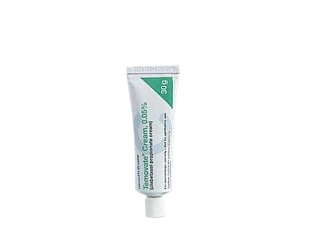
Clobetasol 0.05% is a potent corticosteroid medicine used to reduce inflammation and relieve symptoms of certain skin conditions. It is available in different forms (most commonly creams, ointments, or lotions depending on the affected area). Because clobetasol is very strong, it should be used carefully and for the shortest time that controls your symptoms.
This page explains how clobetasol works, how it’s used, what to expect, safety considerations, and practical tips for using it effectively in Australia.
Basic product information
- Active ingredient: clobetasol (usually as clobetasol propionate)
- Strength: 0.05%
- Medicine type: topical corticosteroid (anti-inflammatory)
- Common forms: cream, ointment, or lotion (varies by brand)
- What it treats: inflammatory skin conditions that respond to strong steroid therapy
Note: Brand names vary. Always check the product label for the specific formulation and directions for your item.
How clobetasol works (mechanism of action)
Clobetasol is a corticosteroid that works by:
- Suppressing inflammation in the skin
- Reducing immune activity involved in redness, swelling, and itching
- Decreasing the release of inflammatory chemicals that contribute to dermatitis
- Relieving symptoms such as itching, burning, and discomfort
By calming the inflammatory process, clobetasol helps many steroid-responsive skin conditions improve more quickly.
Pharmacokinetics (how the medicine behaves in the body)
“Pharmacokinetics” describes how the body absorbs, distributes, and eliminates a medicine. For topical clobetasol:
- Skin absorption: Most of the medicine acts locally in the skin. Absorption into the bloodstream can increase if applied over large areas, under occlusion (covering), to broken skin, or on skin folds.
- Systemic effects: Because absorption can vary, prolonged use or use on thin/irritated skin may lead to higher blood levels.
- Metabolism: If absorbed, corticosteroids are metabolised mainly in the liver.
- Elimination: Metabolites are excreted primarily through the kidneys.
Practical takeaway: Using clobetasol exactly as directed helps minimise unnecessary absorption and reduces the risk of side effects.
Typical uses in adults and children (indications)
Clobetasol 0.05% is used for short-term management of severe inflammatory skin conditions that respond to topical corticosteroids. Common indications (depending on diagnosis and prescriber advice) include:
- Severe eczema/dermatitis (for example, flare-ups in steroid-responsive conditions)
- Psoriasis (e.g., thick plaques—particularly on body areas; specific guidance depends on the situation)
- Lichen planus and related inflammatory conditions
- Other inflammatory dermatoses where strong topical corticosteroid therapy is considered appropriate
Important caution: Clobetasol should not be used on some skin infections unless specifically managed with appropriate anti-infective treatment. Using steroids alone can mask or worsen infections.
How to use clobetasol 0.05% (timing and dosing)
Always follow the directions on your product label or clinician instructions. Dosing can differ by skin condition, body area, age, and severity. The information below is a general guide used by many topical steroid regimens.
Typical dosing approach
- Frequency: Usually applied once or twice daily.
- Duration: Often limited to short courses (commonly up to 2–4 weeks, depending on condition and response). Your prescriber may advise shorter.
- Amount: Use a thin layer—the minimum needed to control symptoms.
- Do not apply more often or for longer than directed.
When to apply
- Apply at times you can maintain consistently, such as morning and evening, if your label advises twice daily.
- Wash and dry the affected area before applying.
- Gently rub in until the treated skin is no longer visibly shiny.
The “finger-tip unit” guide (FTU)
To help control the amount:
- One fingertip unit (FTU) is the amount of ointment/cream squeezed from a standard tube to the tip of an adult finger.
- Approximately an FTU covers an area about the size of two adult handprints (roughly 500–600 cm²). Use only as needed.
Tip: If you’re unsure how much to use, consider asking your pharmacist for a practical “how much for my area” estimate.
Missed dose
- If you forget a dose, apply it when you remember unless it’s close to your next dose.
- Do not apply double the amount.
Food interactions
Topical clobetasol has minimal systemic absorption when used correctly, so it generally has no clinically important food interactions. However:
- There is no need to adjust meals or avoid specific foods when using clobetasol.
- If you use other medicines (especially oral steroids or immunosuppressants), speak with your pharmacist or doctor for advice.
Alcohol and medicine interactions
Alcohol: There are usually no direct interactions between topical clobetasol and alcohol. Still, avoid heavy alcohol use if you feel unwell, and seek advice if you have liver disease or take other medicines that may affect your health.
Other medicines: Topical clobetasol is applied to the skin, so systemic drug–drug interactions are less common than with tablets. However, interactions and combined effects can occur, particularly with medicines that affect immune function or steroid metabolism.
- Other corticosteroids: Using clobetasol alongside other steroid medicines (e.g., tablets, injections, inhalers/other strong topical steroids) may increase total steroid exposure.
- Immunosuppressive medicines: If you take medicines that suppress the immune system, be alert to infection risks.
- Infection risk: Steroids can mask symptoms of infection; if you develop signs of infection (spreading redness, pus, fever), contact your healthcare professional.
Always tell your pharmacist about all medicines you use, including creams, lotions, eye drops, inhalers, and supplements.
Safety profile and side effects
Clobetasol is a high-potency corticosteroid. Most people tolerate it well when used correctly for short periods. However, strong steroids can cause side effects, especially with overuse, long-term use, large-area use, occlusion, or use on delicate skin.
Common local side effects
- Temporary stinging or burning on application
- Skin thinning (atrophy) with prolonged or excessive use
- Dryness or irritation
- Redness or increased sensitivity
- Folliculitis (inflammation around hair follicles)
Less common but important risks
- Striae (stretch marks) in treated areas
- Telangiectasia (visible small blood vessels)
- Perioral dermatitis or worsening around the mouth/nose area
- Acneiform eruptions
- Changes in skin pigmentation (hypopigmentation or hyperpigmentation)
- Rebound flare after stopping suddenly, especially after prolonged use
- Systemic absorption effects (uncommon with correct short courses, but more likely if used extensively or under occlusion)
Watch for signs of infection or complications
Stop using the medicine and seek medical advice if you notice:
- Increasing redness, warmth, swelling, or pain
- Pus, crusting, or oozing that suggests infection
- Fever or feeling unwell
- No improvement after the expected timeframe
Special populations
- Children: Greater risk of systemic absorption due to higher skin surface area relative to weight. Strong topical steroids should be used only under specific guidance for children.
- Elderly: Skin may be thinner; higher risk of local side effects.
- Pregnancy and breastfeeding: Discuss use with a healthcare professional, particularly for larger areas or long courses.
Practical use tips for best results
- Apply to clean, dry skin and wash your hands afterwards.
- Use a thin layer—more is not better with strong steroids.
- Avoid occlusion (covering with airtight dressings) unless a clinician instructs you.
- Avoid the face, groin, and armpits unless specifically advised, as skin is more sensitive.
- Do not use on broken skin unless advised.
- Moisturise wisely: After the flare settles, consider switching to moisturisers or less potent treatments to maintain skin comfort.
- Don’t continue if the condition worsens—reassess the diagnosis and infection possibility.
Hygiene and handwashing
After applying clobetasol, wash your hands thoroughly unless treating your hands. This prevents accidental transfer to sensitive areas like the eyes.
Indications—what conditions it’s meant to help
Clobetasol 0.05% is intended for inflammatory, steroid-responsive skin problems. It works by lowering inflammation and can reduce:
- Itch
- Redness
- Swelling
- Thickened, scaly plaques (in some conditions)
It is not an antiseptic. If your skin issue is caused by a fungal, bacterial, or viral infection, steroid alone may worsen it or delay appropriate treatment.
When to expect improvement and treatment timing
Many patients see symptom improvement within a few days. A typical pattern:
- First 48–72 hours: itching and redness may start to ease.
- Up to 1 week: visible improvement is often clearer.
- If there is little or no improvement: contact your pharmacist or doctor to review the diagnosis and treatment plan.
Because clobetasol is strong, treatment plans often use a short “burst” followed by step-down to a milder steroid or non-steroid maintenance regimen.
Food interactions (expanded clarification)
Since clobetasol is applied to the skin, it is unlikely to affect digestion or nutrient absorption through food. There are typically no food-related restrictions.
If you are taking other medicines that interact with steroids (for example, certain immunosuppressants), those interactions relate to the other medicines themselves rather than clobetasol.
Alcohol and medicine interactions (expanded clarification)
Clobetasol is not commonly associated with alcohol interactions because it is used topically. However, systemic steroid exposure may occur with higher-than-recommended use. In such situations, health effects may increase when combined with other risk factors (like heavy alcohol consumption).
Medicine interaction checklist:
- Tell your pharmacist if you use oral steroids, inhaled steroids, or other strong topical steroids.
- Tell them if you use medicines that suppress immunity.
- If you are using multiple skin products, ask whether they should be applied at different times.
Alternative options (when clobetasol may not be suitable)
Depending on the diagnosis, severity, and site of the rash, alternatives may include:
- Milder topical corticosteroids (lower potency for longer-term control)
- Non-steroidal anti-inflammatory treatments (e.g., calcineurin inhibitors for certain areas, as advised)
- Moisturisers/emollients as maintenance to reduce flare frequency
- Antifungal or antibacterial treatments if infection is present or suspected
For psoriasis and other chronic conditions, treatment plans may also include “flare” management plus maintenance strategies, which can reduce the need for very strong steroids.
Market and legal context for Australia
In Australia, availability and wording can vary by product strength, formulation, and regulatory classification. Topical corticosteroids are supplied under Australian medicine regulations, with many options available through pharmacists and some through prescription arrangements depending on the specific product and patient circumstances.
On an online pharmacy platform: product choice, quantity limits, and eligibility checks may apply to ensure safe supply in line with Australian requirements.
Tip: If you’re not sure whether your clobetasol product is appropriate for your skin condition, ask your pharmacist. Proper diagnosis matters because steroids can aggravate certain infections.
Recent guidance and best-practice considerations
Healthcare guidance for strong topical steroids generally emphasises:
- Short-term use to control flares
- Step-down therapy to a lower potency steroid or non-steroid regimen once improved
- Avoiding high-risk areas (face, groin) unless clearly indicated
- Monitoring for side effects, especially with longer use
- Reassessing treatment if symptoms worsen or do not improve
Additionally, clinicians often advise careful use in children and emphasise correct application and moisturising to reduce reliance on strong steroid therapy.
Delivery and availability in Australia
Clobetasol 0.05% is typically available from online pharmacies that deliver Australia-wide (availability can vary by brand and formulation). Processing times and delivery timelines vary by supplier, location, and stock status.
- Before you order: confirm the exact formulation (cream/ointment/lotion) and strength.
- Packaging: check that the product has not passed its expiry date.
- Storage: store according to the label (usually at controlled room temperature, away from heat and direct sunlight).
If you have a tight deadline (for example, before a trip), check expected delivery estimates at checkout.
Safety checklist before you start
Consider these points to use clobetasol safely:
- Are you treating an inflammatory condition known to respond to steroids?
- Is the area possibly infected (oozing, pus, honey-coloured crust, rapidly spreading redness)? If so, seek advice.
- Will you apply it to a large area, under occlusion, or on thin skin? If yes, discuss risk and plan with a pharmacist/doctor.
- Are you using other steroid products (topical or oral)?
Product use overview
| Topic | What to know |
|---|---|
| Strength | Clobetasol 0.05% (high potency topical corticosteroid) |
| What it does | Reduces inflammation, itching, and redness in steroid-responsive skin conditions |
| How to apply | Thin layer to affected area; gently rub in |
| Typical schedule | Often once or twice daily for a short course (follow your label advice) |
| Hand hygiene | Wash hands after applying unless treating hands |
| Occlusion | Avoid airtight covering unless instructed |
| When to stop and get advice | If infection signs appear, symptoms worsen, or no improvement occurs |
FAQ — Frequently asked questions
1) What is clobetasol 0.05% used for?
Clobetasol 0.05% is used to treat inflammatory, steroid-responsive skin conditions, such as severe eczema/dermatitis flare-ups and some forms of psoriasis, where a strong topical steroid is appropriate.
2) How quickly will it work?
Many people notice symptom improvement within a few days. Clear improvement is often seen within about a week, though individual response varies.
3) Can I use clobetasol on my face or groin?
These areas have thinner skin and higher risk of side effects. Use is generally not recommended unless specifically advised for your condition and area.
4) How long can I use it?
Strong topical steroids are usually used for the shortest time to control symptoms. Follow your product label or pharmacist/doctor advice. If you need treatment for longer, ask about step-down therapy.
5) Is there an “FTU” guide for how much to apply?
Yes. A fingertip unit (FTU) helps estimate the amount needed for a body area. Your pharmacist can help interpret this for your specific rash location and size.
6) Will it cause skin thinning?
Skin thinning (atrophy) can occur, particularly with long-term use, overuse, or application to sensitive areas. Using a thin layer for a short course reduces risk.
7) Can I cover the area with bandages or dressings?
Generally avoid airtight occlusion unless directed. Covering may increase absorption and side effects. If you have a planned dressing, ask your pharmacist whether it should be used.
8) What if my rash gets worse after starting?
Do not continue automatically. Worsening can indicate infection, incorrect diagnosis, or the need for different treatment. Contact a healthcare professional for reassessment.
9) Are there food or alcohol interactions?
Topical clobetasol typically has no important food interactions. There are usually no direct alcohol interactions, but avoid excessive alcohol use and speak to your pharmacist if you have complex medical conditions or use multiple steroid medicines.
10) What are safer alternatives if I need long-term control?
Alternatives may include milder topical steroids, non-steroidal anti-inflammatory options (as appropriate), and regular moisturising/emollients. Your treatment plan often uses a flare-up “step-down” strategy.
When to seek medical advice urgently
Seek urgent advice if you experience signs of severe infection or complications, such as rapidly spreading redness, swelling, severe pain, pus/oozing with fever, or eye involvement (burning, pain, or changes in vision after accidental contact).
Last reminder: Clobetasol 0.05% is a powerful topical corticosteroid. Use only as directed, apply to the affected area, avoid prolonged or excessive use, and consult your pharmacist if you’re unsure about the diagnosis, duration, or correct application amount.