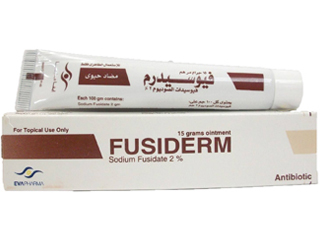
Fusiderm B (Betamethasone & Fusidic Acid) — Patient Information (Australia)
Fusiderm B is a combination skin medicine containing:
- Betamethasone (a corticosteroid that reduces inflammation)
- Fusidic acid (an antibiotic that targets certain bacteria)
This product is used for selected skin conditions where both bacterial infection and
| Product name | Active ingredients | What it’s used for | Form |
|---|---|---|---|
| Fusiderm B | Betamethasone + Fusidic acid | Inflamed, infected skin conditions caused by susceptible bacteria | Cream/ointment (varies by brand presentation) |
Important note
Because Fusiderm B contains a potent steroid and an antibiotic, it should be used only as directed for the specific skin condition being treated. Overuse—especially on large areas or for long periods—can increase the risk of side effects.
How Fusiderm B works (Mechanism of action)
Fusiderm B works in two complementary ways:
-
Betamethasone (steroid component):
- Reduces redness, swelling, itching, and irritation.
- Calms overactive immune responses in the skin.
-
Fusidic acid (antibiotic component):
- Stops susceptible bacteria from making proteins required for growth.
- Helps clear bacterial infection contributing to the rash, soreness, or discharge.
Why the combination matters: Some skin problems look similar even when the cause differs (for example, eczema alone vs infected eczema). Fusiderm B is intended when there is evidence or strong suspicion of both infection and inflammation.
Pharmacokinetics (What the body does to it)
Fusiderm B is applied to skin, so its absorption depends on several factors:
- Skin condition: Absorption can be higher if the skin is inflamed, broken, blistered, or covered.
- Area treated: Larger areas may lead to more absorption.
- Duration of use: Prolonged use increases the likelihood of higher steroid exposure.
- Occlusion: Covering treated skin with tight bandages or occlusive dressings may increase absorption.
Betamethasone absorption: Although systemic absorption after topical use is often low when used correctly, steroids can be absorbed and may affect the body in certain circumstances (e.g., extensive application or prolonged treatment).
Fusidic acid absorption: Topical antibiotics are primarily intended to act locally on the skin. Systemic absorption is generally limited, but it may increase with damaged skin or extensive use.
Because individual absorption varies, it’s best to follow product directions closely and avoid using larger amounts or longer courses than advised.
Typical uses in simple terms
Fusiderm B is used for inflamed skin infections caused by bacteria susceptible to fusidic acid, especially where inflammation is prominent.
Examples of situations where clinicians may consider this type of treatment include:
- Infected, inflamed dermatitis or eczema-like areas
- Localised bacterial skin infection with marked redness and irritation
- Short-term treatment when inflammation and infection occur together
Not for every rash: Many rashes (including fungal infections, viral lesions like cold sores, or purely allergic reactions) are not suitable for a steroid/antibiotic combination.
How to use it — Timing and routine
Follow the directions provided by your healthcare professional and the product packaging. If you are unsure, ask your pharmacist.
In general, topical regimens often look like:
- Apply a thin layer to the affected area.
- Frequency commonly ranges from once to twice daily, depending on severity and clinician advice.
- Timing: choose a consistent time of day (e.g., morning and evening) to help remember.
Practical routine:
- Wash and dry your hands before and after applying.
- Clean the affected skin gently (use mild water-based cleansing if needed).
- Apply only to the affected area (avoid spreading).
- Do not wrap tightly unless specifically advised.
- Continue for the shortest effective time and re-check if not improving.
If you miss a dose: Apply it when you remember if it’s close to the next scheduled time. If it’s almost time for the next dose, skip the missed dose—do not apply extra.
Dosing guidance (General principles)
Because dosing depends on the specific skin condition, severity, and location, dosing should be individualised. However, common dosing principles include:
- Thin layer: Use a small amount sufficient to cover the affected area.
- Smallest area: Limit treatment to the area directed.
- Short course: Use for the shortest time necessary. Persistent symptoms require review.
Children and sensitive skin areas: Steroids can be absorbed more in children and in areas such as the face, groin, and armpits. Extra caution is needed—use only if appropriate for the patient and condition.
Indications — When Fusiderm B may be appropriate
Fusiderm B is intended for selected inflammatory skin infections where:
- Susceptible bacterial infection is present or strongly suspected, and
- Inflammation (redness, itching, swelling) is also a major feature.
Your clinician may consider it when they think the steroid component is helpful to reduce inflammation and the antibiotic component is needed to treat bacterial involvement.
Safety profile — Important warnings and precautions
Fusiderm B contains a potent corticosteroid. The safety profile depends on how it is used.
Common side effects (may occur)
- Temporary skin irritation or burning at the application site
- Dryness or increased sensitivity
- Redness or worsening inflammation (occasionally)
Serious or concerning side effects (seek medical advice promptly)
Contact a healthcare professional urgently if you notice signs of:
- Rapidly spreading rash
- Severe swelling, blistering, or signs of allergy
- Infection worsening despite treatment
- Major skin thinning, prominent visible blood vessels, or unusual skin changes
Risk of steroid-related effects
- Skin thinning, stretch marks, or discoloration—especially with prolonged use or on thin-skin areas
- Effects on the body (e.g., adrenal suppression) are uncommon with short-term, limited-area use but are more likely if used extensively, under occlusion, or for long periods
Risk of antibiotic resistance
Using antibiotics longer than needed can contribute to antibiotic resistance. If symptoms do not improve within the expected timeframe, the diagnosis may need reassessment.
Who should be extra careful
- Children (higher absorption risk for topical steroids)
- Pregnancy or breastfeeding (discuss with a clinician; use limited amounts and avoid large areas)
- People with frequent skin infections (ensure diagnosis is correct)
- Those using occlusive dressings (increases absorption)
Practical use tips for best results
- Stop and review if not improving: If there is no clear improvement after a short course, don’t keep using indefinitely—seek advice.
- Avoid steroid “masking”: Steroids can reduce visible symptoms while the infection continues. Ensure the underlying cause is correct.
- Hygiene matters: Gently clean the area and avoid sharing towels. Wash hands after application.
- Check the environment: Consider whether there is a trigger (e.g., friction, contaminated eczema, household contacts with skin infections).
- Don’t use on fungal/viral lesions: Fusidic acid and betamethasone are not suitable for all infections.
Food interactions
No direct food interactions are expected with Fusiderm B because it is applied to the skin and absorption into the bloodstream is generally limited when used correctly.
However, general health considerations can still matter:
- If you become unwell (fever, spreading infection), or if you are taking other medicines that affect immunity, seek medical advice.
- Keep to any dietary guidance given for your overall condition.
Alcohol and medicine interactions
Alcohol: No specific alcohol-drug interaction is commonly expected with a topical steroid/antibiotic product, because systemic absorption is usually low.
Other medicines: Consider interactions mainly through skin overlap and overall exposure to steroids/antibiotics:
- Avoid applying other strong topical steroids, antibiotics, or antiseptics to the same area at the same time unless advised.
- If you use emollients or moisturisers, apply them separately where directed—some products may reduce contact time if layered immediately.
If you’re using other topical treatments (including moisturisers, antiseptics, or other creams), ask a pharmacist for advice on compatible application timing.
Contraindications and when not to use
Do not use Fusiderm B on certain types of skin conditions unless directed by a clinician. In general, avoid use on areas where the diagnosis suggests:
- Fungal infections (e.g., ringworm, athlete’s foot, some groin fungal rashes)
- Viral skin infections (e.g., cold sores, genital herpes—if relevant)
- Skin reactions that are not infectious (e.g., simple irritant dermatitis without bacterial involvement)
Always check the product information and ask for guidance if you are unsure what the rash is.
Recent guidance and stewardship (Australia context)
In Australia, topical antibiotics like fusidic acid are subject to growing emphasis on appropriate use to reduce the emergence of resistance and ensure that the underlying diagnosis is correct. Best-practice principles include:
- Using antibiotic combinations only when there is likely bacterial involvement.
- Using the shortest effective duration.
- Reviewing if no improvement occurs within a reasonable time.
- Avoiding use on unsuitable conditions (e.g., fungal infections) where steroids can worsen disease.
If you have a history of recurrent infections, it can be helpful to speak to a pharmacist or GP to confirm the cause and discuss prevention strategies.
Delivery and availability in Australia
Fusiderm B is commonly available through pharmacy distribution networks in Australia, depending on formulation and brand availability. Online pharmacies typically offer:
- Home delivery within Australia (delivery times vary by provider and location)
- Secure packaging to protect creams/ointments during transit
- Order support if you need help choosing the correct product strength or form
Availability can vary. If a specific pack size is out of stock, many pharmacies can offer alternatives or advise when restock is expected.
Alternative options
Alternatives depend on the underlying diagnosis:
- Infection without inflammation: a topical antibiotic alone may be used (depending on local guidance and bacterial sensitivity).
- Inflammation without infection: a corticosteroid-only or non-steroid anti-inflammatory may be appropriate.
- Fungal infections: antifungal creams are used rather than steroid/antibiotic combinations.
- Other infected lesions (e.g., impetigo): clinicians may recommend different topical or oral treatments based on severity and extent.
Because rashes can look alike, choosing an alternative without confirmation can delay correct treatment. If you’re uncertain, consult a pharmacist—especially for recurrent or widespread symptoms.
Market/legal context for Australia (general)
Medicines in Australia are regulated through the Australian regulatory framework. Topical antibacterial and corticosteroid medicines are supplied in accordance with their scheduling and pharmacy supply requirements.
Online pharmacies in Australia generally provide medicines with appropriate customer safeguards, including:
- Guidance on correct use and product selection
- Information about side effects and when to seek advice
- Support for delivery and storage requirements
Availability and supply pathways can differ between brands and strengths. If you have questions about ordering, a pharmacy team can help.
How long should you use it?
Many topical steroid/antibiotic combination treatments are intended for short-term use. The exact duration for Fusiderm B depends on the condition and response to therapy.
Seek advice if:
- Your skin is not improving after a short course
- Symptoms worsen at any time
- The infection seems to spread
- You need repeated courses frequently
Storage
- Store at room temperature unless the label says otherwise.
- Keep the container tightly closed.
- Keep out of reach of children.
- Do not use after the expiry date on the pack.
Frequently Asked Questions (FAQ)
1) What is Fusiderm B used for?
Fusiderm B is used for selected infected, inflamed skin conditions where both bacterial infection (susceptible to fusidic acid) and inflammation are present.
2) How quickly should I see improvement?
Many people notice improvement within a few days, but this depends on the cause and severity. If there is no improvement in a short time or if symptoms worsen, seek advice rather than extending use.
3) Can I use it on my face, groin, or underarms?
These areas have thinner skin and may absorb more steroid. Use on sensitive areas should only occur if it is appropriate for your condition and as directed. Ask a pharmacist or clinician for specific guidance.
4) What should I do if the rash gets worse after starting?
Stop using the product and contact a healthcare professional promptly. Worsening may indicate an incorrect diagnosis, an allergic reaction, or spreading infection.
5) Is Fusiderm B safe for children?
Extra caution is needed in children due to increased steroid absorption. Use only if appropriate for the child’s age and condition and follow instructions carefully.
6) Can I cover the treated area with bandages?
Unless specifically advised, avoid tight or occlusive dressings. Covering can increase steroid absorption and the risk of side effects.
7) Can I apply moisturiser after Fusiderm B?
Often you can, but apply products separately and avoid diluting the active cream. If you are using moisturiser frequently, ask a pharmacist for a recommended order and timing.
8) Are there any food or alcohol interactions?
No direct food interactions are expected with topical Fusiderm B. No specific alcohol interactions are commonly anticipated, but if you are using other medicines or have a medical condition, it’s worth discussing with a pharmacist for personalised advice.
9) What if I’ve used fusidic acid before?
Repeated or prolonged use can increase the chance of bacterial resistance or may mask the correct diagnosis. If you need it repeatedly, it’s important to have the cause re-assessed.
10) What should I do if I accidentally apply too much?
Use no more than required to cover the affected area. If you’ve applied large amounts to extensive areas or for longer than recommended, seek advice from a pharmacist or clinician, especially for children or sensitive sites.
Summary
Fusiderm B combines betamethasone and fusidic acid to treat certain skin conditions involving both inflammation and bacterial infection. When used correctly—thin layer, limited area, and shortest effective duration—it can reduce redness and help clear infection. If symptoms don’t improve quickly or worsen, reassess the diagnosis and seek professional advice.