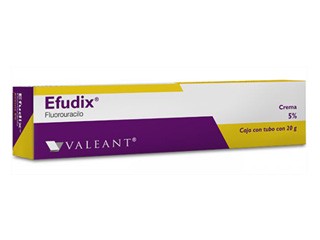
Efudex (Fluorouracil) Cream / Solution — Patient Information (Australia)
Efudex contains fluorouracil (5-FU), a topical medicine used to treat certain skin conditions, particularly some types of actinic keratoses and other superficial skin lesions. This guide explains how Efudex works, how it is used, what to expect, and important safety information for people in Australia.
Note: Efudex products may come in different strengths and formulations depending on local availability and prescriber instructions. Always follow the directions provided with your specific pack.
1. Basic product information
| Information | Details |
|---|---|
| Active ingredient | Fluorouracil (5-FU) |
| Medicine type | Antimetabolite (topical cytotoxic/anti-cancer agent) |
| Common form | Cream (and in some settings other topical preparations) |
| Therapeutic use | Treatment of selected superficial skin lesions (e.g., actinic keratoses) |
| How it works | Disrupts DNA/RNA formation in rapidly dividing abnormal cells |
| Who it’s for | Typically adults with specific sun-damaged lesions identified by a clinician |
2. How Efudex works (mechanism of action)
Fluorouracil (5-FU) is an antimetabolite. It targets rapidly dividing cells, which is why it can be effective for certain pre-cancerous or abnormal growths on the skin.
- Metabolic conversion: Inside cells, 5-FU is converted into active forms that interfere with normal nucleotide (building block) metabolism.
- DNA/RNA disruption: It inhibits key enzymes involved in DNA synthesis, and can also affect RNA processing.
- Selective effect: Abnormal cells and sun-damaged keratinocytes often divide more quickly than surrounding normal cells, making them more vulnerable.
On the skin, Efudex treatment commonly leads to redness, scaling, crusting, and sometimes blistering—these reactions reflect the intended effect on abnormal cells.
3. Pharmacokinetics (how the body handles Efudex)
Because Efudex is used topically, only small amounts generally reach the bloodstream compared with oral medicines. However, absorption can increase under certain conditions (for example, when the skin barrier is damaged, during extensive treatment areas, or if large quantities are applied).
- Absorption: Usually limited, but can be higher on inflamed or ulcerated skin.
- Distribution: Any absorbed drug may distribute through the body similarly to other fluorouracil exposure pathways.
- Metabolism: Fluorouracil is metabolised primarily in the liver and tissues.
- Elimination: It is cleared from the body mainly through metabolic processes and excretion of metabolites.
Practical takeaway: Follow directions carefully. Avoid applying more than instructed or over larger areas, as increased absorption can raise the risk of systemic side effects.
4. Typical uses and indications
Efudex is used for selected superficial skin lesions, particularly those related to long-term sun damage. Common indications include:
- Actinic keratoses (also called solar keratoses), especially when multiple lesions are present or when field treatment is considered.
- Superficial lesions that a clinician identifies as suitable for topical 5-FU therapy (specific suitability depends on lesion type, size, location, and clinical assessment).
Efudex is not intended for every skin spot. If a lesion could be a different condition (for example, melanoma, basal cell carcinoma, squamous cell carcinoma requiring other treatment), the approach may differ.
5. Timing and how to use Efudex (practical schedule)
Efudex is typically applied as a course over a defined period. The exact duration and frequency vary depending on the condition, the strength of the product, and clinical judgement.
Common patterns (general guidance):
- Usually applied once or twice daily, depending on the regimen recommended for your specific product and condition.
- Treatment length may range from several weeks to longer courses for some indications.
What to expect during treatment:
- Early phase (first days): Mild redness or irritation may begin.
- Middle phase: The treated area often becomes more inflamed, with scaling and crusting.
- Later phase: Some areas may look raw or ulcerated. This can be part of the therapeutic process.
- After stopping: Skin usually heals over subsequent weeks. Follow-up is important to confirm clearance.
Tip: Choose an application time that fits your routine. Many people prefer evenings to reduce friction and sun exposure right after application.
6. Dosing and application instructions (general)
Dose depends on the lesion/area being treated and the exact product formulation. Your clinician or the product packaging will specify the regimen for your situation.
General application principles:
- Clean and dry the skin first. Wash gently with water (or mild cleanser), pat dry, then apply.
- Apply a thin layer. Avoid thick coating unless specifically instructed.
- Use a consistent amount. Applying more does not necessarily improve outcomes and may increase irritation.
- Hand hygiene: Wash hands before and after applying (unless using gloves).
- Avoid sensitive areas: Keep away from eyes, lips, nostrils, and genital area unless directed.
- Do not cover with airtight dressings unless advised. Coverings may increase irritation or absorption.
Missed dose: If you miss an application, apply it when you remember if it’s close to your usual time. If it is near the next dose, skip the missed one—do not double up.
7. Food interactions
Since Efudex is applied to the skin, food interactions are generally not a major concern compared with oral medications. Most relevant interactions are with other skin products and medications that may increase irritation or overall drug exposure.
However: If you are also taking medications that affect the immune system or have multiple skin treatments, discuss your overall plan with a healthcare professional.
8. Alcohol and medicine interactions
Alcohol: There is no well-established, direct interaction between alcohol and topical fluorouracil. Still, alcohol can affect hydration, sleep, and skin healing in some people. If you notice you heal more slowly or develop more irritation when drinking, consider reducing intake during the treatment course.
Medicine interactions: Topical use tends to minimise systemic exposure, but interactions may still occur indirectly:
- Other topical irritants: Combining Efudex with strong exfoliants, harsh antiseptics, or medicated acne products can worsen inflammation.
- Radiation or other dermatologic therapies: Using concurrent skin treatments may increase local irritation; clinicians may coordinate timing to reduce side effects.
- Immunosuppressive medicines: If you take medicines that affect immune function, ask your clinician because healing and response may differ.
- Warfarin and similar anticoagulants: There is limited evidence on topical 5-FU interactions. If you take anticoagulants, it’s wise to monitor for unusual bleeding/bruising and discuss with a clinician if concerns arise.
Always inform your healthcare professional or pharmacist about all medicines you use, including creams, gels, sunscreens, vitamins, and herbal preparations.
9. Safety profile and side effects
Like many medicines that act on rapidly dividing cells, Efudex can cause local skin reactions. These are common and often indicate the medicine is working, but they should be managed appropriately.
Common local side effects
- Redness (erythema)
- Burning or stinging sensation
- Scaling, crusting, or flaking
- Swelling or tenderness
- Dryness and itch
- Blistering or superficial ulceration (more pronounced in some people)
Less common but important systemic concerns
Because systemic absorption is usually limited, systemic side effects are less common. Still, seek medical advice urgently if you develop:
- Unexplained fever or feeling very unwell
- Severe weakness, breathlessness, or unusual bruising
- Widespread sores, severe rash, or signs of an allergic reaction (facial swelling, hives, trouble breathing)
When to stop and seek advice
Contact a healthcare professional promptly if:
- The skin becomes extremely painful or you cannot apply as directed due to severity
- You develop infection signs (increasing warmth, pus, foul smell, rapidly spreading redness, fever)
- The treated area involves eyes or eyelids or you accidentally get product in the eye
- You experience a diffuse rash beyond the treatment area
10. Practical use tips (to improve comfort and outcomes)
- Start gently: Begin on days when you can manage irritation. Some people prefer to begin on a weekend or when they can moisturise and care for skin more comfortably.
- Moisturiser strategy: Use an emollient or moisturiser approved by your clinician/pharmacist. Some people use moisturiser on non-treated areas or after applying and allowing time (follow local guidance).
- Sun protection is essential: Treated skin is more sensitive. Use broad-spectrum sunscreen, shade, and protective clothing. Avoid tanning beds.
- Gentle cleansing only: Avoid scrubbing, exfoliating brushes, and alcohol-based toners on the treated area.
- Avoid friction: Reduce rubbing from clothing; consider soft fabrics.
- Hands and contamination control: Wash hands after application. Keep away from children and pets, and avoid touching other people’s skin with your treated skin until the product has dried.
- Manage crusts and raw areas: If crusting is thick, ask your clinician about suitable wound-care approaches. Do not pick at scabs.
- Document progress: If suitable, take photos at baseline and periodically to help assess healing and communicate with your clinician during follow-up.
11. Food and environmental factors that affect the skin
Although food interactions are not usually significant, several lifestyle factors can influence skin tolerance:
- Hydration: Staying well hydrated supports skin comfort.
- Smoking: Smoking can reduce healing quality. Consider stopping or reducing if possible.
- Outdoor exposure: UV exposure can worsen irritation and create new lesions. Use sun protection consistently.
12. Alternative options for actinic keratoses and superficial lesions
Depending on the diagnosis, lesion number, location, and patient preferences, clinicians may recommend other treatments. Common alternatives include:
- Cryotherapy (liquid nitrogen): Freezes individual lesions.
- Other topical field therapies (for selected conditions), such as imiquimod or topical therapies approved for actinic keratoses in Australia.
- Photodynamic therapy (PDT): Uses a photosensitising agent and light activation.
- Surgical options: Excision or curettage for specific lesions.
- Observation and monitoring: Sometimes considered for low-risk or uncertain lesions, often with planned follow-up.
Your clinician can discuss which option best suits your skin, your goals, and your tolerance for local inflammation.
13. Market and legal context for Australia
In Australia, medicines are regulated by the Therapeutic Goods Administration (TGA). For prescription-only medicines and listed products, availability and supply arrangements can vary by formulation, strength, and scheduling.
Efudex (fluorouracil) topical products may be supplied through standard pharmacy channels and, where permitted, online pharmacies. Always ensure you receive a product that is legitimate, properly labelled, and within expiry.
Quality and supply considerations:
- Check the TGA-approved product label, expiry date, and manufacturer details.
- Only order from reputable suppliers that comply with Australian pharmacy and medicines distribution requirements.
- Contact your pharmacist if you have concerns about availability, substitutions, or product strength differences.
14. Recent guidance and follow-up expectations
Clinical guidance for actinic keratoses and superficial lesions continues to emphasise:
- Accurate diagnosis (lesion type matters).
- Field treatment vs lesion-directed treatment based on number of lesions and surrounding sun damage.
- Regular skin checks to detect new or recurring lesions.
- Sun protection as a long-term strategy to reduce risk.
After completing Efudex therapy, clinicians typically arrange follow-up to confirm response. Healing can take weeks, and treated areas may look different before improving fully.
15. Delivery, availability, and packaging (online pharmacy)
Availability can vary by product strength and formulation. When ordering online in Australia:
- Delivery times: Delivery can depend on your location and courier service. Check the estimated delivery window at checkout.
- Packaging: Efudex should arrive in original packaging with clear label instructions.
- Storage: Store according to the label (commonly at controlled room temperature away from heat and moisture). Keep out of reach of children.
- Expiry: Do not use past the expiry date.
If you need a specific formulation and it’s temporarily unavailable, ask your pharmacist about alternatives with similar intended use.
16. Frequently Asked Questions (FAQ)
1) What does Efudex do to my skin?
Efudex works by targeting abnormal, rapidly dividing skin cells. It commonly causes redness, scaling, crusting, and sometimes blistering or superficial sores in the treated area. This reaction is often expected during treatment and typically heals after the course ends.
2) How long will the irritation last?
Local redness and irritation can develop within days and may peak during mid-to-late stages of the course. Healing after stopping can take several weeks. The timeline varies depending on the lesion type, area size, skin sensitivity, and how your skin responds.
3) Should I stop if my skin becomes very sore?
Mild to moderate irritation may be expected. However, if pain is severe, you develop infection signs (pus, rapidly spreading redness, fever), or the reaction seems excessive, contact a healthcare professional promptly. Do not “push through” severe symptoms.
4) Can I use moisturiser while I’m on Efudex?
Often, yes—especially to maintain comfort and reduce cracking. Choose moisturisers that are gentle and non-irritating. Discuss suitable products with your pharmacist, and follow directions on timing (for example, whether to moisturise before or after applying Efudex).
5) Can I treat my face or scalp?
Efudex is sometimes used on areas like the face or scalp when clinically appropriate. Facial skin may be more sensitive, so tolerability varies. Avoid eyes and eyebrows unless instructed and take extra care with application.
6) What if I accidentally get Efudex in my eye?
Rinse immediately with plenty of water and seek urgent medical advice. Eye exposure can cause significant irritation.
7) Will Efudex protect me from new sun damage?
Efudex treats existing abnormal or pre-cancerous lesions. It does not prevent future sun damage by itself. Long-term prevention relies on sun protection, skin monitoring, and appropriate follow-up.
8) Can I drink alcohol during treatment?
There’s no well-known direct interaction with topical Efudex, but alcohol may affect comfort and healing for some people. If you notice worsening irritation or delayed healing, consider limiting alcohol during your course.
9) Are there any medicines or creams I should avoid?
Avoid combining Efudex with other strong or irritating topical products (for example, harsh exfoliants or medicated acids) unless your clinician advises it. Inform your pharmacist about everything you apply to your skin.
10) Is Efudex suitable for children?
Efudex is generally used in adults for appropriate superficial skin conditions. Suitability for children depends on diagnosis and clinical judgement—ask a clinician for advice.
17. Summary: key points to remember
- Efudex (fluorouracil) is a topical treatment used for selected superficial skin lesions such as actinic keratoses.
- It works by disrupting DNA/RNA synthesis in rapidly dividing abnormal cells.
- Local skin reactions (redness, scaling, crusting) are common and often part of treatment, but severe pain or infection signs should be assessed urgently.
- Follow the correct course and apply a thin layer as directed; avoid sensitive areas and use sun protection.
- Food interactions are generally not a major issue for topical use; interactions are more relevant with other topical products and certain medical conditions.
- Plan follow-up with your clinician to check response and watch for new lesions.
Need personalised guidance? If you’re unsure whether Efudex is appropriate for a specific skin spot or you have concerns about side effects, talk to a qualified healthcare professional or pharmacist.