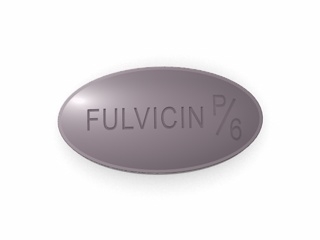
Fulvicin (Gresiofulvin) – Patient Guide
Fulvicin, also known by the generic name gresiofulvin, is an antifungal medicine used to treat certain fungal infections. This guide explains what it’s for, how it works, how to take it safely, and what to expect during treatment. It is written for people living in Australia and aims to be patient-friendly.
| Feature | Summary |
|---|---|
| Active ingredient | Gresiofulvin (fulvicin) |
| Medicine class | Antifungal (for dermatophyte infections) |
| Common forms | Oral tablets or capsules (form may vary by brand and strength) |
| Typical duration | Often several weeks to months, depending on infection site and severity |
| How it works | Stops fungal growth by interfering with fungal cell processes |
| Most important tip | Take with food to improve absorption and reduce treatment failure risk |
Basic product information
Fulvicin (Gresiofulvin) belongs to a group of medicines used against “dermatophytes” — fungi that infect the skin, scalp, nails and hair. The specific brand name and strength can vary, but the active ingredient is gresiofulvin.
In Australia, medicines are regulated under the Therapeutic Goods framework. Depending on the product, Fulvicin may be supplied via pharmacy under appropriate clinical guidance and in line with local regulatory requirements.
How Fulvicin works (mechanism of action)
Gresiofulvin works by disrupting fungal cell division and interfering with how fungi build and maintain their cell structure. Specifically, it affects microtubules (key components needed for cell growth), which slows fungal growth and allows the body to replace infected skin, hair, or nail tissue over time.
Because infected nail or hair tissue grows slowly, treatment often takes longer than you might expect. It’s normal to need weeks to months of therapy before infected tissue is fully replaced.
Pharmacokinetics (absorption, distribution, and elimination)
Absorption
Gresiofulvin absorption can vary. Taking it with food — especially meals that contain fat — can improve uptake. This is one of the most practical reasons your pharmacist or prescriber may advise taking it with meals or shortly after food.
Distribution
Gresiofulvin distributes into tissues where dermatophytes are located, including skin and keratin-producing areas such as hair and nails. It takes time to build up in these tissues, which contributes to the longer course of treatment.
Metabolism and elimination
Gresiofulvin is metabolised in the liver and eliminated mainly through the body’s normal clearance routes (including bile-related pathways). Because of liver involvement, monitoring and caution are important, particularly for people with liver disease or those taking other medicines that affect the liver.
Typical use: what Fulvicin treats
Fulvicin (gresiofulvin) is most commonly used for dermatophyte (tinea) infections. It is not effective for all types of fungal infections. Your treatment plan should match the infection type and location.
Common indications
- Scalp ringworm (tinea capitis)
- Body ringworm (tinea corporis)
- Groin infections (tinea cruris)
- Foot infections (tinea pedis) in selected cases
- Nail infections (onychomycosis) due to dermatophytes (may take longer)
Clinically, confirmation may involve skin scrapings or nail samples depending on the situation. Treating the wrong organism or treating only skin without addressing nails can contribute to recurrence.
Timing: when to take your dose
To get the best chance of success:
- Take at the same time each day to maintain consistent levels.
- Take with food (unless your medicine packaging specifically instructs otherwise). Meals improve absorption and can reduce the risk of the infection not responding.
- If you miss a dose, take it when you remember
How long treatment may take
Duration depends on site and severity:
- Skin and scalp: often several weeks
- Nails: commonly months, because new nail growth must replace infected nail
You may feel better earlier, but stopping too soon can lead to relapse. Continue for the full recommended course.
Food interactions and absorption
Food can significantly influence how well gresiofulvin is absorbed. In general, the practical advice is:
- Take with meals (or immediately after food) if possible.
- Avoid taking it on a consistently empty stomach.
Specific dietary advice may depend on your product formulation. If you have questions about what to eat or timing around meals, ask your pharmacist.
Alcohol interactions
Alcohol may increase strain on the liver, which is relevant because gresiofulvin is metabolised in the liver. For safety:
- Limit alcohol during treatment.
- Avoid heavy or binge drinking.
- If you have liver disease, or you regularly drink alcohol, discuss this with a healthcare professional before starting.
If you notice warning symptoms such as unusual fatigue, dark urine, yellowing of the skin/eyes, or severe nausea, seek medical advice promptly.
Medicine interactions (important)
Gresiofulvin can interact with other medicines. Some interactions may affect effectiveness; others may increase the risk of side effects. It is especially important to review your medication list (including over-the-counter medicines and supplements).
Common interaction areas
- Hormonal contraception: Gresiofulvin may reduce effectiveness of some hormonal contraceptives. Consider using additional non-hormonal contraception during treatment and for a time after stopping, as advised locally.
- Warfarin and blood thinners: Antifungals can alter clotting control. If you use anticoagulants, you may require closer monitoring.
- Other liver-metabolised medicines: Because gresiofulvin affects liver enzymes, it may change levels of certain medicines, potentially requiring adjustment.
- Some anti-seizure medicines and other long-term therapies: levels and side effects may be affected.
Always tell your pharmacist about:
- All prescription medicines
- All over-the-counter products (including herbal remedies)
- Vitamins, supplements, and “natural” products
Safety profile: what to watch for
Like all medicines, Fulvicin can cause side effects. Many people tolerate it well, but it’s important to recognise when to get help.
Common or mild side effects
- Nausea, stomach upset
- Headache
- Skin rash
- Dizziness or fatigue
- Temporary changes in hair or skin texture in some cases
Serious side effects (seek urgent medical advice)
- Signs of liver problems: yellow skin/eyes (jaundice), dark urine, severe persistent nausea/vomiting, severe abdominal pain
- Severe allergic reactions: facial swelling, breathing difficulties, widespread rash with blistering
- Blood disorders (less common but important): unusual bruising, fever, sore throat that does not settle
If you experience severe symptoms, stop and seek medical attention immediately.
Who should use extra caution
- People with liver disease
- Those with a history of drug allergies
- People taking multiple medicines that may interact
- Pregnancy or breastfeeding: discuss risks and options with a healthcare professional
- Children: dosing and monitoring must be appropriate to age and weight
Dosing: general guidance
Dosing depends on the infection type, severity, body weight (especially in children), and the specific product strength. It is important to follow the instructions provided with your medicine.
How doses are commonly determined
- Adults: often based on the clinical diagnosis and body weight, with fixed or weight-adjusted regimens
- Children: typically weight-based
- Nail/scalp infections: may require longer courses
Practical dosing principles
- Take the dose exactly as directed on your pack or by your healthcare team.
- Do not stop early even if symptoms improve.
- If side effects occur, talk to a pharmacist—do not independently change the dose without advice.
If you’d like, you can check the dosing section on your medication label or ask your pharmacist to help interpret it.
Practical use tips for better outcomes
Antifungal tablets work best when combined with good hygiene and—when appropriate—topical antifungals. Ringworm infections can spread via contact, bedding, hats, towels, and shared surfaces.
Skin and scalp infections
- Keep affected areas clean and dry.
- Change towels, socks, and clothing regularly.
- Wash bedding and clothing used during treatment.
- Avoid sharing hairbrushes, hats, or towels.
Nail infections
- Keep nails trimmed and clean to reduce reinfection and inflammation.
- Use socks and footwear that help keep feet dry.
- Understand that the nail may improve gradually as new nail grows; this is expected.
Preventing reinfection
- If other household members have symptoms, they may need evaluation and treatment too.
- For athlete’s foot (tinea pedis), treating the foot can prevent spread to nails and groin.
- If pets may be involved (for scalp or widespread infections), discuss with a clinician or veterinarian.
Alternative options
Treatment choice depends on the location of the fungus, the organism, severity, and your medical history. Alternatives may include other systemic antifungals or topical therapies.
Possible alternatives (examples)
- Topical antifungals (creams, gels, sprays, solutions) for limited skin involvement
- Other oral antifungals that may be preferred for some patients or infections
- Combination approaches (oral medicine plus topical treatment) in certain cases
Your pharmacist or clinician can advise which option best fits your infection type and how quickly you need to control symptoms. If prior treatment has failed, it’s particularly important to confirm the diagnosis and the specific fungus involved.
Market and legal context for Australia
In Australia, medicines are regulated by the Therapeutic Goods Administration (TGA). Availability, supply rules, and documentation requirements vary by product category and formulation. Fulvicin is an antifungal medicine for fungal infections and may be supplied by pharmacies in accordance with Australian medicines scheduling and pharmacy practices.
To ensure safe use, reputable suppliers provide product information, recommend checking interactions, and explain how to take the medicine. If your circumstances change during treatment (new medications, liver concerns, pregnancy plans), seek advice promptly.
Recent guidance and clinical considerations
Clinical guidance for fungal infections generally emphasises:
- Accurate diagnosis before long courses of oral treatment, especially for nail and scalp infections
- Full adherence to reduce relapse and resistance concerns (where applicable)
- Monitoring for liver-related symptoms with oral therapy
- Managing interactions with hormonal contraception and other commonly used medicines
- Infection control practices to prevent spread within households
While specific recommendations can vary by patient and local policy updates, the safety themes above remain consistent across many antifungal treatment pathways.
Delivery and availability in Australia
Fulvicin (gresiofulvin) availability can vary by strength, formulation, and supply chain. Many online pharmacies in Australia can assist with sourcing if the item is in stock, or they may provide an estimated delivery timeframe and options to select alternative strengths or brands if required.
- Check stock status on the product page before ordering.
- Delivery times may vary between metro and regional areas.
- Some items may require additional processing to comply with pharmacy supply rules.
If your treatment is time-sensitive (for example, scalp outbreaks in schools or households), contact the pharmacy to confirm the fastest available dispatch option.
How to store Fulvicin
- Store at room temperature (follow the label).
- Keep in the original packaging to protect from light and moisture.
- Keep out of reach of children.
- Do not use after the expiry date.
FAQ – Fulvicin (Gresiofulvin)
1) When will I start to see improvement?
Many people notice symptom improvement within a few weeks, but complete clearance—especially for nail or scalp infections—can take much longer. Because growth is slow, you may continue to see changes gradually as new healthy tissue replaces infected areas.
2) What should I do if my rash gets worse at the start?
Mild changes can occur early in treatment. However, rapid worsening, spreading redness, severe pain, fever, or blistering rash should be assessed promptly. Allergic reactions or incorrect diagnosis are possibilities.
3) Can I take Fulvicin on an empty stomach?
It’s generally best taken with food to improve absorption and reduce the chance of treatment failure. Always follow the instructions on your specific pack.
4) Does Fulvicin work for yeast infections like Candida?
Fulvicin is primarily used for dermatophytes (ringworm-type fungi). Yeast infections may require different treatment. If you’re unsure about the cause of your symptoms, seek medical or pharmacy advice.
5) Will Fulvicin interact with birth control pills or patches?
Gresiofulvin may reduce the effectiveness of some hormonal contraceptives. If you use hormonal contraception, discuss reliable backup contraception with a healthcare professional or pharmacist before starting and during treatment.
6) Can I drink alcohol while on treatment?
It’s recommended to limit alcohol during treatment, because both alcohol and gresiofulvin can affect the liver. Avoid heavy drinking, and seek medical advice if you develop liver-related symptoms.
7) Are there tests or monitoring required?
Monitoring depends on your health history, length of treatment, and any other medicines you’re taking. People with risk factors may require additional checks. If you have liver conditions or are taking other interacting medicines, ask your pharmacist or clinician about monitoring plans.
8) What if I miss a dose?
Take it as soon as you remember. If it’s almost time for your next dose, skip the missed dose and continue as normal. Do not take a double dose.
9) Can Fulvicin be used with topical antifungal creams?
Often, yes—depending on the infection. Combination treatment can help for some skin infections. However, follow the specific plan given to you, and check that each product is suitable for the infection site.
10) Are there alternatives if Fulvicin isn’t suitable?
Yes. Other oral and topical antifungal options may be appropriate depending on diagnosis and severity. If you’ve had poor response or side effects, ask your pharmacist about evidence-based alternatives.
When to seek help
Contact a healthcare professional promptly if you develop:
- Jaundice (yellowing of skin or eyes), dark urine, or severe persistent nausea/vomiting
- Breathing difficulties, facial swelling, or a widespread blistering rash
- Unusual bruising, persistent fever, or severe sore throat
- Signs of worsening infection or failure to improve after an appropriate time
Fulvicin can be effective when used correctly, taken with food as directed, and continued long enough for the infection to clear. If you have questions about interactions, expected duration, or how to manage the infection at home, your pharmacist can help.