Prednisolone (Oral)
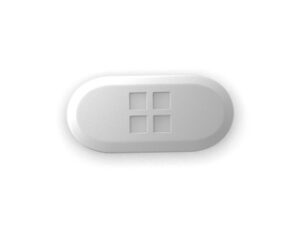
Prednisolone is a corticosteroid medicine used to reduce inflammation and calm an overactive immune response. It is available in Australia in different tablet strengths and some forms may also be supplied as oral preparations depending on brand and availability.
This guide is designed to be patient-friendly and practical. It covers what prednisolone is, how it works, how it’s typically taken, common uses, important safety information, interactions, and answers to frequently asked questions for people in Australia.
Basic product information
| Topic | Details |
|---|---|
| Generic name | Prednisolone |
| Medicine type | Systemic corticosteroid (glucocorticoid) |
| Common forms | Oral tablets and/or oral liquid (varies by product) |
| How it’s used | Oral dosing for short or longer courses depending on the condition |
| ATC/therapeutic class | Anti-inflammatory / immunosuppressant |
Brand names: Prednisolone is marketed under various brand names. Your pharmacist or pack label will show the specific brand and strength you have.
How prednisolone works (mechanism of action)
Prednisolone is a synthetic glucocorticoid. It acts in the body in several ways that help control inflammation and immune activity:
- Reduces inflammatory signalling by affecting multiple inflammatory pathways and decreasing release of inflammatory mediators.
- Calms immune responses by changing how immune cells function and how they migrate to sites of inflammation.
- Decreases swelling, redness, and pain that are caused by inflammation in many conditions.
- Affects metabolism (for example, increasing blood sugar and affecting salt/water balance), which is why side effects can occur.
In many conditions, the medicine provides symptom relief relatively quickly, but the overall improvement depends on the underlying cause and how it’s being treated alongside other therapies.
Pharmacokinetics (what the body does to prednisolone)
Pharmacokinetics describes how the medicine is absorbed, distributed, metabolised, and eliminated.
- Absorption: Prednisolone is absorbed from the gastrointestinal tract after oral dosing.
- Distribution: It distributes throughout the body and acts on target tissues.
- Metabolism: Prednisolone is metabolised primarily in the liver.
- Excretion: Metabolites are eliminated mainly via the kidneys (urine).
- Onset and duration: Effects can begin within hours for many conditions, but full therapeutic benefit may take days depending on the condition and dose.
Individual differences: People vary in how quickly they respond and in how strongly they experience side effects. Age, kidney/liver function, dose, duration, and other medications can influence overall effect.
Typical uses in Australia
Prednisolone is used across many specialties. Common reasons include:
- Allergic and inflammatory conditions (for example, severe allergic reactions under medical management, inflammatory skin disorders)
- Asthma and other airway inflammation (often for flare-ups or to control inflammatory disease)
- Autoimmune conditions where the immune system is attacking the body (for example, inflammatory bowel disease, rheumatoid-related conditions, certain connective tissue disorders)
- Blood disorders involving inflammation or immune mechanisms (where corticosteroids form part of standard care)
- Some eye conditions that require anti-inflammatory action (under specialist supervision)
- Certain kidney or lung conditions where inflammation needs rapid control
Important: The exact indication and treatment plan depend on your diagnosis. Prednisolone should not be used for unapproved or self-determined reasons because risks increase with higher dose and longer duration.
Indications (when prednisolone may be recommended)
In general, prednisolone is indicated when the benefits of reducing inflammation or suppressing immune overactivity outweigh the potential risks.
Depending on the condition, doctors may consider prednisolone for:
- Inflammatory flares requiring rapid symptom control
- Conditions where inflammation is driven by the immune system
- Situations where steroid therapy is part of stepwise management for the disease
- When other treatments have been insufficient, or as a short “burst” to stabilise symptoms
How to take prednisolone: timing and practical guidance
Timing
Many people are advised to take prednisolone in the morning. This can better align with the body’s natural cortisol rhythm and may reduce sleep disturbance.
- Morning dosing is common: Take your dose as early in the day as possible.
- If multiple doses are prescribed: Follow your dosing schedule carefully.
- Don’t shift timing frequently: Try to stay consistent day to day.
Food and administration
Prednisolone can cause stomach irritation in some people. Taking it with food may help reduce discomfort.
- With food: Often preferred to minimise nausea or indigestion.
- After food: If you feel unwell when taking it, take it after a meal.
- Water: Take with a full glass of water.
Do not stop suddenly
If prednisolone is taken for more than a short period, your body may reduce its own natural steroid production. Stopping abruptly after prolonged use can be dangerous.
- Longer courses: Usually require tapering under clinical guidance.
- Short courses: May be stopped sooner depending on dose and duration, but it’s safest to follow your plan exactly.
Dosing (general information)
Dosing depends on the condition, severity, response, and your medical history. Prednisolone is prescribed in a range of doses for different indications.
- Always follow your prescribed dosing schedule and the instructions on the medicine pack.
- Do not change the dose on your own if you feel better or worse.
- Use the correct strength: Check the tablet strength or volume of liquid before taking.
If you miss a dose: Take it as soon as you remember on the same day. If it’s close to the next scheduled dose, skip the missed dose and continue your usual schedule. Do not take a double dose.
Seek advice if you’re unsure, particularly if you’ve been taking prednisolone regularly for more than a few days.
Food interactions and lifestyle considerations
Prednisolone is not known for extensive food interactions, but certain dietary habits can affect how you feel and what side effects you may experience.
Helpful food and nutrition tips
- Take with food if you experience indigestion.
- Monitor appetite: Prednisolone can increase appetite. Choose nutrient-dense meals rather than large amounts of sugary foods.
- Calcium and vitamin D: Long-term use can contribute to bone thinning. Many people are advised to ensure adequate calcium and vitamin D intake.
- Manage salt intake: Steroids can affect fluid balance. A lower-salt approach may help if you experience swelling or raised blood pressure.
Alcohol and prednisolone
There is no absolute “safe” amount of alcohol while taking prednisolone, but alcohol may increase risks such as:
- Stomach irritation and indigestion
- Higher infection risk in some situations
- Worsened blood sugar control in people at risk of diabetes
- Impaired sleep or mood changes
Practical advice: If you drink alcohol, limit intake and avoid binge drinking. If you have gastritis, ulcers, diabetes, or liver disease, discuss alcohol use with your healthcare professional.
Medicine interactions (important)
Prednisolone can interact with many medicines. Some interactions can require dose adjustment, monitoring, or alternative choices.
Common interaction categories
- NSAIDs (e.g., ibuprofen, naproxen): may increase risk of stomach irritation or bleeding when combined with steroids.
- Anticoagulants (e.g., warfarin): steroids may affect clotting control; more frequent monitoring may be needed.
- Diabetes medicines: prednisolone can raise blood sugar, potentially reducing the effectiveness of diabetes treatment.
- Antifungals and antibiotics that affect liver enzymes may change steroid levels.
- Rifampicin (and some other enzyme inducers): may reduce prednisolone effectiveness.
- Vaccines: steroid therapy (especially higher doses or longer duration) can affect vaccine responses and may change vaccine recommendations.
Tell your pharmacist about
- All prescription medicines
- Over-the-counter products (including pain relievers, cold/flu medicines)
- Herbal supplements (for example, St John’s wort)
- Any recent or planned vaccinations
Tip: Keep a list of your medicines and bring it to appointments. Your pharmacist can help check interaction risks.
Safety profile: potential side effects
Like all medicines, prednisolone can cause side effects. Risk depends on dose, duration, and your personal health factors.
Common short-term side effects
- Increased appetite
- Indigestion, nausea, or stomach discomfort
- Sleep disturbance or feeling “wired”
- Headache
- Fluid retention (mild swelling)
- Mood changes such as irritability or anxiety
More serious or long-term risks
- Increased infection risk (steroids can reduce immune defence)
- Raised blood sugar and worsening of diabetes
- Raised blood pressure and changes in fluid balance
- Bone thinning (osteoporosis), particularly with prolonged use
- Cataracts or eye pressure changes with longer-term therapy
- Weight gain and body shape changes
- Skin changes (thinning, bruising, acne-like rash)
- Adrenal suppression if stopped suddenly after extended use
- Muscle weakness with longer courses
Seek urgent medical advice if you experience
- Signs of serious infection: fever, chills, severe sore throat, or rapidly worsening symptoms
- Severe stomach pain, vomiting blood, or black/tarry stools
- Severe mood changes, confusion, or agitation
- Vision changes, severe eye pain, or sudden headaches with vision symptoms
- Allergic reactions: swelling of face/lips, trouble breathing, hives
Practical use tips for better outcomes
- Take it in the morning when possible to reduce sleep issues.
- Use with food if you get stomach upset.
- Keep hydrated and maintain regular meals—steroids can affect appetite and digestion.
- Monitor blood sugar if you have prediabetes or diabetes.
- Watch your blood pressure if you have hypertension or swelling.
- Protect your bones: adequate calcium/vitamin D and weight-bearing exercise (as suitable) can help, especially with longer courses.
- Avoid exposure to infections: consider extra care around people with measles, chickenpox, or other contagious infections.
- Never stop suddenly after more than a brief course—follow the taper plan provided.
- Carry a record of your steroid use if you may need medical care urgently.
Alternative options (depending on condition)
Whether prednisolone is appropriate depends on your diagnosis and severity. Alternatives might include:
- Other corticosteroids (such as dexamethasone or methylprednisolone) in specific circumstances
- Inhaled corticosteroids for asthma and some airway conditions (less systemic exposure)
- Topical corticosteroids for skin inflammation when appropriate
- Steroid-sparing immunosuppressants for long-term autoimmune disease management (specialist decision)
- Biologic therapies for certain immune-mediated conditions (specialist decision)
- Non-steroidal anti-inflammatory or supportive measures depending on the cause
Discuss with your healthcare professional before switching medicines, as changing steroid regimens can affect symptom control and safety.
Alcohol and prednisolone: practical guidance
Because prednisolone can increase stomach sensitivity and affect blood sugar and mood, alcohol may increase discomfort and complications.
- Best approach: Keep alcohol minimal or avoid while you’re starting a steroid course.
- If you choose to drink: drink earlier in the day and keep it light.
- Avoid alcohol if you have a history of ulcers, significant reflux, uncontrolled diabetes, or liver problems.
Australia: market, legal and prescribing context
In Australia, medicines are regulated under the Therapeutic Goods Administration (TGA) and dispensed according to their scheduling. Many corticosteroids are controlled by prescription and dispensing rules, depending on formulation and strength.
Pharmacy supply may also depend on:
- Whether the specific product is a pharmacy-only item or requires prescription
- Clinical appropriateness for the requested condition
- Patient-specific safety checks (including allergies, interactions, and medical history)
Always check the product label and follow the instructions provided by your pharmacist. Supply requirements can vary by strength, brand, and formulation.
Recent guidance and monitoring considerations
While individual clinical guidance varies by condition and patient history, steroid safety principles are consistent worldwide and are reflected in Australian practice:
- Use the lowest effective dose for the shortest duration needed to control symptoms.
- Plan for tapering if treatment is prolonged or repeated courses are likely.
- Monitor for blood pressure, blood glucose, infection risk, mood changes, and bone health depending on duration and dose.
- Vaccination considerations: immune response and vaccine timing may need review for people on moderate-to-high dose steroids.
Your pharmacist and doctor can help you understand what monitoring applies to your specific plan, especially if you’re using prednisolone for more than a short period.
Delivery and availability in Australia
Availability of prednisolone can vary by brand, strength, and formulation. Many online pharmacies can supply common strengths, while others may require ordering from suppliers.
- Stock status: Product pages typically show current availability.
- Dispatch times: Delivery timelines vary by location and supplier schedules.
- Packaging: Medicines are supplied in appropriate child-resistant packaging where applicable and with clear label information.
- Delivery options: Home delivery is commonly available across Australia. Some services may offer express options.
If you need a particular strength or formulation and it’s not available immediately, contact customer support so they can advise expected restock or alternatives.
Frequently Asked Questions (FAQ)
1) How long does prednisolone take to work?
Many people notice improvement within hours to a couple of days, but full effect can take longer depending on the condition and dose. If symptoms are not improving or are worsening, seek medical advice promptly.
2) Should I take prednisolone with food?
Often, yes. Taking prednisolone with food can reduce stomach irritation. If your prescribed plan says to take it in a specific way, follow that instruction.
3) Can I stop prednisolone as soon as I feel better?
Do not stop suddenly unless your healthcare professional has specifically advised it. After more prolonged use, stopping abruptly can be unsafe. Many courses require a gradual taper.
4) What side effects are most common?
Common side effects include increased appetite, indigestion, sleep disturbance, mood changes, and fluid retention. These may be more noticeable at higher doses.
5) Does prednisolone weaken the immune system?
Yes. Prednisolone can reduce immune function, which may increase susceptibility to infections. Contact a clinician urgently if you develop symptoms of a serious infection.
6) Can I drive or operate machinery?
Most people can drive as normal, but steroids can sometimes cause mood changes, agitation, or sleep disturbance. If you feel unwell or unusually alert/irritable, use caution.
7) Are there any interactions with pain relievers?
Some pain relievers—particularly NSAIDs like ibuprofen or naproxen—may increase stomach and bleeding risks when used with corticosteroids. Ask your pharmacist for safer options based on your history.
8) Is it safe to drink alcohol?
Moderation is advised. Alcohol can worsen stomach irritation and may increase risks such as blood sugar changes and mood effects. If you have ulcers, diabetes, or liver disease, avoid alcohol unless your healthcare professional says it’s safe.
9) What should I do if I miss a dose?
Take it when you remember on the same day. If it’s near the next dose, skip the missed dose. Do not take two doses together. If you’re unsure, ask your pharmacist.
10) How should I store prednisolone?
Store it as directed on the label—typically at room temperature, away from moisture and heat. Keep it out of sight and reach of children.
Key takeaways
- Prednisolone is an anti-inflammatory corticosteroid used for immune and inflammatory conditions.
- Many people take it in the morning and often with food to reduce side effects.
- It can affect blood sugar, blood pressure, mood, sleep, and infection risk—especially at higher doses.
- Do not stop suddenly after longer courses—follow tapering plans.
- Always check for medicine interactions, and inform your healthcare team about all medicines and supplements.
This information is general and not a substitute for personalised medical advice. If you have questions about whether prednisolone is suitable for you or how to take it safely, contact your pharmacist or healthcare professional.