
Toprol XL (Metoprolol) – Patient-Friendly Guide (Australia)
Toprol XL is a brand of metoprolol formulated as an extended-release medicine. It belongs to the group of medicines called beta-blockers. In Australia, Toprol XL is commonly used to help manage several cardiovascular conditions by reducing the workload on the heart and helping stabilise heart rhythm.
This guide explains what Toprol XL is, how it works, when it’s typically taken, important food and medicine interactions, practical tips for using it safely, and what you should know about safety and availability in Australia.
Quick Facts
- Medicine: Toprol XL (metoprolol extended-release)
- Medicinal class: Beta-blocker (selective, “beta-1” blocker)
- Formulation: Extended-release (once-daily dosing in many cases)
- Main uses: Heart-related conditions such as angina and certain heart rhythm/heart failure situations (depending on your doctor’s assessment)
- Key effects: Slows heart rate, reduces blood pressure, lowers the heart’s oxygen demand
Basic Product Information
Toprol XL contains metoprolol in a controlled/extended-release form designed to release the medicine gradually over time.
Strengths: Common tablet strengths include (varies by market and product availability) 25 mg, 50 mg, 100 mg, and sometimes 200 mg extended-release tablets. Check your specific pack or ask your pharmacist if you are unsure.
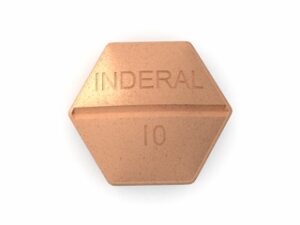
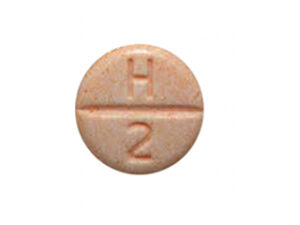
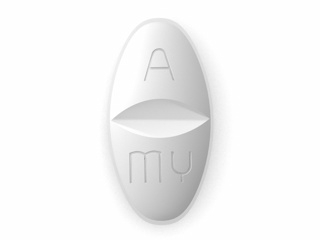
How it looks: Extended-release tablets can differ in appearance depending on strength. Use the imprint/strength on your tablet to confirm you have the correct dose.
How Toprol XL Works (Mechanism of Action)
Metoprolol is a beta-1 selective blocker. It works mainly on the heart by:
- Reducing heart rate (slower pumping rate)
- Decreasing the force of contraction slightly
- Lowering blood pressure
- Reducing oxygen demand by the heart muscle
For many people, these effects help relieve symptoms related to reduced blood flow to the heart (such as angina) and support longer-term cardiovascular health.
Pharmacokinetics (How the Body Handles It)
Understanding pharmacokinetics can help explain timing, consistency, and why missing doses matters.
| Feature | What to Expect |
|---|---|
| Absorption | Extended-release tablets are designed to release metoprolol gradually after swallowing. |
| Onset | Some effects on heart rate and blood pressure may be noticed within hours, but full benefit may take days to weeks. |
| Peak levels | With extended-release formulations, peak blood concentrations occur later than immediate-release products. |
| Distribution | Metoprolol distributes into body tissues and can cross certain barriers in small amounts. |
| Metabolism | Metoprolol is primarily metabolised by the liver (influenced by enzymes such as CYP2D6). |
| Elimination | Metabolites and a small amount of drug are eliminated, mainly through the kidneys. |
Why this matters: Because metoprolol is processed by the liver and affected by drug interactions, other medicines (including some antidepressants and antiarrhythmics) can change Toprol XL levels.
Typical Use in Australia
Toprol XL is used for several cardiovascular conditions. The exact indication, dose, and target heart rate/blood pressure are individualised based on your medical history, other medicines, and monitoring results.
Common clinical uses include:
- Angina (chest pain due to reduced blood flow to the heart): to reduce frequency and severity of symptoms for some patients.
- High blood pressure (hypertension): to help lower blood pressure.
- Some heart rhythm problems: to help control heart rate in certain arrhythmias (as assessed by a clinician).
- Heart failure: in selected patients as part of a broader treatment plan (commonly after stabilisation with other therapies).
If you’re not sure why Toprol XL was chosen for you, ask your pharmacist or clinician. They can explain the specific goal of therapy (e.g., symptom control, heart rate reduction, blood pressure targets, or long-term risk reduction).
When to Take It (Timing & Missed Doses)
Toprol XL is typically taken due to its extended-release design. The best time of day depends on your routine and how you respond (for example, whether you experience dizziness or fatigue).
Best practice timing tips
- Take it at the same time each day to maintain stable medicine levels.
- Consistency matters: spacing doses evenly helps keep heart rate and blood pressure more predictable.
- If you feel unwell (e.g., dizziness), consider taking it in the evening—only if your clinician/pharmacist agrees.
If you miss a dose
- Take it when you remember if it’s reasonably close to your usual time.
- If it’s near the next dose, skip the missed dose and take your next dose at the usual time.
- Do not double up to make up for a missed tablet.
If you frequently miss doses, discuss strategies with your pharmacist (e.g., using a medication reminder system).
Food Interactions
Toprol XL may be taken with or without food depending on your specific instructions. In general, for many patients, food does not cause a major change in the overall effect of metoprolol extended-release.
However:
- Maintain a consistent routine (take it the same way each day: either always with food or always without).
- If you have sensitive blood pressure, meals can affect how quickly you feel changes—so note how you respond and follow your clinician’s advice.
Grapefruit: Unlike some other medications, grapefruit is not always a key interaction for metoprolol. Still, check with your pharmacist if you use grapefruit juice regularly.
Alcohol Interactions (What to Watch)
Alcohol can increase the risk of dizziness, light-headedness, and low blood pressure, which may be more noticeable when taking beta-blockers.
- Moderate intake may be tolerated by many people, but be cautious—especially when starting or adjusting the dose.
- Avoid heavy drinking, which can worsen blood pressure control and increase the risk of fainting.
- If you experience fainting, near-fainting, or significant dizziness after alcohol, speak to your pharmacist or clinician.
Always check any additional guidance for your specific condition, particularly if you have heart failure or irregular heart rhythm.
Medicine Interactions (Important)
Toprol XL can interact with other medicines, sometimes increasing or reducing its effects, or raising the risk of side effects.
Common interaction themes
- Other medicines that slow heart rate can increase the risk of bradycardia (slow heart rate) or low blood pressure.
- Medicines affecting liver enzymes can change metoprolol levels.
- Medicines that raise blood pressure may reduce control.
Medicines to review with your pharmacist
Because names and availability vary, this is not an exhaustive list. Tell your pharmacist about all medicines and supplements you take, including over-the-counter items.
- Antiarrhythmics (for heart rhythm problems) such as certain class I or III agents—may increase bradycardia or conduction slowing.
- Calcium channel blockers (especially non-dihydropyridines like verapamil or diltiazem)—can have additive effects on heart rate and conduction.
- Digoxin—may increase risk of slow heart rate or conduction effects when combined.
- Antidepressants and other medicines that can affect CYP2D6 (for example, some SSRIs)—may increase metoprolol blood levels and side effects in some people.
- Medicines for high blood pressure or other heart medicines—may enhance blood pressure-lowering effect.
- Clonidine (and similar medicines)—stopping abruptly can cause rebound hypertension; switching requires careful planning.
- Diabetes medicines (including insulin and some tablets): beta-blockers can mask warning signs of low blood sugar (such as a fast heartbeat).
Supplement and herbal interactions
- St John’s wort may affect drug metabolism.
- Other herbal products may also influence liver enzymes or blood pressure.
Tip: Keep a written list of your medicines (including dose and frequency). Bring it to your pharmacy or have it available for telehealth consultations.
Indications and Clinical Goals
“Indication” means the reason the medicine is used. “Clinical goals” describe what your treatment is trying to achieve.
- Angina: reduce chest pain episodes; improve exercise tolerance by lowering heart workload.
- Hypertension: lower blood pressure to reduce strain on the heart and blood vessels.
- Heart rhythm control: reduce heart rate and improve symptom control.
- Heart failure (selected patients): support long-term management as part of a comprehensive regimen.
In practice, clinicians may adjust the dose gradually and monitor symptoms, heart rate, blood pressure, and—when necessary—heart rhythm tests.
Dosing (General Guidance)
Dosing is individualised. Your dose depends on your condition, age, kidney/liver function, response to treatment, and how well you tolerate the medicine.
Typical dose approach
- For extended-release metoprolol, many regimens start with a low dose and increase gradually.
- Dose changes often occur every one to two weeks (or per your clinician’s schedule), based on heart rate, blood pressure, and symptoms.
- The goal is usually a balance between effectiveness and tolerability.
Examples of dose ranges (may vary by indication)
Below are general examples commonly seen with metoprolol extended-release products. Your clinician’s plan should always be followed.
| Condition (example) | Typical dosing pattern (extended-release) |
|---|---|
| Hypertension / Angina | Often once daily, starting low and titrating upward based on response. |
| Heart rhythm rate control | Once daily with titration to achieve target heart rate and symptom control. |
| Heart failure (selected) | Very gradual titration to target dose over time, alongside other heart failure therapies. |
Do not change your dose without medical advice. Stopping beta-blockers suddenly can lead to worsening symptoms in some people.
Safety Profile (What to Know)
Like all medicines, Toprol XL can cause side effects. Many are mild and improve as your body adjusts—especially after dose increases.
Common side effects
- Fatigue or tiredness
- Dizziness or light-headedness (often due to lower heart rate/blood pressure)
- Cold hands and feet
- Slow heart rate (bradycardia)
- Shortness of breath (may occur, particularly in sensitive individuals)
- GI upset such as nausea in some patients
Less common but important effects
- Worsening heart failure symptoms during initial dosing or rapid dose changes
- Low blood pressure (hypotension), fainting in rare cases
- Sleep disturbances or unusual dreams
- Mood changes in some individuals
Seek urgent medical care if you have
- Severe dizziness, fainting, or signs of collapse
- Chest pain that is severe or worsening
- Breathing difficulty that is new or rapidly worsening
- Very slow pulse with weakness or confusion
Special considerations
- Asthma/COPD: Although metoprolol is beta-1 selective, at higher doses it may still affect beta-2 receptors. People with asthma may need careful monitoring.
- Diabetes: Beta-blockers can mask symptoms of low blood sugar (like fast heartbeat).
- Peripheral circulation problems: Cold extremities may worsen.
- Heart block or very slow resting heart rate: may require extra caution and monitoring.
Do not stop suddenly
Do not stop Toprol XL abruptly unless a clinician tells you to. Sudden withdrawal can cause a rebound increase in heart rate and blood pressure and may worsen angina or other heart symptoms.
Practical Use Tips (How to Get the Best Results)
- Measure what matters: If you have home blood pressure monitoring, track readings and note symptoms (dizziness, fatigue, chest discomfort).
- Check pulse: If advised, monitor your heart rate. Report consistently very low rates or symptoms.
- Rise slowly: When getting up from sitting/lying, do so gradually to reduce dizziness.
- Keep tablets in original packaging: Protect from moisture and follow storage directions on the label.
- Swallow whole: Extended-release tablets are usually not meant to be split, crushed, or chewed. Follow the pack instructions. If you cannot swallow tablets, speak with your pharmacist about options.
- Tell other healthcare professionals: Mention Toprol XL before procedures, new prescriptions, or if you present to urgent care.
- Be consistent with brand and strength: If you switch between brands or strengths, confirm the dose with your pharmacist.
Alternative Options
If Toprol XL is not suitable due to side effects, interactions, or your condition, clinicians may consider other beta-blockers or different medicine classes. Your best alternative depends on your diagnosis and health profile.
Possible alternative beta-blockers
- Other extended-release metoprolol products (same active ingredient, different formulation)
- Bisoprolol (beta-1 selective)
- Atenolol (beta-1 selective)
- Carvedilol (non-selective beta + alpha effects, often used in heart failure)
Alternative medicine classes (depending on indication)
- Calcium channel blockers
- ACE inhibitors / ARBs (common in blood pressure and some heart failure regimens)
- Diuretics (for fluid management in heart failure)
- Other antianginal agents
Your pharmacist or clinician can discuss what alternatives are appropriate for your specific condition and other medicines.
Toprol XL in the Australian Market: Legal & Guidance Context
In Australia, medicines are regulated under the Therapeutic Goods Administration (TGA). Medicines such as metoprolol products are required to meet Australian regulatory standards for quality, safety, and effectiveness.
In many cases, beta-blockers are part of evidence-based cardiovascular treatment plans guided by clinical practice recommendations and local prescribing frameworks.
Important: Medicine availability, subsidisation, and restrictions can change over time. Your pharmacist can advise on current product options and any relevant funding or formulary details applicable to your circumstances.
“Recent guidance” (general patient guidance)
- Ongoing emphasis on individualised dosing and careful titration for heart conditions.
- Regular review of drug interactions (especially medicines affecting heart rate, blood pressure, and liver metabolism).
- Support for monitoring (pulse, blood pressure, and symptoms), particularly after dose changes.
- Reinforcement of not stopping beta-blockers abruptly.
For the most current clinical advice, always follow guidance provided by your own healthcare team and the information on the medicine packaging.
Delivery and Availability (Online Pharmacy in Australia)
When ordered through an online pharmacy, Toprol XL availability typically depends on stock levels and the strength/formulation required. Processing times can vary, and delivery timeframes depend on your location and courier service.
What to expect
- Stock verification: We may confirm the exact product and strength before dispatch.
- Packaging: Medicines are normally supplied in original packaging with patient information materials.
- Delivery: Orders are dispatched to metro and regional areas using standard shipping methods (availability and delivery days vary).
Tip: If you need multiple strengths (e.g., during titration), place an order that matches your current dose plan and timing.
FAQ
1) Is Toprol XL the same as metoprolol?
Toprol XL is a brand name of metoprolol in an extended-release formulation. Metoprolol itself is the active ingredient.
2) How long does it take to work?
Some effects (like changes in heart rate or blood pressure) can be noticed within hours. However, symptom improvement and optimal control may take days to weeks, particularly when dose titration is occurring.
3) Can I take Toprol XL with food?
Often, yes. Many people take it with or without food. Keep your routine consistent and follow the instructions on the pack or provided by your pharmacist.
4) What should I do if I feel dizzy after taking it?
Check your blood pressure if possible, sit or lie down, and avoid driving or hazardous activities if you feel unwell. Dizziness is more likely after starting or increasing the dose. Contact your pharmacist or clinician for advice, especially if symptoms persist or are severe.
5) Can I drink alcohol while taking Toprol XL?
Alcohol may increase dizziness and low blood pressure. If you drink, do so cautiously and avoid heavy intake, especially during dose changes. Seek advice if you experience fainting or pronounced light-headedness.
6) Does Toprol XL affect asthma?
Metoprolol is beta-1 selective, but higher doses can still influence beta-2 receptors, which may affect breathing in some people with asthma. If you have asthma or COPD, discuss your situation with your healthcare team and report any breathing changes promptly.
7) Will Toprol XL mask low blood sugar symptoms?
Beta-blockers can reduce some warning signs of hypoglycaemia, such as fast heartbeat. If you have diabetes, monitor your blood sugar regularly and follow your diabetes care plan.
8) Can I stop Toprol XL suddenly?
No. Stopping beta-blockers abruptly can cause worsening symptoms. Any changes should be done gradually and under healthcare guidance.
9) Are there interactions with antidepressants or other heart medicines?
Yes. Some medicines can change metoprolol levels or add effects on heart rate and blood pressure. Always provide your complete medicine list to your pharmacist.
10) How do I store Toprol XL?
Store tablets according to the instructions on the pack (typically at room temperature, protected from moisture). Keep out of reach of children.
Disclaimer: This information is designed to help you understand Toprol XL and how it’s commonly used in Australia. It is not a substitute for individual medical advice. If you have questions about your specific dosing, interactions, or symptoms, speak with your pharmacist or clinician.