
Loniten (Minoxidil) – Patient Information (Australia)
Loniten contains minoxidil. Minoxidil is a medicine best known for its ability to stimulate hair growth. It works by affecting blood flow and cellular activity in the skin. In some situations, minoxidil is also used to treat certain types of blood pressure problems under medical supervision.
This page provides general, patient-friendly information about Loniten (minoxidil) in Australia, including what it does, how it works, how to use it safely, and what to expect. Always follow the instructions provided with your specific product and seek advice from a healthcare professional for personalised guidance.
Quick product overview
| Product name | Active ingredient | Common uses | Key forms you may see | Notable considerations |
|---|---|---|---|---|
| Loniten | Minoxidil | Hair growth support; sometimes blood pressure-related uses under clinical care | Tablet (oral) | Can affect heart rate and fluid balance; monitor for side effects |
Note: In Australia, minoxidil is also widely available in topical forms (e.g., foams/solutions). Loniten is an oral medicine, and oral minoxidil can have different risk/benefit considerations compared with topical treatments.
What is Loniten (minoxidil)?
Loniten is the brand name of minoxidil. Minoxidil belongs to a class of medicines called peripheral vasodilators. By widening blood vessels and triggering downstream chemical changes, it can improve blood flow and influence hair follicle cycling in certain hair disorders.
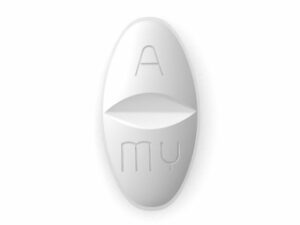
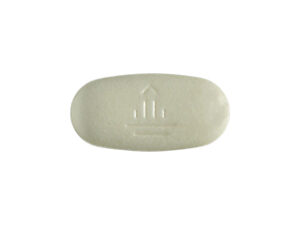
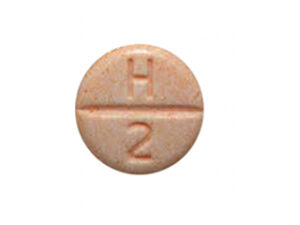
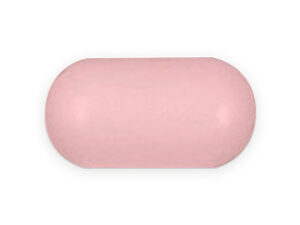
Loniten is supplied as tablets for oral use. The exact strength and dosing instructions depend on the condition being treated and your healthcare plan.
How does minoxidil work? (Mechanism of action)
Minoxidil’s main action is to cause vasodilation—relaxing blood vessels so blood can move more easily. After swallowing, minoxidil is metabolised in the body to an active compound that helps open blood vessels.
For hair growth, the medicine may also:
- Increase blood flow to the scalp, supporting hair follicle function
- Shift hair follicles into a growth phase (anagen) or prolong the growth phase
- Influence follicle cell activity through local biochemical pathways linked to vasodilation
Hair regrowth is gradual, and results depend on the underlying hair condition, dose, and individual response.
Pharmacokinetics: How the body processes minoxidil
Pharmacokinetics describes what the body does to a medicine—how it is absorbed, distributed, metabolised, and eliminated.
- Absorption: Minoxidil is absorbed after oral dosing.
- Distribution: It distributes throughout the body; effects on blood vessels can occur system-wide.
- Metabolism: Minoxidil is metabolised, producing an active metabolite that contributes to its effects.
- Elimination: Minoxidil and its metabolites are eliminated mainly through the kidneys.
Because minoxidil affects blood vessels, changes in heart rate, blood pressure, and fluid balance can occur, especially early in treatment.
Typical uses (Indications)
The appropriate use of minoxidil depends on the formulation and local clinical practice. In general, minoxidil may be used for:
- Hair loss (off-label in some settings): Minoxidil may be used to support hair growth in androgen-related hair loss patterns. Oral use may be considered when topical therapies are unsuitable or not effective.
- Certain blood pressure conditions (clinical use): Minoxidil may be used as an antihypertensive in particular cases where other options are not enough. This use requires close medical monitoring due to potential cardiovascular and fluid-related effects.
Important: Even when used for hair, oral minoxidil can cause systemic side effects. It is not a “topical only” product and should be approached with the same caution as other medicines that influence cardiovascular function.
Dose and timing: What patients typically need to know
Your required dose depends on the reason you are taking Loniten, your age, medical history, other medicines, and how you respond. Always follow the dosing plan provided with your medicine.
General dosing principles
- Start low and increase carefully: Oral minoxidil is often started at a conservative dose and adjusted based on tolerance and response.
- Take consistently: Take your dose at the same time(s) each day to maintain steady exposure.
- Do not change the dose on your own: Dose adjustments can change blood pressure, heart rate, and side effect risk.
When to expect results (especially for hair growth)
For hair growth support, timing is crucial. A typical expectation is:
- First signs: Many people notice early changes around 8–12 weeks.
- More visible results: Often between 3–6 months.
- Ongoing improvement: May continue to 6–12 months.
Shedding period: Some people experience increased shedding in the early phase of treatment as part of the hair growth cycle. This does not always mean the medicine is failing, but persistent worsening should be discussed promptly.
How to take Loniten safely (practical use tips)
- Swallow tablets whole with water unless your product instructions state otherwise.
- Stay hydrated and follow your clinician’s advice on fluid intake—fluid balance can be relevant for minoxidil users.
- Track side effects (e.g., swelling, palpitations, dizziness). Keeping notes helps your healthcare team adjust treatment if needed.
- Be consistent: missing doses can reduce effectiveness and make side effects harder to interpret.
- Check your scalp/hair pattern: observe progress and take photos at regular intervals (e.g., monthly) to track changes.
Food interactions and meal timing
Minoxidil absorption can be affected by timing with meals in some people, and individual product guidance should be followed. As a general approach:
- Take with or without food if your medicine instructions allow it.
- If you find that taking it with meals changes how you feel (e.g., dizziness), consider taking it consistently in the same way each day and discuss any concerns with a professional.
Practical tip: Choose a routine that is easy to maintain (e.g., after breakfast or at bedtime). Consistency often matters more than strict meal timing.
Alcohol interactions
Alcohol can increase the risk of dizziness or low blood pressure symptoms when combined with vasodilating medicines. While there is no one universal rule, caution is sensible:
- Avoid heavy drinking, especially when you are starting treatment or increasing dose.
- If you feel light-headed when drinking alcohol, stop and speak with a healthcare professional.
- Be cautious with medications that also cause sedation or lower blood pressure.
Medicine interactions (what to watch for)
Minoxidil can interact with other medicines—mainly through effects on blood pressure, heart rate, and fluid retention. Tell your healthcare professional and pharmacist about all medicines you take, including:
- Other blood pressure medicines (antihypertensives)
- Diuretics (“water tablets”)
- Medications that affect heart rate or rhythm
- Potassium levels or medicines that influence electrolytes
- Other vasodilators or medicines used for erectile dysfunction (which can also lower blood pressure)
Also important: Do not start or stop other medicines without advice. Some combinations may require monitoring and dose adjustments.
Safety profile: Side effects and when to seek help
Like all medicines, Loniten (minoxidil) can cause side effects. Many depend on dose and individual sensitivity.
Common side effects
- Headache
- Dizziness or light-headedness
- Fluid retention (swelling of ankles, feet, or hands)
- Increased heart rate (palpitations)
- Changes in hair growth including new fine hair on the face/body in some people
Less common but important effects
- Chest pain or shortness of breath
- Significant swelling or rapid weight gain (possible fluid overload)
- Severe dizziness/fainting (possible low blood pressure or other issues)
- Unexpected allergic reactions (rash, itching, swelling of face/lips, breathing difficulties)
When to seek urgent medical help
Get urgent help if you experience:
- Chest pain, severe shortness of breath, or fainting
- Major swelling with breathing difficulty
- Signs of severe allergic reaction (swelling of face/lips, trouble breathing)
- Fast, irregular heartbeat with dizziness or weakness
Who should take extra care?
Minoxidil requires careful consideration if you have:
- Heart disease, heart failure, or known arrhythmias
- Kidney problems
- Low blood pressure or a history of dizziness on standing
- Electrolyte imbalance
- Pregnancy or breastfeeding (discuss risks with a healthcare professional)
Monitoring and follow-up
Because oral minoxidil can influence the cardiovascular system and fluid balance, follow-up may include:
- Blood pressure checks
- Heart rate monitoring
- Assessment of swelling and fluid retention
- Blood tests if advised (e.g., kidney function and electrolytes)
Even if you feel fine, monitoring helps detect problems early—particularly during the first weeks of treatment or after dose changes.
Alternative options for hair loss
If your goal is hair growth, there are alternative therapies depending on the type and severity of hair loss. Common options include:
- Topical minoxidil (foam or solution): often used as a first-line option for androgen-related hair loss.
- Finasteride (for suitable individuals): a medicine that reduces hormonal drivers of androgen-related hair loss (availability and suitability vary).
- Low-level laser therapy devices: some people use them as adjunct therapy.
- Hair restoration procedures: e.g., hair transplant or other surgical options for selected cases.
- Scalp and hair care strategies: gentle handling, managing traction, and addressing underlying scalp conditions.
Choosing an alternative: The best option depends on your diagnosis, response to prior treatments, family history, and your tolerance for side effects.
Market and legal context for Australia (general information)
Australia regulates medicines through the Australian regulatory framework, including requirements around prescription status, scheduling, and supply. The availability of Loniten (minoxidil) may depend on product classification and local clinical practice.
For online pharmacy purchasing, items must be supplied in line with Australian laws and pharmacy standards. This includes ensuring appropriate patient screening and supply processes where required.
Availability may vary between brands, strengths, and formulations. Always select the correct product for your intended use.
Recent guidance and current best-practice points
While guidance can evolve, several consistent themes are widely emphasised for minoxidil use in hair loss contexts:
- Systemic risk matters: Oral minoxidil can affect heart rate and fluid balance, so careful assessment is important.
- Start low, titrate slowly: Gradual dose escalation may reduce side effects.
- Expect delayed results: Hair growth typically requires months, not weeks.
- Plan monitoring: Blood pressure, heart rate, and symptoms such as swelling should be monitored.
- Do not combine casually: Avoid adding other blood pressure–affecting medications or stimulants without checking compatibility.
If you are considering oral minoxidil, discuss your personal health history (especially cardiovascular and kidney conditions) with a clinician or pharmacist.
Delivery and availability (online pharmacy information)
Availability of Loniten may vary by supplier and strength. When ordering online, you can generally expect:
- Secure packaging to help protect tablets in transit.
- Tracking information where offered by the pharmacy.
- Dispatch timelines that may depend on stock levels and ordering cut-off times.
Tip: If you need ongoing treatment, consider ordering early enough to allow for delivery time and any prescription or supply review steps that may apply.
FAQ about Loniten (minoxidil)
1) Is Loniten the same as topical minoxidil?
No. Loniten is oral minoxidil (tablets). Topical minoxidil is applied to the scalp and may have a different side-effect profile because exposure is more local.
2) How long does it take to see results for hair growth?
Most people notice changes after 8–12 weeks, with clearer improvement typically between 3–6 months. Full outcomes may take 6–12 months.
3) Will minoxidil cause hair shedding at the beginning?
Some people experience increased shedding early in treatment as hair follicles shift through their growth cycle. This can be temporary, but significant or prolonged worsening should be discussed with a healthcare professional.
4) What side effects should I watch for most closely?
Because it is oral, pay special attention to dizziness, palpitations, and swelling. Seek urgent help for chest pain, fainting, severe shortness of breath, or signs of a serious allergic reaction.
5) Can I drink alcohol while taking Loniten?
Alcohol may worsen dizziness or low blood pressure symptoms. It’s best to avoid heavy drinking, especially when starting or adjusting dose. If you feel unwell, stop drinking and seek advice.
6) Can I take Loniten with food?
Many people can take minoxidil with or without food, but follow your medicine’s specific instructions. The most important factor is taking it consistently day to day.
7) What medicines can interact with minoxidil?
Medicines that affect blood pressure, heart rate, fluid balance, or electrolytes may interact. Examples include other antihypertensives and diuretics. Always provide a full list of medicines to your pharmacist.
8) What if I miss a dose?
Take the missed dose as soon as you remember if it’s close to your next dose. If it is near your next scheduled dose, skip the missed dose. Do not double to make up for it. If you’re unsure, ask your pharmacist.
9) Can I stop Loniten suddenly?
Stopping may reduce benefits over time. If you’re taking it for blood pressure or have experienced side effects, talk to a healthcare professional about how to discontinue safely.
10) Are there alternatives if oral minoxidil is not suitable?
Depending on your hair loss type and medical history, alternatives may include topical minoxidil, other approved hair-loss medicines, adjunct treatments, or procedural options.
Summary
Loniten (minoxidil) is an oral medicine that can support hair growth and may have other clinical uses in selected circumstances. It works by widening blood vessels and influencing hair follicle activity. Because oral minoxidil can affect the cardiovascular system and fluid balance, it requires careful use, realistic expectations for timing, and attention to side effects—particularly dizziness, palpitations, and swelling.
If you have questions about suitability, interactions, or monitoring, speak with a healthcare professional or pharmacist before starting or changing your dose.