
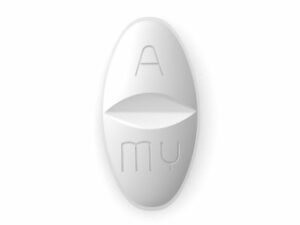
Lisinopril + Hydrochlorothiazide (HCTZ) Tablets — Patient Guide (Australia)
Lisinopril with hydrochlorothiazide is a combination medicine used to treat high blood pressure (hypertension) and, in some cases, fluid retention (oedema) related to certain heart conditions. It combines: lisinopril (an ACE inhibitor) and hydrochlorothiazide (a thiazide diuretic).
This guide explains how the medicine works, how it is usually taken, common precautions, interactions, and what to expect. Always follow the instructions given by your prescriber and the directions on the product label.
1) Basic product information
| Category | Details |
|---|---|
| Medicines | Lisinopril + Hydrochlorothiazide (HCTZ) combination |
| Drug classes | ACE inhibitor + thiazide diuretic |
| Common uses | Hypertension; may be used when additional blood pressure lowering is needed, and in selected fluid-related conditions |
| How it is taken | Usually once daily (some regimens vary) |
| Onset | Blood pressure lowering may begin within hours; full effect typically builds over weeks |
Combination strengths vary by brand/product. Your exact tablet strength (e.g., milligrams of lisinopril and HCTZ) determines the dose.
2) How it works (mechanism of action)
This medicine lowers blood pressure by using two complementary mechanisms:
- Lisinopril (ACE inhibitor): blocks the enzyme that helps produce angiotensin II, a substance that causes blood vessels to narrow. Lower angiotensin II helps blood vessels relax and widen, reducing blood pressure. It can also reduce strain on the heart.
- Hydrochlorothiazide (thiazide diuretic): helps your kidneys remove extra salt (sodium) and water, increasing urine output. Over time, this reduces blood volume and helps relax blood vessels, leading to further blood pressure lowering.
Together, they can provide stronger blood pressure control than either medicine alone in many people.
3) Pharmacokinetics (how the body handles the medicine)
Pharmacokinetics can vary between individuals (for example, depending on kidney function, age, and other medicines). The following is a general overview of expected behaviour in the body:
- Absorption: both components are absorbed after taking the tablet. Food may slightly affect absorption, but it is usually not necessary to avoid taking it with meals unless advised.
- Distribution: lisinopril distributes through the body and acts primarily by lowering the activity of the renin-angiotensin system. Hydrochlorothiazide acts mainly on the kidneys where it affects salt and water handling.
- Metabolism: lisinopril is largely excreted unchanged; hydrochlorothiazide is also cleared largely by the kidneys.
- Elimination: kidney function plays an important role. Dose adjustments may be needed in people with reduced kidney function.
- Half-life / duration: the effects last long enough for once-daily dosing in many regimens, but the exact timing of effect can differ.
Your clinician may monitor blood tests (kidney function and electrolytes such as potassium and sodium) regularly, particularly after starting or changing dose.
4) Typical uses
Lisinopril with hydrochlorothiazide is commonly used to:
- Treat high blood pressure (hypertension) when a single medicine is not enough or combination therapy is appropriate.
- Manage fluid retention in selected situations as part of a broader treatment plan where a doctor considers diuretic therapy suitable.
The exact “why” in your situation depends on your medical history and the goals of therapy. Your prescriber will tailor the plan to you.
5) When to take it (timing and how to take)
Many people take lisinopril + hydrochlorothiazide once daily. Use your label instructions as the source of truth.
- Choose a consistent time: taking it at the same time each day helps maintain steady blood levels and improves adherence.
- Morning dosing is often preferred: because hydrochlorothiazide increases urine production, taking it in the morning can reduce the chance of needing the bathroom overnight.
- If you miss a dose: take it when you remember on the same day if it is still reasonably close to your usual time. If it is nearly time for the next dose, skip the missed dose. Do not take a double dose to “catch up.”
- Do not stop suddenly: blood pressure may rise if the medicine is stopped. If you need to stop, discuss this with your healthcare professional.
If you are also prescribed other blood pressure medicines, follow your schedule carefully. Combining multiple medicines may change the timing and risk of low blood pressure.
6) Food interactions (and what to watch for)
Food is not usually a major issue with lisinopril + hydrochlorothiazide, and it can typically be taken with or without food. However, consider these practical points:
- Salt (sodium) intake: a high-salt diet can reduce the effectiveness of antihypertensive therapy. Reducing added salt may help blood pressure control.
- Grapefruit / citrus: unlike some other medicines, grapefruit is not a common key interaction for lisinopril or hydrochlorothiazide, but always check your specific product and pharmacist advice for completeness.
- Hydration: keep drinking fluids normally unless you have been advised to restrict fluids. Over-restriction can increase risk of dehydration and dizziness.
If you have diabetes, kidney disease, or heart failure, your diet may need additional attention (including monitoring salt and potassium).
7) Alcohol interactions and safety
Alcohol can increase the risk of dizziness or light-headedness when taking blood pressure medicines. It may also worsen dehydration, which can be relevant because hydrochlorothiazide increases urination.
- Avoid or limit alcohol until you know how your body reacts.
- Be careful if you stand up quickly after drinking, especially during the first days after starting or after dose changes.
If you have liver disease, heart failure, or are taking other medicines that affect blood pressure or sedation, ask your pharmacist or doctor for personalised guidance.
8) Medicine interactions (important)
Interactions depend on your personal medication list, dose, and kidney function. Below are key interaction categories to discuss with a pharmacist or doctor:
8.1 Medicines that may increase potassium (hyperkalaemia risk)
Lisinopril can increase potassium levels. Combining it with other potassium-raising agents may increase risk of high potassium, which can be dangerous.
- Potassium supplements
- Potassium-containing salt substitutes
- Some “potassium-sparing” diuretics (e.g., spironolactone, eplerenone, amiloride, triamterene)
8.2 Non-steroidal anti-inflammatory drugs (NSAIDs)
Regular use of NSAIDs (such as ibuprofen, naproxen, diclofenac) can reduce kidney protection and may affect blood pressure control. In some people, especially with dehydration or kidney issues, NSAIDs can increase the risk of kidney problems when combined with ACE inhibitors and diuretics.
- Use NSAIDs cautiously and discuss with a pharmacist if you need them regularly.
- Seek advice sooner if you have reduced kidney function.
8.3 Lithium
ACE inhibitors and diuretics can increase lithium levels, raising toxicity risk. If you use lithium, you’ll need close monitoring and prescriber guidance.
8.4 Other blood pressure medicines
Combining with other antihypertensives may increase the risk of low blood pressure or dizziness, especially when starting therapy. This can be managed with careful dose titration.
8.5 Diabetes medicines
Hydrochlorothiazide can sometimes raise blood glucose, which may affect diabetes control. Lisinopril may lower blood glucose slightly in some people. This combination can require monitoring of blood sugar levels in people with diabetes.
8.6 Gout medicines and uric acid effects
Thiazide diuretics can raise uric acid, potentially triggering gout in susceptible people. If you have a history of gout, mention it to your prescriber.
8.7 Steroids, laxatives, and potassium-lowering agents
Hydrochlorothiazide can lower potassium and sodium. Medicines that also lower potassium (like some laxatives or corticosteroids) may increase risk of electrolyte imbalance.
8.8 Summary of “tell your pharmacist” medicines
- NSAIDs (pain relief) used frequently
- Potassium supplements or potassium salt substitutes
- Spironolactone/eplerenone or other potassium-sparing diuretics
- Lithium
- Diabetes medicines
- Other blood pressure medicines
- Medicines for gout
If you’re unsure, bring your medicine list (including vitamins and herbal products) to your pharmacist.
9) Indications (who it is for)
In Australia, medicines containing lisinopril and hydrochlorothiazide are used for conditions where lowering blood pressure is needed. Your clinician may consider combination therapy when:
- Blood pressure is not controlled with a single agent, or
- Combination therapy is considered beneficial from the start due to your overall cardiovascular risk and treatment goals, or
- Diuretic effect is helpful for fluid-related symptoms under appropriate clinical circumstances.
The specific indication and suitability depend on your blood pressure readings, kidney function, electrolytes, and other medical conditions.
10) Dosing (general information)
Dosing is individual. Your tablet strength and your medical situation (including kidney function and blood test results) determine the dose. Always follow your label and prescriber instructions.
- Common regimen: once daily in many adults.
- Starting dose: may be lower if you are at higher risk of low blood pressure, dehydration, or kidney-related side effects.
- Adjustments: your clinician may adjust dose based on blood pressure response and laboratory results (especially creatinine/eGFR and potassium).
- Kidney impairment: you may need careful monitoring and possible dose adjustment.
- Older adults: may be more sensitive to blood pressure changes and electrolyte shifts; monitoring is important.
If you experience dizziness, fainting, muscle cramps, or unusual weakness, contact a healthcare professional promptly. These can be signs of low blood pressure or electrolyte imbalance.
11) Safety profile and side effects
Most people tolerate lisinopril + hydrochlorothiazide well, but like all medicines it can cause side effects. Some effects are mild and improve with time; others require urgent attention.
11.1 Common side effects
- Dizziness or light-headedness (especially when standing up)
- Cough (more typical of ACE inhibitors like lisinopril)
- Increased urination (often after the first doses)
- Headache
- Fatigue
- Muscle cramps or mild electrolyte changes
11.2 Less common but important effects
- High potassium (hyperkalaemia) — may be detected by blood tests
- Low potassium (hypokalaemia) — can occur with thiazide diuretics; also monitored by blood tests
- Changes in kidney function (especially after starting or during dehydration/illness)
- Changes in blood sugar in some people with diabetes
- Dehydration if fluid intake is inadequate or during illness
11.3 Seek urgent medical attention if
- Swelling of the face, lips, tongue, or throat or difficulty breathing (could indicate angioedema). This is a rare but serious emergency associated with ACE inhibitors.
- Severe dizziness or fainting
- Chest pain, severe shortness of breath, or sudden weakness on one side of the body
- Signs of severe electrolyte imbalance: persistent vomiting, confusion, marked muscle weakness, or palpitations
11.4 Pregnancy warning
ACE inhibitors are generally not used in pregnancy due to risk to the unborn baby. If you are pregnant, planning pregnancy, or could become pregnant, discuss safe alternatives with your doctor urgently.
12) Practical use tips (to get the best results)
- Monitor blood pressure at home if advised. Keep a log to share with your clinician.
- Be careful with position changes (sit then stand slowly), especially during the first few days or after dose increases.
- Stay consistent with daily timing to reduce peaks and troughs of blood pressure.
- Attend blood test monitoring: kidney function and electrolytes are important, particularly potassium.
- Manage dehydration risk: if you have vomiting/diarrhoea, fever, or poor intake, you may become dehydrated. Contact your doctor for advice—sometimes medicines may be temporarily adjusted.
- Watch for muscle cramps and unusual weakness that may signal electrolyte problems.
- Tell your healthcare team about all medicines you take, including over-the-counter pain relief and supplements.
13) Alcohol and day-to-day lifestyle considerations
- Limit alcohol to reduce dizziness and dehydration.
- Be cautious with heat (e.g., hot weather or saunas) because diuretics can increase fluid loss.
- Consider hydration on hot days, unless you’ve been told to restrict fluids for medical reasons.
14) Alternative options
Alternatives depend on your diagnosis, current blood pressure readings, kidney function, electrolytes, and tolerance. Common alternative strategies include:
14.1 Different combinations
- ACE inhibitor + different diuretic (e.g., combinations using other diuretic options)
- ARB + thiazide diuretic if ACE inhibitor cough occurs or if another ACE inhibitor is not suitable
- Calcium-channel blocker-based regimens in selected patients
14.2 Switching if side effects occur
If you develop persistent bothersome cough (typical of ACE inhibitors), your clinician may consider switching to an ARB (angiotensin receptor blocker) rather than an ACE inhibitor, because ARBs often have a lower cough rate.
Do not change or stop your medicine without medical advice.
15) Market and legal context for Australia
Medicines in Australia are supplied under the Australian regulatory framework administered by the Therapeutic Goods Administration (TGA). Availability and packaging requirements are set according to medicine scheduling and product classification.
Blood pressure medicines such as this are commonly used long term and may be supplied with pharmacist support to help you understand correct use, interactions, and monitoring.
For the most accurate product and current regulatory details (such as listing status, consumer medicine information, and approved indications), refer to the product’s official documentation and speak with a healthcare professional.
16) Recent guidance and monitoring considerations
Clinical guidance for hypertension management emphasises:
- Individualised therapy based on cardiovascular risk and comorbidities
- Regular monitoring of blood pressure and laboratory tests where relevant (especially kidney function and electrolytes)
- Managing lifestyle factors such as diet, exercise, salt reduction, and smoking cessation
- Medication adherence and safe use during illness (for example, recognising dehydration risk)
Your clinician may schedule follow-up reviews after starting treatment or after any dose change to confirm effectiveness and safety.
17) Delivery and availability (Australia)
Availability can vary by brand, strength, and supply. When ordering online, you may be able to choose delivery options such as standard or express, depending on location.
- Check stock and strength before confirming your order (some products come in multiple strengths).
- Packaging: medicines are typically delivered in sealed packaging to protect product quality.
- Cold chain: this type of tablet usually does not require cold storage, but follow label instructions.
- Delivery timeframe: depends on courier service and local distribution.
If you have questions about availability, alternative strengths, or delivery to your area, consult the pharmacy’s support team before placing an order.
18) FAQ (Frequently asked questions)
Is lisinopril + hydrochlorothiazide a “water tablet”?
Yes. Hydrochlorothiazide is a diuretic that increases urine output, especially early in treatment. Many people prefer morning dosing to avoid nighttime bathroom trips.
How long does it take to work?
Blood pressure may start to improve within hours to days, but the full effect is often reached over several weeks. If you’re monitoring at home, focus on trends rather than a single reading.
Will I need blood tests?
Often, yes—especially after starting, increasing, or during illness/dehydration risk. Blood tests check kidney function and electrolytes (including potassium and sodium).
Can I take it with food?
Usually yes. Many people take it with meals or on an empty stomach. If your prescriber or label advises a specific approach, follow that advice.
What should I do if I feel dizzy after taking my tablet?
Sit or lie down until you feel better. Rise slowly from sitting/lying positions. If dizziness is persistent, severe, or you faint, seek medical advice promptly. Low blood pressure can occur, especially early in treatment or after dose changes.
Does it cause a cough?
A dry, persistent cough can occur with ACE inhibitors like lisinopril. If the cough is bothersome or ongoing, talk to your pharmacist or doctor—there may be alternative treatment options.
Can I drink alcohol while taking this medicine?
Alcohol can increase dizziness and dehydration risk. Limit alcohol and avoid excessive intake, particularly when you are new to the medicine or adjusting dose.
What if I have vomiting or diarrhoea?
Vomiting/diarrhoea can cause dehydration and increase the risk of kidney-related side effects with ACE inhibitors and diuretics. Contact your healthcare professional for guidance on what to do during illness.
Are there foods I should avoid?
There are no strict “banned foods,” but high salt intake can reduce blood pressure control. If you have kidney disease or are told to manage potassium, follow any dietary advice provided by your clinician or dietitian.
What are signs of a serious allergic reaction?
Seek urgent care if you develop swelling of the face, lips, tongue, or throat, or difficulty breathing. This can be a rare but serious reaction (angioedema) associated with ACE inhibitors.
Can I take pain relief like ibuprofen?
You should use NSAIDs cautiously. If you need pain relief frequently, ask a pharmacist which options are safer for you and whether monitoring is needed.
19) Key takeaways
- Lisinopril + hydrochlorothiazide combines an ACE inhibitor with a diuretic to lower blood pressure.
- Take it regularly at a consistent time—morning dosing is often preferred due to diuretic effects.
- Monitor safety through follow-up blood tests for kidney function and electrolytes.
- Watch for warning signs such as swelling, severe dizziness, fainting, or significant weakness.
- Manage interactions—tell your pharmacist about all medicines (including OTC pain relief and supplements).
This information is provided to help you understand how the medicine works and how to use it safely. It does not replace personalised advice. If you have questions about your specific tablet strength, dosing schedule, or monitoring plan, speak with a pharmacist or doctor.