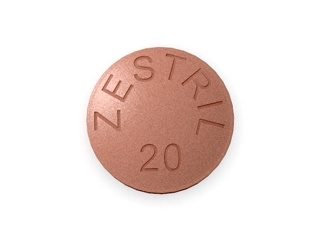


Zestril (Lisinopril) – Patient Information (Australia)
Zestril is the brand name of lisinopril, an ACE inhibitor medicine used to treat several cardiovascular conditions. This guide is designed to be patient-friendly and to help you understand how Zestril works, how to take it, what interactions to be aware of, and when to seek medical advice.
Important: Always follow your prescriber’s instructions and the product label. If you have questions about your specific situation, speak with a pharmacist or doctor.
Basic Product Information
- Medicine name: Zestril
- Active ingredient: Lisinopril
- Medicine class: ACE inhibitor (Angiotensin Converting Enzyme inhibitor)
- Common strengths: Available in tablet strengths depending on the Australian market and supplier (e.g., 2.5 mg, 5 mg, 10 mg, 20 mg, 30 mg, 40 mg). Your pharmacist can confirm the exact available strengths.
- How it’s supplied: Oral tablets.
- Who it’s for: Adults (and in some cases specific paediatric settings under clinical guidance) with appropriate cardiovascular or renal indications.
How Zestril Works (Mechanism of Action)
Lisinopril belongs to the ACE inhibitor class. It lowers levels of angiotensin II, a substance that normally causes blood vessels to tighten (constrict) and increases blood pressure.
By inhibiting ACE (angiotensin-converting enzyme), lisinopril:
- Relaxes and widens blood vessels, reducing resistance against which the heart pumps.
- Decreases blood pressure and improves blood flow.
- Reduces stress on the heart in conditions such as heart failure.
- Helps protect the kidneys in some people, particularly where diabetes or kidney disease is involved.
Unlike some blood pressure medicines, ACE inhibitors can be particularly beneficial for people with heart failure and certain kidney conditions.
Pharmacokinetics (How the Body Handles Lisinopril)
Pharmacokinetics describes absorption, distribution, metabolism, and elimination.
- Absorption: Lisinopril is absorbed after oral dosing. Food may affect absorption slightly, but it is generally acceptable to take it with or without food (see “Food interactions” below).
- Time to peak effect: Peak blood levels typically occur within a few hours after taking a dose (commonly around 6–8 hours, though individual variation exists).
- Onset of action: Blood pressure improvements may start within days, with fuller benefit often taking several weeks.
- Distribution: It distributes into body tissues and works by ACE inhibition in relevant systems.
- Metabolism: Lisinopril is not extensively metabolised by the liver.
- Elimination: It is cleared primarily through the kidneys. Dose adjustments may be needed for reduced kidney function.
- Half-life: The elimination half-life supports once-daily dosing for many patients.
Practical note: Because kidney function influences clearance, clinicians monitor creatinine/eGFR and potassium during treatment.
Typical Use (What Zestril Is Commonly Prescribed For)
Zestril may be used for several conditions. Indications can vary depending on individual factors and local guidance.
Indications (Common Clinical Uses)
- Hypertension (high blood pressure): To lower blood pressure and reduce cardiovascular risk.
- Heart failure: To improve symptoms and reduce hospitalisation risk in selected patients, often in combination with other heart-failure medicines.
- After a myocardial infarction (heart attack): To support cardiovascular outcomes in appropriate patients.
- Diabetic kidney disease or proteinuric kidney disease: To help slow progression in some patients, particularly when diabetes and/or albumin in urine is present.
Not all uses apply to everyone. Your doctor will decide based on your health history, blood tests, and treatment goals.
When to Take It (Timing and Missed Dose)
Typical dosing schedule: Many people take Zestril once daily. Your prescriber may adjust timing and dose depending on your response and blood test results.
Best time of day
- Choose a consistent time: Taking it at the same time each day can help you remember.
- Morning or evening: Either is acceptable for most people. If you feel light-headed after dosing, your clinician may recommend taking it at a different time.
Taking with food
Food interactions are discussed below. In general, Zestril tablets can be taken with or without food—follow your label or pharmacist advice.
Missed dose
- If you miss a dose, take it when you remember on the same day.
- If it’s close to your next dose, skip the missed dose and continue with your usual schedule.
- Do not double up to make up for a missed dose unless instructed by a clinician.
Food Interactions
Food effects on lisinopril can be modest. Many patients can take Zestril with meals without major issues.
- General rule: Take it consistently in relation to meals (with or without food), if possible.
- High-salt meals: A very salty meal may worsen blood pressure control temporarily. Reducing overall salt intake often improves results.
- Hydration matters: Dehydration can increase the risk of low blood pressure and kidney-related side effects. Ensure adequate fluid intake unless you have fluid restrictions.
Alcohol and Medicine Interactions
Alcohol: Alcohol can enhance the blood-pressure-lowering effect of Zestril. This may increase the chance of dizziness, fainting, or falls—especially at the start of treatment or after dose changes.
- If you drink alcohol, consider limiting intake and avoid sudden large amounts.
- Be cautious when standing up, particularly after drinking.
Medicine interactions: Several medicines can interact with ACE inhibitors. Always review your current medicines and supplements with a pharmacist.
Notable interaction groups
- Potassium supplements and potassium-containing salt substitutes: Increased risk of high potassium (hyperkalaemia), which can affect heart rhythm.
- Potassium-sparing diuretics: Examples include spironolactone and eplerenone. May be appropriate in heart failure, but requires monitoring.
- Diuretics (“water tablets”): Can increase risk of low blood pressure and kidney effects when combined, especially if dehydrated.
- NSAIDs (non-steroidal anti-inflammatory drugs): Examples include ibuprofen, naproxen, and diclofenac. With ACE inhibitors, NSAIDs may reduce kidney function and increase potassium levels, particularly with regular or high-dose use.
- Other blood pressure medicines: Combined effects can lower blood pressure further. This is sometimes intended, but may require dose adjustments.
- Medicines that affect the renin-angiotensin system: Combining ACE inhibitors with certain other agents can increase kidney risk and potassium levels. Do not combine ACE inhibitors with ARB therapy unless specifically directed by a clinician.
- Diabetes medicines: ACE inhibitors may change blood sugar control in some people. Monitoring may be helpful.
- Lithium: ACE inhibitors can increase lithium levels and toxicity risk—this requires close monitoring or alternative therapy.
- Trimethoprim (some antibiotics): May increase potassium levels.
Herbal supplements: Some products (for example, licorice-containing remedies) may affect potassium or blood pressure. Tell your pharmacist about any supplements you use.
Dosing (Typical Adult Use and Principles)
Dose must be individualised. The “right dose” depends on the condition being treated, your kidney function (eGFR/creatinine), blood potassium, age, and whether you’re taking diuretics or other medicines that affect blood pressure.
General dosing principles:
- Start low, go slow: Many patients start with a lower dose, especially if kidney function is reduced or if they are at risk of low blood pressure.
- Titration: Dose increases may be made every 1–2+ weeks depending on blood pressure and lab results.
- Monitoring: Kidney function and potassium are checked after initiation and after dose changes.
Example dosing ranges (for reference)
The ranges below are commonly used in clinical practice. Your actual regimen may differ.
| Condition (examples) | Typical starting approach | Typical maintenance range | Notes |
|---|---|---|---|
| Hypertension | Low starting dose once daily | Often 10–40 mg once daily | Titrated based on BP response and lab monitoring |
| Heart failure | Very low starting dose | Often 2.5–35 mg once daily | Extra caution for blood pressure and kidney function |
| Post–heart attack (selected patients) | Low dose regimen initiated after stabilisation | Often up to 10–20 mg once daily | May depend on stability, BP, and kidney function |
| Diabetic or proteinuric kidney disease | Low dose once daily | Often 10–40 mg once daily | Aim to reduce progression; monitoring essential |
Kidney impairment: Because lisinopril is cleared by the kidneys, clinicians may use lower doses or adjust timing. If your kidney function is reduced, you may need more frequent blood tests.
Do not change your dose: If you experience side effects or your blood pressure changes, contact your pharmacist or doctor before adjusting dose.
Safety Profile (Common Side Effects and Serious Risks)
Most people tolerate lisinopril well, but like all medicines it can cause side effects. Some effects are mild and improve over time; others require prompt medical attention.
Common side effects
- Dry cough: A classic ACE inhibitor side effect; it can start days to weeks after initiation.
- Dizziness or light-headedness: Often due to lowered blood pressure, especially when standing.
- Headache
- Fatigue
- Nausea or mild stomach upset in some people
Less common but important side effects
- High potassium (hyperkalaemia): Can be symptom-free or cause weakness or palpitations. Blood tests monitor this risk.
- Kidney function changes: Creatinine/eGFR may change, especially early in treatment or after dose adjustments.
- Low blood pressure (hypotension): Particularly in those with dehydration, diuretic use, or low baseline BP.
- Rash or itching
Seek urgent medical help if you notice
- Swelling of the face, lips, tongue, or throat or difficulty breathing (possible angioedema).
- Severe dizziness or fainting.
- Signs of severe allergic reaction.
- Very low urine output or sudden worsening of kidney-related symptoms.
Pregnancy warning: ACE inhibitors like lisinopril are generally avoided during pregnancy due to potential harm to the developing foetus. If pregnancy is possible or you become pregnant, contact a clinician promptly.
Practical Use Tips (Getting the Best Results Safely)
- Have a blood test plan: Your doctor/pharmacist will advise when to check kidney function and potassium. Attend these appointments.
- Stand up slowly: This reduces dizziness risk. Sit for a moment before standing if you feel light-headed.
- Stay hydrated unless restricted: Avoid dehydration (for example, through vomiting/diarrhoea) unless you have been given fluid limits.
- Don’t use salt substitutes casually: Many contain potassium. Ask your pharmacist first.
- Be cautious with “over-the-counter” pain relief: Frequent NSAID use can increase kidney risk when combined with ACE inhibitors.
- Track your blood pressure: Home monitoring can help identify how well the medicine is working and whether you are having low BP.
- Report a persistent cough: If the cough is troublesome, ask about options. Some people switch to an alternative class.
Alternative Options (Discuss With Your Pharmacist or Doctor)
If Zestril is not suitable or not tolerated, clinicians may consider other medicines. Options depend on the condition being treated and your medical history.
Common alternatives
- ARB medicines (Angiotensin Receptor Blockers): Often considered if cough occurs with ACE inhibitors.
- Calcium channel blockers: Used for hypertension; may be appropriate in certain patients.
- Thiazide-type diuretics: Sometimes added or substituted depending on BP goals and fluid status.
- Beta-blockers: Common in heart disease and some heart failure regimens.
- Mineralocorticoid receptor antagonists: In selected heart failure cases under close monitoring.
Important: Do not switch between ACE inhibitors and other renin-angiotensin medicines without medical guidance, because the risk of potassium and kidney effects can change.
Market and Legal Context for Australia
In Australia, medicines are supplied under the national medicines framework, and access can depend on the classification of the product and the requirements for dispensing.
- Quality and regulation: Zestril (lisinopril) tablets are regulated through Australian health authorities, with standards for manufacturing, labelling, and pharmacy supply.
- Pharmacy supply: ACE inhibitors are prescription medicines in Australia. Online pharmacy suppliers typically require appropriate patient information and verification steps to comply with Australian requirements.
- Safety monitoring: Because kidney function and potassium may be affected, clinicians commonly schedule blood tests—particularly after starting or increasing dose.
Recent guidance (general themes): For ACE inhibitors, Australian practice typically emphasises kidney and potassium monitoring, awareness of ACE-inhibitor cough and angioedema risk, careful dosing in kidney impairment, and avoidance during pregnancy.
Delivery and Availability (Online Pharmacy Information)
Zestril (lisinopril) may be available through Australian pharmacies and licensed online pharmacy services. Availability can vary by strength and pack size.
What to expect
- Checking stock: Online pharmacies may confirm the strength and quantity before dispatch.
- Packaging: Medicines are typically dispatched in secure, weather-protected packaging.
- Delivery times: Delivery depends on your location and the pharmacy’s courier arrangements.
- Substitution: If a specific brand is not available, pharmacies may offer an appropriate equivalent only where permitted and appropriate, based on your needs and legal requirements.
Advice for faster delivery: Ensure your address details are correct and keep an eye on your tracking updates if provided.
FAQ (Frequently Asked Questions)
1) Is Zestril the same as lisinopril?
Yes. Zestril is the brand name that contains the active ingredient lisinopril. Other brands or generics may contain the same active ingredient.
2) How long does it take to work?
Some blood pressure lowering may begin within days. Full benefits for long-term cardiovascular protection and kidney-related outcomes often take several weeks. Continue taking it as directed even if you feel well.
3) Will I need blood tests?
Often, yes. Clinicians typically monitor kidney function (creatinine/eGFR) and potassium, especially after starting, after dose increases, and periodically thereafter.
4) What should I do if I get a dry cough?
A dry cough is a known ACE inhibitor side effect. If it is persistent or bothersome, contact your pharmacist or doctor. They may suggest dose adjustments or switching to another medicine class.
5) Can I take Zestril with food?
In most cases, yes—Zestril can be taken with or without food. If a particular approach helps you remember your dose, keep it consistent.
6) Is it safe to drink alcohol while taking Zestril?
Alcohol may increase the chance of dizziness or low blood pressure. If you choose to drink, use caution, avoid binge drinking, and stand up slowly.
7) Can I take ibuprofen or other pain relief?
Occasional use may be possible, but frequent NSAID use (such as ibuprofen, naproxen, or diclofenac) can increase kidney-related risks and affect potassium when combined with ACE inhibitors. Check with your pharmacist, especially if you need pain relief regularly.
8) What happens if I miss a dose?
Take it when you remember on the same day. If it is near your next scheduled dose, skip the missed dose and continue as usual. Do not double the dose.
9) Who should be extra careful with Zestril?
Extra caution is often needed if you have reduced kidney function, high potassium, dehydration, are taking diuretics, have a history of angioedema, or are on medicines that affect potassium or kidney function.
10) When should I seek urgent help?
Seek urgent medical attention if you develop swelling of the face/lips/tongue/throat, trouble breathing, severe dizziness/fainting, or signs of a severe allergic reaction.
Summary
Zestril (lisinopril) is an ACE inhibitor commonly used in Australia to treat high blood pressure, heart failure, and certain forms of kidney disease. It works by relaxing blood vessels and lowering harmful pathways linked to blood pressure and heart/kidney strain. Its effectiveness typically builds over time, while safe use relies on appropriate dosing and regular monitoring of kidney function and potassium.
If you have questions about how Zestril fits your medicines or how to manage side effects, speak with a pharmacist or doctor. They can provide advice tailored to your health needs.