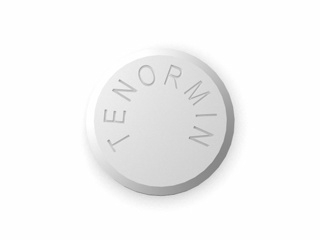
Tenormin (Atenolol) — Patient Information (Australia)
Tenormin is a medicine containing atenolol, a type of drug known as a beta-blocker. It is used to help the heart work more efficiently and, for some conditions, to reduce symptoms such as fast heart rate and chest discomfort.
This page provides comprehensive, patient-friendly information about Tenormin (atenolol), including how it works, typical uses, timing, food and alcohol interactions, safety, and practical tips. It also includes Australia-specific context and a set of frequently asked questions.
Basic product information
- Brand name: Tenormin
- Generic name: Atenolol
- Drug class: Beta-1 selective beta-blocker
- Common strengths: Available in various strengths depending on the product (your pharmacist or packaging can confirm exact strength)
- Form: Tablets
- Who it suits: People who need heart rate and blood pressure control, and selected cardiac conditions (as determined by a clinician)
Note: Always use the exact product and strength prescribed for you, and follow your dosing instructions carefully.
How Tenormin works (mechanism of action)
Atenolol belongs to the beta-blocker group. It primarily blocks beta-1 adrenergic receptors in the heart. This leads to:
- Slower heart rate (reduced speed of the heart’s electrical activity)
- Lower force of heart contraction, which can reduce strain on the heart
- Reduced workload on the heart, helping symptoms in conditions like angina
- Lower blood pressure in many people with hypertension
Because atenolol is more selective for the heart (beta-1) than some other beta-blockers, it may be better tolerated by some people who have certain breathing conditions—however, caution is still required, and individual suitability varies.
Pharmacokinetics (how the body handles atenolol)
Pharmacokinetics describes what the body does to the medicine—how it is absorbed, distributed, metabolised, and eliminated.
| Aspect | What to expect (general) |
|---|---|
| Absorption | Atenolol is absorbed from the gastrointestinal tract. Food may slightly affect absorption, but the overall effect is usually not clinically major for most people. |
| Distribution | It distributes into body tissues, with effects mainly related to the cardiovascular system. |
| Metabolism | Atenolol is relatively minimally metabolised in the liver compared with some other beta-blockers. |
| Elimination | Primarily excreted by the kidneys. Kidney function therefore plays an important role in dosing and safety. |
| Half-life | Often described as approximately 6–7 hours in adults, which supports once-daily use for many patients. |
Kidney health matters: Because atenolol is largely cleared by the kidneys, people with impaired kidney function may require dose adjustments and closer monitoring.
Typical use in Australia
Tenormin is used for cardiovascular conditions where slowing the heart rate and reducing cardiac workload can help. Common reasons include:
- High blood pressure (hypertension)
- Angina pectoris (chest pain due to reduced blood flow to the heart)
- Heart rhythm or rate control in selected cases (as advised by a clinician)
- After a heart attack in some treatment plans (depending on your overall condition)
Your exact intended use depends on your medical history, other medicines, and how well the medication is controlling symptoms and measurements.
Indications (when doctors may recommend it)
In practice, atenolol is commonly considered for:
- Hypertension (to lower blood pressure and reduce cardiovascular risk)
- Angina (to reduce frequency/severity of chest pain episodes)
- Rate control for certain fast heart rhythms
- Heart-related protection in appropriate patients after myocardial infarction, as part of a broader plan
Important: The decision to use Tenormin should be based on a careful benefit–risk assessment, especially if you have asthma/COPD, diabetes, poor circulation, or certain heart conduction problems.
Timing & how to take Tenormin
Follow your dosing instructions exactly. Many people take atenolol once daily, but some regimens may be split depending on your condition and the strength used.
General timing guidance
- Once-daily dosing: Choose a time you can remember consistently (e.g., morning).
- Missed dose: If you miss a dose, take it when you remember if it is close to the next scheduled dose. If it is nearly time for your next dose, skip the missed dose. Do not double up.
- Consistency: Taking it at the same time each day helps maintain steady blood levels.
Stopping suddenly
Do not stop Tenormin abruptly unless a clinician advises it. Sudden cessation can cause rebound effects such as increased heart rate, raised blood pressure, or worsening angina in some people. Dose reductions are typically done gradually.
Food interactions
Food can influence how quickly atenolol is absorbed, but it generally does not drastically change the overall effect for most patients.
- Can I take it with food? Yes—many people find it easier on the stomach to take tablets with or after a meal.
- Absorption: If your doctor/pharmacist has not specified, you can usually take it the same way each day (with or without food).
- Consistency is key: If you choose to take it with food, try to continue that pattern.
If you notice changes in dizziness, fatigue, or heart rate after dietary changes, speak with a pharmacist or clinician for advice.
Alcohol interactions
Alcohol may increase the chance of side effects such as dizziness, light-headedness, and low blood pressure, especially when starting treatment or increasing the dose.
- Moderation is recommended: If you choose to drink, do so in moderation.
- Avoid binge drinking: Higher alcohol intake can make blood pressure and balance problems more likely.
- Watch for symptoms: If you feel faint, very drowsy, or notice a much slower pulse, seek medical advice.
If you have liver disease or are on other medicines that affect blood pressure, discuss alcohol use with your healthcare professional.
Medicine interactions (important)
Tenormin can interact with other medicines. Some interactions may be clinically helpful, while others can increase side effects or require monitoring.
Common interaction categories
- Other blood pressure or heart medicines: Combining with other agents that lower blood pressure may increase the likelihood of low blood pressure.
- Calcium channel blockers (non-dihydropyridines): Examples include verapamil and diltiazem. Together they can more strongly affect heart rate and conduction.
- Antiarrhythmics: Some medicines used for rhythm problems can increase the risk of very slow heart rate or conduction issues.
- Diabetes medicines (including insulin): Beta-blockers can mask some warning signs of low blood sugar (such as rapid heartbeat). The tremor may still occur, but the “adrenaline” signal may be less noticeable.
- Other drugs that slow the heart: Increased risk of bradycardia (slow pulse).
- Medicines that affect the kidneys: Because atenolol is cleared by the kidneys, kidney-related changes may affect medicine levels.
- Non-steroidal anti-inflammatory drugs (NSAIDs): In some people, frequent or higher-dose NSAID use may reduce blood pressure-lowering effects and affect kidney function.
Herbal and supplement considerations
- Herbal products that influence blood pressure or heart rate (e.g., some “heart” or “circulation” supplements) may also interact.
- Always tell your pharmacist about all medicines, vitamins, and supplements you take, including “natural” products.
Seek urgent help if you experience fainting, severe dizziness, trouble breathing, chest pain, or symptoms of a very slow pulse.
Dosing (what patients commonly need to know)
Dose schedules vary by condition, age, and kidney function. Only your clinician/pharmacist can determine the correct dose for you. The information below is general.
Typical dosing patterns
- Hypertension: Often started at a low dose and adjusted based on blood pressure response and tolerability.
- Angina: Dosing may be tailored to symptom control and heart rate targets.
- After heart attack or for rhythm control: Regimens may vary and may be combined with other standard therapies.
Kidney impairment
Because atenolol is primarily eliminated through the kidneys, people with reduced kidney function may need lower doses or longer intervals between doses. Monitoring is important to prevent an excessive heart-rate-lowering effect.
Missed dose (reminder)
If you miss a dose, do not take extra tablets to “catch up.” Instead, follow the missed-dose advice provided by your pharmacist and continue your regular schedule.
Safety profile & side effects
Like all medicines, Tenormin can cause side effects. Many people tolerate atenolol well, but some experience unwanted effects—particularly at the beginning of therapy or after dose changes.
Common side effects
- Fatigue or tiredness
- Dizziness, especially when standing up
- Slow heart rate (bradycardia)
- Cold hands and feet
- Sleep disturbances (sometimes)
- Shortness of breath may occur in susceptible individuals
Less common but important side effects
- Low blood pressure
- Worsening of angina symptoms if the dose is wrong or if the medication is stopped abruptly
- Conduction problems (e.g., certain heart block patterns) — especially if combined with other rate-slowing medicines
- Sexual dysfunction (reported by some patients)
When to seek urgent medical help
Get urgent medical assistance if you develop:
- Fainting or severe dizziness
- Chest pain that is severe, new, or worsening
- Severe shortness of breath or wheezing
- Very slow pulse with weakness or confusion
- Swelling of face/lips or signs of allergy (rare)
Special populations and caution
- Asthma/COPD: Beta-blockers can potentially affect airways. Even if atenolol is beta-1 selective, caution is advised.
- Diabetes: Beta-blockers can hide some signs of hypoglycaemia.
- Poor circulation: Cold extremities can be worse.
- Heart conduction disease: People with certain heart rhythm/conduction problems may need monitoring.
- Kidney impairment: Dose adjustment may be required.
Practical use tips for patients
- Check your pulse if advised: If you’ve been told to monitor your heart rate, do so and record values.
- Monitor blood pressure: Home blood pressure checks can help you and your clinician assess whether the dose is working.
- Stand up slowly: If dizziness occurs, move slowly from lying/sitting to standing.
- Keep appointments: Follow-up checks are important after starting or adjusting dose.
- Don’t stop suddenly: If you need to discontinue, ask for a gradual taper plan.
- Carry a medication list: Useful during emergencies and for coordinating care with other clinicians.
Alternative options (if atenolol isn’t suitable)
There are several alternative beta-blockers and non-beta-blocker medicines used to treat hypertension, angina, and rhythm-related problems. The best option depends on your condition and medical history.
Other beta-blockers
- Metoprolol
- Bisoprolol
- Carvedilol
Non-beta-blocker alternatives commonly used for blood pressure
- ACE inhibitors (e.g., perindopril, enalapril)
- Angiotensin receptor blockers (ARBs) (e.g., losartan, valsartan)
- Calcium channel blockers (e.g., amlodipine)
- Diuretics (e.g., hydrochlorothiazide, indapamide)
For angina: Nitrates, certain calcium channel blockers, and other antianginal treatments may be used depending on the diagnosis. Your clinician can advise what fits your specific situation.
Important: Do not switch medicines without professional guidance, as dosing and monitoring differ.
Australia: market and legal context
Tenormin (atenolol) is a widely used medicine in Australia. Medicines are supplied through licensed pharmacy channels and are regulated under Australian frameworks governing prescription medicines and pharmacy dispensing.
Availability: Supply depends on ongoing manufacturer distribution and pharmacy stock levels. In the event of a shortage or product variation, pharmacies may discuss alternative presentations or therapeutic substitutes with the prescribing clinician or pharmacist as required by Australian rules.
Product quality and supply: Australian pharmacies obtain medicines through established wholesalers and approved channels, and patients should always receive products labelled according to Australian requirements.
Recent guidance and what to watch for
Guidance for cardiovascular medicines evolves as new evidence becomes available. In recent years, clinical practice has emphasized:
- Individualised therapy (choosing medicines based on age, comorbidities, and risk factors)
- Monitoring for blood pressure, heart rate, symptoms, and kidney function where relevant
- Medication review after changes in symptoms, weight, diet, or kidney function
- Safe prescribing and avoiding risky combinations when possible
If you have started Tenormin recently or had a dose change, it is especially important to report side effects early, because early adjustment may improve comfort while maintaining benefit.
Delivery and availability (online pharmacy)
Online pharmacies in Australia typically offer:
- Home delivery to eligible postcodes
- Tracking information where available
- Packaging designed to protect tablets during transport
- Customer support for order questions and stock availability
Plan ahead: When you’re nearing the end of your supply, order early to avoid running out. If you have a history of treatment interruptions, set up reminders for refills where possible.
Storage: Keep tablets in their original packaging and store at room temperature as directed on the label. Keep out of reach of children.
FAQ — Tenormin (Atenolol)
1) How long does Tenormin take to work?
Some effects (like reduced heart rate and symptom changes) may be noticeable within hours to a day. For blood pressure control, it may take several days to weeks to achieve steady results. Your clinician may adjust your dose based on response and tolerability.
2) What should I do if I feel dizzy after taking it?
Dizziness can occur, especially when starting or increasing the dose. Sit or lie down, stand up slowly, and avoid driving or operating machinery if you feel unsteady. If dizziness is persistent, severe, or associated with fainting, contact a pharmacist or clinician promptly.
3) Can I take Tenormin with other medicines for blood pressure?
Often yes—combinations are used when required. However, some combinations increase the risk of low blood pressure or overly slow heart rate. Always confirm interactions with your pharmacist, especially if you are taking calcium channel blockers, other beta-blockers, antiarrhythmics, or diabetes medicines.
4) Does Tenormin affect asthma or breathing?
Beta-blockers can potentially affect breathing in some people. Even though atenolol is beta-1 selective, caution is still important. If you have asthma or COPD, discuss risks and monitoring with your healthcare professional.
5) Will Tenormin mask low blood sugar symptoms?
Beta-blockers can reduce the “warning” signs of hypoglycaemia such as a racing heartbeat. You may still notice other symptoms, but monitoring blood glucose as recommended is important.
6) Can I drink alcohol while taking Tenormin?
Alcohol may increase dizziness and the risk of low blood pressure. If you choose to drink, do so in moderation and watch for symptoms like light-headedness or faintness. If you experience problems, avoid alcohol and seek advice.
7) Is it safe to stop Tenormin suddenly?
No—do not stop abruptly unless instructed. Stopping suddenly can worsen angina and cause rebound effects such as increased heart rate and blood pressure. If stopping is needed, your clinician will usually taper gradually.
8) Are there alternatives if I can’t tolerate atenolol?
Yes. Options include other beta-blockers or different blood pressure and heart medicines, depending on your condition. Discuss your symptoms and side effects with your pharmacist or clinician to find the best alternative.
9) Does food change how well Tenormin works?
Food may slightly change absorption speed, but generally it doesn’t significantly alter the overall effect. Take it in a consistent manner (with or without food) unless your healthcare professional advises otherwise.
10) How should I store Tenormin tablets?
Store in the original packaging, at room temperature as directed on the label, and keep out of reach of children. Do not use past the expiry date.
Disclaimer: This information is intended as general education and does not replace advice from a pharmacist or clinician. If you have questions about your personal situation, side effects, or interactions, consult a healthcare professional.