
Spironolactone (Tablet) — Patient Information (Australia)
Spironolactone is a medicine commonly used in Australia for conditions where the body retains salt and water, for certain hormone-related conditions, and for some heart-related problems. It works by affecting how the kidneys handle salt (sodium) and potassium, and it also has effects on hormone signalling.
This guide is designed to help you understand how spironolactone works, when and how it’s usually taken, what to watch for, and how it may interact with food, alcohol, and other medicines. It is not a substitute for medical advice from your healthcare professional.
Basic product information
- Generic name: Spironolactone
- Medicine type: Potassium-sparing diuretic (water tablet) with anti-androgen effects
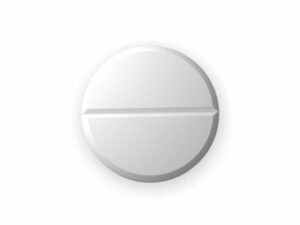
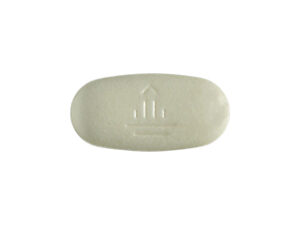
- Common forms: Tablets (strengths vary by brand)
- How it’s supplied: Available through pharmacies in Australia
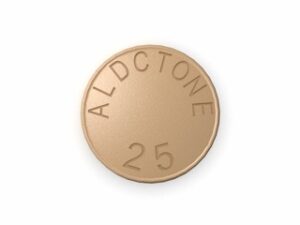
- Brand names: May vary (your pharmacist can confirm the specific brand/strength)
Important: The dose and timing of spironolactone depend on why you’re taking it (e.g., blood pressure, fluid retention, hormone-related conditions, heart failure). Always follow your prescribed instructions and ask your pharmacist if you’re unsure.
How spironolactone works (mechanism of action)
Spironolactone is a mineralocorticoid receptor antagonist (it blocks the effects of aldosterone). Aldosterone is a hormone that tells the kidneys to:
- reabsorb sodium (salt) back into the body,
- and excrete potassium in the urine.
By blocking aldosterone’s effects, spironolactone:
- reduces sodium reabsorption in the kidneys (so extra salt and water leave the body),
- increases potassium retention (so potassium tends to rise in the blood),
- and can also influence androgen (male hormone) pathways, which is why it may help some hormone-related skin conditions.
Overall effect: It acts as a “gentler” diuretic (compared with some other water tablets) that typically does not cause potassium loss, but it can still raise potassium in some people.
Pharmacokinetics (how the body handles it)
“Pharmacokinetics” describes absorption, distribution, metabolism, and elimination.
- Absorption: Spironolactone is absorbed after oral dosing. Taking it consistently at the same time each day helps maintain stable levels.
- Metabolism: It is extensively metabolised in the liver. Key active metabolites include canrenone and related compounds, which contribute to its effects.
- Onset: Diuretic effects may begin within hours, but the full effect can take several days.
- Duration: Effects can last longer than the initial dosing interval due to metabolite activity.
- Elimination: Metabolites are eliminated mainly via the kidneys (and also through other pathways). Kidney function influences how quickly the body clears the medicine.
Clinical takeaway: Because spironolactone works through hormones and kidney pathways, it may take several days to reach its full benefit, especially for fluid-related conditions.
Typical uses (indications)
Spironolactone is used for a range of conditions. Common indications include:
- Heart failure (particularly in people with reduced ejection fraction and when appropriate based on overall treatment plan).
- Fluid retention (oedema) due to certain medical conditions, including some forms of congestive heart failure and liver-related fluid build-up (ascites).
- Hypertension (high blood pressure) in selected cases, especially where other treatments are not sufficient or when a potassium-sparing approach is helpful.
- Hyperaldosteronism (e.g., certain forms of excess aldosterone) to help control sodium and potassium balance.
- Hormone-related skin conditions such as acne or hirsutism in appropriate patients (especially where androgen effects are involved).
Note: The exact approved uses can depend on local Australian prescribing information and individual circumstances. Your pharmacist can help explain what it’s being used for in your specific case.
Dosing and timing
Dose varies based on the reason you are taking spironolactone, your age, and your kidney function and potassium levels.
Typical dosing patterns (general guidance)
- Daily timing: Many people take spironolactone or depending on the prescribed regimen.
- Take with/after food: Often recommended to reduce stomach upset and improve tolerability (follow your label/instructions).
- Diuretic effect timing: Because it can increase urination, taking it earlier in the day may reduce nighttime trips to the toilet—unless your prescriber advised otherwise.
Starting and adjustment
Common clinical practice is to:
- start at a lower dose,
- check blood tests (especially potassium and kidney function),
- then adjust the dose based on response and safety.
Do not change your dose or stop spironolactone suddenly without speaking to a healthcare professional, especially if you’re taking it for heart failure or fluid retention.
What to expect: effectiveness timeline
- Blood pressure: may begin improving within days, with stronger effects often seen after 2–6 weeks.
- Fluid retention (oedema/ascites): may start improving within 2–3 days, with further improvement over longer periods.
- Hormone-related symptoms (e.g., acne, hirsutism): can take several weeks to months to show noticeable changes.
Food interactions and dietary considerations
Food interactions for spironolactone are generally manageable, but there are important dietary considerations:
- Take with food: Taking spironolactone with or after meals may improve tolerability. Follow your pharmacist’s advice and your product label.
- Potassium-containing supplements: Avoid potassium supplements unless specifically directed.
- High-potassium diet: If your potassium tends to run high or you have reduced kidney function, you may need to limit high-potassium foods (a clinician may tailor advice). Examples include some salt substitutes.
- Salt substitutes: Many “low-salt” products use potassium chloride—these can increase potassium levels when combined with spironolactone.
If you’re unsure about foods or products (including electrolyte drinks and herbal blends), ask your pharmacist.
Alcohol and medicine interactions
Alcohol is not universally contraindicated with spironolactone, but there are practical safety concerns:
- Blood pressure lowering: Alcohol can contribute to low blood pressure or dizziness, especially if you’re dehydrated or taking other blood pressure medicines.
- Dehydration risk: Heavy alcohol use can worsen dehydration and affect kidney function, which may increase the risk of electrolyte imbalance.
- Medication tolerance: Alcohol may intensify side effects like light-headedness.
Practical advice: If you drink alcohol, do so in moderation. Avoid binge drinking. Be cautious if you’ve had dizziness, low blood pressure, or fainting episodes.
Medicine interactions (important)
Spironolactone can interact with several medicines—especially those that also affect potassium or kidney function, and those used to lower blood pressure.
Common interaction categories
- Other potassium-increasing medicines: e.g., potassium supplements, potassium salts, some electrolyte products.
- ACE inhibitors and ARBs: used for blood pressure and heart conditions (examples include enalapril, lisinopril, ramipril; and losartan, valsartan, irbesartan). The combination can increase potassium.
- Direct renin inhibitor: e.g., aliskiren (if used, requires careful monitoring).
- Non-steroidal anti-inflammatory drugs (NSAIDs): e.g., ibuprofen, naproxen, diclofenac. NSAIDs can reduce kidney blood flow and may affect kidney function and potassium.
- Trimethoprim: an antibiotic that can increase potassium in some people.
- Heparin: may also increase potassium in some cases.
- Other diuretics: may change the overall electrolyte balance (sometimes used intentionally, but requires monitoring).
- Digoxin: potassium changes can increase the risk of digoxin side effects.
- Lithium: interactions can increase lithium levels and toxicity risk.
Herbal and “natural” products
Some supplements may affect potassium or kidney function. Examples include certain herbal diuretics or electrolyte supplements. Tell your pharmacist about any supplements or alternative therapies you take.
Action step: Provide your pharmacist with a complete list of medicines (including over-the-counter and supplements) so they can check interactions.
Safety profile and side effects
Like all medicines, spironolactone can cause side effects. Many people tolerate it well, but some effects are important to recognise early.
Common side effects
- Increased urination (especially early in treatment)
- Dizziness or light-headedness (particularly when standing up)
- Stomach upset, nausea, or mild abdominal discomfort
- Headache
- Changes in bowel habits in some people
Important potential side effects (seek medical advice urgently)
- High potassium (hyperkalaemia): symptoms can include muscle weakness, tingling, slow heartbeat, or abnormal heart rhythms. This risk is higher with kidney impairment or interacting medicines.
- Severe dizziness/fainting: could suggest too low blood pressure.
- Allergic reactions: rash, swelling of face/lips, or trouble breathing.
- Worsening kidney function: reduced urine output, unusual fatigue, or feeling unwell.
- Breast changes: tenderness or enlargement (gynecomastia) in some people—more likely in some patient groups.
- Hormonal effects: in some cases may include reduced libido or menstrual changes.
Who needs extra caution
- People with kidney disease or reduced kidney function
- Older adults (higher likelihood of dehydration or kidney changes)
- People taking medicines that can raise potassium
- People with diabetes or other conditions affecting kidney function
Practical use tips (making treatment easier)
- Keep track of doses: Use a daily reminder or pill organiser.
- Plan around urination: If it makes you need the toilet more often, consider taking it earlier in the day (unless your prescriber advised otherwise).
- Have your blood tests done: Monitoring potassium and kidney function is a key part of safe spironolactone use.
- Rise slowly: If you feel dizzy, stand up slowly from sitting or lying positions.
- Hydrate sensibly: Do not over-restrict fluids unless told to. But avoid excessive dehydration, especially during heatwaves or illness.
- Avoid potassium “surprises”: Be cautious with salt substitutes and electrolyte drinks.
Monitoring: what your clinician may check
Because spironolactone can affect potassium and kidney function, monitoring is often recommended, particularly during:
- the first few weeks after starting,
- after dose changes,
- during intercurrent illness (e.g., vomiting, diarrhoea, dehydration),
- when adding interacting medicines (e.g., ACE inhibitors/ARBs, NSAIDs).
Tests commonly include:
- Serum potassium
- Kidney function tests (e.g., creatinine/eGFR)
- Urea (sometimes)
- Other electrolytes depending on your health situation
Alternative options
Whether an alternative is suitable depends on what spironolactone is being used for (heart failure, oedema, blood pressure, hormone-related conditions).
Possible alternatives (general examples)
- Other diuretics: such as loop diuretics (e.g., furosemide) or thiazide-like diuretics (e.g., indapamide)—often chosen based on the desired effect and electrolyte risks.
- Blood pressure medicines: ACE inhibitors/ARBs, calcium-channel blockers, thiazides—selection depends on your medical history.
- Hormone-related skin options: topical therapies, other oral options (choice depends on diagnosis and suitability).
- Condition-specific approaches: e.g., for hyperaldosteronism, management may involve different strategies based on cause.
Important: Do not switch medicines without professional guidance. Similar-sounding medicines can behave very differently in terms of potassium effects and kidney safety.
Market and legal context for Australia
In Australia, the availability, prescribing requirements, and pharmacy supply conditions for medicines can depend on:
- Product formulation and strength
- Therapeutic indication
- Regulatory classification and pharmacy supply rules
- Brand and pack size
Australia’s medicines are regulated through the Therapeutic Goods Administration (TGA). Pharmacy supply is governed by the national framework for medicine scheduling and safe dispensing practices. Always check the dispensing label and consult your pharmacist for correct use.
Pro tip: If you’re using a combination of medicines (especially those affecting blood pressure or kidney function), ask your pharmacist to review your list for interaction risk and monitoring requirements.
Recent guidance and clinical best practice (general)
While specific recommendations may evolve, the following themes reflect ongoing clinical best practice for spironolactone use in Australia and internationally:
- Electrolyte monitoring: Regular checking of potassium and kidney function, especially in higher-risk groups.
- Caution with interacting medicines: Close review when starting or stopping ACE inhibitors/ARBs, NSAIDs, trimethoprim, or supplements that affect potassium.
- Individualised dosing: Doses are tailored based on response and lab results rather than “one-size-fits-all”.
- Patient education: Emphasis on warning symptoms of high potassium, dizziness/low blood pressure, and dehydration.
Your prescriber and pharmacist can provide the most up-to-date local information for your situation.
Delivery and availability (online pharmacy Australia)
Spironolactone is typically available through pharmacies and can often be arranged via online ordering with delivery to eligible locations within Australia. Availability may vary by:
- tablet strength (mg)
- brand/manufacturer
- stock levels at the time you order
Delivery tips:
- Double-check the requested strength and quantity before checkout.
- Ensure you’re available to receive the parcel, especially for timed deliveries.
- Keep tablets in a cool, dry place and store them as directed on the packaging.
Frequently asked questions (FAQ)
1) How do I take spironolactone?
Most people take spironolactone or in , usually . Follow your label instructions. If it increases urination, taking it earlier in the day may help reduce nighttime trips to the toilet.
2) When will I start to feel the effect?
For water retention and diuretic effects, improvement can begin within a few days, with fuller effects over several days. For blood pressure, benefits may build over weeks. For hormone-related skin symptoms, noticeable improvement often takes several weeks to months.
3) Why do I need blood tests?
Because spironolactone can raise potassium and affect kidney function. Monitoring helps ensure the medicine remains safe and effective for you.
4) Can I use a salt substitute?
Be cautious. Many salt substitutes contain potassium chloride, which can raise potassium levels when combined with spironolactone. Ask your pharmacist for advice before using salt substitutes.
5) Is it safe to take spironolactone with ibuprofen or other painkillers?
NSAIDs (like ibuprofen) can affect kidney function and increase risks when taken with diuretics like spironolactone, especially in people who are older or have kidney issues. Check with your pharmacist or clinician before using NSAIDs regularly.
6) Does spironolactone make me pee more?
Often, yes—especially when you first start treatment. The diuretic effect may be milder than some other water tablets, but increased urination can still occur.
7) What symptoms could mean my potassium is too high?
Seek medical advice promptly if you experience significant muscle weakness, unusual tingling, slow or irregular heartbeat, or you feel unwell with dizziness or fainting.
8) Can I drink alcohol while taking spironolactone?
Moderate alcohol may be possible for some people, but alcohol can worsen dizziness, low blood pressure, or dehydration. Avoid heavy drinking and be cautious, particularly if you’ve experienced light-headedness.
9) What if I miss a dose?
Take it as soon as you remember on the same day. If it’s close to your next dose, skip the missed dose and continue your regular schedule. Do not take extra tablets to make up for a missed dose.
10) Are there any long-term concerns?
For many people, spironolactone is used long-term under monitoring. The key long-term safety focus is maintaining safe potassium and kidney function, and managing any hormone-related side effects if they occur.
Summary
Spironolactone is a potassium-sparing diuretic and anti-androgen medicine used for fluid retention, certain heart conditions, hypertension in selected situations, hyperaldosteronism, and some hormone-related skin conditions. It works by blocking aldosterone, which helps the body remove excess salt and water while conserving potassium. Because it can raise potassium and affect kidney function, regular monitoring and careful attention to interacting medicines (including NSAIDs and certain blood pressure drugs) and dietary potassium intake are important. If you have questions about your dose, side effects, or interactions, your pharmacist is available to help.