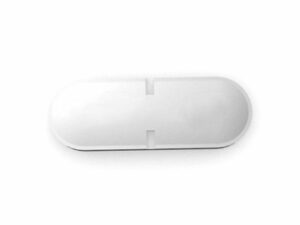


Rulide (Roxithromycin) — Patient Information for Australia
Rulide is a brand of roxithromycin, an antibiotic medicine used to treat certain bacterial infections. This page explains how it works, how it’s taken, key safety information, and what to consider for everyday use in Australia.
Note: Antibiotics only work against bacteria. They do not treat viral illnesses such as the common cold or influenza.
Quick overview
- Medicine: Rulide (roxithromycin)
- Type: Macrolide antibiotic
- Common uses: Selected upper and lower respiratory tract infections and some other bacterial infections
- How it works: Stops bacteria from making proteins needed for growth
- Typical dosing form: Oral tablets (strength may vary by brand/pack)
- Common timing: Usually taken once or twice daily depending on the condition and prescriber instructions
Basic product information
| Category | Details |
|---|---|
| Active ingredient | Roxithromycin |
| Brand name | Rulide |
| Medicinal class | Macrolide antibiotic |
| Route | Oral |
| Who it’s for | Adults and children depending on indication, formulation, and dosing guidance |
| Key warnings | Allergy risk; gastrointestinal effects; possible drug interactions; caution with certain heart rhythm risks |
How Rulide works (mechanism of action)
Roxithromycin is a macrolide antibiotic. It targets the way bacteria build proteins:
- It binds to the bacterial ribosome (specifically the 50S subunit).
- This inhibits protein synthesis, which prevents bacteria from growing and multiplying.
- For many susceptible bacteria, this results in the clearing of the infection over time.
Important: The bacteria causing your infection must be susceptible to roxithromycin for it to work effectively. If symptoms do not improve, or worsen, medical advice may be needed.
Pharmacokinetics (how the body handles it)
Understanding the “pharmacokinetics” of roxithromycin can help explain dosing and how soon you might feel better.
- Absorption: Roxithromycin is absorbed from the gastrointestinal tract. Food can affect absorption, but it is generally managed with simple timing (see “Food interactions” below).
- Distribution: It distributes into tissues, including areas relevant to respiratory infections.
- Metabolism: The body metabolises roxithromycin to some extent.
- Elimination: Excretion occurs through urine and faeces pathways. Elimination may be slower in certain liver or kidney conditions.
- Half-life: The dosing schedule is designed to maintain effective drug levels for the required duration.
Typical use in Australia
Rulide is used to treat infections caused by bacteria that are susceptible to roxithromycin. In practice, this often includes selected:
- Respiratory tract infections (such as some sinus, throat, bronchial, or chest infections depending on local guidance and susceptibility)
- Ear, nose, and throat infections in appropriate cases
- Other bacterial infections where a prescriber considers roxithromycin suitable
Antibiotic stewardship reminder: It’s important to use antibiotics only when they are likely to benefit you. This reduces side effects and helps prevent antibiotic resistance.
When to take it (timing and missed dose advice)
Follow the dosing instructions provided with your medicine pack. In general, antibiotics work best when taken at consistent times each day.
Typical timing
- Once-daily or twice-daily schedules may be used depending on the condition and the dosing regimen.
- Try to take it at the same time(s) each day.
- If you’re taking other medicines, consider leaving a small buffer where interactions are possible (your pharmacist can advise).
If you miss a dose
- Take the missed dose as soon as you remember if it’s not close to the next dose.
- If you’re near the next scheduled dose, skip the missed dose and continue as planned.
- Do not take a double dose to make up for a missed one.
If you’re unsure what to do, speak with a pharmacist.
Food interactions
Roxithromycin can be taken with or without food, depending on your tolerance and the specific product instructions. Food may influence absorption for some antibiotics.
- If you experience nausea or stomach discomfort, taking it with food may help.
- Maintain a consistent routine (e.g., always with meals or always on an empty stomach) unless your pharmacist advises otherwise.
- If a doctor or pharmacist has advised a specific method of taking it, follow that advice.
General guidance: Drink water with each tablet. Avoid taking it at the same time as medications that may significantly affect absorption unless advised.
Alcohol and medicine interactions
Alcohol
There is no universal rule that alcohol must be completely avoided with roxithromycin, but alcohol can:
- Worsen nausea, dizziness, or stomach upset
- Reduce your ability to recover while you’re unwell
- Increase the risk of dehydration
Practical advice: If you can, avoid or limit alcohol while you’re taking antibiotics. If you choose to drink, keep it minimal and monitor how you feel.
Interactions with other medicines
Roxithromycin can interact with certain medicines by affecting drug metabolism or by influencing heart rhythm in susceptible people.
Tell your pharmacist or healthcare professional about all medicines you take, including:
- Heart rhythm medicines (antiarrhythmics)
- Medicines that affect the QT interval (a measure seen on an ECG)
- Some antidepressants and antipsychotics
- Some seizure medicines
- Warfarin and other blood thinners
- Statins (cholesterol-lowering medicines), especially certain types that carry interaction risk
- Digoxin (heart medication)
- Ergot derivatives (migraine medicines) — caution is important
Important: Interaction risk varies by dose and personal health factors. If you’re unsure whether your medicines may interact, check with a pharmacist.
Indications (what it’s used for)
Roxithromycin is indicated for bacterial infections where it is appropriate. Exact indications can vary depending on local guidelines, susceptibility patterns, and patient factors.
Common clinical scenarios include:
- Upper respiratory tract infections (e.g., certain ENT infections)
- Lower respiratory tract infections (e.g., some bronchitis or chest infections due to susceptible organisms)
- Skin or soft tissue infections in selected situations (depending on local guidance)
Not for: Viral infections such as colds, most sore throats caused by viruses, and flu.
Dosing (general guidance)
Dosing must be tailored to the infection type, severity, and patient characteristics. Always use the dose written on the product label or provided by your healthcare professional.
Adults
- Adult dosing regimens vary by condition. Follow your medicine instructions exactly.
- Do not change the dose yourself if symptoms change; instead, consult a healthcare professional.
Children
- Children’s dosing depends on weight, age, and formulation strength.
- Only use paediatric dosing guidance from a clinician or pharmacist.
Course length
- Complete the full course even if you feel better.
- Stopping early can lead to relapse or treatment failure.
If you develop new symptoms (such as worsening fever, rash, or breathing difficulties), seek medical advice promptly.
Safety profile
Common side effects
Many people tolerate roxithromycin well. Common side effects include:
- Nausea
- Diarrhoea
- Stomach pain or indigestion
- Headache
- Skin rash (less common but possible)
If side effects are bothersome, a pharmacist can advise supportive measures and whether any dose timing changes may help.
Serious side effects — seek urgent help
Stop the medicine and get urgent medical help if you have signs of:
- Allergic reaction: swelling of face/lips, difficulty breathing, severe hives
- Severe or persistent diarrhoea (especially if watery or with blood), or severe abdominal cramping
- Unusual heart symptoms: fainting, severe dizziness, palpitations
- Severe skin reactions: blistering, peeling skin, or widespread rash with fever
- Liver problems: yellowing of skin/eyes, dark urine, severe fatigue
Cautions and special populations
- History of allergy to macrolides or related antibiotics
- Liver disease or significant hepatic impairment (may affect handling of the medicine)
- Kidney impairment (may require dosing adjustments)
- Heart rhythm concerns (risk of QT-related effects may be higher in certain people, especially with interacting medicines)
- Myasthenia gravis (macrolides may worsen symptoms in some cases)
If you have any of the above conditions, discuss with a pharmacist before starting.
Practical use tips
- Take at the right times: set a reminder alarm if helpful.
- Stay hydrated: especially if you have diarrhoea or reduced intake due to illness.
- Don’t skip doses: consistent levels improve the chance of success.
- Keep a medication list: include all prescriptions, over-the-counter products, vitamins, and supplements.
- Check expiry and storage: store according to the label (typically at controlled room temperature, away from moisture and heat).
- Avoid sharing antibiotics: dosing and appropriateness are specific to the infection.
During treatment: If your symptoms do not start improving within a few days, or if they worsen, seek advice. Treatment may need reassessment or further testing.
Alternative options
Because antibiotic choice depends on the type of bacteria, local resistance patterns, allergy history, and the site of infection, alternatives vary.
Possible alternatives (discuss with your clinician/pharmacist) may include:
- Other macrolides or similar antibiotic classes for some respiratory infections
- Penicillins or related antibiotics when appropriate and tolerated
- Cephalosporins in selected infections
- Doxycycline in certain bacterial respiratory infections (where suitable)
- Clindamycin in some skin/soft tissue infections depending on risk and susceptibility
If you have had previous adverse reactions, or if there are interactions with your other medicines, alternatives may be safer options. A pharmacist can help compare your options.
Market and legal context in Australia
In Australia, antibiotic availability and supply are regulated to support safe use and antimicrobial stewardship. Health professionals follow national guidance for appropriate prescribing, and pharmacists play an important role in checking interactions, dosing suitability, and patient counselling.
Antibiotic stewardship matters: Overuse increases the risk of antibiotic resistance and can expose patients to side effects without benefit. Local guidance encourages confirming bacterial infection when possible and using narrow-spectrum antibiotics when appropriate.
Recent guidance (general overview): Australia’s antibiotic use is guided by public health initiatives and clinical recommendations that emphasise:
- Using antibiotics only when likely to be beneficial
- Choosing agents based on suspected/confirmed bacteria and local resistance
- Reviewing therapy if there is no improvement
- Completing the prescribed course
Guidance can evolve, so it’s helpful to follow updates from credible Australian health authorities and discuss your treatment plan with a healthcare professional.
Delivery and availability
Availability of Rulide (roxithromycin) depends on the specific strength and packaging offered by a pharmacy, as well as current supply conditions. When ordering online, ensure:
- You select the correct strength and form for your needs.
- Details on the product listing match what your healthcare professional recommended.
- You provide accurate address and contact details for delivery.
Delivery experience: Many online pharmacies in Australia use tracked shipping and confirm order details before dispatch. Lead times may vary based on demand and supplier availability.
Storage on arrival: Store the medicine as directed on the packaging and keep it away from children.
FAQ
1. What is Rulide used for?
Rulide (roxithromycin) is used to treat infections caused by bacteria that are susceptible to roxithromycin. Common examples include selected respiratory and ENT infections. It’s not effective against viral illnesses.
2. How long does it take to start working?
Some people notice symptom improvement within a few days. If you don’t feel better after a reasonable period, or symptoms worsen, contact a pharmacist or healthcare professional for review.
3. Can I take Rulide with food?
Roxithromycin may be taken with or without food depending on your product instructions. If you get stomach upset, taking it with food may help. Try to keep timing consistent.
4. Is it safe to drink alcohol while taking Rulide?
It’s generally best to limit alcohol while you’re unwell and taking antibiotics because alcohol can worsen side effects and recovery. If you choose to drink, keep it minimal and monitor how you feel.
5. What should I do if I miss a dose?
Take it when you remember if it’s not too close to the next dose. If it is close, skip the missed dose and continue your regular schedule. Don’t take a double dose.
6. What side effects are common?
Common side effects include nausea, diarrhoea, abdominal discomfort, and headache. Contact a healthcare professional if symptoms are severe or persistent.
7. When should I seek urgent help?
Seek urgent medical advice for signs of allergy (swelling, breathing difficulty, severe rash), severe/persistent diarrhoea, fainting or severe dizziness, blistering skin reactions, or signs of liver problems.
8. Can Rulide interact with my other medicines?
Yes. Roxithromycin can interact with medicines that affect heart rhythm, certain blood thinners, digoxin, statins, seizure medicines, and other therapies. Tell your pharmacist about all medicines and supplements you use.
9. Can I stop early if I feel better?
It’s important to complete the full course as directed. Stopping early can increase the chance of relapse or incomplete eradication.
10. Are there alternatives if roxithromycin isn’t suitable?
Yes. Alternatives depend on the infection type, suspected bacteria, allergy history, and your health profile. A pharmacist can help discuss options.
Disclaimer
This information is intended to help you understand Rulide (roxithromycin) in everyday terms. It does not replace advice from a pharmacist or healthcare professional. If you have questions about your specific situation, side effects, or drug interactions, speak with a pharmacist.