
Asacol (Mesalamine) – Patient Guide (Australia)
Asacol is a brand of mesalamine (also called 5-aminosalicylic acid or 5-ASA), medicines used to treat and help prevent inflammation in the bowel. If you have been diagnosed with inflammatory bowel disease (IBD), understanding how Asacol works, how it’s taken, and what to watch for can make treatment easier and more effective.
This guide is written for patients in Australia and includes practical tips on timing, food interactions, safety, and common questions.
Basic product information
- Medicine: Asacol (mesalamine)
- Medicinal ingredient: Mesalamine (5-ASA)
- Medicine type: Anti-inflammatory bowel medicine
- Common formulation: Enteric-coated tablets designed to release in the bowel
- Use in: Ulcerative colitis and related conditions (see “Indications” below)
- Where it’s used: In Australia, availability depends on supply and PBS/other access pathways (see “Market & legal context” below)
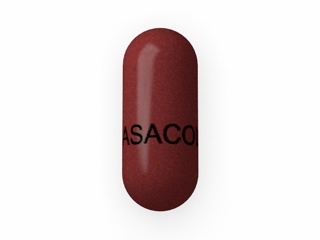
Note: Strengths and exact tablet appearance can vary by product version. Always check the pack for your specific strength and instructions.
How Asacol works (mechanism of action)
Mesalamine is an anti-inflammatory medicine that targets the lining of the bowel. While the exact mechanisms in humans are complex, mesalamine helps reduce inflammation in the colon and/or rectum.
- Local action: Mesalamine acts mainly in the gut where it is delivered, rather than working throughout the whole body.
- Anti-inflammatory effects: It helps reduce inflammatory signalling and production of substances involved in IBD flare-ups.
- Antioxidant activity: Mesalamine can reduce oxidative stress, which contributes to bowel inflammation.
Because Asacol is designed to release the drug where it is needed, consistent use can help control symptoms and maintain remission (when symptoms are quiet).
Pharmacokinetics (how the body processes it)
Pharmacokinetics describes how the body absorbs, distributes, metabolises, and eliminates the medicine.
- Absorption: Mesalamine is absorbed at least partially, but a large part works locally in the intestine. Absorption depends on formulation and location of release.
- Metabolism: In the gut and liver, mesalamine can be metabolised to N-acetyl-5-aminosalicylic acid (N-Ac-5-ASA).
- Distribution: Much of the effect is local; systemic levels are typically lower than the local concentrations in the bowel lining.
- Elimination: Metabolites and drug are mainly eliminated through the kidneys.
Key clinical point: Kidney function matters when taking mesalamine. Your healthcare team may arrange periodic blood and urine tests.
Typical use in IBD
Asacol is commonly used for ulcerative colitis (and related inflammatory conditions that affect the colon). It can be used:
- To treat active disease (during flare-ups)
- To help maintain remission (preventing flare-ups from returning)
Some patients experience symptom improvement within days, but it may take longer to fully benefit—especially for deeper inflammation.
Timing: when to take Asacol
Follow the specific instructions on your pack or those provided by your healthcare professional. Asacol dosing schedules depend on your condition and tablet strength.
- Consistency is important: Try to take your dose at the same times each day.
- Swallow whole (if indicated): Many mesalamine tablets are enteric-coated. Do not crush, chew, or split unless your product instructions say it’s safe.
- With food: Some people find it easier with meals. However, food may affect swallowing comfort more than effectiveness because the formulation is designed to target the bowel.
If you miss a dose: Take it when you remember unless it’s close to the next dose. Do not take a double dose.
Food interactions and dietary considerations
Mesalamine products are designed to release in the bowel, so typical dietary changes are not usually required. However, these points can help:
- Food and timing: Many patients take Asacol with or shortly after food to reduce stomach upset.
- Hydration: Drink adequate water during the day, especially if you experience nausea, diarrhoea, or reduced appetite.
- Balance during flares: During active IBD symptoms, diet tolerance varies. A dietitian may help with nutrition and hydration strategies.
Important: Avoid changes to your medicine schedule without guidance, particularly if your symptoms are controlled.
Alcohol interactions
There is no universal “one size fits all” alcohol rule for mesalamine, but alcohol can worsen gastrointestinal symptoms and may increase the risk of dehydration during diarrhoea.
- If you are in a flare: Consider limiting or avoiding alcohol, as it can aggravate cramps, diarrhoea, and fatigue.
- If you are stable: Moderate alcohol may be tolerated by some people, but monitor your response.
- Practical approach: If alcohol reliably triggers symptoms, discuss alternatives with your healthcare team.
Seek urgent care if you experience severe symptoms such as severe abdominal pain, persistent vomiting, or signs of allergy (e.g., swelling or breathing difficulty).
Interactions with other medicines (and supplements)
Mesalamine can interact with some medicines and may affect how your body handles certain drugs. Always tell your healthcare professional about:
- All current medications (including OTC products)
- Herbal supplements and vitamins
- Any recent changes to your medicines
Common interaction considerations:
- Kidney-risk medicines: Because mesalamine is eliminated through the kidneys, medicines that also affect kidney function may require monitoring. Examples may include some anti-inflammatory pain medicines (NSAIDs) and certain other medicines—your pharmacist can check your specific list.
- Warfarin or blood thinners: Some IBD patients take anticoagulants. Your clinician should review bleeding risk and INR monitoring if relevant.
- Azathioprine/6-mercaptopurine: Combination therapy may be used for some patients; your monitoring plan should be confirmed.
This is not a complete list. For personalised safety, ask a pharmacist to check interactions based on your medicines.
Indications (what Asacol is used for)
Asacol is indicated for conditions involving inflammation of the colon. Common indications include:
- Ulcerative colitis:
- For inducing remission in mild to moderate active disease (depending on your severity and local product guidance)
- For maintaining remission
- Proctitis and left-sided disease: The exact suitability depends on formulation and physician assessment (some mesalamine products are more targeted).
Condition-specific notes: Treatment goals and dose can vary widely among patients. Your clinician may adjust your medicine based on symptoms, endoscopy findings, and inflammation markers.
Dosing: typical approach and practical examples
Dose depends on the diagnosis, severity, and the strength of your tablets. Always follow your pack or clinician’s instructions.
General dosing principles
- Start dose: Often higher for active disease and lower for maintenance.
- Frequency: May be once or multiple times per day depending on your formulation and dose.
- Adherence: Consistent dosing supports remission and reduces relapse risk.
- Do not adjust: Do not change dose frequency or stop abruptly without guidance.
Example dosing patterns (illustrative only)
Because tablet strengths and local instructions differ, the following are illustrations of how prescribers may structure therapy. Your actual dose may be different.
| Goal | What may be used | How it’s commonly taken |
|---|---|---|
| Active ulcerative colitis (induction) | Higher total daily dose of mesalamine tablets | Split into several doses across the day or taken at specific intervals |
| Maintenance of remission | Lower total daily dose of mesalamine tablets | Often once or twice daily depending on regimen |
Important: Always check your own pack label for the exact number of tablets per dose. If you’re unsure, ask your pharmacist to confirm how many tablets you should take and when.
Safety profile: what to know before and during use
Like all medicines, Asacol can cause side effects. Many patients tolerate mesalamine well, but it’s important to recognise symptoms early and report them to a healthcare professional.
Common or mild side effects
- Nausea or stomach discomfort
- Headache
- Diarrhoea or changes in bowel habit (may be difficult to separate from the underlying disease)
- Rash
Less common but important warnings
- Allergic reactions: swelling of face/lips, rash with itch, wheeze, or trouble breathing.
- Kidney problems: reduced urine output, swelling (e.g., ankles), or unusual fatigue. Kidney monitoring may be recommended.
- Blood or liver abnormalities: unusual bruising/bleeding, persistent fever, yellowing of skin/eyes, dark urine—seek medical advice.
- Inflammatory reaction resembling IBD flare (“paradoxical” effects): severe/worsening symptoms after starting may require assessment.
When to seek urgent help
Get urgent medical assistance if you develop:
- Difficulty breathing, swelling, or severe rash
- Severe or persistent abdominal pain
- Signs of dehydration (dizziness, fainting, very little urine)
- High fever or you feel seriously unwell
Monitoring
Your clinician may perform periodic tests, particularly for kidney function (for example, blood creatinine and urine tests) and sometimes full blood counts or liver function tests depending on your overall health and medicine regimen.
Practical use tips for best results
Small habits can make a meaningful difference with IBD medicines.
- Take tablets the right way: Swallow whole if enteric-coated. Don’t crush or chew unless explicitly instructed.
- Keep a routine: Link dosing to a daily activity (breakfast and/or bedtime) and use reminders if helpful.
- Track symptoms: Note bowel frequency, bleeding, urgency, pain, and overall energy to help spot early flares.
- Be consistent even when you feel better: Remission maintenance is often a long-term goal.
- Plan for supply: Running out can trigger loss of control. Consider reordering early.
- Report unusual side effects promptly: Early contact improves safety and helps prevent complications.
If you’re starting Asacol for the first time, ask your healthcare team how long it typically takes for improvement in your situation and what “success” should look like.
Alternative options (other mesalamine products and strategies)
Not all mesalamine medicines are identical. Different formulations release medication in different parts of the bowel and may suit different disease patterns.
Within the same medicine class (mesalamine/5-ASA)
- Different mesalamine formulations (e.g., varying tablet coatings, granules, or suppositories/enemas) may be selected based on whether inflammation is in the rectum, left colon, or more extensive areas.
- Oral vs rectal therapy: Rectal mesalamine (suppositories or enemas) may be added or used if symptoms are more localised to the rectum.
Other IBD treatment approaches
Depending on severity and personal factors, clinicians may consider:
- Corticosteroids for short-term flare control (not typically for long-term maintenance)
- Immunomodulators for some patients who need escalation
- Biologic or targeted therapies for more severe disease or when other treatments fail
Always discuss changes with a healthcare professional before switching medicines. Different formulations are not always interchangeable on a tablet-for-tablet basis.
Australia: market, legal and access context
In Australia, medicines containing mesalamine are used for IBD and may be available through different pathways, such as:
- Pharmacy supply (availability depends on stock and distribution)
- Government subsidy arrangements (for eligible patients, depending on applicable criteria)
- Manufacturer or distributor supply and pharmacy ordering systems
Regulatory requirements and product labelling may vary by brand and strength. Your pharmacist can help confirm the exact product available and guide you on the correct use instructions printed on your specific pack.
Recent guidance and clinical practice trends
IBD care continues to evolve. Current clinical practice commonly emphasises:
- Treat-to-target approach: aiming for symptom improvement and reduced inflammation (sometimes assessed through tests or endoscopy)
- Adherence and sustained remission: maintaining 5-ASA therapy helps reduce relapse for many patients with ulcerative colitis
- Individualised monitoring: kidney monitoring and lab checks are often tailored to patient risk factors
- Early review during flares: prompt clinical assessment if symptoms worsen after starting or continuing therapy
Because guidance can be updated over time, it’s wise to ask your healthcare professional or pharmacist about the most current recommendations for mesalamine monitoring and flare management in Australia.
Delivery, availability and ordering (Australia)
Online pharmacy delivery availability may vary by state/territory and stock levels. When ordering Asacol, consider the following:
- Stock status: Some strengths or pack sizes may require pharmacy ordering from suppliers.
- Delivery times: Delivery estimates depend on your location and whether the item is in-stock.
- Packaging: Medicines are typically supplied in manufacturer packaging for safety and traceability.
- Storage: Store as directed on the pack (often in a cool, dry place away from direct sunlight).
If you need urgent continuation of therapy, contact customer support to confirm expected dispatch and delivery timelines.
FAQ
1) How quickly will I feel better after starting Asacol?
Some people notice improvement within days, especially for milder symptoms. For deeper inflammation, benefits may take longer. If symptoms do not improve or worsen, contact your healthcare professional promptly.
2) Should I stop Asacol once my symptoms improve?
Many patients continue mesalamine to help maintain remission. Stopping suddenly can increase the chance of relapse. Always follow an agreed plan with your clinician before changing or stopping treatment.
3) Can I take Asacol with food?
Many people find it more comfortable with meals. The enteric-coated design is intended to deliver drug to the bowel. Follow your pack instructions; if you get stomach upset, ask a pharmacist whether taking with food or at a different time of day could help.
4) Is alcohol safe while taking Asacol?
Alcohol is not universally contraindicated, but it can worsen gastrointestinal symptoms and dehydration, particularly during a flare. If alcohol triggers your symptoms, limiting or avoiding it is often best.
5) What side effects should I watch for?
Common effects include nausea or headache. Seek medical advice for rash, swelling, breathing difficulties, signs of kidney problems (reduced urine, swelling), or significant changes in overall wellbeing.
6) Do I need blood or urine tests?
Monitoring is commonly recommended, especially for kidney function. Your clinician will advise on the frequency based on your health history and other medicines.
7) Can I switch from one mesalamine product to another?
Sometimes switching is possible, but products differ in release mechanisms and dosing. Do not substitute without checking dosing equivalence and guidance from your pharmacist or clinician.
8) What if I miss a dose?
Take it when you remember unless it’s almost time for your next dose. Do not double up. If you’re unsure, ask your pharmacist.
9) Are there dietary restrictions?
No special diet is required for Asacol itself for most people. However, IBD nutrition needs may change during flares. A dietitian can support long-term gut health and adequate intake.
10) Who should avoid Asacol or use it with extra caution?
People with kidney disease or a history of mesalamine intolerance may need extra caution and closer monitoring. If you have any kidney problems, allergies, or liver conditions, discuss them with your pharmacist or clinician before starting.
Summary
Asacol (mesalamine) is an anti-inflammatory bowel medicine used in ulcerative colitis to treat active inflammation and help maintain remission. It works mainly locally in the gut, is designed to release in the intestine, and is eliminated largely through the kidneys—so monitoring may be recommended. Taking it consistently at the right times, swallowing tablets correctly, and watching for key side effects can help you get the best outcome.
If you’d like, tell me your typical dosing schedule and tablet strength, and I can help you confirm a clear “how to take” routine and what to do if you miss a dose—based on the pack instructions you have.